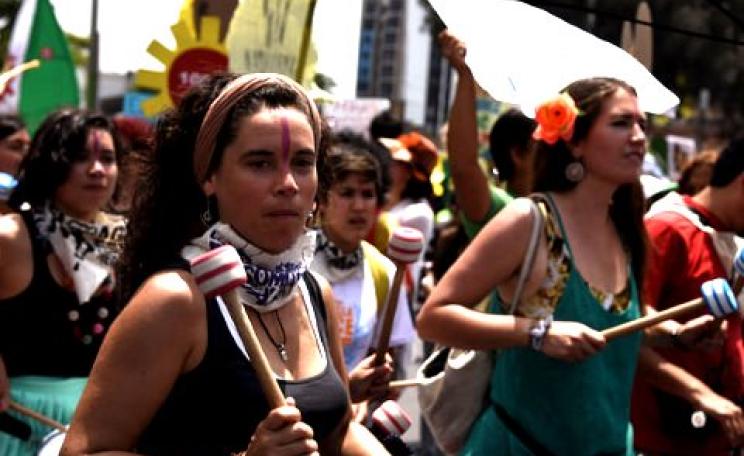
A new wave of ruthless conquistadors has arrived in Peru, write Aldo Orellana Lopez and Philippa de Boissière - global corporations after minerals, oil, gas, timber, land ... And instead of brandishing the Bible and the sword, they proclaim high sounding policies on environment and human rights, while co-opting police and politicians in their pillage of resources.
Rising temperatures in the Arctic are reaching further south to the lakes and forests of Finland, writes Alex Kirby. But the warming is not affecting summer temperatures - it's concentrated into the colder months, causing a shorter, less severe winter.
The official investigation into the downing of MH17 is without precedent in the history of aviation, writes James O'Neill, as it gives one of the prime suspects, Ukraine, a veto power over publication of the report. Grieving families of the victims may never know know the truth, as geopolitics triumphs over justice.
The world's mussel population could be under threat as rising CO2 levels in atmosphere and oceans makes their shells weaker and more brittle shells - making them more vulnerable to stormy seas, and predation.
Under the TTIP US-EU trade agreement, the world's largest chemical corporations would be able to attack US states' attempts to regulate for chemical safety, writes Patrick Gleeson. In both the US and the EU, corporate rights - asserted in secret courts - would trump democracy and attempts to raise health, safety and welfare standards.
London Major Boris Johnson has taken a key first step towards a new Greater London National Park to safeguard the city's green spaces, waterways and natural treasures - and open them up for people to enjoy.
Work on Nicaragua's rival to the Panama Canal rival has begun amid growing fears over its human and environmental impacts, writes Maya Collombon - and a host of unanswered questions about China's role in the project and what benefits, if any, it will bring to ordinary people.
As Cameron 'cuts the green crap' Paul Mobbs remembers how the decisions of a Conservative government 20 years ago to go easy on the owners of contaminated land and old waste dumps have led to present day blight, ill-health and death. Now brow-beaten regulators and politicians in hock to party funders are doing it all over again.
As Brazil's climate gets drier, caused by deforestation in the Amazon and elsewhere, writes Jan Rocha, a Brazilian climate expert proposes five-point 'battle plan' to save the world's greatest tropical forest, before it's too late.
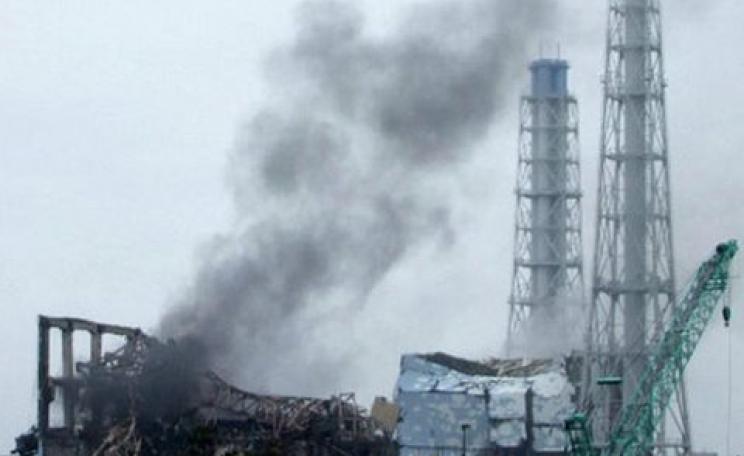
The nuclear industry and its supporters have contrived a variety of narratives to justify and explain away nuclear catastrophes, writes John Downer. None of them actually hold water, yet they serve their purpose - to command political and media heights, and reassure public sentiment on 'safety'. But if it's so safe, why the low limits on nuclear liabilities?
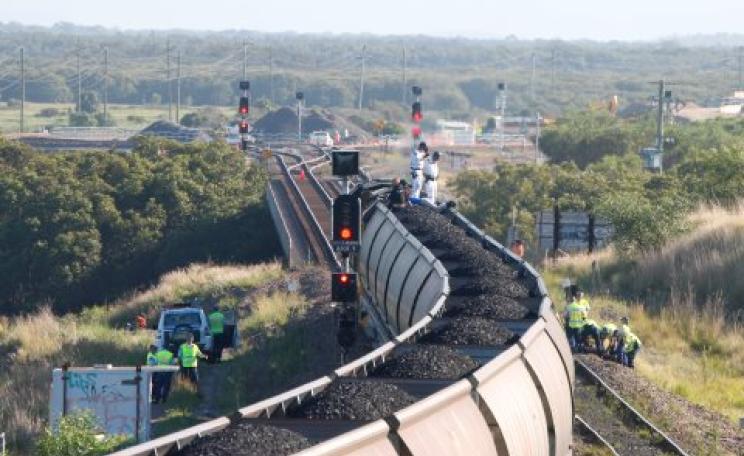
Despite record heat and drought Australia's emissions and coal exports are soaring, says a new report, and both are increasing as a matter of government policy. But a homegrown climate action movement is putting a spanner in the works - and just stopped its first coal train.
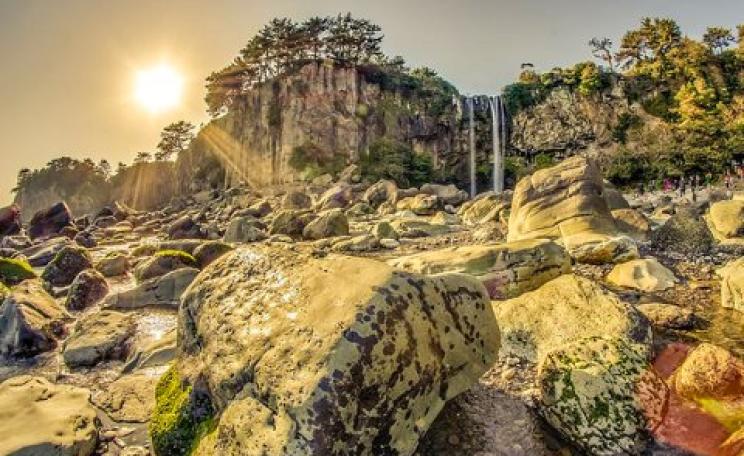
Korea's Jeju Island has been dedicated to peace ever since over 30,000 people were massacred there in 1948, writes Mica Cloughley. But now the US's 'pivot to Asia' demands a new naval base rejected by 94% of voters, and mobile phone giant Samsung is leading the construction project. Islanders are fighting every inch of the way.
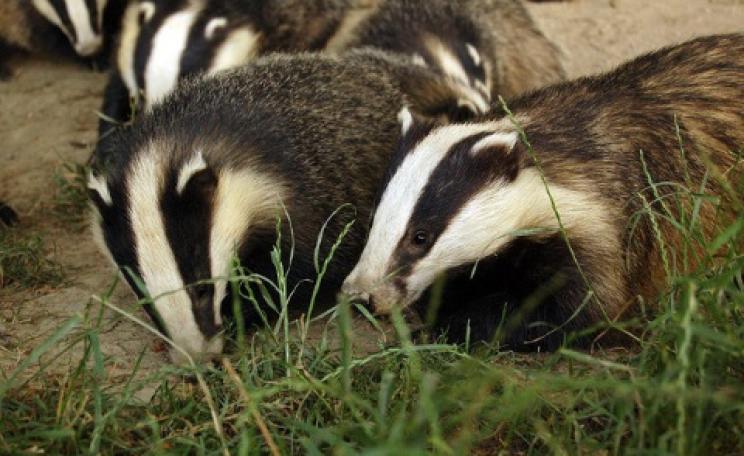
England's 2014 badger cull has failed to meet key targets for effectiveness with such low numbers of animals shot that TB spread is likely to be increased. But Defra boss Liz Truss insists the cull will go on regardless.
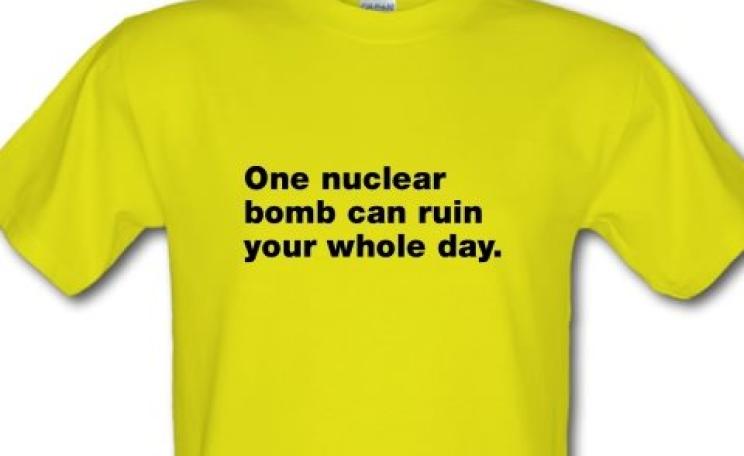
Nuclear energy is essential to preserve the world's biodiversity, according to 69 conservation scientists. But there's a mysterious omission in their analysis, writes Jim Green: nuclear weapons proliferation. And after a major exchange of nuclear bombs, and the 'nuclear winter' that would follow, exactly how much biodiversity would survive?
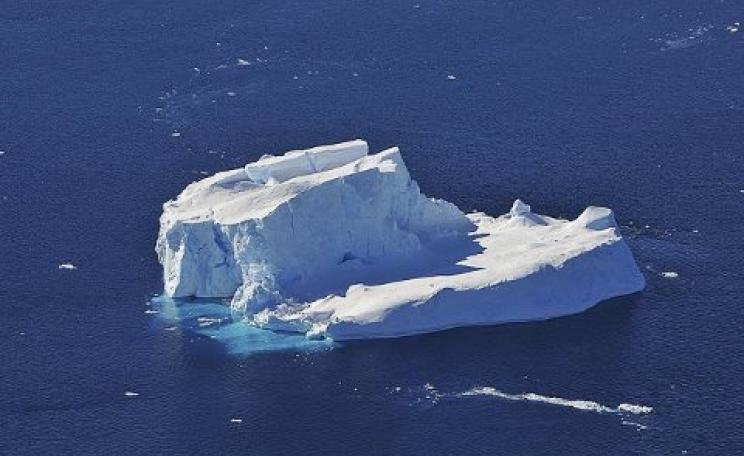
As temperatures rise in the Southern Ocean, warmer currents are eroding the Antarctic ice sheet from below, writes Tim Radford - causing the melting rate to treble in two decades to 83 billion tonnes a year.
A new financial crisis is threatening to dwarf the 'subprime' mortgage debacle, writes Paul Mobbs. Cheap money from central banks has fuelled some $1.3 trillion of risky investments in high-cost 'unconventional' oil and gas. Now, with oil sinking below $60, all that paper is turning to junk - and that's putting the entire economic system at risk.
The European Commission has dropped measures to improve air quality and reduce waste from its work plan for 2015 - instead 'cutting red tape' and prioritizing 'jobs, growth, investment' at all costs.
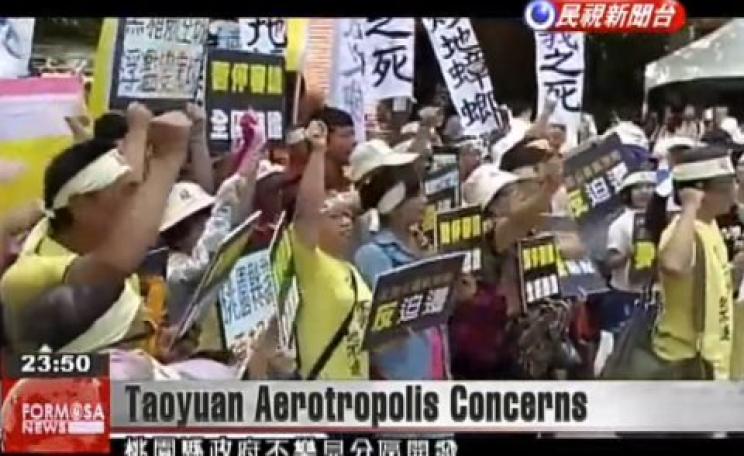
Communities facing around Taiwan's Taoyuan Airport are facing huge land grabs for a vast airport city that will line the pockets of powerful officials, politicians and developers, but leave them with nothing, writes Rose Bridger. Now, faced with official abuse and police brutality, they are fighting back with street protests and art projects.
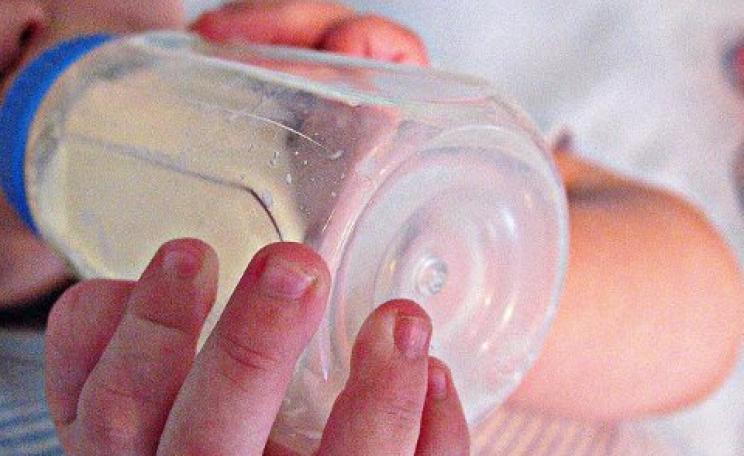
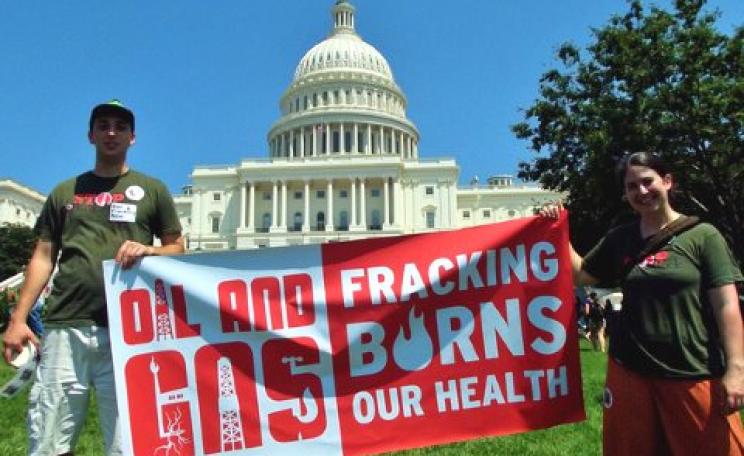
Fracking for oil and gas uses a wide range of chemicals that disrupt reproductive function in both sexes, writes Tamsin Paternoster. Now an academic study has found a powerful correlation between stillbirth, miscarriage, low sperm count, and exposure to fracking chemicals.
After a second extra day of climate talks in Lima, an agreement has been cobbled together. Deadlines have been set for the world to come up with plans to curb emissions and adapt to climate change - but has been no progress on the key divisive issues, and the prospects of an effective mew treaty in Paris next year remain remote.
The government's plans to tunnel the A303 under the Stonehenge World Heritage Site has one grievous flaw, writes Kate Fielden. The tunnel is too short, so huge portals and graded junctions at both ends would lie entirely within the WHS causing huge damage to landscape and wipe out archaeological remains.
In a familiar ritual, the COP20 climate talks have been extended for an extra day as delegates struggle to reach some kind of agreement. The good news is that worthwhile emissions reductions may be achieved - but poor countries are asking: where's the money?
An anti-environment plot by Junckers' Commission would abandon agreed 'green' laws for clean air, waste reduction and recycling. But the leak of key documents to EurActiv has stimulated fierce opposition by Green MEPs and environment groups, while eleven EU countries have called on Junckers to hold to the green laws and speed up their implementation.
The UK is bidding for a massive €46 billion loan from the European Investment Bank to finance the construction of three new nuclear power stations at Hinkley Point, Wylfa and Moorside - while Poland is seeking €8bn for huge new coal mines and power plants and €12bn for new nuclear.