Bangladesh's Sundarbans forest, home of incredibly rich biodiversity, is under unprecedented threat, writes ASMG Kibria. The recent oil tanker capsize on the Shela river puts the forest at risk of widespread biodiversity loss, but just this week, the authorities re-opened the Shela river to shipping with no restrictions on hazardous cargoes.
9,000 new homes in the 'fast track' housing development zones created by the UK government are in areas of flood risk, making them potentially uninhabitable and uninsurable, according to a Greenpeace investigation - and that's before accounting for the increased flood risk from by climate change. Meanwhile future levels of funding for flood control are looking highly uncertain.
For the world to meet its climate goals, a third of the world's oil, half its gas and 80% of its coal must stay underground, writes Alex Kirby. And it's not us saying it - but scientists writing in the journal Nature.
Lord Krebs, self-appointed spokesman for industrial agriculture, used the Oxford Farming Conference to attack organic systems for causing more climate change - a claim as demonstrably false as it is ludicrous, writes Peter Melchett. But across the city, the upstart 'real farming' conference was showing the way to a cleaner, greener and healthier future.
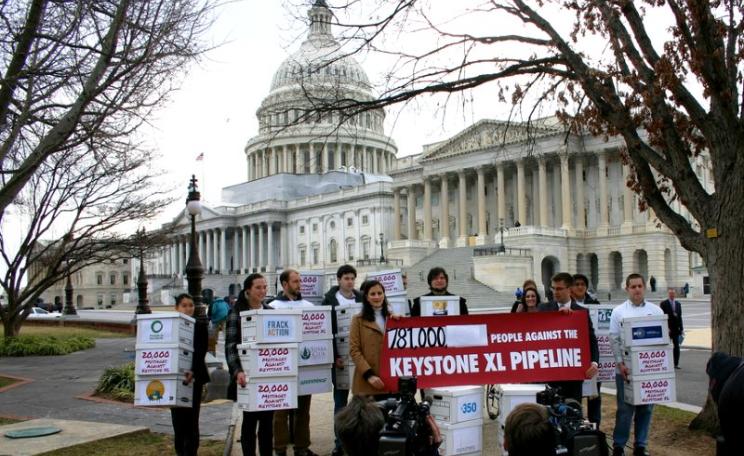
The US government is being sued for $15 billion for its cancellation of the Keystone XL tar sands pipeline last year in order to combat climate change. The legal challenge under NAFTA sends a warning to all countries contemplating similar 'free trade' agreements.
A massive oil spill in the oil-rich Niger Delta in 2008 has caused years of environmental and economic devastation. But only after legal action in London has Shell been forced to reveal the truth, admit liability, pay compensation, and begin the clean-up.
Increased production from US fracking operations is a major reason for the drop in oil prices, writes Kieran Cooke. But there are warnings that the industry now faces an existential crisis from which it may never recover, as the financial sector faces the prospect of worthless shares and $100s of billions of defaulted debt.
A leading member of the climate change-skeptic Global Warming Policy Foundation has resigned from his post in the wake of a Greenpeace investigation that exposed its phoney 'peer review' process. But he insists: 'nothing going on here!'
How much of the mainstream media coverage given to COP21 and the Paris Agreement mentioned the mysterious exemption given to the US's massive military and security machine? None, writes Joyce Nelson. Not only are these emissions entirely outside the UNFCCC process, but a 'cone of sillence' somehow prevents them from even forming part of the climate change discourse.
A grassroots movement of eco-activists is achieving unprecedented success in challenging fossil fuel developments in the Cascadia region of the US's Pacific northwest, writes Alexander Reid Ross. And that has attracted the wrong kind of attention - from local police, FBI and right-wing legislators determined to protect the corporate right to exploit and pollute.
With Monarch butterfly numbers down by 90% in 20 years - largely as a result of GMO crops in key feeding areas - the US Fish and Wildlife Service is reviewing the insect's status with a view to granting it legal protection under the Endangered Species Act.
Dangerous volumes of neonicotinoid insecticides and other pesticides are expressed in common wild flowers like buttercups and hawthorn blossom in countryside under arable cultivation, a new study has discovered. The discovery invalidates the UK government's 'pollinator strategy' based on creating 'safe havens' in arable areas - because the havens are in fact loaded with pesticides.
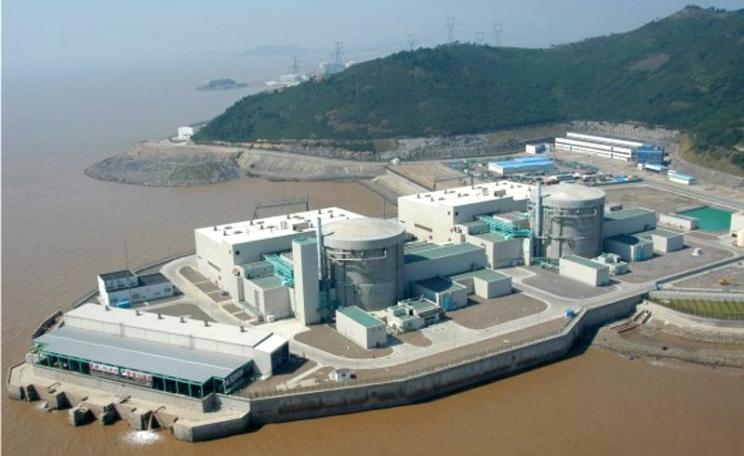
Nuclear advocates take hope from China's plan for 58GW of new nuclear capacity, writes Zhang Chun. But nuclear's share of China's power supply is in long term decline, and the target is likely to be missed as faster, cheaper, nimbler renewables surge ahead.
The Government is preparing 'rules' that will enable the planting of GM crops in the UK as soon as 2017, writes Lawrence Woodward. A ministerial letter also signals a significant weakening of GMO safeguards compared to the Tories' 2010 manifesto. Now is the time to exert maximum pressure and fight off a planned GMO invasion.
Beijing has called a halt to new coal mines and will close hundreds of existing operations, writes Kieran Cooke. The move reflects the slowing economy, falling energy demand, concerns over air pollution and climate change, and the massive rollout of renewables.
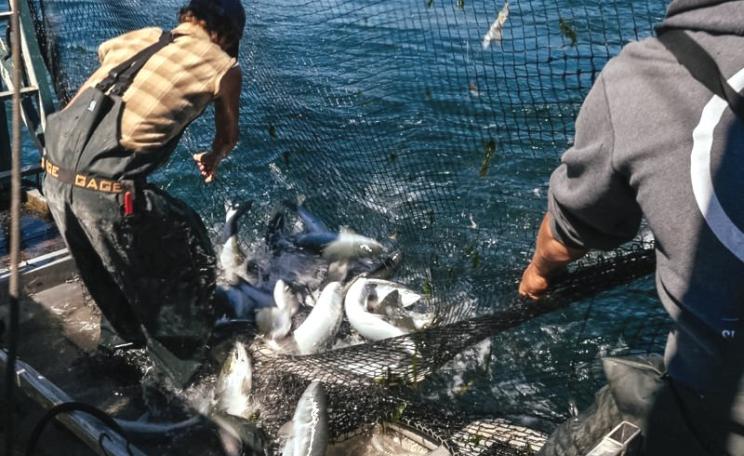
A salmon fishing cooperative in the Pacific Northwest draws on indigenous practices and state of the art technology to be among the world's most sustainable and selective fisheries, writes Kevin Bailey. With its clean harvesting techniques, minmimal bycatch, 99% survival rates for released fish, renewable energy supply and efficient supply chain, it sets a standard for all to follow.
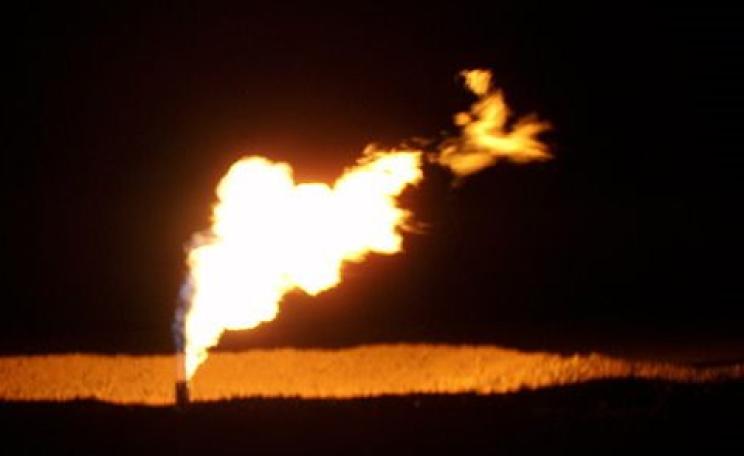
The government appears as determined as ever to push ahead with fracking as a central plank of its energy policy, writes Richard Heasman - ignoring growing evidence of health and environmental harm. But with the economics of fracking undermined by heavy energy price falls, the UK industry may never get off the ground.
Charlatans, or planetary saviours? Post-Paris views on the nuclear industry suggest few experts believe it will bring closer a world rid of fossil fuels, writes Paul Brown. Despite the best efforts of nuclear lobbyists, no revival is due any time soon.
Disaster threatens England's nightingales, already down 90% in 40 years, if ministers fail to block a plan to build 5,000 homes on SSSI breeding site in Kent. But as Robin McKie writes, the government is showing no sign of intervening, as campaigners warn of an 'open season' for development on our most important wildlife sites.
Higher oil production and falling demand are creating big problems for the fossil fuel industry, writes Kieran Cooke. Risk-averse investors, spooked by drastic oil price falls, are turning away from the sector in search of more secure returns.
Governments are still spending billions on nuclear research, writes Paul Brown - but 2015 looks like being an unhappy year for the industry as it continues to shrink while renewables grow, amid massive delays and cost over-runs.
An exotic parasite is spreading through the world's honey bees and global warming is making it worse, writes Robert Paxton. A new study that shows it will soon be causing widespread colony collapse in North America and Europe.
In 1976, it looked like a good idea: to divert the waters of the Danube into a salt-water lagoon on Ukraine's Black Sea coast, and irrigate millions of hectares of arid steppe land, writes Dimiter Kenarov. But the result has been human and environmental disaster on an epic scale.
Long-disused oil and gas wells in the US have been found to be a 'significant' source of the super greenhouse gas methane, writes Richard Heasman. The climate impact of oil and gas is underestimated, as this long term impact is not included in existing calculations.