The European Commission has confirmed that it will drop its 'circular economy' package, writes James Crisp, in the face of protest by MEPs and environment ministers. The EC's insistence that a future version would be 'improved' - but in in unspecified ways - only raised suspicions of a deregulatory coup by Europe's dirtiest businesses.
Yeb Sano, Philippines climate negotiator at the COP19 Warsaw climate talks, spoke for the entire poor and climate vulnerable world as his country was ravaged by Typhoon Haiyan in 2013. But he was mysteriously absent from Lima in 2014 - signalling a major national policy reversal in which the Philippines are giving everything away - and receiving nothing in return.
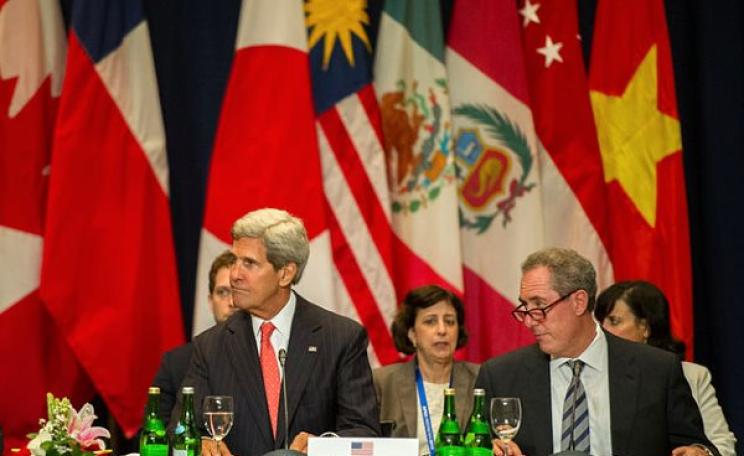
Even as the controversial TTIP 'trade' deal runs into sand, writes Glyn Moody, a spate of similar deals to empower corporations over national governments and democratic forces are being negotiated even more secretively - like CETA, TPP, TISA - and could become cemented into binding treaties before civil society even knows of their existence.
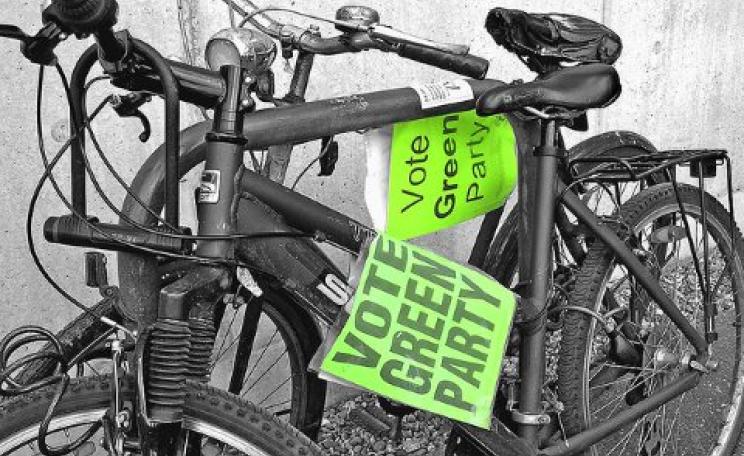
Greens are celebrating a decision by the main UK broadcasters to include them in the 2015 TV election debates alongside the SNP and Plaid Cymru - as their UK membership exceeds 58,000!
Austria will launch its legal challenge against the UK's massive support package for the planned 3.2GW Hinkley Point C nuclear power station by April, writes Arthur Nelsen. The move will add years of delay to the controversial project, and may well finish it off altogether as fears over the troubled EPR reactor design grow, and renewables continue to fall in cost.
For 16 years the Thai government has ignored the plight of a community where toxic lead mine waste is causing severe chronic poisoning - defying both a 2013 court order, and its international obligations. It's just one of many toxic sites across Thailand that need to be cleaned up - but the government's main concern is to encourage further industrialisation.
Germany cut emissions and boosted renewables to record levels last year, writes Henner Weithöner. Yet the country's coal burn remains the EU's highest - and ambitious emissions targets can only be met by closing coal-burning power stations.
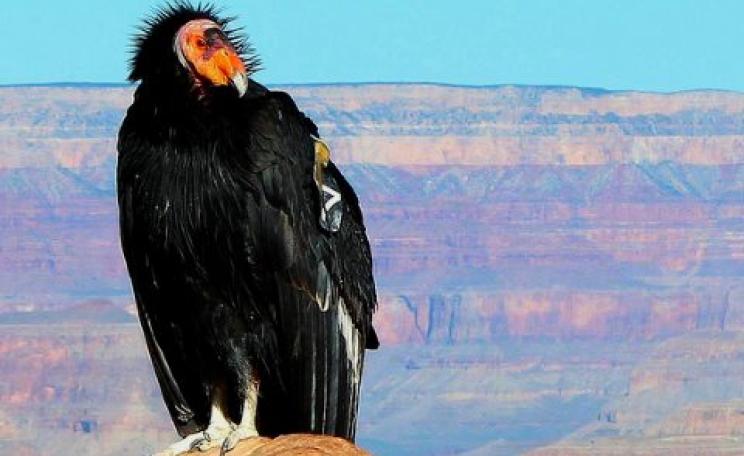
The recent death of Ventana the condor in Los Angeles zoo illustrates a simple truth, writes Dawn Starin: wild condors cannot survive so long as the dead amimals they eat are riddled with lead from spent ammunition. With lead poisoning to blame for 60% of condor deaths, it's time to ban lead ammunition across their entire range - and beyond.
A legal challenge has been launched against what would be Australia's biggest coal mine, writes Samantha Hepburn. If it succeeds, all future coal mine assessments will have to include the impacts of the resulting CO2 emissions on Australia's most important nature sites, such as the Great Barrier Reef.
UK politicians and officials are studiously ignoring the growing evidence that fracking is an economic and environmental disaster, writes Paul Mobbs. As the circle of 'acceptable' view spins ever smaller, industry PR is dominating a phoney debate that's increasingly remote from reality, public opinion and core democratic principles.
Last week the consortium holding a £22bn contract to clean up the Sellafield nuclear site was sacked, writes David Lowry. But this is just the end of a long and scandalous tale of corporate profit at taxpayers' expense, and the active collusion of ministers and senior officials in fighting off Parliamentary scrutiny.
Just one degree of global warming could cut wheat yields by 42 million tonnes worldwide, around 6% of the crop, writes Paul Brown - causing devastating shortages of this staple food.
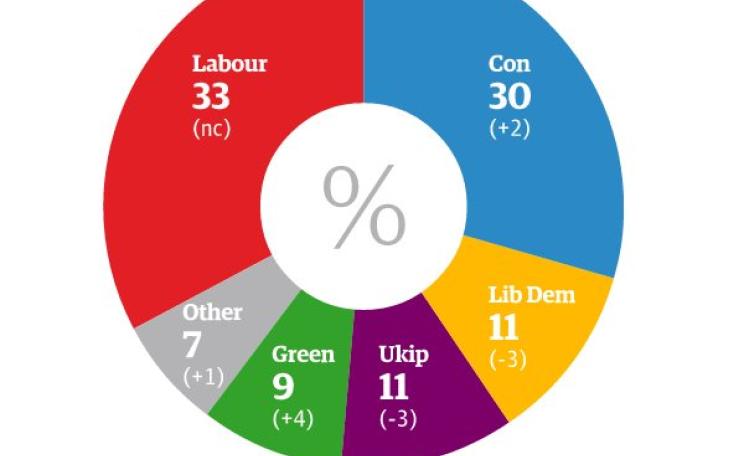
Yesterday, Green party membership in the UK overtook that of UKIP and the Lib Dems, writes Adam Ramsay, who offers 13 reasons why in just two days over 4,000 new members joined the Greens, an astounding 10% growth rate. And it's no flash in the pan - membership had already doubled since September, and the Green surge could still have a long way to run ...
The Information Tribunal has ordered Tate, the charity which runs two of London's biggest art galleries, to release details of financial support from the oil company BP, writes Richard Heasman - and they have until 27th January to comply.
The Green party today overtook both UKIP and the LibDems the on number of paid-up members. After a surge of 4,000 new members in two days, the Greens UK-wide now have 44,713 members, 4,000 more than UKIP, and 1,500 more than the LibDems.
The global economic shake-down of low oil prices continues apace, writes Alexander Reid Ross, causing environmentalists to celebrate the collapse of dirty energy projects. But the oil price collapse is the manifestation of a multi-layered conflict being fought out on the political, military and ideological battlefields of the Middle East - and it may not last much longer.
Indigenous forest dwellers in India's iconic Kanha Tiger Reserve have suffered another round of illegal forced evictions at the hands of the country's Tiger Conservation Authority - a move that is threatening the future of the tigers themselves.
Indonesia appears to brought rainforest logging under control - but it's all a huge illusion, according to a new EIA report. Traditional logging has been replaced by the mass clearance of rainforest for oil palm plantations, creating massive supplies of hugely profitable but often illegal timber. And lurking beneath the surface is a pervasive network of criminality and corruption.
A fierce dispute is raging over whether glyphosate, the world's biggest weedkiller, causes cancer, writes Arthur Neslen. The row has pitched EFSA, the EU's food regulator, against 96 of the world's top medical scientists - and comes shortly before the EU is to decide on renewing glyphosate's licence.
Following a disgraceful EU stitch-up, the European Parliament today passed a law permitting EU-wide GMO crop cultivation. With regulation and safeguards devolved to member states, and only limited 'opt-out' rights, it is a recipe for chaos that GM corporations will ruthlessly exploit.
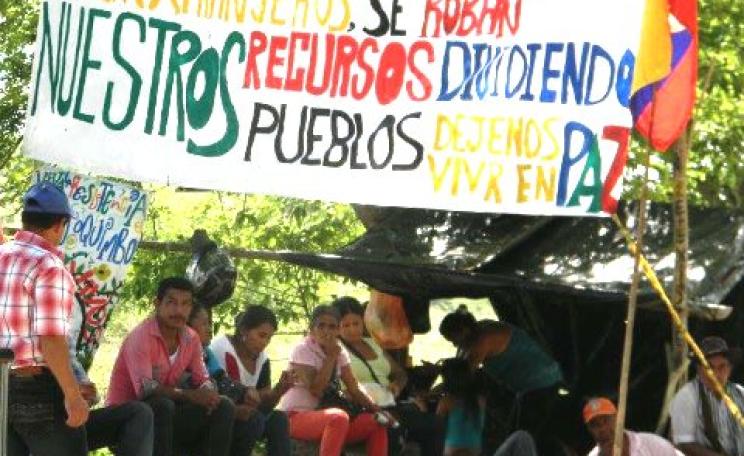
For the world's multinational corporations, the climate crisis is just another business opportunity, writes Philippa de Boissière. One example is Enel-Endesa's 'climate friendly' 217m high El Quimbo dam in Colombia - a huge exercise in expropriation at taxpayer expense, backed by police violence against strong local resistance.
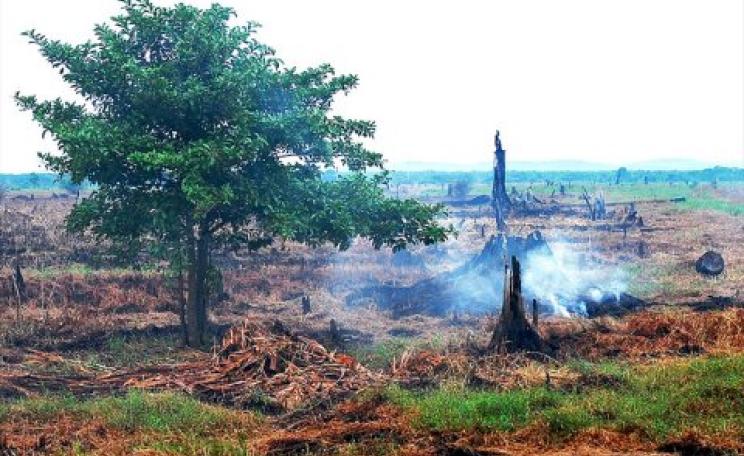
Human exploitation of peatlands has led to some of the biggest fires on Earth, including one in Indonesia that released 2.5 Gt of carbon, writes Tim Radford. A new study calculates that the world's peatlands contain almost a trillion tonnes of carbon at growing risk of burning.
The Sahrawi people of Western Sahara have been waiting 40 years for a self-determination referendum, writes Oscar Güell. But thanks to the passivity of the EU, the US and the rest of the 'international community' their wait for justice won't end any time soon. Meanwhile, Morocco settles the country with colonists and exploits its natural resources.
The UK's financing of fossil fuels abroad increased tenfold in two years to exceed £1 billion in 2013 / 2014, writes Christine Ottery. Incredibly, the fossil fuel funding increase came after a government promise to use the money to support 'innovative and green technologies'.