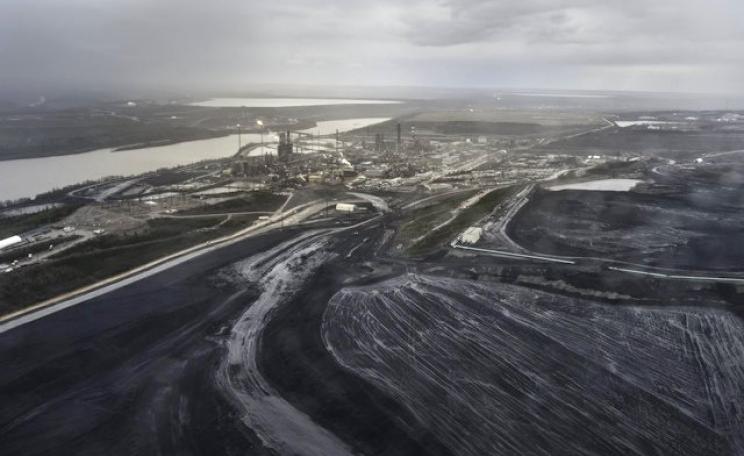
A month-long blockade of the Rio Tigre deep in the Peruvian Amazon has secured promises of compensation and cleanup for Peru's Kichwa communities who have suffered 40 years of contaminated waters from oil drilling operations in their remote Amazon region. But until the funds materialize, they are holding firm in their resolve.
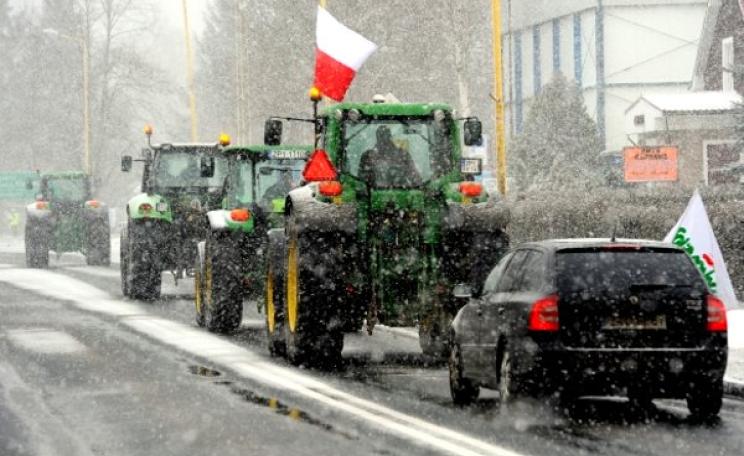
Thousands of small farmers in Poland are blockading motorways and holding demonstrations to demand land rights, a ban on GMOs and an end to oppressive health and safety regulations - and they are refusing to call off the protests until their demands are met.
Energy 'too cheap to meter? This time it could be true thanks to the fast rising proportion of zero marginal cost renewable power in our electricity system, writes Roger Kemp. But that has profound implications for how we pay for our electricity - indeed the entire electricity market and consumer pricing system must be radically rethought.
When US Trade Representative Michael Froman testified before Congress last week, he made impressive claims for the benefits of Fast-Tracking the controversial Trans-Pacific Partnership, writes Ben Beachy. Just one problem - all those claims were either untrue, or profoundly misleading.
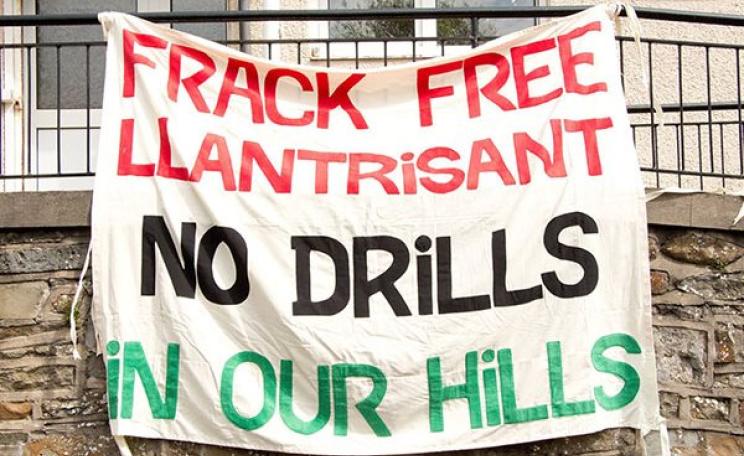
This week the Welsh Assembly voted for a moratorium on fracking. But IGas company bosses insist that the Welsh Government is powerless to stop them pushing ahead with test drilling plans - as all the key decisions are made in Whitehall.
Trawlers in an MSC-certified 'sustainable' lobster fishery producing have been caught in the act of using illegally modified nets to target valuable cod. The MSC has been notified but considers the evidence insufficient to act, so the lobsters still carry the MSC label.
While the world gears up for Jungle Book fever, something sinister is afoot in the forests of India, writes Tom Linton. No, not Shere Khan, but zealous officials illegally evicting indigenous communities from their ancestral forests in the name of 'conservation' - and to make way for tiger tourism. And it's happening across India putting millions of people under threat.
The latest version of the Infrastructure Bill released today has been amended to avoid defining the areas that will be protected from fracking, leaving that to 'regulations' to be pushed through after the general election. So if the Tories win, get ready for fracking everywhere!
Claims that nuclear power is a 'low carbon' energy source fall apart under scrutiny, writes Keith Barnham. Far from coming in at six grams of CO2 per unit of electricity for Hinkley C, as the Climate Change Committee believes, the true figure is probably well above 50 grams - breaching the CCC's recommended limit for new sources of power generation beyond 2030.
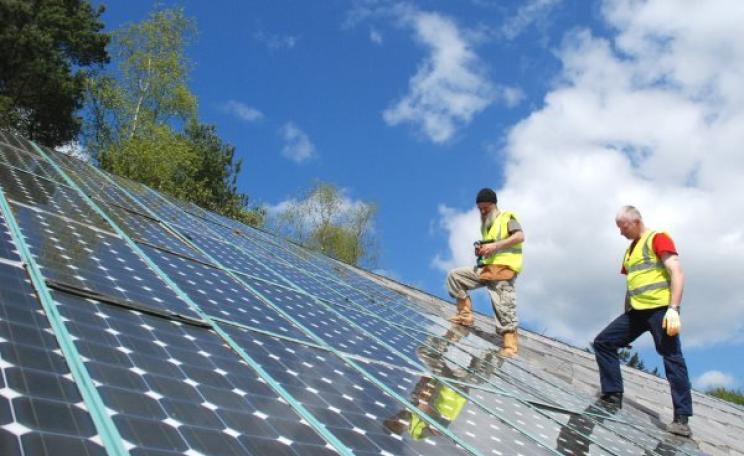
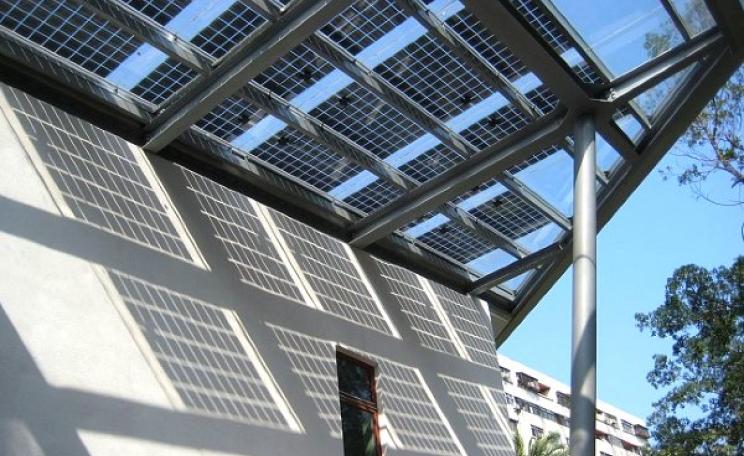
China has now overtaken the European Union as the largest new market for solar power, writes Paul Brown - as solar PV becomes one of the world's fastest growing industries - and one that's sure to keep on getting cheaper!
Current oil price volatility is a symptom of the end of cheap oil, writes Nafeez Ahmed, and it's destablising the entire global economy. The answer is a major shift to renewables - but the the International Energy Agency, which should be leading the transition, is in the grip of nuclear and fossil fuel interests. Instead the leadership must come from us, the people!
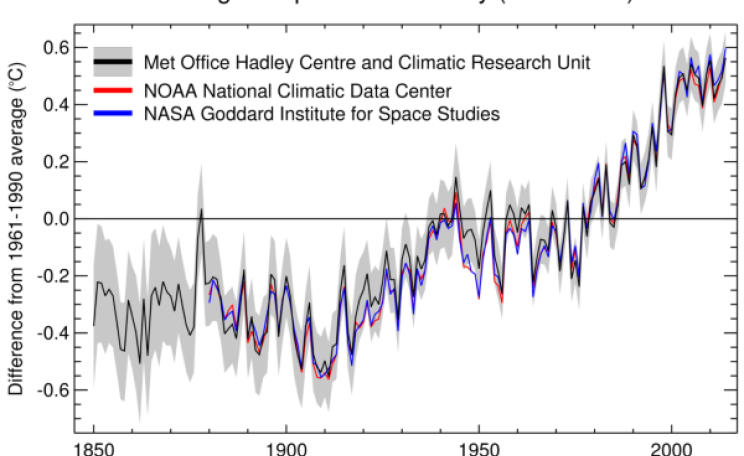
The World Meteorological Organization has ranked 2014 as the hottest year on record. And it's no flash in the pan: 14 of the 15 hottest years have been in the 21st century, a powerful indication of warming trend.
Using new technologies to take on poaching in Africa is reaping big dividends, writes Thomas Snitch. Where drones are deployed as part of an integrated package of measures, poachers quickly give up. The trouble is, they move to other unprotected locations. So we must extend the program to all of Africa's most at-risk areas.
North America's environment campaigners face a fearsome enemy in the 'Big Club', writes Alexander Reid Ross - the nexus of fossil fuel and infrastructure corporations, government, militarized police, private security contractors, PR agencies, astroturf NGOs and quasi-judicial bodies. But the activists are winning key victories in their battle to halt the industrialization of Cascadia.
We all know about the risk to elephants and rhinos from the illegal wildlife trade, but now the helmeted hornbills of Borneo and Sumatra are at risk as online traders find ready buyers for their carved beaks in China.
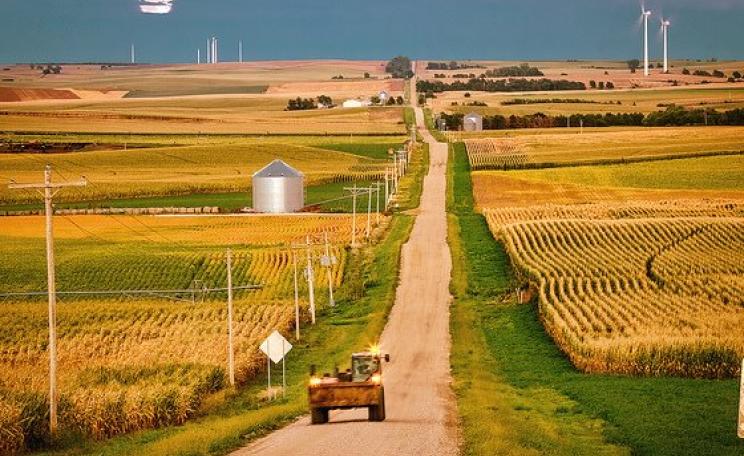
Republican Nebraska's energy is all publicly owned or cooperative, writes Thomas M. Hanna, and prices are among America's lowest, with great service standards and a strong commitment to renewables. Decentralised and locally accountable, this could be the model that replaces inefficient, unresponsive monopolies - both nationalised and corporate.
Countries at the UN have agreed to start formal negotiations on a new 'legally binding instrument' to conserve the biological riches of the high seas that cover 45% of planet Earth, and ensure their sustainable use for the benefit of all mankind.
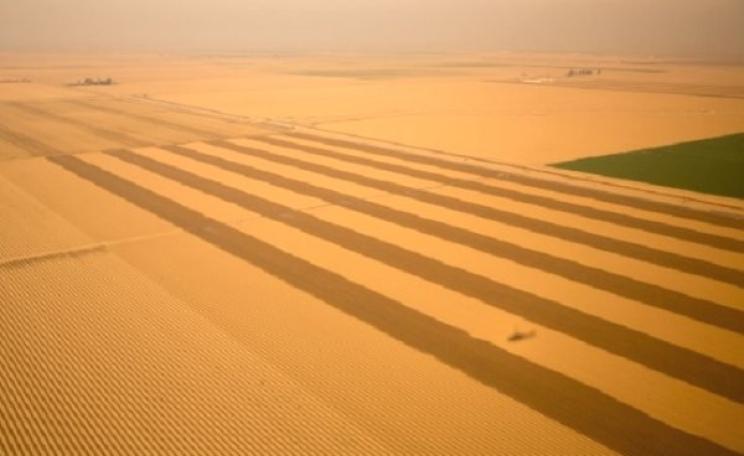
California's worst drought on record is far from over, writes Kieran Cooke. But while residents are getting used to dusty cars and parched lawns, the state's massive agricultural sector is still growing water-intensive crops like rice. How crazy is that?
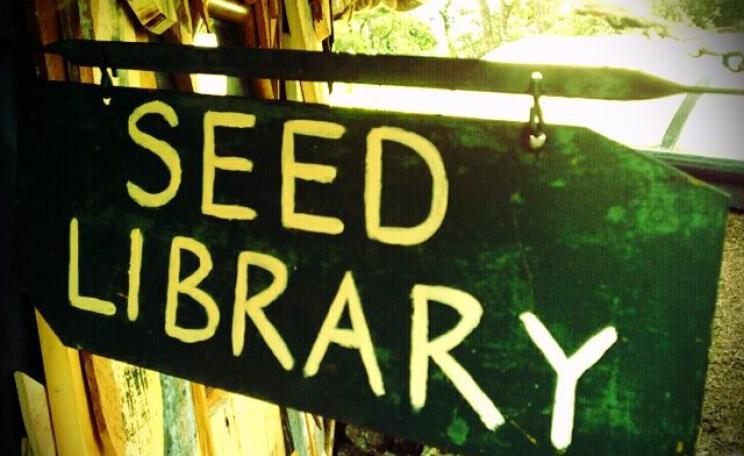
A year ago today, Europe-wide protests defeated an EU regulation that would have outlawed many seed saving activities, writes Ben Raskin. Now growers are taking matters into their own hands, saving and developing open-pollinated seeds - and campaigning for a seed regulation that supports them, not the monopolist seed corporations.
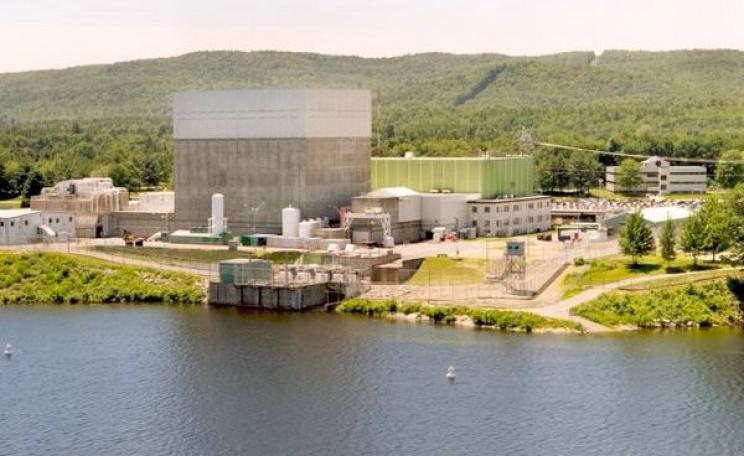
The global rebirth of nuclear power was meant to be well under way by now, writes Jim Green. But in fact, nuclear's share of world power generation is on a steady long term decline, and new reactors are getting ever harder to build, and finance. The only real growth area is decommissioning, but that too has a problem: where's the money to pay for it?
Natural England announced today that the wild beavers living on Devon's River Otter will be allowed to remain free under a 're-introduction' licence granted to Devon Wildlife Trust.
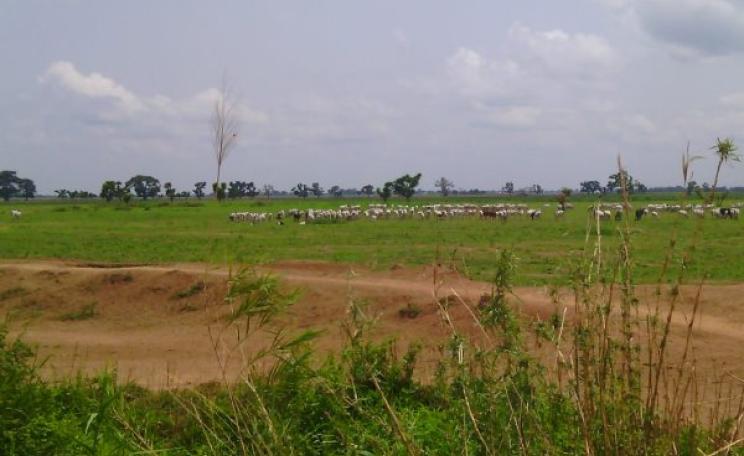
Development secretary Justine Greening is facing questions over UK involvement in a massive land-grab in Nigeria that is evicting local farmers from 300 square kilometres of fertile farmland to clear the way for a rice farm owned and controlled from the US and Canada. A 45,000-strong community faces landlessness and destitution.
India made no promises to cut its CO2 emissions from coal power stations, writes Nivedita Khandekar, and refused to reveal its ambitions for the Paris climate talks - but Obama promised US support for its plans to roll out 100GW of solar power.
Tate, the leading London art gallery owner, has revealed the price of the BP logos that plaster its exhibitions: under 0.5% of its income - but only after a court order forced it to do so.