The cattle grazing of the past used to mean depletion of natural resources and overgrazing land. A new grazing movement, however, involves carefully mapping overgrown areas that may aid in environmental restoration, argues EMILY FOLK
Energy independence can have huge benefits for countries - particularly the United States. Energy independence gives economic freedom and the opportunity to branch out further into the renewable energy sector. EMILY FOLK reports
Those living in tiny homes are seeking a simpler, more sustainable way of living. However, tiny homes can be expensive and not ideal for everyone. Due to the limitations, time will tell whether or not tiny homes are a fad, writes EMILY FOLK
Solar technology is not only changing the way we utilise energy, but some of the new innovations are also making us consider different methods to harvest solar energy. EMILY FOLK reports
Wanting to live a greener lifestyle includes going green at home. but can building a home be an environmentally-friendly option for people invested in building their dream home? EMILY FOLK investigates
Energy efficiency can be hugely impactful in reducing the effects of climate change, and the best place to start is with our buildings and with our transportation, argues EMILY FOLK
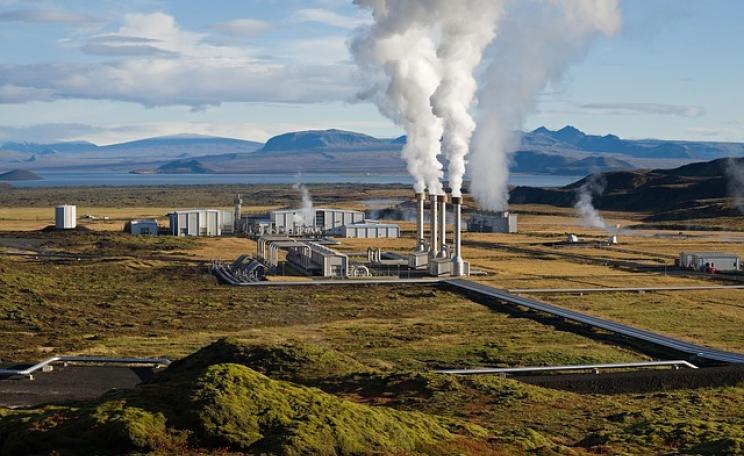
Developing the potential for renewable energy is essential to benefit both the planet and our health,. One renewable source with untapped potential is geothermal - but a cost-effective way to utilise the energy must still be found, writes EMILY FOLK.
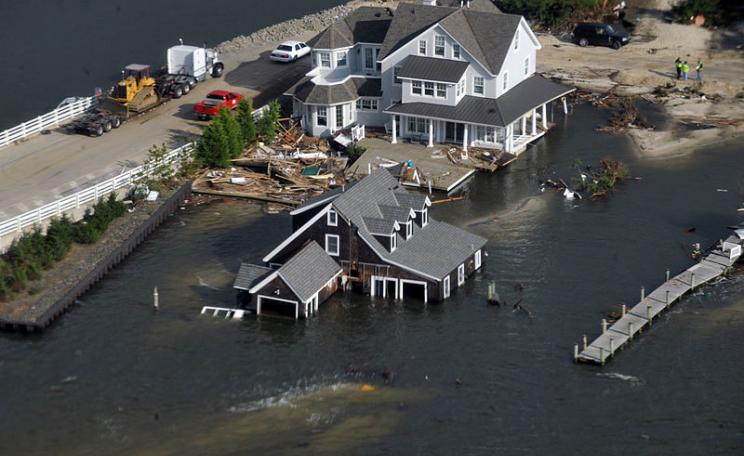
Implementing measures to reduce the effects of climate change may cost money, but the results of global warming can be far more costly, particularly the rise in natural disasters, writes EMILY FOLK
Industrial farming has resulted in serious concerns about welfare and safety. But technology is continually allowing for more automation and efficiency. One industry that could benefit greatly from new technology is agriculture, although it may be a difficult transition for farmers, writes EMILY FOLK
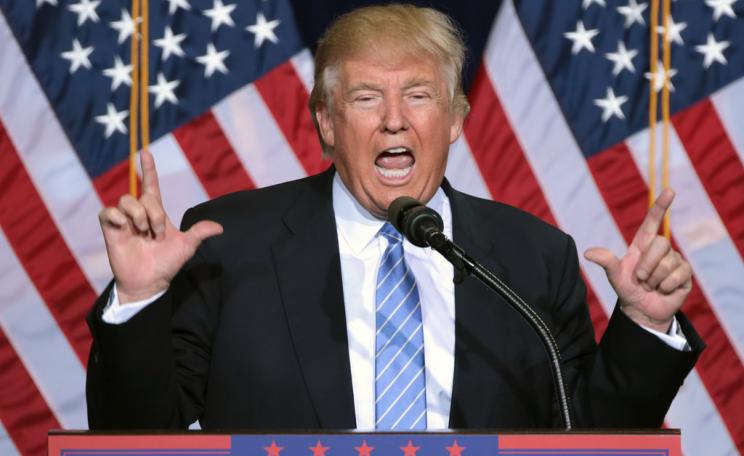
President Donald Trump has worked relentlessly to undo environmental and conservation policies from the Obama Administration. Trump will travel to the UK next month, with a mass demonstration planned to meet him. Environmentalists have plenty of reasons to attend. EMILY FOLK provides a run down
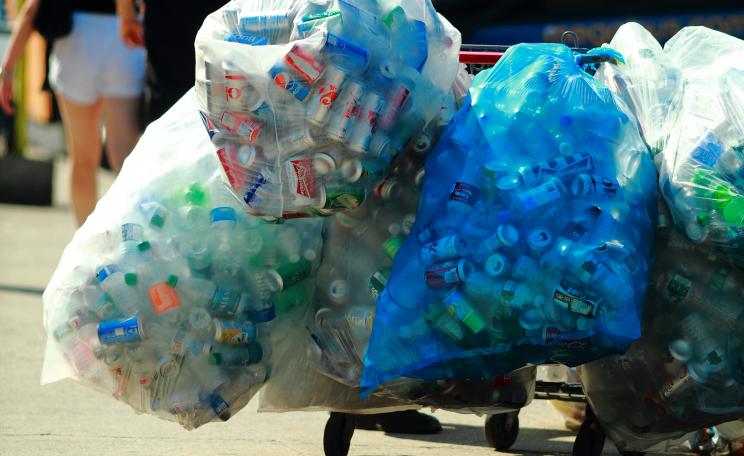
Plastic pollution is a serious issue that hurts our planet and costs the lives of millions of animals on land and at sea every year. It's our responsibility to put an end to the damage plastic is causing on our world, argues EMILY FOLK.
Climate change has dramatically affected sea level, and as a result, our shorelines. Creating more living shorelines could decrease the effects of climate change by helping underwater plants to thrive, writes EMILY FOLK.
Food scarcity is an issue that affects people around the world. Developing countries often struggle the most with food scarcity, but sustainable farming techniques could change their food system and lead to economic development and environmental protection. EMILY FOLK investigates
Aquaculture - a controversial topic due to concerns of the health and treatment of farmed fish - could become a sustainable food source and help preserve wild fish populations, writes EMILY FOLK
Sustainability is increasingly important for implementation in businesses. One of the industries that has been unsustainable since its inception is coffee. However, some major coffee producers have been working to make a more sustainable business model, and the question is: will these efforts be enough to reduce CO2 emissions and decrease waste? EMILY FOLK reports
Water covers the majority of the Earth's surface and is essential to the survival of all life on this planet. However, the next crisis that humanity might face is drought, unless we can increase water security, says EMILY FOLK
Governments have a far-reaching influence over both their countries and the world as a whole. They can have a hand in supporting the needs of their citizens, and one of those needs in this time is climate change, argues EMILY FOLK
Millennials are criticised for being selfish and entitled, but many are leading the way with the current eco-friendly trends. From owning tiny houses to eco-friendly tourism, millennials are proving to be an environmentally-conscious generation, writes EMILY FOLK
Businesses need to comply with an increasing number of environmental compliance rules with a move toward sustainability across the world. These companies may want to consider hiring environmental consulting firms in order to follow these rules, as well as determine and implement their own environmental initiatives, writes EMILY FOLK.
Australia recently opened one of its largest marine reserves in the hopes that increased fishing will stimulate the economy. However, human contact with this previously untouched reserve could greatly affect the health of the ecosystem and species in it, argues EMILY FOLK
Humans have been growing exponentially in population, taking up space that would otherwise have been inhabited by wildlife. The amount of land untouched by humans has decreased. EO Wilson proposed a concept where half of the earth is set aside as a nature reserve. This could be the answer to many problems, argues EMILY FOLK
Business leaders have taken some initiatives to reduce the impact they have on the natural environment. Here, EMILY FOLK examines how a company can make a difference in the office - and beyond.
Renewable energy at home - such as solar panels on the roof - can help save energy costs but also reduce a little our impact on the environment in terms of climate change. With such a win-win solution, why are we not all making the switch, asks EMILY FOLK