Renewable energy may play a huge part in helping to achieve the ambitions of the Paris Agreement, now in force and under discussion at COP22 climate talks in Marrakesh, writes Steffen Böhm. But it can never be the whole story, and nor does it relieve the need for deeper changes in how the world works.
Hidden away in the pages of UN-speak that make up the Paris Agreement are the makings of global carbon market in which a host of exotic emissions derivatives can be freely traded, writes Steffen Böhm. And it's all going to be a huge and expensive distraction from the real and urgent task of cutting emissions.
The most significant feature of COP21 is the topics that never even made it onto the agenda for discussion, writes Steffen Böhm. And the biggest of all the growth-driven economic system that ultimately thwarts all efforts at sustainability, as it drives ever increasing consumption of energy and resources.
The rise of corporate eco-activism makes a refreshing change from the usual 'campaigners versus corporation' dynamic, write Steffen Böhm & Annika Skoglund. And for companies that embark on this path - like Lush, Ecotricity and Interface - it can work out well for them and the environment. But heed the disastrous consequences for those, like BP, who said one thing, and did another.
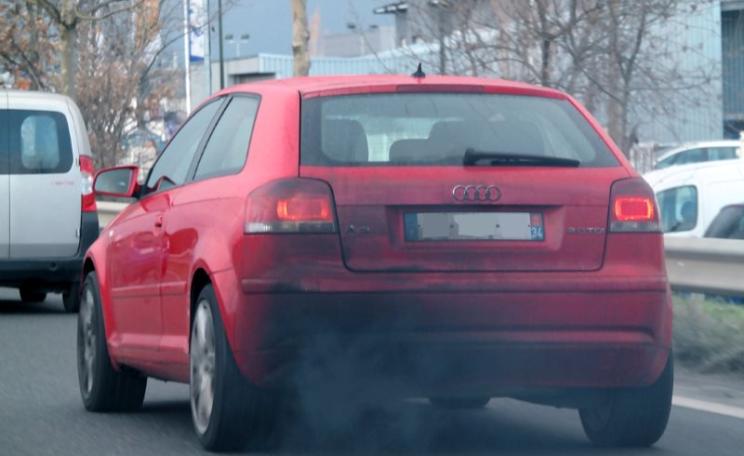
With all diesel cars failing EU clean air standards in real world driving, and the worst 22 times over the limit, there's only one real solution, write Steffen Böhm & Ian Colbeck: adopt sustainable transport strategies to keep cars off our streets and break our dependence on them.
Just when the UK's government might want to be boosting its green credentials it has chosen to do the precise opposite, writes Steffen Böhm: giving tax breaks and subsidies to oil and gas, while attacking renewables and energy efficiency. We must unite to oppose these destructive and short-sighted policies
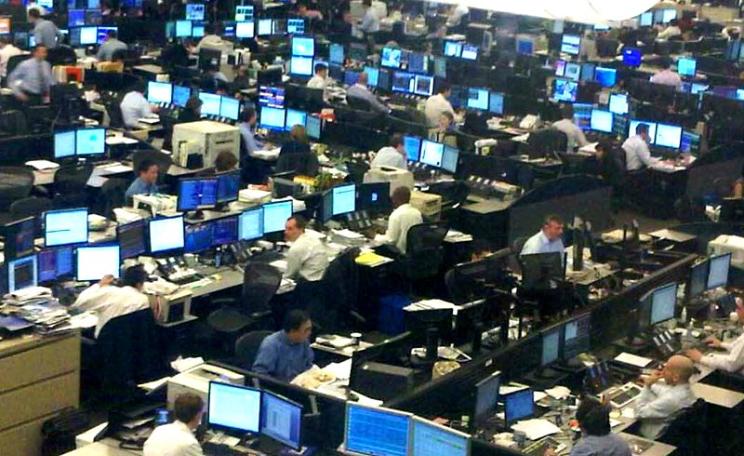
Carbon trading has a remarkable record of failure: rewarding polluters while causing no discernible reduction in global emissions. If the COP21 UN climate negotiations in Paris are to achieve anything of value, first they must ditch the false solution of carbon markets. And thanks to Pope Francis, the idea is firmly on the agenda.
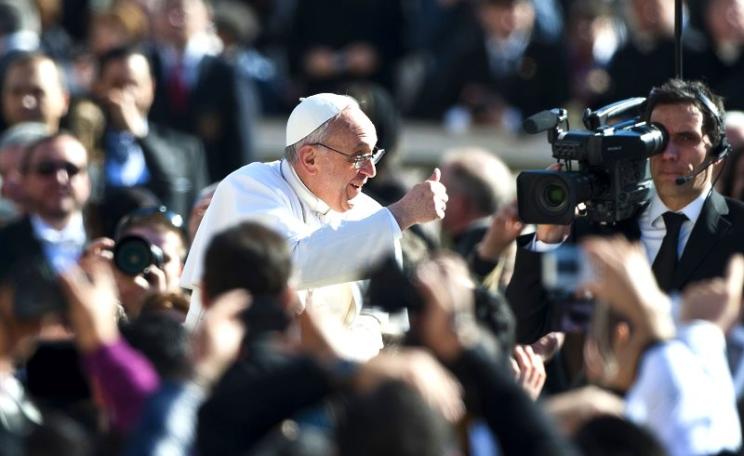
The Encyclical published today by Pope Francis represents a profound religious and philosophical challenge to the mainstream narratives of our times, writes Steffen Böhm, and a major confrontation with the great corporate, economic and political powers, as it spells out the potential of a new world order rooted in love, compassion, and care for the natural world.
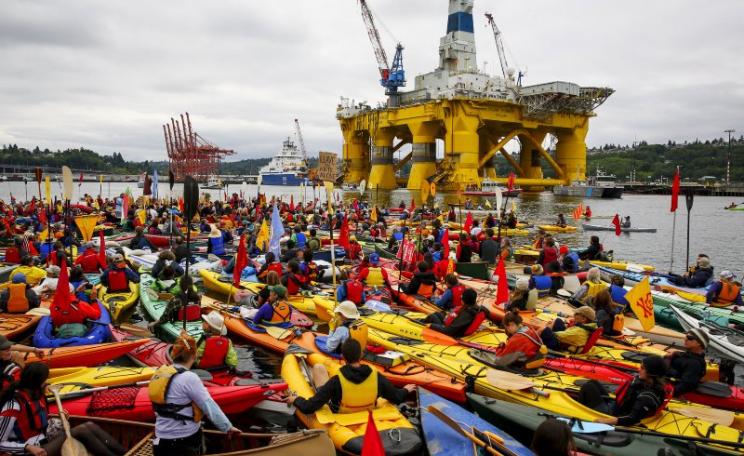
Shell's senior management are treading an impossible path, writes Steffen Böhm. On the one hand they accept that climate change is real and serious, and that many of their fossil fuel assets may prove unburnable. On the other, they insist that business as usual will continue for decades to come. It's high time they smelt the coffee!
It may all be over for England, but for Brazil, the battle is only just beginning. Anger over the vast cost of the World Cup - well over $10 billion - and its huge social impacts, is spilling over into a wider fury at massive mega-projects than enrich elites, trash the environment, and leave the poor poorer.
On the final day of the trial of Caroline Lucas and other anti-fracking protestors, we ask - what about human rights? Entirely neglected by the government in its desperate drive to frack, they ought to trump all other policy considerations.