The carbon market has certainly seen its fair share of skullduggery, writes Chris Lang, with massive frauds perpetrated on an unsuspecting public. This new thriller captures the essence of the wheeler-dealer carbon business to produce a compulsive work of fiction that is, sadly, all too believable.
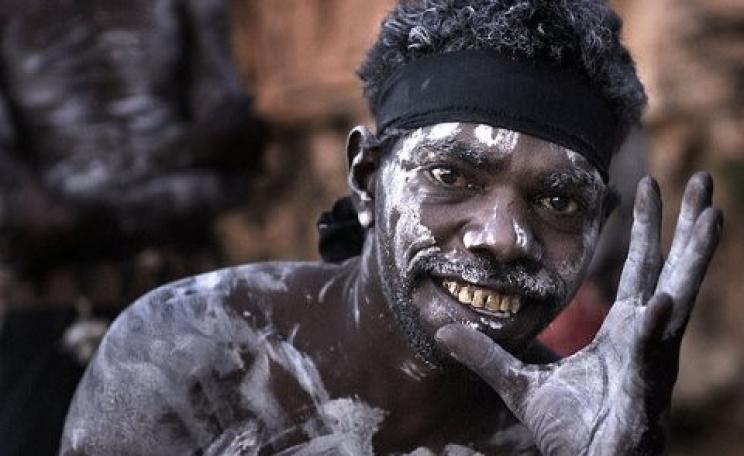
Australia must acknowledge the horrors lurking in its own history, writes Fiona Broom, and admit to its continuing Aboriginal genocide. It's made harder by the deliberate ignorance of Australia's mainstream culture, politics and media. But with John Pilger's outstanding film, 'Utopia', the excuses are fast running out.
Sarawak's lucrative logging industry has given rise to dynasties of enormous wealth and political power, writes Chris Lang, as revealed in this courageous investigation by Lukas Straumann. And the kingpin is multi-billionaire Abdul Taib Mahmud, Chief Minister of Sarawak for 33 years, whose whose property empire spans the globe.
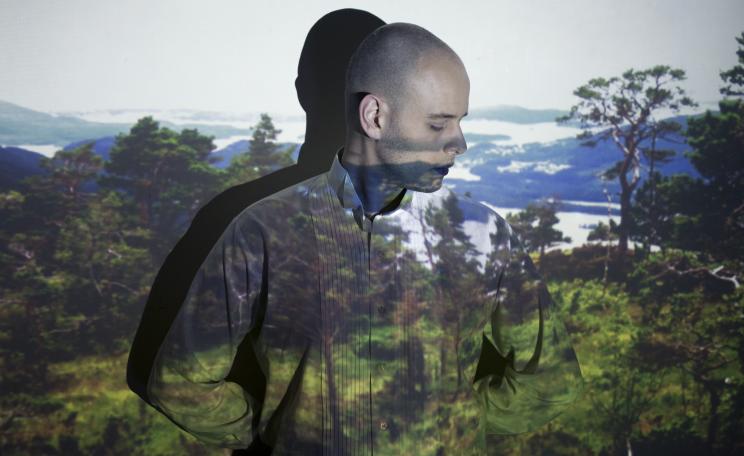
Traditional melodies collected from Nordic countries and filtered through MaJiKer's unique sonic imagination are raising awareness, and funds, for nature conservation. He spoke to Laurence Rose about a four-year labour of love inspired by nature and the sounds of the high North.
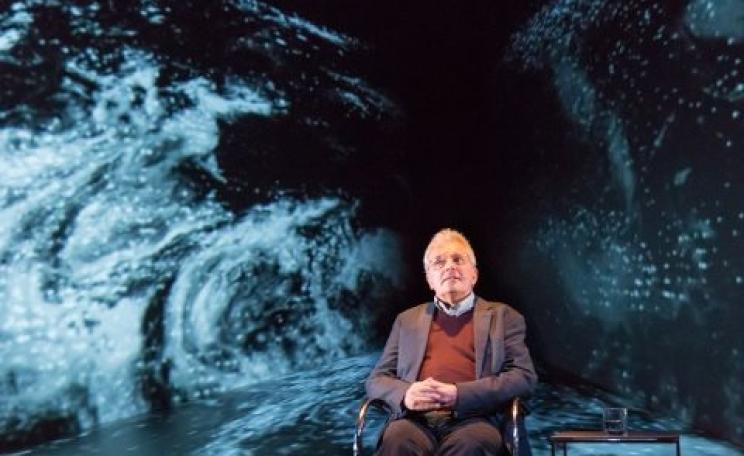
A spellbinding solo performance by veteran climate scientist Chris Rapley at London's Royal Court puts the climate debate centre stage, writes Tim Radford - and earns the admiration of hard-to-please theatre critics.
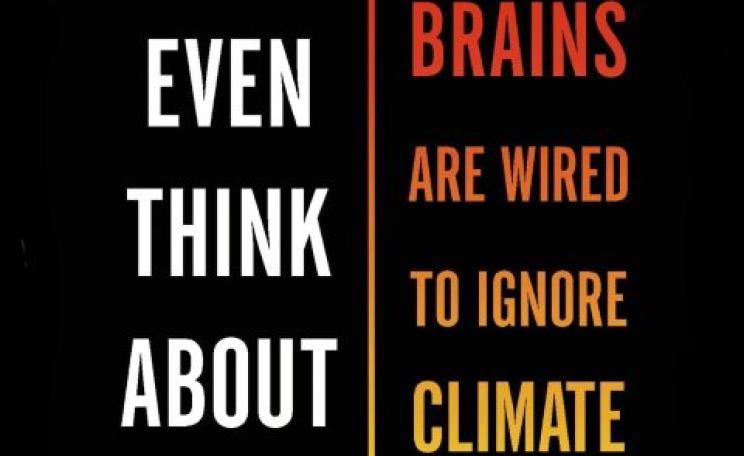
Death threats, abuse and torrents of online hatred show how climate change scientists are demonised, writes Tim Radford, in a way without parallel in the history of science. It's all set out in a new book that explores both climate change denialism, and our inaction despite overwhelming evidence: 'Don't Even Think About It'.
The West African iboga root is a mind-transforming psychedelic, writes Michael Goldin, capable of cleansing people of even the most serious addictions. Those seeing this film will surely emerge convinced that iboga should be made available, in therapeutic settings, to those seeking to overcome the terrible disease that is drug addiction.
Keith Barnham's new book reveals the giddying and glorious plethora of the solar technologies that lie at the heart of the all-renewable energy system that awaits us, writes Jonathan Porritt - making it 'one of the most exciting and genuinely hopeful books' that I've read in a long time'.
Science is to corporate science as Hyperion to a satyr, writes Ralph Nader. And there is no better example of this than Monsanto's realm of GMOs, biocides, super-aggressive lawyers and tame regulators - brilliantly exposed in this new book of essays, edited by Sheldon Krimsky and Jeremy Gruber.
Naomi Klein finds kernels of hope amid the closely linked perils of climate change and untamed capitalism, writes Mike Berners-Lee. Ultimately it's down to us, the people, to come together and force the changes we need - but Klein's new book provides some valuable and timely inspiration.
Three thousand light years is a long way from Earth - but Vali Ohm have made the journey in quick time. It's the distance between their latest album, Fragile Earth, and their previous space-rock album 3000 Light Years, a homage to the sounds of the 1970s. Vali Ohm's Danny Jackson charted the journey with Laurence Rose.
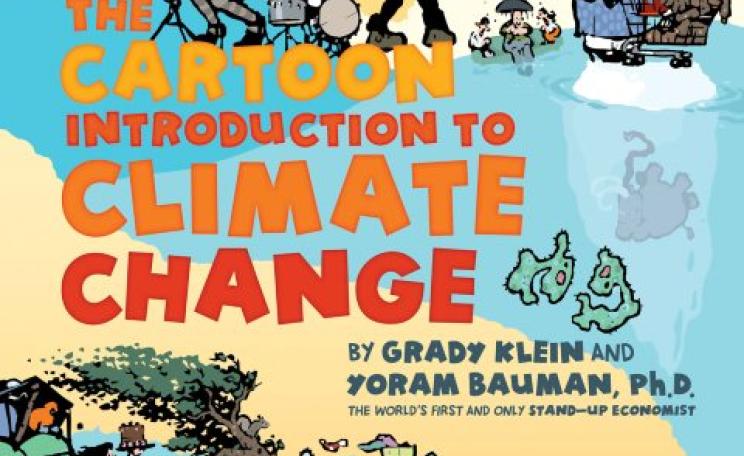
A new book on climate change brings a refreshing, visual, gag-filled view of a complex topic, writes Edgar Vaid - while including some surprisingly advanced science. The relentless jokiness may be a bit much for adult readers, but will be a hit with the young ones. And that is, after all, what it's all about.
This intriguing new book is a bold attempt to strike a new direction for ecological art, writes Martin Spray - not to communicate environmental issues, but to create new connections with the world around us and imbue our lives with 'artfulness'.
Every now and then I am sent a book to review that is an absolute pleasure to read from cover to cover, writes Virginia Moffatt. This marvellous collection of interviews and essays by world-changing women activists is precisely one such book.
An invisible cloud of man-made chemical toxins is sweeping the globe, writes Tony McMichael - disrupting ecosystems, damaging human health and shortening our lives. Our response so far has been utterly inadequate, as Julian Cribb reveals in his new book. But there are solutions - and it's up to us to get them implemented.
To live sustainably we must learn to live with wildlife, Patrick Barkham argues in his book Badgerlands. To do this we have much to learn from our ancestors - but we must also discard their barbaric practices and outrageous myths that, even today, some are so keen to perpetuate.
In Ken Silverstein's 'The Secret World of Oil', Louis Proyect investigates the uber-wealthy middlemen of oil, inhabiting a pampered universe of moral squalor and depravity - one in which Tony Blair found himself completely at home.
There is much merit in the cliché that 'a picture is worth a thousand words', writes Edgar Vaid, but 'Our Beautiful, Fragile World' suggests that great photography complemented by explanatory text is worth even more ...
The cash-strapped Cumbrian Museum is rebranded to tell 'The Sellafield Story'. The UK's favourite scientist Brian Cox and Government Minister Baroness Verma provide razzmatazz along with the Happy Robot. Lollypops anyone?
A new and deceptively sophisticated installation is about artists, audience and nature itself connecting in real time, writes Laurence Rose, who visited a Living Symphony in Thetford Forest.
The New Sylva is a worthy successor to John Evelyn's original of 1644, writes Colin Tudge, with superb line drawings and a text that looks more to the future of Britain's trees, than their past. A book for ladies, gentlemen, 'meer woodsmen' and 'ordinary rusticks' alike.
The Swedish island of Runmarö provided Fredrik Sjöberg with a collector's paradise of hoverflies, and the perfect setting for his passionate search through forests, ponds and swamps in the flies' pursuit. Camilla Huxley-Lambrick dissects The Fly Trap ...
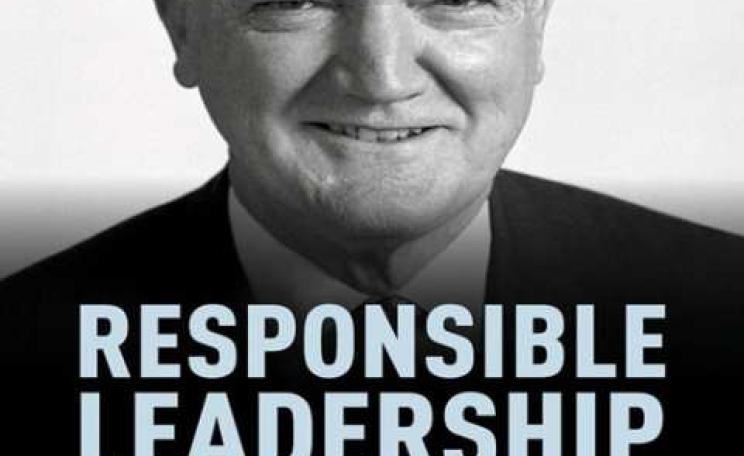
Former Shell oil boss Mark Moody Stuart's ableptic, self-satisfied book on 'responsible leadership' left Danny Chivers seething. The sooner we stop caring about the opinions of the Moody-Stuarts of this world, he concludes, the sooner we're likely to improve it.
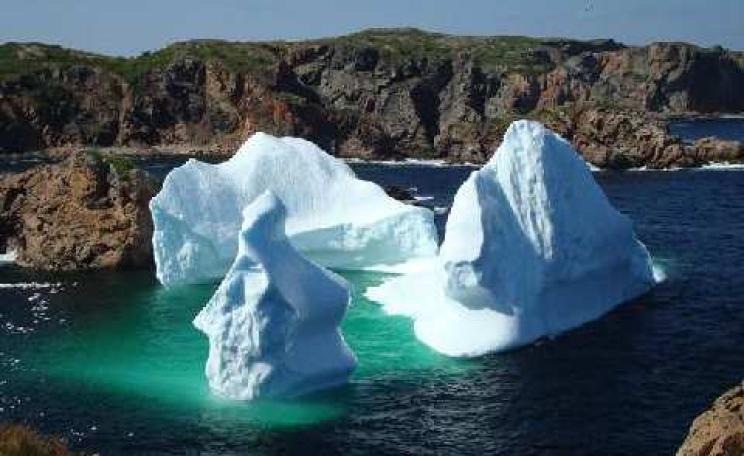
This chronicle of over two centuries of melting Alpine and polar ice, seen through the works of contemporary artists, is at its best both powerful and provocative, writes Martin Spray. But he wonders - is art really such an effective force for environmental protection?