Agriculture is big business and with the EU pumping money at the sector, the corporate profiteers are holding all the aces, writes Chris Lang. The documentary ‘Land Grabbing’ investigates what happens when well-financed agro-investors take over rural communities' land and water.
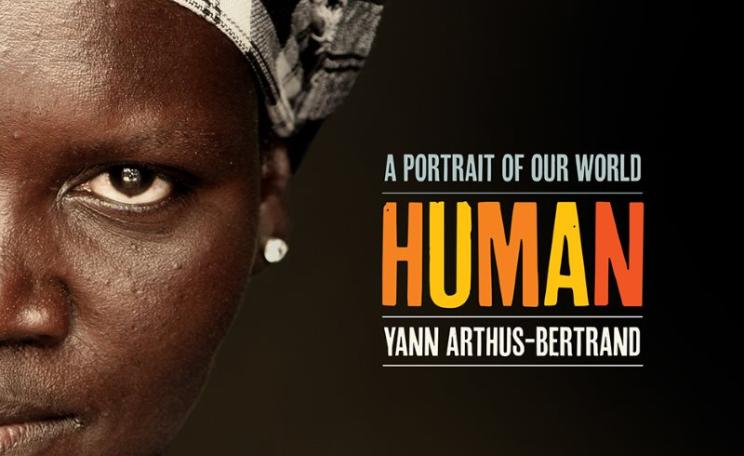
Yann Arthus-Bertrand's latest book, 'Human', revisits the territory of 'Earth from Above', but with a harder edge, writes Martin Spray. Yes, the photographs are lovely, even inspirational, but often mix uneasily with the testimonies of suffering and desperate demands for change they illustrate.
How can Green parties acquire real political power? A new book by Per Gahrton, founder of the Swedish Green Party, is much more than a useful reference text on the history of Green Parties around the world, write Bennet Francis and Rupert Read. It's also a valuable manual in realpolitik that resonates here and now in the UK.
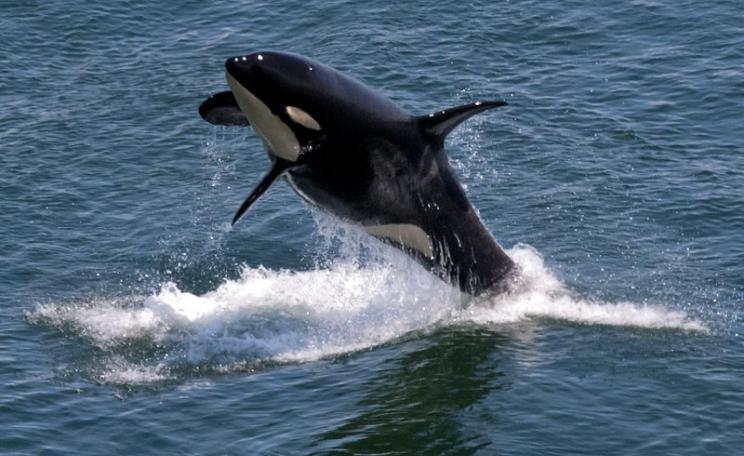
The Southern Resident Orcas of Puget Sound have plenty of problems, writes Kathleen Haase. But as the film 'Fragile Waters' makes clear, there's a common thread: us. Whether it's over-fishing Chinook salmon or polluting the ocean with toxic chemicals, we are driving them to extinction - and if we don't soon mend our ways, it will be too late.
The massacre of elephants for Asian ivory trade is driving the iconic African giant to extinction, writes Lewis Evans. But the 'military response' is both brutal and ineffective, all the more so as it excludes and alienates the indigenous communities who are the best defenders of nature and wildlife. The simplistic message of 'Last Days of Ivory' is both damaging and dangerous.
Economics is much more than the study of money, writes Paul Mobbs. It is a belief system, and in its 'mainstream' incarnation, one that serves a very useful purpose - for those that reap the benefits. But as Brian Davey shows in his insightful new book, it's letting the rest of us down: failing to deliver human wellbeing, while driving ecological calamity.
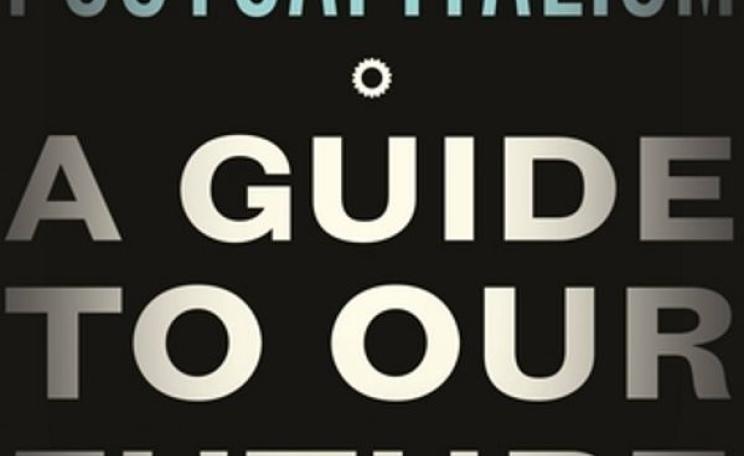
Will we ever be able to say goodbye to capitalism? In his new book Paul Mason argues that its demise is inevitable, writes Caroline Lucas: neoliberalism contains the seeds of its own destruction, and it's up to ordinary people to replace it with a green, sustainable and cooperative society. So let's do it!
It's tough being a filmmaker on the front line of environmental defense, writes David Lavallee - challenging corporate control of the Earth's resources, not to mention governments and security services, all of them intent on extracting every last drop of oil and gas from the world's most pristine places. All the more so when holding a camera makes you an instant 'eco-terrorist'.
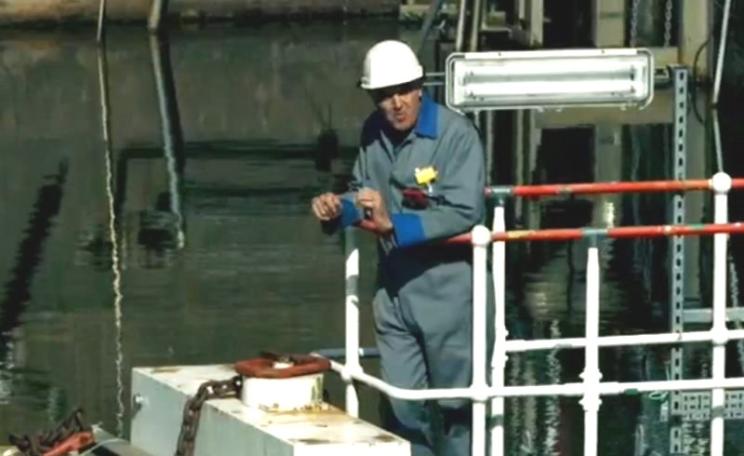
Professor 'Jim' Al'Khalili's 'Inside Sellafield' programme was a tour de force of pro-nuclear propaganda, writes David Lowry - understating the severity of accidents, concealing the role of the UK's nuclear power stations in breeding military plutonium, and giving false reassurance over the unsolved problems of high level nuclear waste.
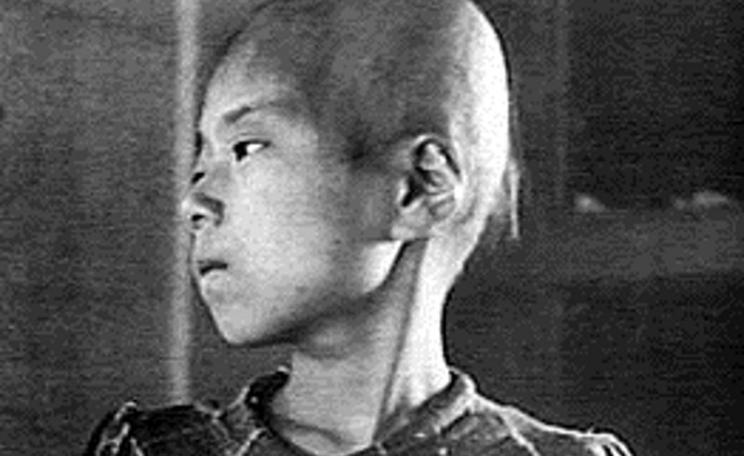
This day in 1945, the explosion of a nuclear bomb over Hiroshima, Japan, changed the world forever, writes Daniel Cordle. A remarkable article in the New Yorker by John Hersey has shaped the way the world perceives the event, and nuclear weapons generally, by illuminating the humanity of its victims in clear, simple prose.
All too often language is used to objectify nature, writes Caspar Henderson. But there's another, older vocabulary - introduced in this 'counter-desecration phrasebook' - that achieves the reverse: connecting us with the wonders of life and arousing delight in the natural world.
In her new book The Vandana Shiva Reader, the celebrated campaigner and scientist deplores the way in which the Green Revolution forced India's poorest farmers off their land, writes Colin Tudge. Now she fears even worse outcomes in Africa where a GMO-fuelled farming revolution is under way.
In his new book environmental journalist Michael McCarthy bears witness to the astonishing decline in the once common wildlife of our countryside of the last few decades. But as Chris Rose writes, he does far more than bemoan the losses as he shares with us the joy that he still discovers in nature.
Gaia Vince's remarkable book is far more than a litany of the problems of global warming and mass extinction, writes Robert Hunziker. It's also an inspiring account of how people can respond to such crises in wonderful, imaginative, creative ways, achieving seemingly impossible tasks from seeding glaciers in the Himalayas, to holding back the desert with dew.
100 years ago a new political movement swept across Europe, as a vision of agrarian democracy gripped a newly emancipated peasantry, writes Simon Fairlie. Betrayed by dogmatic socialists and crushed under the Nazi boot, it failed to leave a lasting mark on history. But could its time be coming once again?
Julian Rose's diverse collection of essays is engaging, enlightening and life affirming, writes Philip Lymbery - conveying an organic farmer's revulsion at the increasing horrors of industrial agriculture, while setting out his vision of the green and sustainable future he is working to bring about.
Is it 'morally reprehensible' to arbitrarily decapitate roadside flowers? Yes it is, writes Martin Spray - at least in Switzerland. And now we know that plants have both senses and physiology, why not awareness and emotions too? Even legal standing to have their rights defended in court - at least if they are trees?
Ever since its creation in 1970 the US-EPA has been a failing organization, writes Carol Van Strum in her review of 'Poison Spring' - serving the corporations it was there to regulate, falsifying data, suppressing the truth about pesticide toxicity, and crushing whistleblowers.
The history of genetically modified food has been one of systematic deception and fraud by corporations, scientists, media and regulators, Steven Druker writes in his remarkable new book. Jane Goodall finds the story by turn fascinating, chilling, distressing and ultimately, hope-inspiring.
Piketty's 'Capital in the 21st Century' has taken the intellectual world by storm, writes Rupert Read. His analysis of wealth inequality is timely and powerful, but there's one crucial thing he hasn't 'got': that growth must run up against ecological limits - indeed it already has.
Naomi Klein's magnum opus on climate change, capitalism and the growing resistance to extreme energy is positive, inspiring and full of hope, writes Jonathon Porritt. But it's also deeply challenging: the 'everything' that has to change is not just government and corporations, but you, me and the ideas that guide our lives.
America's shale gas boom threatens families, pets, and food, writes Allison Wilson. Fresh from her reading of 'The Real Costs of Fracking', she finds a host of adverse health impacts on those living near fracking sites, the toxic pollution of the food chain, and a wall of corporate and official secrecy.
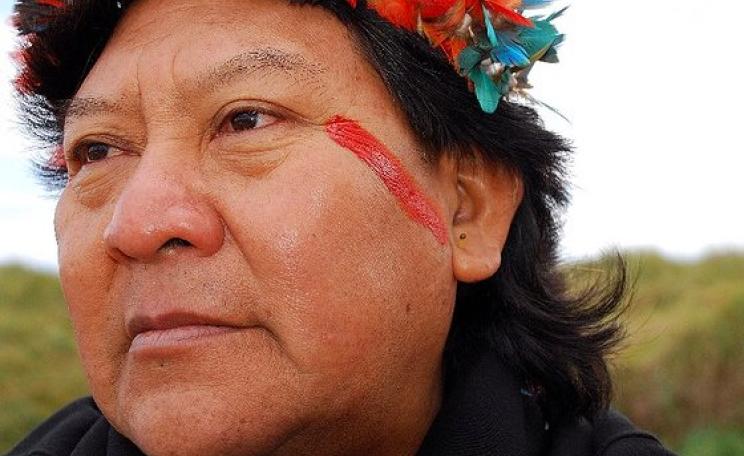
This powerful book by Davi Kopenawa and Bruce Albert reveals to us the world view of the Yanomami shaman, writes Sue Branford - together with many uncomfortable insights about the horrors of mainstream modern society, seen from an indigenous viewpoint as a form of organized madness that's driving the world to destruction.
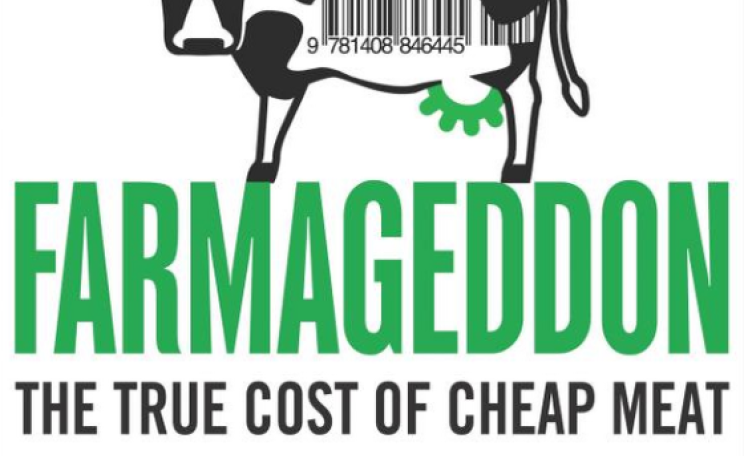
So just how serious is the impact of industrial farming? Worse than you could ever imagine, writes organic farmer Julian Rose in this review of 'Farmageddon - the Real Price of Cheap Food', which lifts the lid on the industry's human and ecological devastation, and the systematic cruelty inflicted on the animals that feed us.