A decision to allow the destruction of an ancient woodland suggests the UK’s environmental policies are crumbling at the first hint of oil, says Sarah Lewis
Britain lingers near to the bottom of the European league table for renewable energy, so why does it seem that the government are willing to add more coal nails to the coffin?
Britain lingers near to the bottom of the European league table for renewable energy, so why does it seem that the government are willing to add more coal nails to the coffin?
As the urgent necessity of our transition away from fossil fuels becomes plain, it’s inevitable that some of us will take that necessity seriously enough to explore the edges of ‘normal’ behaviour.
The question arises soon after readers or lecture audiences first become acquainted with global oil depletion and climate change. I must be asked it at least once a week.
Well, now we have it; nuclear power is once again going to save the day. In the past it helped save us from coal, now it is going to save us, if the rest of the world follows our example, from global warming.
Well, now we have it; nuclear power is once again going to save the day. In the past it helped save us from coal, now it is going to save us, if the rest of the world follows our example, from global warming.
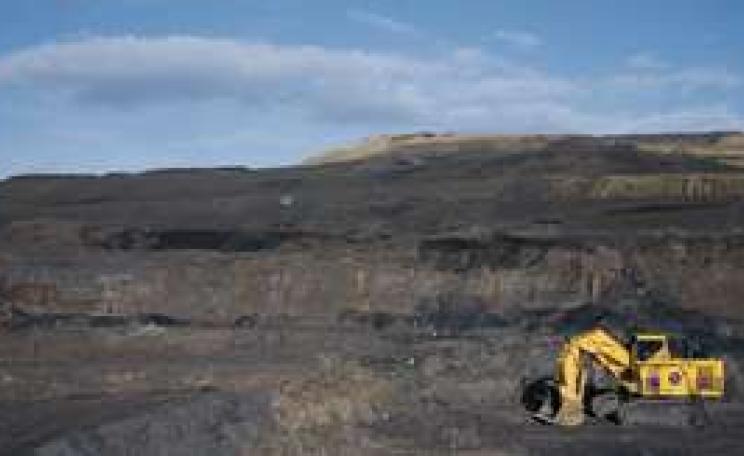
The coal industry of last century is the prime reason Merthyr Tydfil has the worst health in the UK. Now, with more coal and cash to carve from one of Europe’s largest opencast mines, developers and the local authority are back to finish the job. Words and photographs by Amy Scaife
The coal industry of last century is the prime reason Merthyr Tydfil has the worst health in the UK. Now, with more coal and cash to carve from one of Europe’s largest opencast mines, developers and the local authority are back to finish the job. Words and photographs by Amy Scaife
It’s fair to say that we have our share of robust discussions in this office. Opinions get aired, fingers get pointed, occasionally voices get raised. It’s all in a good cause. Setting the world to rights isn’t always a civilised tea party.