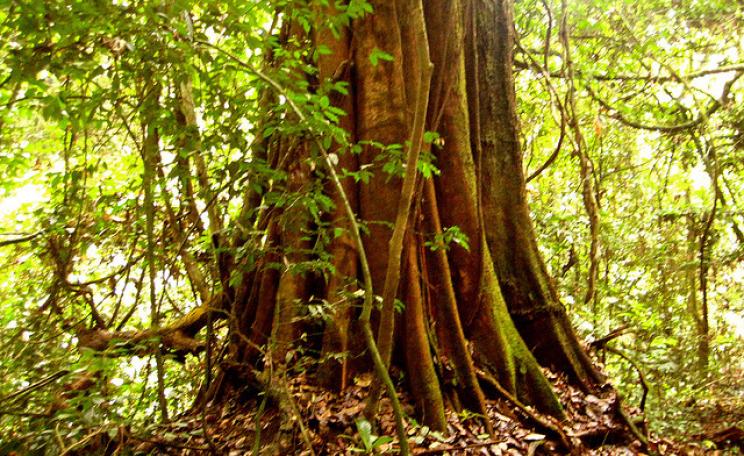
Scientists have found that the world's second greatest rainforest, the Congo, is losing its green, writes Tim Radford. As temperatures rise and rainfall reduces, the forest canopy is taking on a browner hue, and this could be an early signal of worse damage to come.
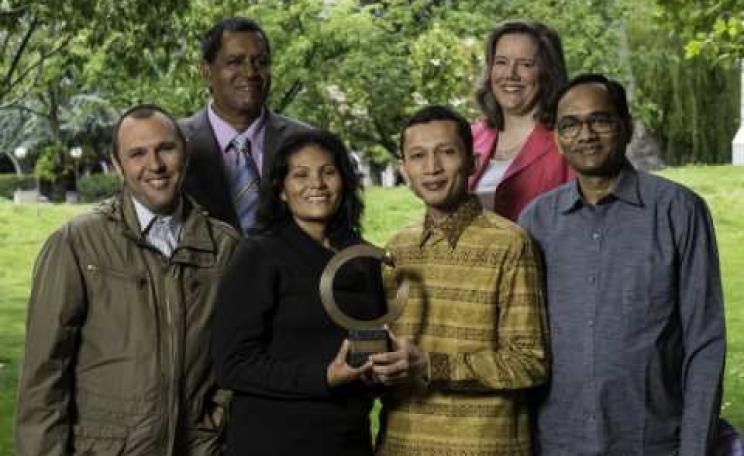
Six environment heroes, one from each continent, are honoured for their work today - fighting threats from giant coal mines to forest destruction, fracking, high dams, illegal development and toxic waste dumps. Sophie Morlin-Yron reports.
Ethiopia leads the way in preserving crop seeds by engaging farming communities in the effort, and making the exchange of seeds part of village life and culture, reports Claire Provost. But now it's all at risk from a G8 plan to open Africa to corporate agriculture.
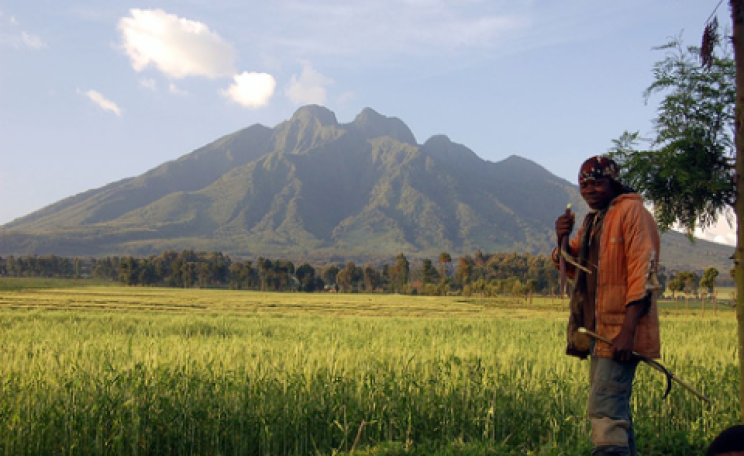
Following the shooting of Virunga's chief warden last week, WWF is calling on UK oil company Soco International PLC to pull out of the Park and respond to allegations made in a new documentary premiering at the Tribeca Film Festival.
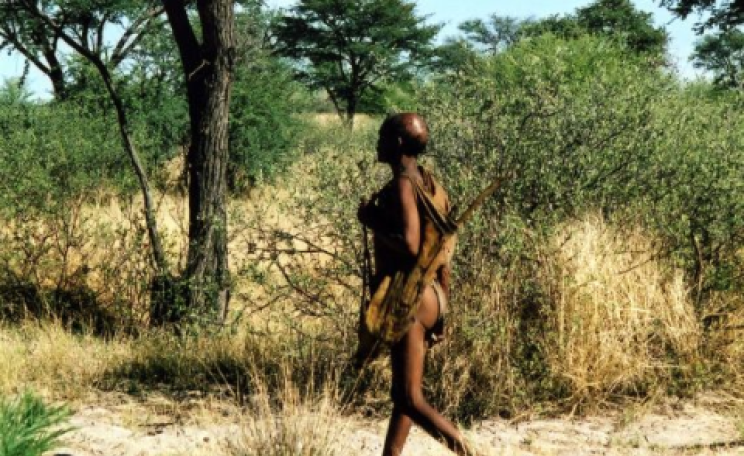
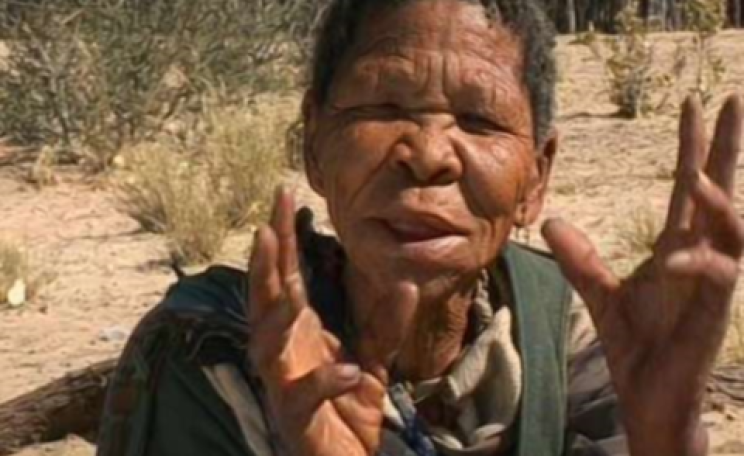
A Bushman from the Central Kalahari travelled 5,000 miles from his home in Botswana today to tell the Prince of Wales, ‘We're not poachers - we hunt to survive. Persuade Botswana to change its policies, or the Bushmen will soon be finished.'
A 'slow genocide' is unfolding in Ethiopia - one driven by greed rather than hatred. With Chinese and World Bank finance, massive dams and plantations are robbing the Omo Valley's 500,000 indigenous people of their land and water. The UK 'sees no evil'.
If rhinos are driven to extinction in the wild, Africa's landscapes and ecosystems would be very different, reports Rachel Nuwer. The activities of this mega-herbivore diversify plant life and create prime grazing spots for other animals.
£600 million of UK aid money is going to help companies like Unilever and Monsanto take over African land and agriculture, writes Miriam Ross. The corporate power-grab will be disastrous for the small-scale farmers who feed at least 70% of Africa's people.
Botswana's President Khama has banned all hunting - even for Bushmen who hunt to feed their families, who now face acute hunger. But an exception is being made for trophy hunters paying up to $8,000 to hunt giraffes and zebras.
Nigeria is suffering political instability resulting from desertification and pollution, writes Senator Bukola Saraki. As Africa's most populous country it has no choice but to engage in the fight against climate change, its causes, and its consequences.
As England chokes in Level 10 smog, Rob MacKenzie says we shouldn't worry too much about headline-grabbing sand from the Sahara. Far more insidious and damaging to health are the fumes from our own cars and lorries.
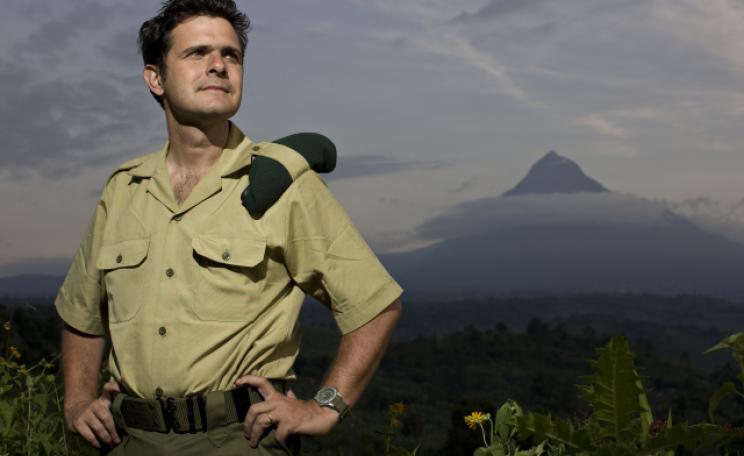
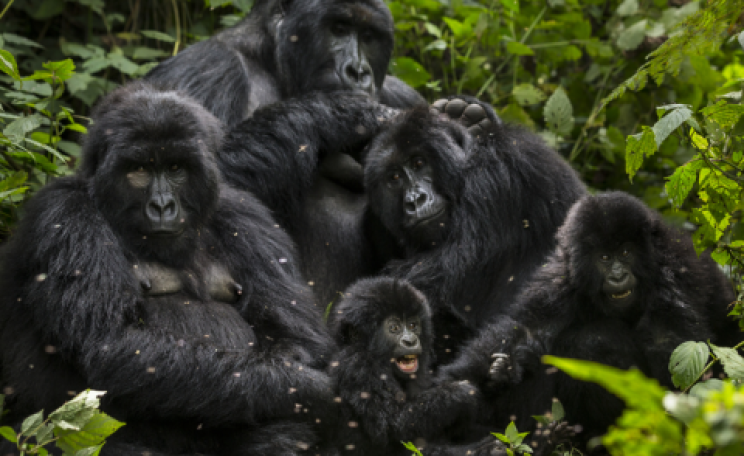
Ian Redmond, 'ape man', talked to Sarah Stirk about his joy in the natural world, and especially his passion for Mountain gorillas - the only ape (other than humans) whose population is rising.
A farming revolution is under way in Africa, pushed by giant corporations and the UK's aid budget. It will surely be good for the global economy, writes Sophie Morlin-Yron, but will Africa's small farmers see the benefit?
The UK Government is to examine the activities of London-based oil company Soco over alleged violations of environmental protections and human rights abuses in Africa's first National Park, home to 200 Mountain gorillas.
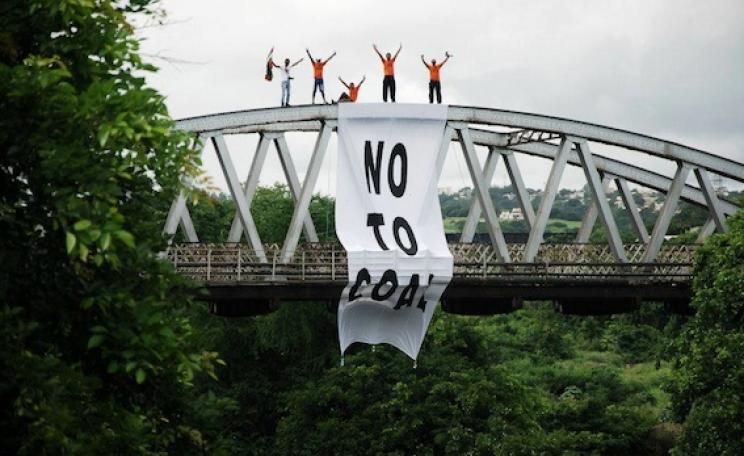
A $395 million coal fired power station is planned for Mauritius - bulldozed aver the wishes of the population, official advice and the environment ministry. But as Zaheer Allam reports, there's still everything to fight for.
The anti-poaching conference in London today was disrupted by protests at the Botswana delegation - who call the indigenous Bushmen of the Kalahari 'poachers' and are forcing them into death camps.
The US Congress has outlawed the use of aid to Ethiopia to evict tribal peoples in the SW of the country - where violent expulsions are under way to clear land for cash-crop farming.
Ecocide is a global problem, writes Bukola Saraki, and laws are desperately needed to hold companies to account for the damage they cause. Nigeria - long despoiled with impunity by the oil industry - is just the place to start.
Congolese Police have cracked down on peaceful, legal protests to keep a UK oil company out of Virunga National Park, important for its 200 mountain gorillas.
Protestors will gather on Saturday at the Chinese Embassy in London to call for an end to the global ivory trade, writes Dominic Dyer. But it's not just China - the UK must also pay its part to save Africa's elephants.
In a landmark decision, the Hong Kong Endangered Species Advisory Committee has voted to destroy almost the entire ivory stockpile, 28 of its estimated 33 tons.
For 600 million rural people across Africa, the food they grow is the food they eat. A new plant breeding academy in Kenya is using advanced genomic technologies to produce more robust and nutritious crops, writes Howard-Yana Shapiro.
An attack on a Park Ranger patrol in Congo's Virunga National Park has left 4 dead and 2 injured. The perpetrators? Rwandan militias linked to the 1994 genocide.
Carved ivory elephants may already outnumber living elephants, which are being slaughtered at the unsustainable rate of 35,000 per year. Richard Schiffman reports from the Central African Republic.