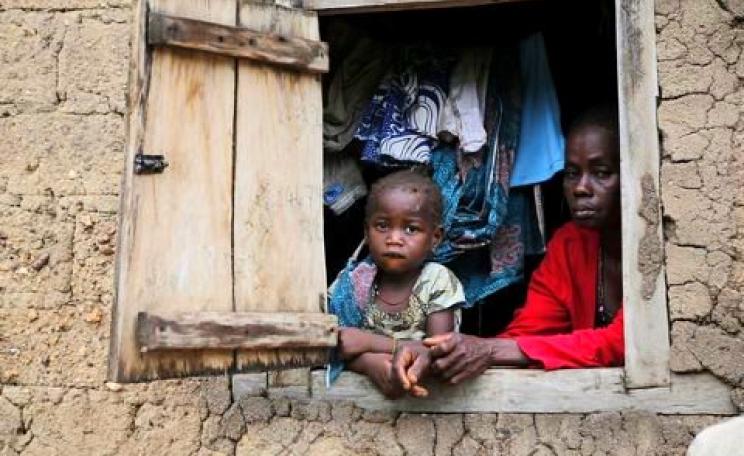
The medical response to the Ebola outbreak in West Africa has been monstrously inadequate, writes Richard Kock. But so has been recognition of the underlying causes - in particular the explosive spread of industrial oil palm, which disrupts the ecology of forests and farms, and undermines local economy and traditional governance, leading to a 'perfect storm' of disease.
The human family must come together now to stop Ebola in West Africa or risk a global pandemic that could potentially kill billions, writes Glen Barry. And that will mean solving, with equity and justice, the disease's root causes: rainforest loss, poverty, war and overpopulation.
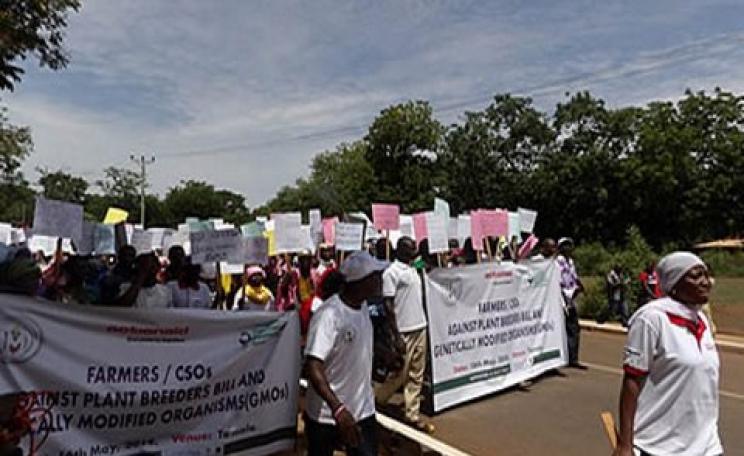
Ghana's government is desperate to pass a Plant Breeders Bill that would remove farmers' ancient 'seed freedom' to grow, retain, breed and develop crop varieties - while giving corporate breeders a blanket exemption from seed regulations. Now the farmers are fighting back.
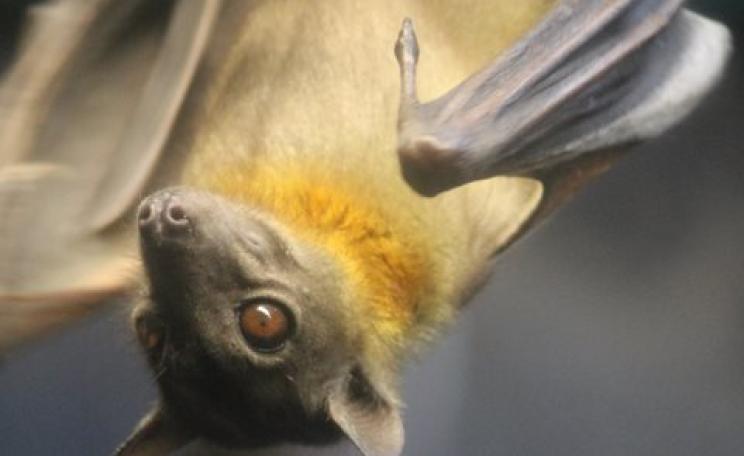
Bats serve as a natural reservoir for the Ebola - but we cannot blame them for the epidemic. In Ghana alone people eat over 100,000 fruit bats a year as 'bushmeat', yet the country has escaped the epidemic. Much more research is needed to discover the mechanisms of transmission, and to devise effective, appropriate interventions.
A new report reveals huge declines in the UK's migratory birds that winter deep in Africa's rainforests. Shorter distance migrants are performing much better, with some recording big population increases.
The soils on which African farmers depend are getting poorer, writes Fernando Naves Sousa, depleted of nutrients and organic matter. This creates a huge challenge: to reverse the trend in an environmentally responsible way, while feeding a growing population. But it can be done - using organic composting techniques.
Monsanto, DuPont, Syngenta, Limagrain are among the companies to buy into Africa's indigenous seed companies. It's all part of the corporate takeover of the continent's agriculture at the expense of the small farmers who feed most of Africa's people.
The eviction of Kenya's Sengwer forest people in a World Bank financed project was a failure of the Bank's duty to protect indigenous people, according to an internal report. The Bank's directors are to decide on how to respond today - but if they follow their own management's advice, the evictions will continue.
Coca-Cola is the latest company to join the agricultural 'scramble for Africa', writes Miriam Ross. Backed by £600 million of British aid under the guise of 'food security' and 'nutrition', a vast give-away of Africa's land is under way that will condemn small farmers to landlessness and poverty.
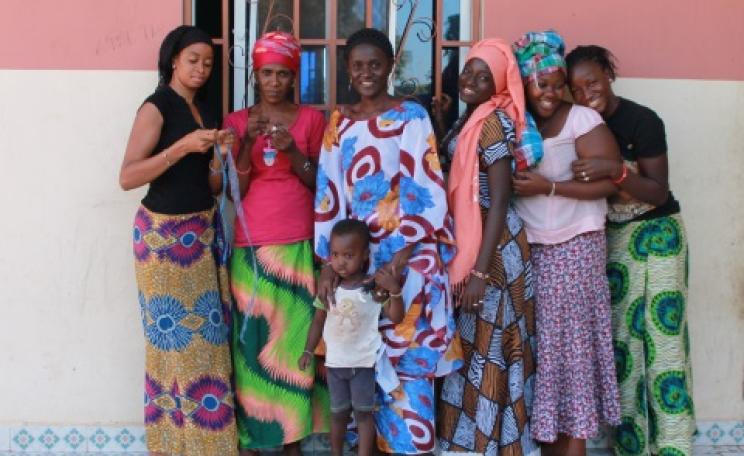
Plastic waste, often burning, is a constant companion in Gambia, a poor country where few enjoy formal rubbish collection, writes Louise Hunt. Now a pioneering project to upcycle waste plastic is beginning to tackle the problem - and in the process enhancing women's social and economic status.
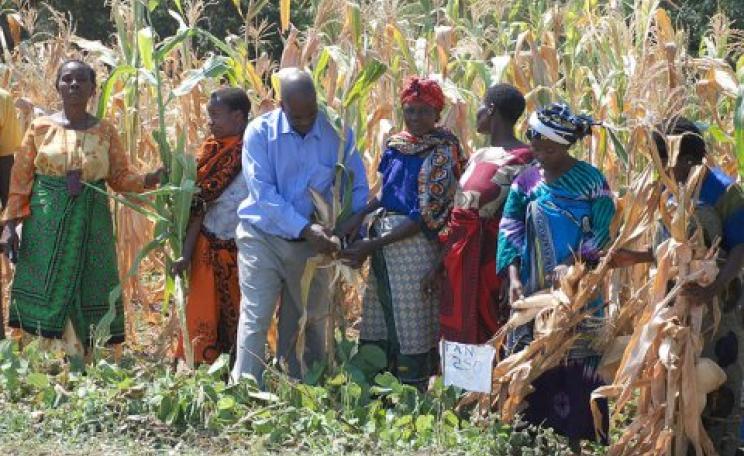
GM crops may benefit agribusiness, writes Andrew Adam-Bradford. But they offer little to Africa or the millions of farming communities that feed the continent. Rather than impose corporate 'solutions', governments should invest in indigenous agro-ecological farming.
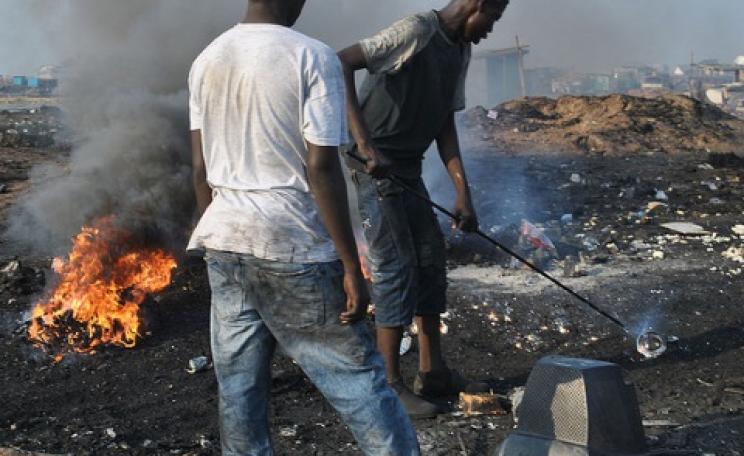
Attempts to recycle E-waste and donations of old electronic devices are harming poor people's health and devastating the environment, writes Nele Goutier. Agbogbloshie, once an idyllic landscape of wetlands and small farms, is now the most toxic place in the world ...
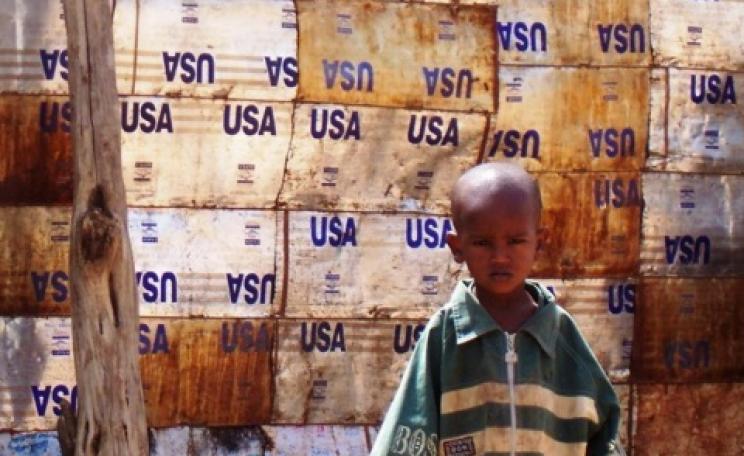
The US taxpayers who finance foreign food aid surely believe they are feeding starving people, writes James Bovard. But the truth is the reverse - it is undermining indigenous agriculture in recipient countries - creating famine and chronic malnutrition, while sabotaging self-sufficiency.
A flood of smallholders that have benefited from Zimbabwe's land reform are turning to tobacco as their crop of choice, reports Ray Mwareya. But the economic gains are coming at a terrible cost - the accelerating destruction of the country's forests.
Liberia's Jogbahn Clan is at the forefront of efforts to resist the grab of Indigenous Peoples' land and forests for palm oil plantations. But according to the country's President, they are only 'harrassing and extorting' international investors.
Mali's elephants have lived for millennia in the inhospitable Sahara, writes Susan Canney. But with their survival at risk from a host of modern, 21st century threats, local people are coming together to protect them - and finding that they too are benefiting.
In Ken Silverstein's 'The Secret World of Oil', Louis Proyect investigates the uber-wealthy middlemen of oil, inhabiting a pampered universe of moral squalor and depravity - one in which Tony Blair found himself completely at home.
Africa sustains some of the most spectacular ecosystems on the planet - from the Sergengeti to the Congo Basin to the Eastern Arc forests. But those ecosystems and their iconic wildlife are now facing their greatest peril, writes William Laurance - a mining boom of unprecedented intensity.
Botswana's Okavango Delta, one of the most iconic natural areas on the planet, has been listed as 1,000th World Heritage site today. The decision follows the advice of IUCN, UNESCO's advisory body on nature.
On the first-ever World Giraffe Day, the world's tallest land mammal is threatened by conflict with humans, habitat loss, war, and disease. One subspecies, the West African giraffe, is down to 400 individuals.
Across Africa, corporations are grabbing community land and water - and nowhere more than in Liberia, where half the country has already been lost. But one community has shown it's possible to overcome intimidation, organize and resist.
The 1994 genocide in Rwanda could easily have finished off the mountain gorillas of the Virunga mountains. The fact that they survived is in large part thanks to Eugene Rutagarama. He spoke with Veronique Mistiaen about the primates' future prospects ...
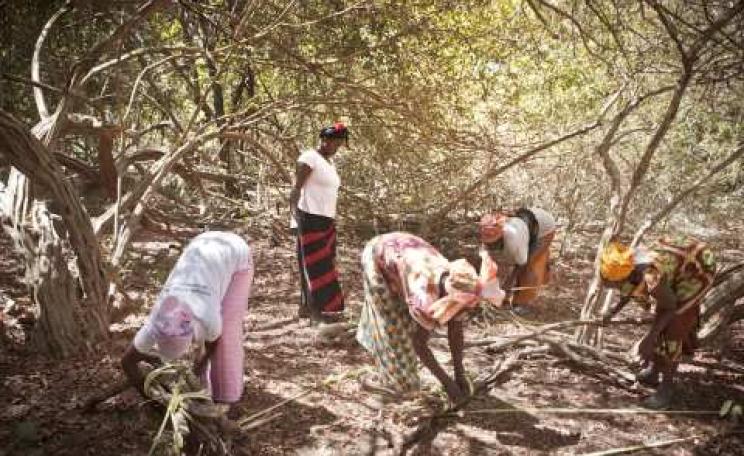
Civil war in Casamance, a forested area of Senegal, has been fought for 30 years, while an illegal timber trade has boomed amid the insecurity. Louise Hunt reports on how community forestry is bringing peace to the region - and restoring life to the forests.
With the help of some clever engineering, writes Paul Brown, the power of the Sun can now produce electricity on demand - day and night, bright or cloudy. The key technology has just won a prestigious DESERTEC Award.