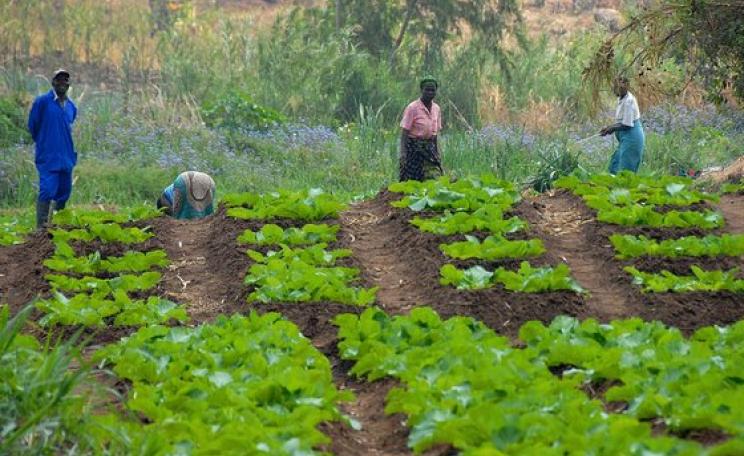
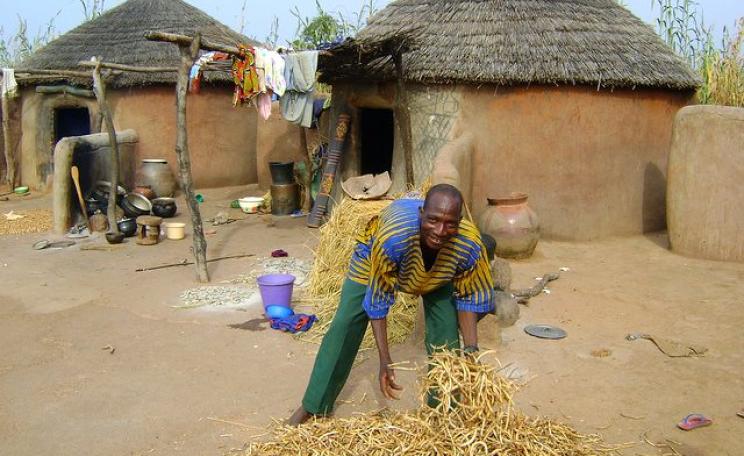
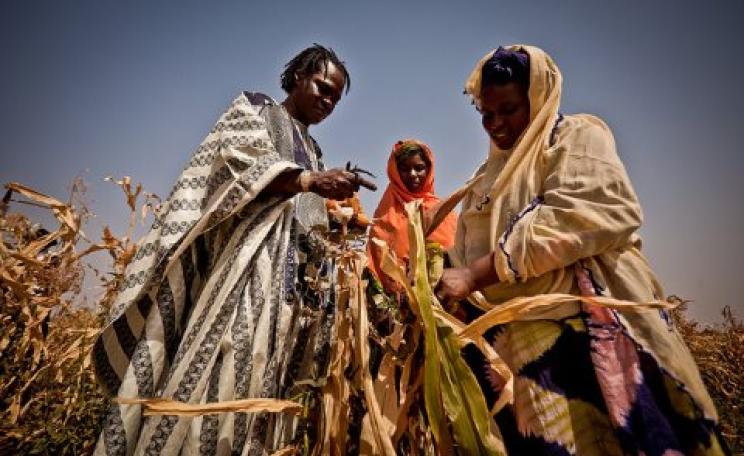
Corporate interests have skewed the entire development agenda for agriculture in Africa, writes Ian Fitzpatrick. Instead of investing in sustainable, small scale farming along agroecological principles that raise production and support rural communities, governments - including the UK's - are backing destructive industrial farming and land grabs.
Last November Tanzania's President Kikwete tweeted his promise that the evictions of indigenous Maasai people and their villages near Serengeti National Park would stop. But now another round of evictions is under way: thousands of Maasai have been evicted at gunpoint and their homes burnt to ashes. The Maasai say: 'We need your help!'
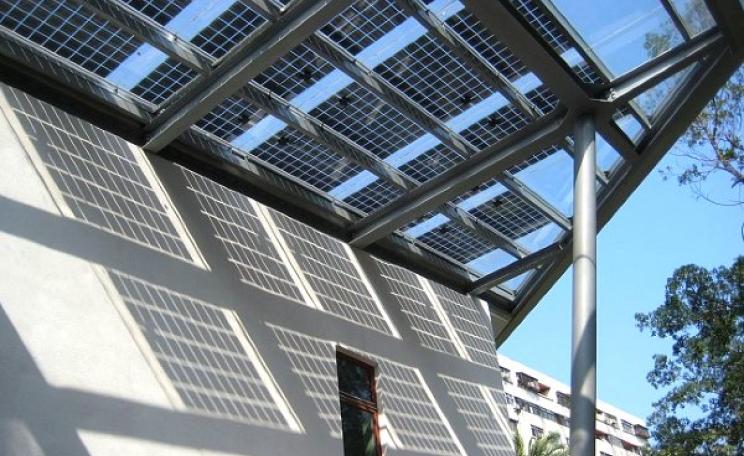
As the UK's nuclear dream fades, writes Chris Goodall, investors are turning to the possibilities of 'Concentrating Solar Power' in the Sahara connected to Europe by HVDC power lines. The cost would be much lower than nuclear or offshore wind, and provide reliable baseload capacity. With the UK government's say so, Tunisian sunshine could soon be powering our grid.
The rainforest habitat of chimpanzees and other great apes is being destroyed by the expansion of palm oil projects in central Africa, according to new evidence from Greenpeace.
A small community in Uganda is challenging a UN-backed international oil palm venture that has expropriated small farmers and obliterated an entire forest on a Lake Victoria island to establish a vast plantation. Three years after the grab, Friends of the Earth groups are backing the islanders legal action, which is launched today.
Africa's biotech establishment is deploying its biggest guns to attack NGOs opposed to GMO crops to help push through Ghana's corporation-friendly Plant Breeders Bill - a key element in the corporate enclosure of Africa's farming, seeds and agricultural heritage.
Across Africa, laws are being rewritten to open farming up to an agribusiness invasion - displacing the millions of small cultivators that now feed the continent, and replacing them with a new model of profit-oriented agriculture using patented seeds and varieties. The agencies effecting the transformation are legion - but they are all marching to a single drum.
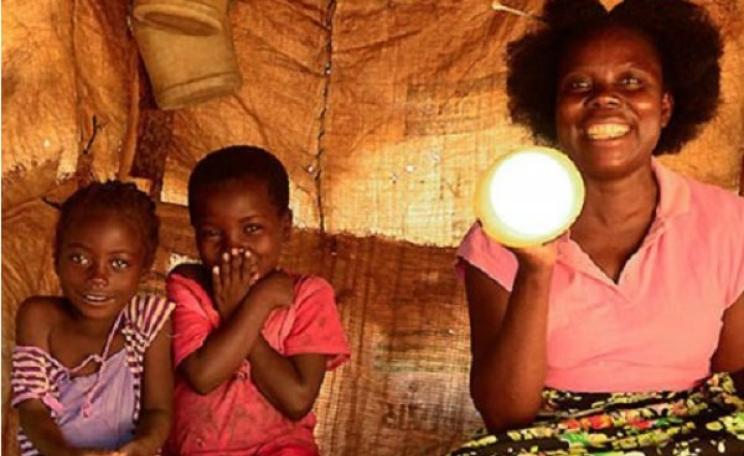
The charity SolarAid has just celebrated 1.5 million small solar lighting installations in Africa, writes Paul Brown - an important milestone on its mission to get solar lighting into all of Africa's homes by 2020, and see out dangerous, polluting kerosene lamps.
China has now overtaken the European Union as the largest new market for solar power, writes Paul Brown - as solar PV becomes one of the world's fastest growing industries - and one that's sure to keep on getting cheaper!
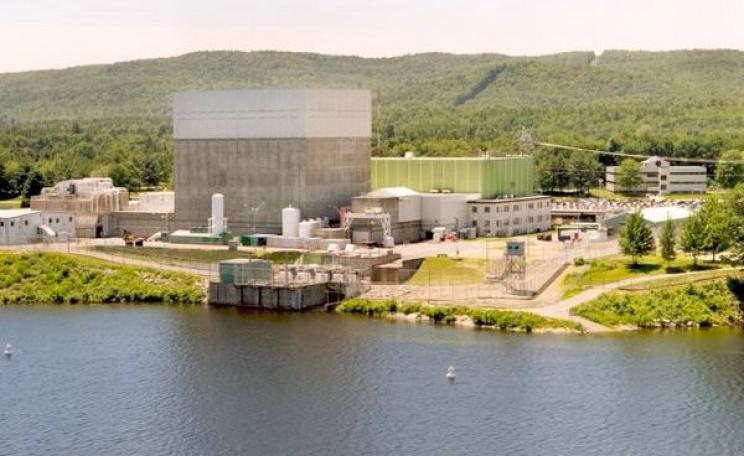
The global rebirth of nuclear power was meant to be well under way by now, writes Jim Green. But in fact, nuclear's share of world power generation is on a steady long term decline, and new reactors are getting ever harder to build, and finance. The only real growth area is decommissioning, but that too has a problem: where's the money to pay for it?
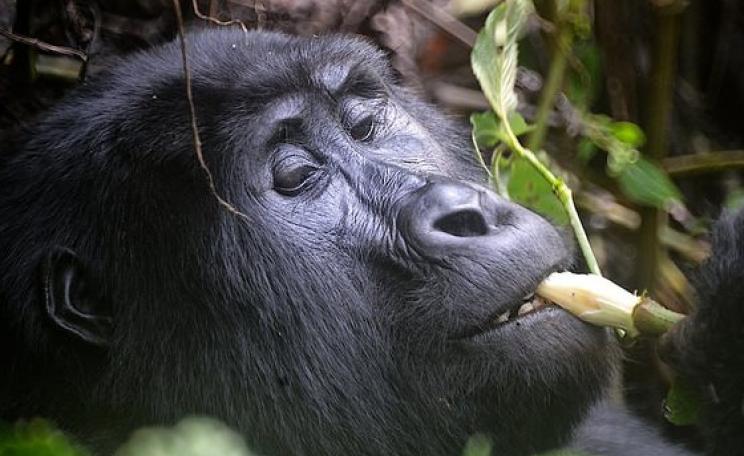
Ebola has wiped out a third of chimps and gorillas since the 1990s, writes Meera Inglis, and together with hunting and deforestation is pushing them towards extinction. So why haven't we even used a safe, effective Ebola vaccine developed for chimps and gorillas?
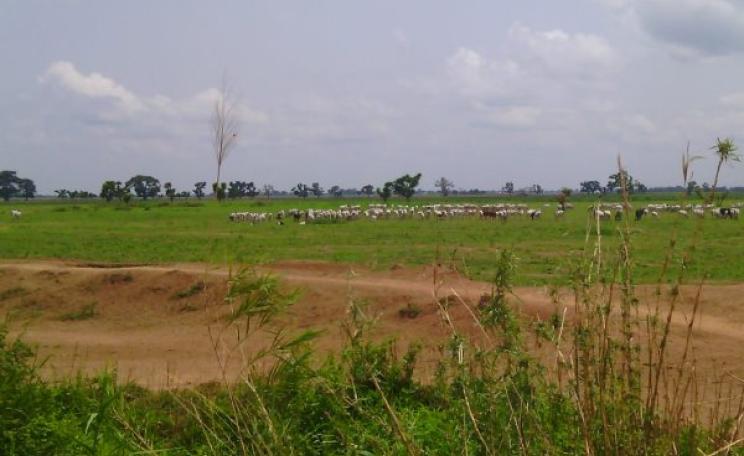
Development secretary Justine Greening is facing questions over UK involvement in a massive land-grab in Nigeria that is evicting local farmers from 300 square kilometres of fertile farmland to clear the way for a rice farm owned and controlled from the US and Canada. A 45,000-strong community faces landlessness and destitution.
A massive oil spill in the oil-rich Niger Delta in 2008 has caused years of environmental and economic devastation. But only after legal action in London has Shell been forced to reveal the truth, admit liability, pay compensation, and begin the clean-up.
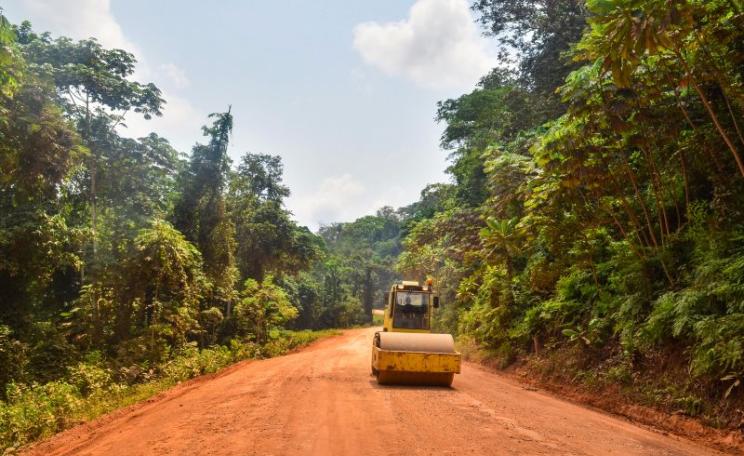
Africa is facing an unprecedented surge in road and railway building with 33 huge 'development corridors' planned that threaten 2,400 of the continent's protected wildlife areas, writes Bill Laurance. We must block the most destructive plans and limit avoidable impacts on natural areas - before it's too late.
Of course rising world population matters, writes Biff Vernon, due to its impact on the planet and its resources. But to actually do something about it, don't even mention the 'p' word. Instead let's cut back on our wasteful, high-consumption lifestyles - and empower women everywhere!
The white rhino is in deep trouble after a new surge of poaching. But the fact that it's there at all is largely thanks to one man: Ian Player, who saved the white rhino from near-certain extinction in the 1960's. Earlier this year Nicola Graydon met Dr Player at his home in South Africa, to record his last major interview.
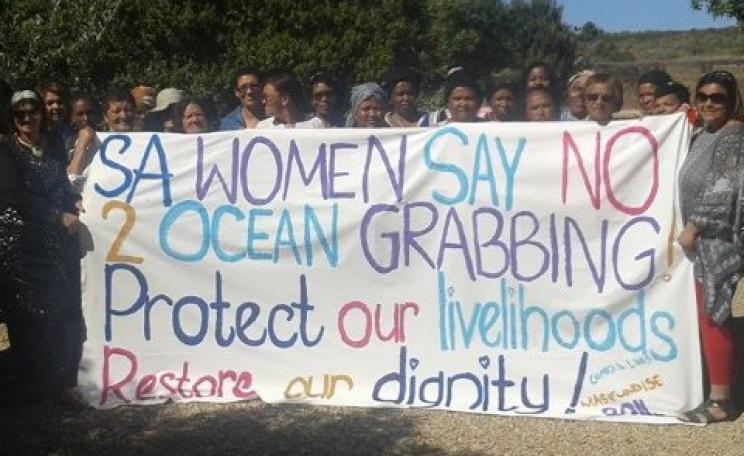
Today on World Fisheries Day, fisher peoples and their allies are taking to the streets and beaches to fight against ocean grabbing in all its forms - including Marine Protected Areas imposed without consultation that rob and criminalise local communities and benefit only privileged outsiders.
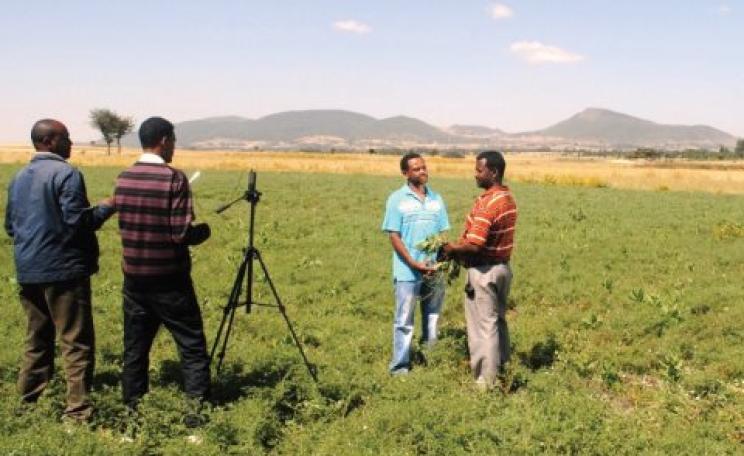
Modern technology has a lot to offer small farmers in poor countries, writes Tony Juniper - just not the GMOs and pesticides that are widely touted. But how about film, digital communications and smart phones? These new media can empower farmers and allow them to share knowledge and experience of how to produce more, from less.
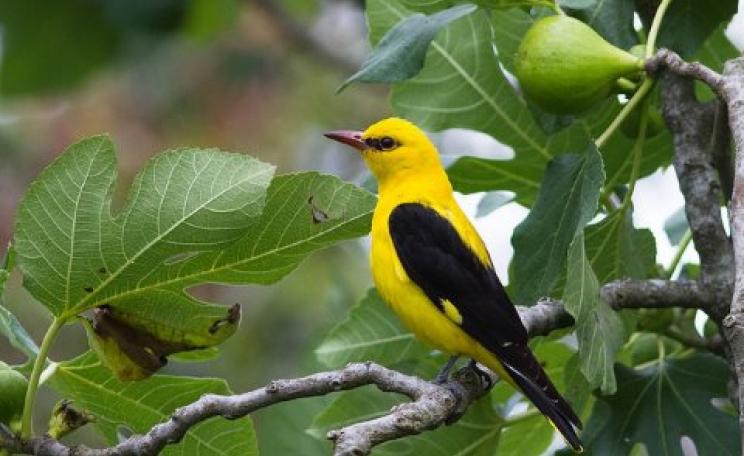
Two new international agreements will help to save migratory birds from hunting, trapping and poisoning, and to protect their long-distance flyways. A key objective is to phase out lead shot within three years, and eliminate the toxic drug diclofenac.
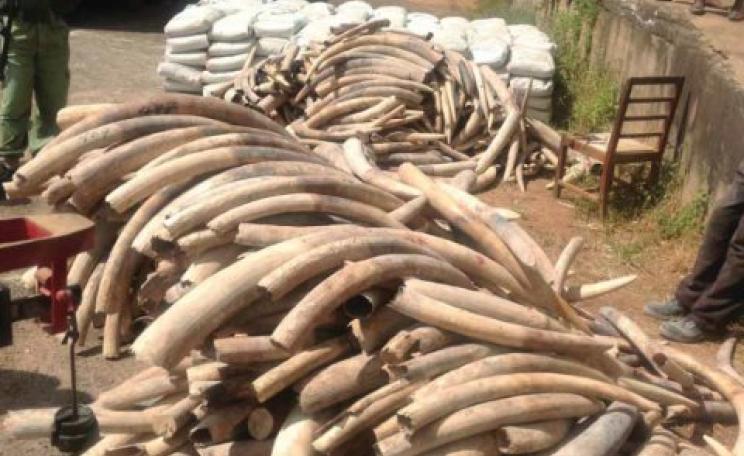
A new report reveals that Chinese-led criminal gangs are conspiring with corrupt Tanzanian officials and senior politicians to traffic huge amounts of ivory. The corruption even extends into the Chinese navy, diplomatic missions and Presidential entourage - all involved in the lucrative but illegal trade.
The revolution taking place in Burkina Faso is far more than an uprising of rebellious youth, writes Alexander Reid Ross. It's a genuine fight for national liberation - from neoliberalism, land grabs, corruption and foreign domination - that evokes the freedom struggle of an earlier generation.
The Gates Foundation is spending half a billion dollars a year to 'feed the world', most of it aimed at Africa. But as GRAIN discovers, it is imposing a model of high-tech, high-input 'green revolution' farming, complete with GMOs, agro-chemicals and a pro-business neoliberal agenda, all in in alliance with corporate agriculture.
With rising population and food demand far outstripping supply, the Sahel is vulnerable to a new humanitarian crisis, writes Alex Kirby. Rainfall is expected to increase with climate change, but higher temperatures will overwhelm the benefits.
The West African iboga root is a mind-transforming psychedelic, writes Michael Goldin, capable of cleansing people of even the most serious addictions. Those seeing this film will surely emerge convinced that iboga should be made available, in therapeutic settings, to those seeking to overcome the terrible disease that is drug addiction.