The killing of Zimbabwe's Cecil the Lion has put a welcome spotlight on the alarming decline of Africa's lions, write Lochran Traill & Norman Owen-Smith. But to save the species, we should not obsess about trophy hunting, but tackle much more serious problems - like snaring and habitat fragmentation.
African governments, ignoring the protests of their farmers and civil society, this week agreed an oppressive 'plant variety protection protocol' that will open up their countries to commercial seed monopolists, while limiting farmers rights to save, use, exchange, replant, improve, distribute and sell the seeds they have developed over countless generations.
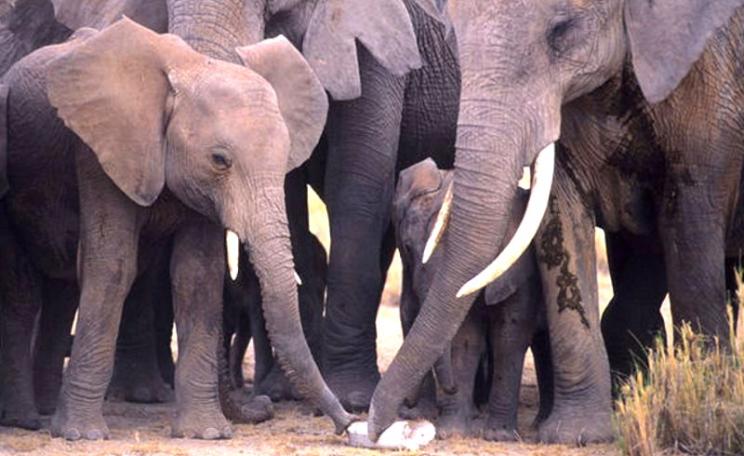
Forensic analysis of DNA in ivory seized by police and customs officials reveals where it comes from, writes Samuel Wasser, giving valuable information to law enforcers. But this powerful tool is only as effective as the national authorities, and Tanzania, a major ivory hotspot, has been very slow to respond to warnings.
When Martin Cradick and Su Hart travelled to West Africa in 1992, little did they know the journey would set their lives on a whole new direction, writes Matthew Newsome. Inspired by the Baka people of Cameroon's rainforest and the joy that resonates through their music, they are now dedicated to saving this vulnerable people using their magical music to reach into people's hearts.
After six decades of oil exploitation, Nigeria's failure to provide for its citizens and develop its economy has exposed a hollowed-out state that benefits only the politicians and plutocrats, writes Joshua Goldfond. This is the environment in which Boko Haram has flourished, and as Nigeria proves incapable of effective action or reform, there's no end in sight to the nation's misery.
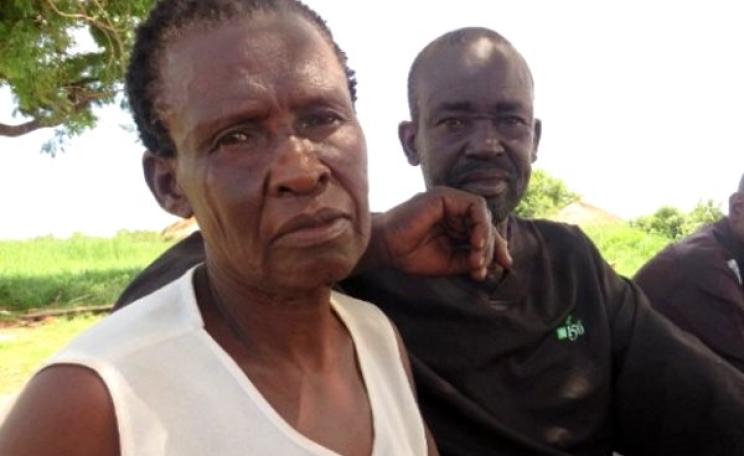
A new tactic of non-violent resistance secured a future for the people of Apaa, Uganda, after a violent government-backed land grab had threatened to turn their village and farmland over to a sports hunting business, writes Phil Wilmot. The unlikely leader was Anek, a respected grandmother of the village, whose naked protest sent both troops and government ministers packing.
Lured by promises of aid and investment, African governments are rewriting laws to create lucrative opportunities for corporate agribusiness, writes Chris Walker - while consigning their own farmers to servitude and landlessness. But now farmers are rising up, as in Ghana where a new 'Monsanto law' threatens to end their right to grow, save and share their ancestral seeds.
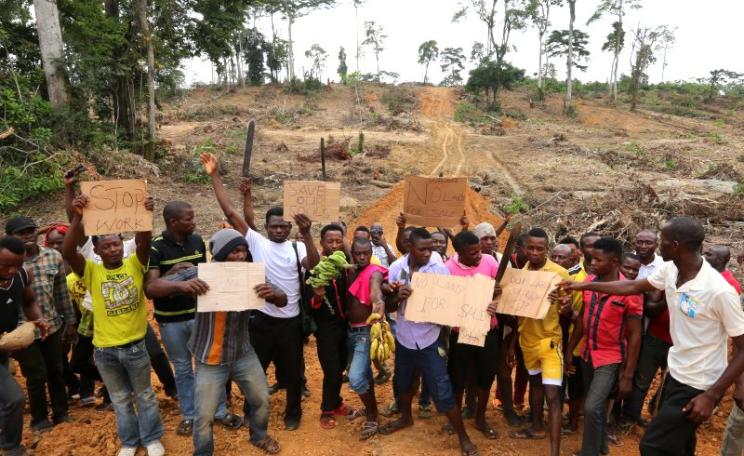
Industrial logging in the world's second largest rainforest is out of control, writes Raoul Monsembula, and spells disaster for both wildlife and forest people. There is an alternative: community forestry has just been enshrined in law. But resources must be committed to law enforcement in Congo and abroad, and to empowering forest communities.
Forest foods are a vital source of nutrition for millions of people, writes Bhaskar Vira, and we need to make them an even bigger part of our diets for the sake of health, biodiversity, local economies, and to increase food global security in a warming world.
Africa's poor environmental record has its roots in colonialism, which cut artificial boundaries through peoples and ecosystems, and left a rigid 'fortress conservation' ethic, writes Willem Daniel Lubbe. It's time for countries to adopt a new pan-African environmentalism, and transcend their colonial past.
With the deadline due this year for the full implementation of Wilmar's 'No peat, no deforestation, no exploitation' promise, the oil palm giant is keen to push its green image in Europe. But for communities suffering its land grabs in Nigeria, nothing has changed. While Wilmar spins green rhetoric, its bulldozers are still destroying vast swathes of forest and farmland.
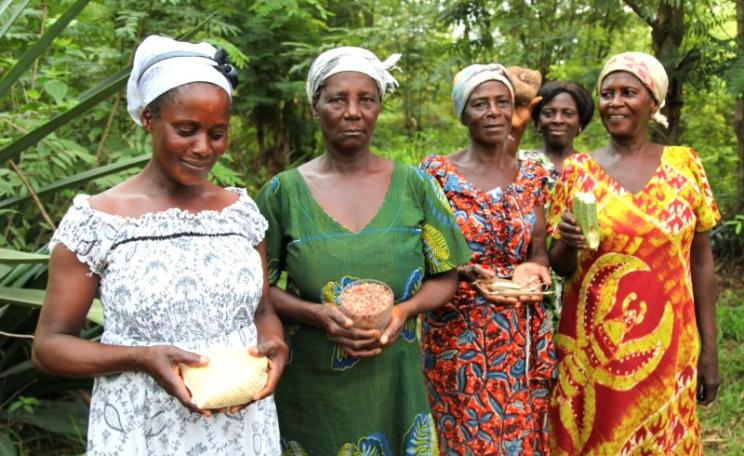
Sharing and saving seed is a crucial part of traditional farming all over Africa, writes Heidi Chow. Maybe that's why governments, backed by multinational seed companies, are imposing oppressive seed laws that attack the continent's main food producers and open the way to industrial agribusiness. But Ghana's women farmers are having none of it.
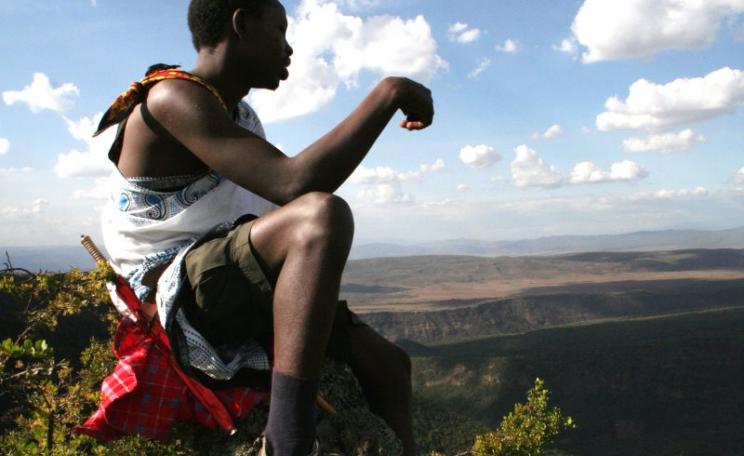
Persistent droughts are undermining the self-sufficiency of Maasai communities in the Great Rift Valley and worsening their living conditions, writes Simone Sarchi. Now these fearless warriors are fighting the battle against climate change through adaptation, education and technology, and by making peace with traditional enemies.
The military targeting of civilian infrastructure, especially of water supplies, is a war crime under the Geneva Conventions, writes Nafeez Ahmed. Yet this is precisely what NATO did in Libya, while blaming the damage on Gaddafi himself. Since then, the country's water infrastructure - and the suffering of its people - has only deteriorated further.
British taxpayers are forcing private health care and schooling onto many of the world's poorest countries including Nepal, Rwanda, Ethiopia and Mozambique, writes Nick Dearden - backing a huge neoliberal experiment whose only certain outcomes are high costs, low standards and massive corporate profits.
The more EU politicians try to look in control of the Mediterranean refugee emergency, the more it's obvious they aren't, writes Assaad W. Razzouk. A key driver of the crisis is climate change, which is causing drought across North Africa. Europe must now tackle the root causes of the crisis, and admit its own culpability in precipitating it.
Lead poisoning from industrial pollution has imposed a terrible toll on Kenyans, writes Sophie Morlin-Yron, and single mother Phyllis Omido is no exception - lead from a nearby metal refinery badly damaged her own son's health. But it was when she decided to fight back against the polluters that a whole new realm of threats and dangers opened up.
An elite group of aid donors and agribusiness corporations met in London this week to plan the takeover of Africa's seeds, writes Ian Fitzpatrick, replacing traditional seed breeding and saving by small farmers with a corporate model of privatized, 'improved', patented, genetically uniform and hybrid seeds in a profit-driven market.
Two thirds of Africa's lions have been lost in 35 years, and would-be hunters are increasingly shooting captive, farmed and often tame lions in 'canned hunts'. Claims are that this helps to preserve wild lion populations - but Dominic Dyer fears the reverse is the case.
The latest salvo in the battle over Africa's seed systems has been fired, writes Stephen Greenberg, with the Gates Foundation and USAID playing puppet-masters to Africa's governments - now meeting in Addis Ababa - as they drive forward corporation-friendly seed regulations that exclude and marginalize the small farmers whose seeds and labour feed the continent.
The Democratic Republic of Congo is to consult UNESCO, writes Melanie Gouby, over its wish to 'explore judiciously' for oil in Africa's first and most biodiverse National Park and World Heritage Site.
Mining corporations, politicians and big NGOs are meeting in London today to plan the future of extractive industries in Africa, write Nnimmo Bassey & Sheila Berry. Absent African civil society and impacted communities, delegates are setting an agenda for 'resource-led development' that will cook the continent in the greenhouse gases of its plundered oil, gas and coal.
Deep in the Algerian Sahara, the oasis town of Ain Salah is a focus of opposition to a new wave of fracking, with violent confrontations between police and up to 40,000 protestors, writes Alexander Reid Ross. They have two main concerns: preventing pollution to the aquifer that sustains them, and keeping out foreign oil giants like Total and Halliburton.
The Kwegu people of Ethiopia's Lower Omo Valley are facing starvation because of the loss of their land to a huge sugar plantation, the destruction of their forest and the damming of the Omo river - supported by a UK, EU and World Bank funded 'aid' program.