In a blunt rebuke to Australia's prime minister Tony Abbott, US President Obama stated that 'every nation has the responsibility to do its part' on climate change, writes Michelle Grattan - in a clear reference to the G20 host's backsliding on climate promises.
Far from creating a 'level playing field' for business, TTIP favours foreign corporations over domestic ones - while undermining governments' right to legislate for public health, safety and wellbeing. Australia got the message in 2011 after being sued for its anti-smoking policies - now Europe must catch up!
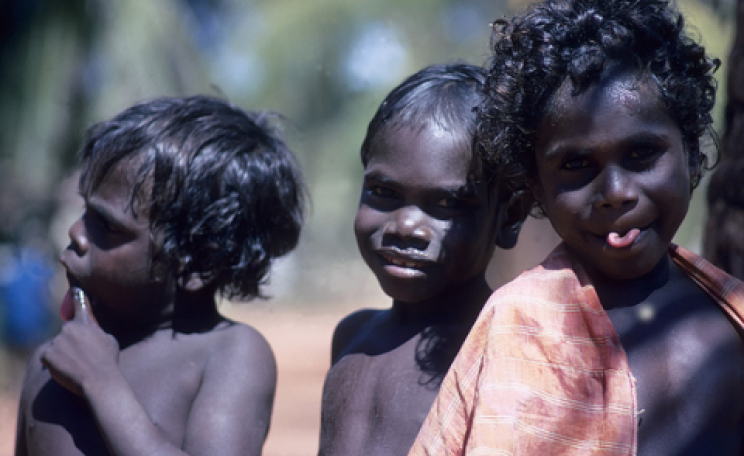
Almost three quarters of Australia's landmass is 'outback', writes John Woinarski, making it one of our planet's greatest natural areas. Yet it has many of the hallmarks of a 'failed state': its native peoples live on the margins, and its biodiversity is under threat. Now a new conservation model shows a way forward for both: Indigenous Protected Areas.
After rabbits, foxes, brambles and the cane toad, you would have thought Australia would have had enough of invasive exotic species, writes Jane Wright. Wrong! CSIRO scientists are introducing a French dung beetle, in the hope it will lead to fewer flies, improved soil fertility and structure, and greater carbon sequestration.
King Coal's reign is coming to an end, writes Chris Rose, at least as a fuel for generating electricity. Following a price collapse half of all production is being sold at a loss - and major coal users like China are still moving away from the high-carbon fuel.
To tackle its serious air pollution, China is imposing stringent restrictions on dirty coal high in ash or sulphur, writes Shabbir Ahmad. One result: half of Australia's coal exports to China face exclusion, or extra 'washing' costs. But Australia's response is not to raise environmental quality. Instead, it's increasing production.
Consumers around the world want their electricity to come from renewable sources, writes Paul Brown. Yet governments from the UK to Australia are defying the popular will as they push for fossil fuels and nuclear power. The good news? Renewable energy is surging ahead regardless.
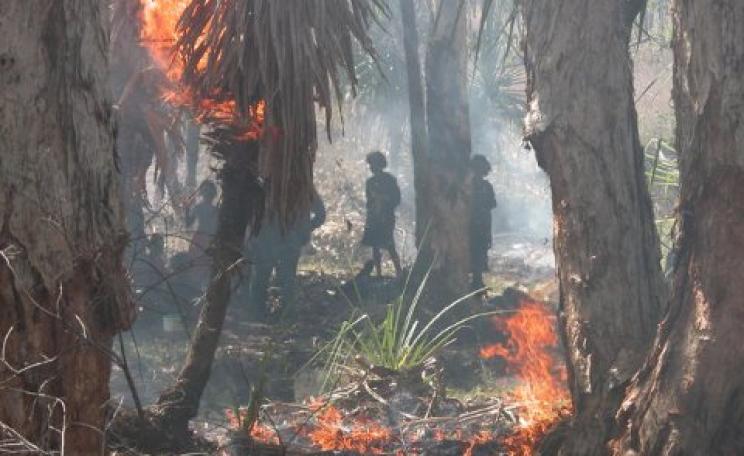
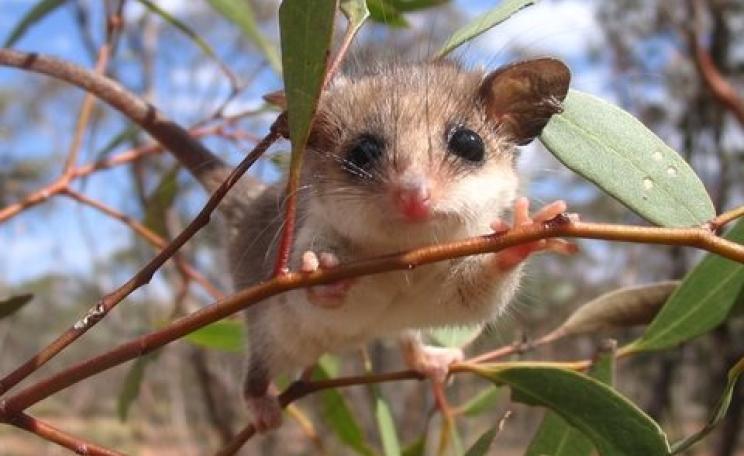
We know that Australia's dry bush has co-evolved with fire, so that means regular planned burning is a good thing? Up to a point ... some increasingly rare species depend on 'old growth' bush up to 100 years old, and over-frequent burning is putting them under long-term threat.
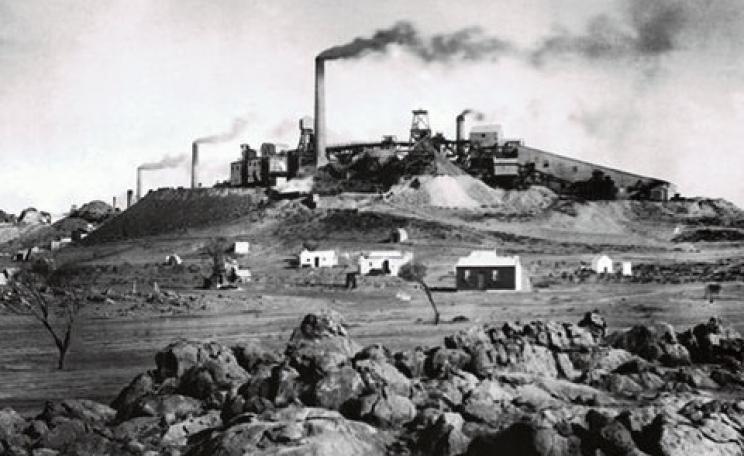
Ice core analysis shows that lead pollution in Antarctica took off in the 1880s as mining at Broken Hill, Australia, took off. Lead residues have fallen from their late 20th century peak, writes Joe McConnell - but they are still four times higher than in pre-industrial times.
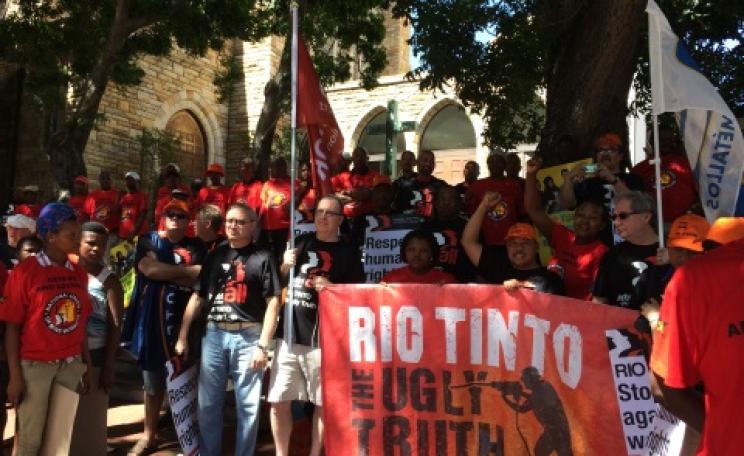
Global mining giant Rio Tinto markets itself as a 'sustainable company', writes Kemal Özkan. But serious failures in its reporting, and its attempt to hold an Australian indigenous group to ransom, reveal a very different truth: the company is driven by a reckless pursuit of profit at any cost.
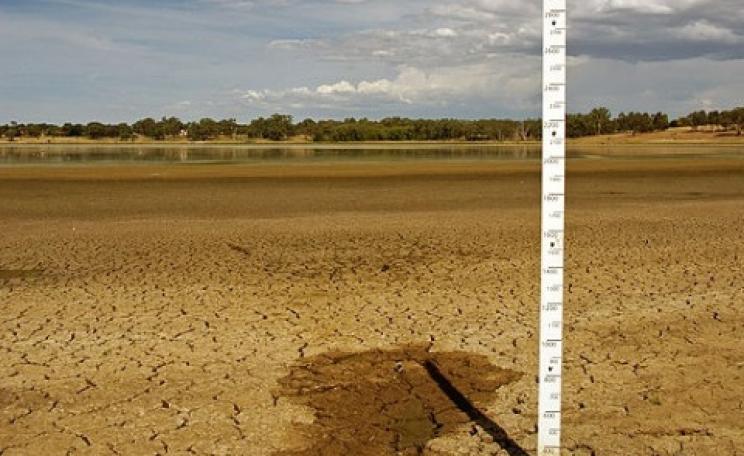
Australia's prime minister thinks climate change is 'crap' and has just abolished his country's carbon-pricing system. But scientists say that it's rising levels of CO2 that are leaving the south of the country parched and sweltering - and it's only going to get worse.
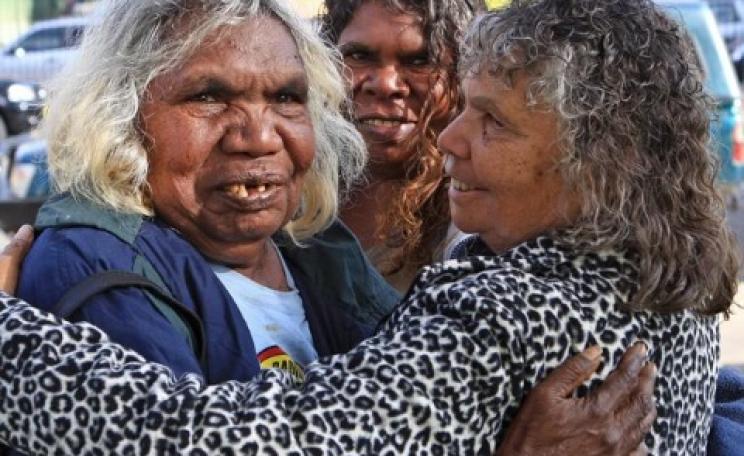
Australia's nuclear industry has a shameful history of 'radioactive racism' that dates from the British bomb tests in the 1950s, writes Jim Green. The same attitudes have been evident in recent debates over uranium mines and nuclear waste, but Aboriginal peoples are fighting back!
UNESCO has refused to 'de-list' 74,000 hectares of the Tasmania Wilderness World Heritage Area as requested by the Tasmanian and Australian governments, following a 'feeble' presentation.
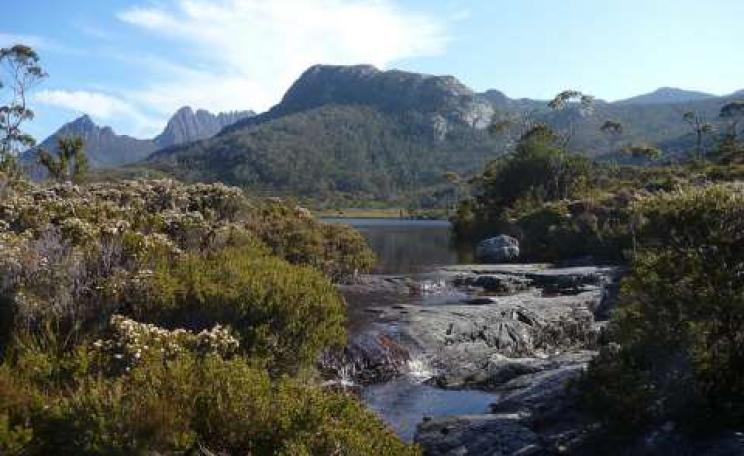
With Australia's still trying to 'de-list' 74,000 hectares of forest from the Tasmania Wilderness World Heritage Area, Kevin Kierman reminds us that it's not just about the trees. No less important are the area's unique geology, and ancient Aboriginal cultural sites.
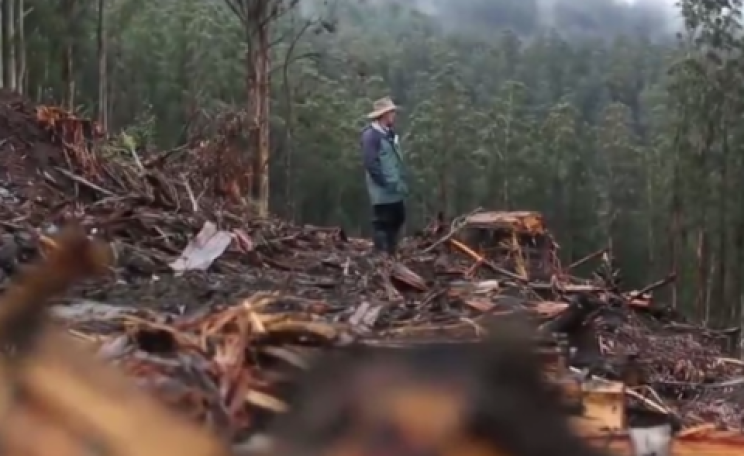
74,000 hectares of Tasmania's native forest wilderness will be opened up to industrial logging, writes Jess Abrahams - if Australia's government succeeds in removing its World Heritage status at a UNESCO meeting now under way in Doha.
It's fine for 'green' groups to plant trees, or rescue baby flying foxes, write Susan & Bill Laurance. But when they campaign for the environment, right wing politicians see red, Moves are now afoot to strip advocacy groups of their charitable status, reflecting a broader clamp down on eco-activism across the Asia Pacific region in China, Cambodia, Lao and India.
What do the Australian Environment Foundation, the Renewable Energy Foundation and the Global Warming Policy Foundation have in common? They are all fiercely anti-environment, writes William Laurance - and we must beware their 'eco-doublespeak'.
Coal consumption in China is likely to dwindle rapidly, writes Alex Kirby, leaving its own mining sector and foreign coal exporters in serious trouble. Australia and Indonesia are at greatest risk as China may soon stop importing any coal at all.
Rising greenhouse gas levels are causing stronger winds over the Southern Ocean. It's good news for Antarctica, writes Tim Radford, as the circumpolar winds are keeping its ice caps cold. But Australia is getting hotter and drier - and its problems will only increase.
Australia's poorer communities, with lower employment and education levels, and those with a high proportion of Indigenous people, are significantly more likely to suffer high levels of toxic air pollution. Children are at particular risk from rising levels of lead.
In a radical departure from it's 'pro free speech' rhetoric, Australia's 'Liberal' government wants to ban environmental boycotts. But as Bill Laurance writes, eco-boycotts are not only an effective tool for reining in corporate excesses - they are also a key democratic right.
Australia is still stealing Aboriginal children from their families, reports John Pilger. The 'lost generation' policies were meant to have ended in 1969, but a new wave of child thefts is under way - 2013 figures show that 13,914 Aboriginal children were in 'out of home care'.
A few hours from Melbourne lies one of Australia's natural wonders - a soaring forest of Mountain Ash trees up to 90 metres tall, with a host of endangered species. David Lindenmayer demands a halt to the logging, and the creation of a new National Park.
Reports of China opening a huge new coal fired power station every week belie the reality - China is the new global powerhouse for renewable energy. As John Mathews and Hao Tan report, the world must follow its example.