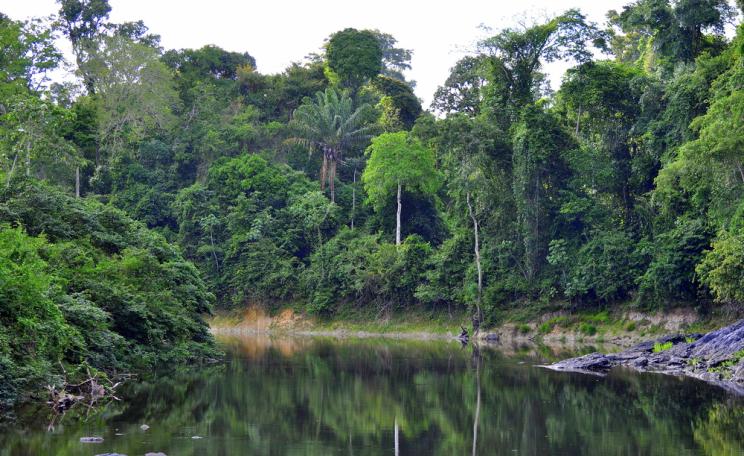
A new study from the Durrell Institute of Conservation and Ecology (Kent) has found that increasing the width of riparian reserves in oil palm plantations can support local biodiversity. MARIANNE BROOKER reports
The threat to nature is now so severe it is beginning to threaten human existence. Tony Juniper, the author, campaigner and newly appointed campaigns director at WWF UK, talks to OLIVER TICKELL about the vital role nature plays in our very existence and how we abuse it at our peril
PATRICK CARR is a lifelong coal mine protester from the Pont Valley. As campaigners are evicted from the site by police he explains in his own words what inspired him to join the movement.
The first country in the world write the 'rights of nature' or 'Pachamama' into its constitution is now being decimated by mining companies, argues JOHN SEED of The Rainforest Information Centre. The people of Ecuador, their government and the international community need to work together to preserve the country's unique ecosystems
The potential of rewilding to halt biodiversity loss could be missed unless it's better understood by policy makers and is included in future environmental legislation, according to a study by the Zoological Society of London. CATHERINE HARTE reports
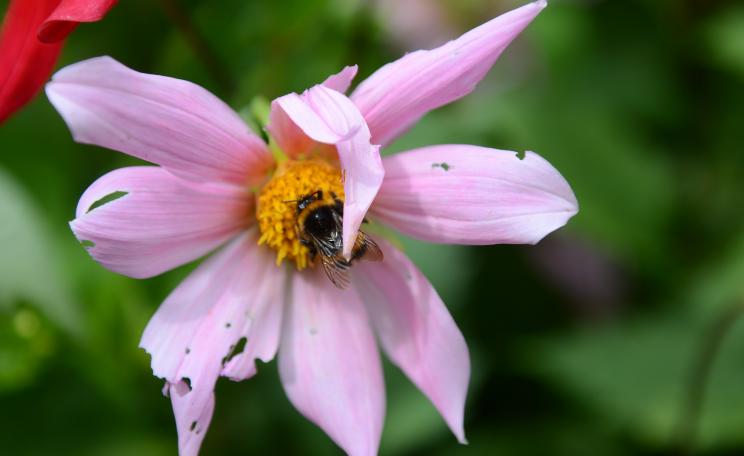
The decline of honey bees in the UK has been well documented. Is it a demonstration of climate change and, if so, what can be done? QUENTIN SCOTT, director at renewable energy investment company Low Carbon, discusses how it has partnered with Plan Bee to educate communities and support biodiversity
President Santos of Colombia has won awards for championing peace and biodiversity. He was in London recently to receive the Kew International Medal, the first head of state to be awarded the honour by the Royal Botanical Gardens (RGB) Kew. But not everyone is impressed, reports CATHERINE EARLY.
Biodiversity refers to the variety of all living things on Earth, but people often have very specific ideas of what it means. If you run an online search for images of biodiversity, you are likely to find lots of photos of tropical rainforests and coral reefs. Those ecosystems are invaluable, but biodiversity also exists in many other places writes ecologist, CHRISTOPHER SWAN
If you live or spend time in the UK countryside it may have been some time since you spotted the native brown hare - if you've ever seen one at all. That's because the hare relies on an increasingly disappearing biodiverse landscape for its food. LAURA BRIGGS talks to the scientists behind a new study investigating what type of planting - including bioenergy crops - will help stop hare populations from continuing to decline
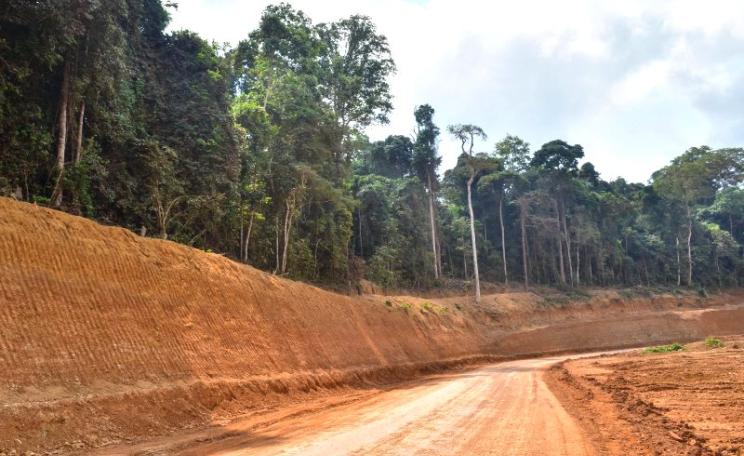
As China pursues a startling array of energy, mining, logging, agricultural, transport and other infrastructure projects on virtually every continent, it is having an unprecedented impact on the planet, writes William Laurance. It's not that China is any worse than historic colonial powers - the difference is in the sheer scale and pace of environmental destruction, and the total lack of oversight under which Chinese mega-corporations operate.
Rio Tinto's QMM mine in Madagascar was meant to be an exemplar of 'corporate social responsibility' and environmental best practice. But the reality experienced by local communities is different, writes Yvonne Orengo, with uncompensated land seizures, food insecurity, deforestation and social deprivation. New concerns are emerging about the infringement of legal buffer zones and radiation exposure. Rio Tinto must be held responsible for its actions!
A recently discovered peatland in northeast Peru contains two years worth of US carbon emissions, writes Joe Sandler Clarke, but it's under threat from the rapidly advancing 'palm oil frontier'. Now scientists are calling for the wetland's immediate protection - before it's too late to save it.
Over 90% of major armed conflicts between 1950-2000 occurred in countries containing biodiversity hotspots,writes Alex Reid, and more than 80% of these took place in the hotspot areas themselves. This poses a major challenge to the conservation community: to work in combat zones to strengthen environmental protection before, during and after conflicts. Or better still, to defuse incipient conflicts and resolve those under way, to reduce their toll on people, and nature.
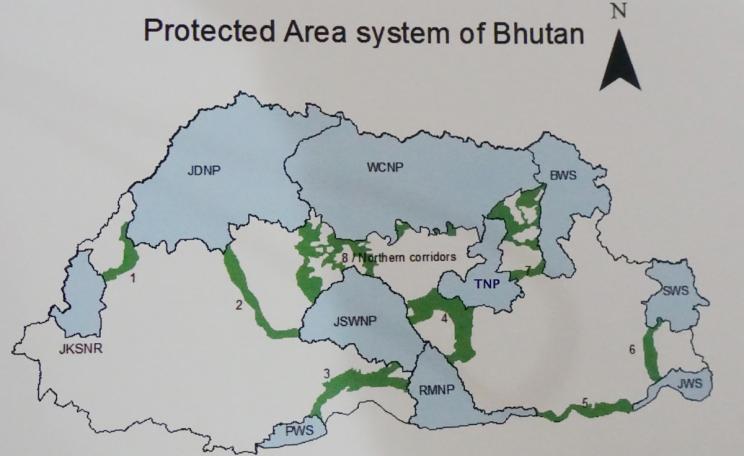
Bhutan is well on its way to becoming the greenest nation on the planet. In his Special Report for the Ecologist, photojournalist MICHAEL BUCKLEY explores the reasons why the country's ecosystems and dazzling biodiversity remain intact - and highlights the one thing that threatens this admirable integrity...
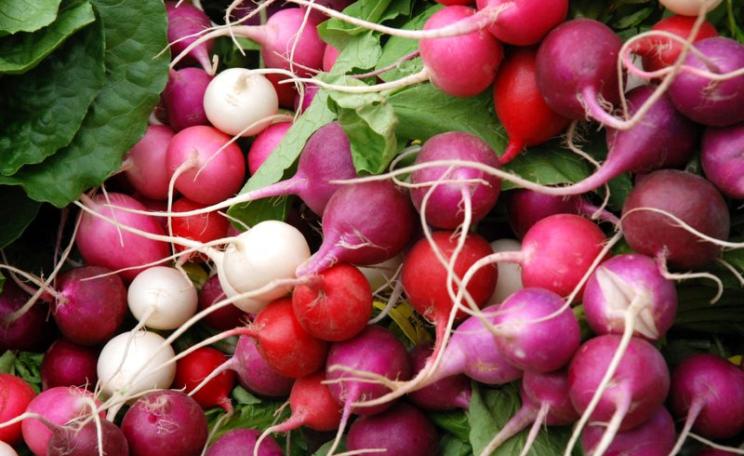
With most of our food exports going to the EU, and most of our food imports coming from the EU, Molly Scott Cato wondered what plans the government had for the sector after Brexit. The answer? None! Two reports published today map out a positive future of sustainable farming, local food, thriving rural economies and abundant biodiversity. But is the government on the same page?
It's been another disastrous year for North America's Monarch butterflies, with the insect's population down 27% in a single year. The sudden decline is blamed on severe winter storms in Mexico, and the impacts of GMO crops, herbicides and insecticides on US farms.
Colombia is now closer than ever to finding a peaceful resolution to generations of violence. With so much to gain in a post-conflict world - as much for the Colombian people as for their environment - the sudden prospect of losing it all will make for tense months ahead writes FOREST RAY
Just imagine: gas for your cooking and heating made by composting home-grown British grass, writes Almuth Ernsting. What's not to like? Well, it would need almost all the UK's grassland to match our gas demand, leaving cows and sheep to starve or forcing them into sheds to eat foreign-grown feeds. And methane leakage could easily wipe out any climate benefit.
It is easy in a country like the UK to imagine that science and economics command the whole debate about nature's value. But step back and look at the bigger picture internationally, and it all looks rather different writes VICTOR ANDERSON
160 global groups have called for a moratorium on new 'genetic extinction' technology at the UN Convention on Biological Diversity meeting in Cancun, Mexico. Gene drive technology, they say, poses serious and irreversible threats to biodiversity, national sovereignty, peace and food security.
The Scottish government has announced that its wild beaver populations will be given the full protection of both UK and EU law. The decision has been welcomed by campaigners who point out all the benefits of beavers to biodiversity, water management and flood control. Now, they say, England and Wales should follow suit.
To feed the world we must abandon not just GMOs but all diversity-destroying selective crop breeding, organic farmer John Letts told Oliver Tickell. Only by using biodiverse local seed mixtures that evolve in the field can food production adapt to climate change without ever-increasing chemical inputs, and meet human needs for wholesome nourishment.
Contrary to arguments advanced in a recent Ecologist article, the biomass industry supplying the Drax power station in North Yorkshire is a model of sustainability, writes Nina Skorupska, and delivers genuine, substantial emissions reductions compared to coal.
For decades Israel has been driving Palestinian farmers off their land by imposing restrictions on agriculture, writes JONATHAN COOK. But one company, Canaan Fair Trade, has found an innovative way to resist peacefully, increasing resilience and prosperity in rural West Bank communities, and forging international alliances in the global movement for good food and farming.