This month wood pellet mills in the southern US that supply the UK's Drax power station were awarded 'sustainability' certificates under a voluntary scheme governed entirely by energy companies. The certificates provide no credible guarantee that the fuel does not come from ecologically valuable natural forests and wetlands, clear-cut and replaced by industrial plantations.
You will recognise the famous surname but unlike his father, Jacques Cousteau, who spent a career discovering and sharing the mysteries and wonders of ocean life, Pierre-Yves Cousteau is having to campaign for its protection from over-fishing and the accompanying destruction of marine biodiversity. KASSANDRA LEFAKINIS finds herself engaged by a new film documenting this struggle and the bigger task ahead....
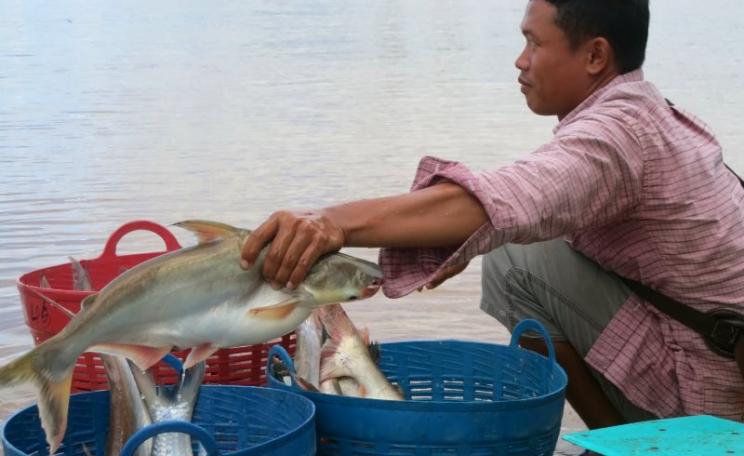
Investigative reporter, TOM FAWTHROP has just returned from the site of the Don Sahong - a hydrodam being constructed in the middle of an eco-paradise of wetlands in Southern Laos where over 200 fish species have been recorded.
A new UN report warns of a threefold increase in extraction of the Earth's primary materials between 1970 and 2010, writes Alex Kirby. The boom in the production of minerals, ores, fossil fuels, timber and biomass and will be to intensify climate change, increase air pollution and reduce biodiversity.
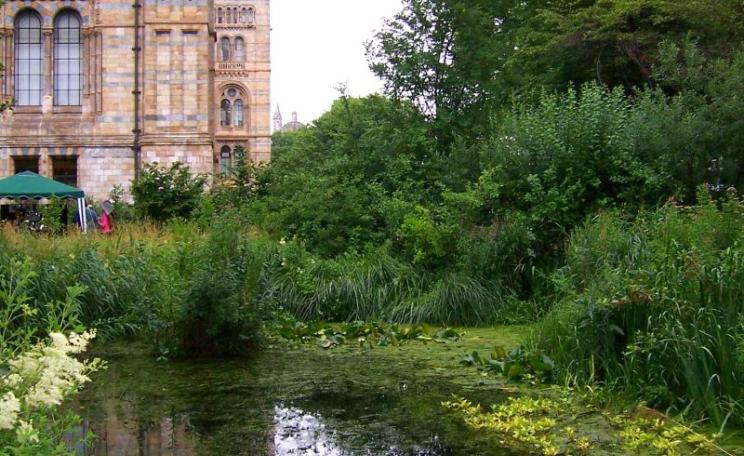
A proposed redesign of the Natural History Museum's grounds in London would cause some unfortunate collateral damage, writes Gary Grant - the destruction of the Museum's 21 year-old wildlife garden, an ecological jewel in the heart of London which features over 3,000 species of plant and animal in just one lovingly tended acre. The Museum must think again!
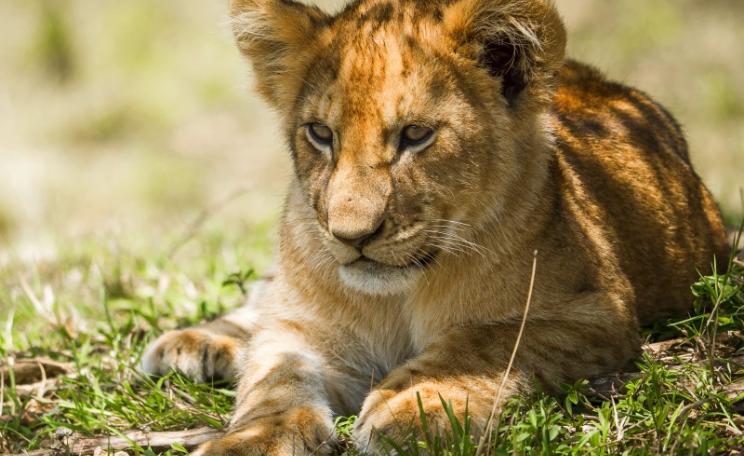
The conflict between lions and Africa's cattle herders goes back centuries, write Grant Hopcraft and Sara Blackburn - and lions have been the big losers in recent years. But where local people benefit from ecotourism, that ancient enmity can quickly be set aside. 'Community conservancies' around formal protected areas are helping both lions and indigenous communities to survive and thrive.
Monarch butterfly numbers are dwindling despite protection of their wintering forests in Mexico, and voluntary schemes to restore their food plant, milkweed, in US field margins, writes Eva Sirinathsinghji. These measures alone are insufficient: no less than an end to the mass spraying of glyphosate on crops, predicated by 'Roundup-ready' GM corn and soy, will do.
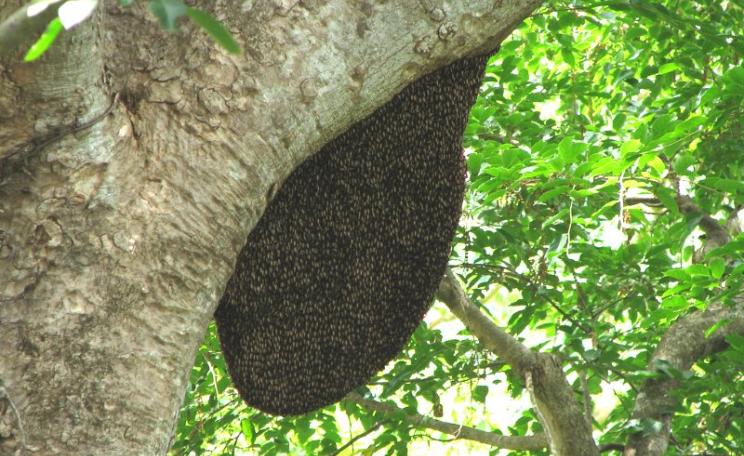
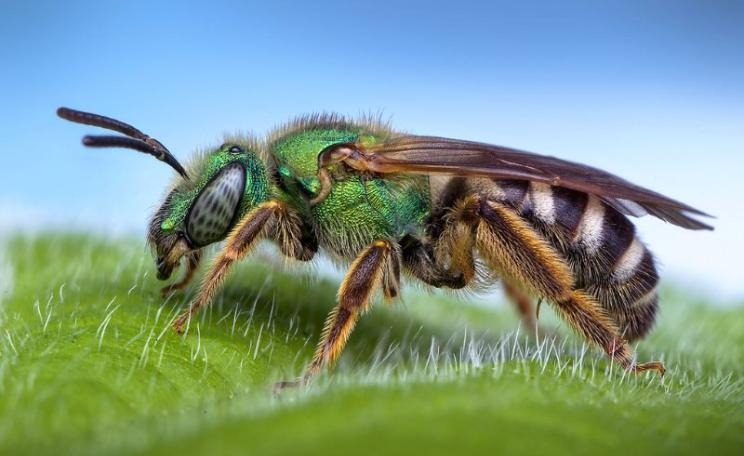
A warming climate and the loss of natural areas are driving Indian bee colonies to the brink, writes Premila Krishnan. Losing this cousin of our European honeybee could be disastrous, as rural communities depend on their honey for food and income, and the bees perform vital pollination services.
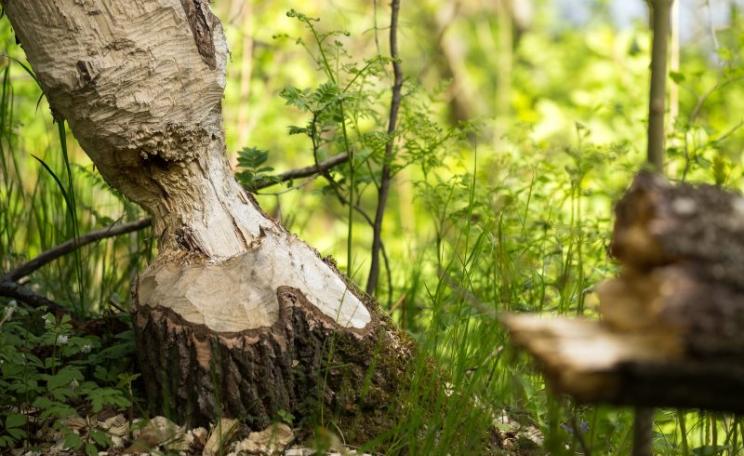
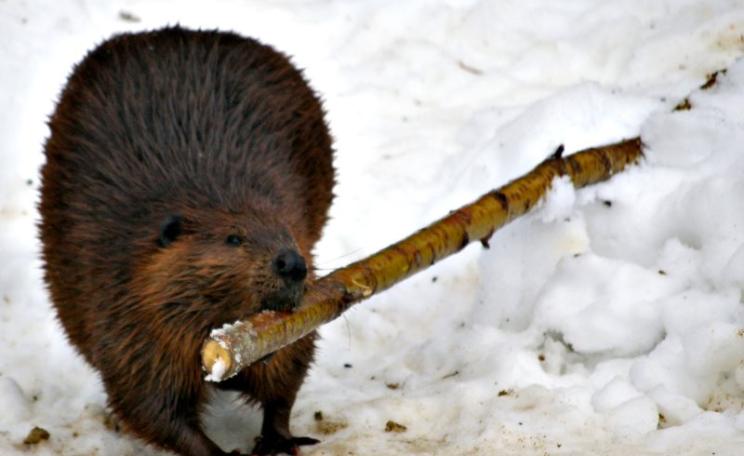
Beavers are Britain's native aquatic engineers and their return to sites in Scotland and England is doing wonders for the local environment, write Nigel Willby & Alan Law: restoring wetlands, recreating natural river dynamics and ecology, filtering farm pollutants from water, and improving habitat for trout and other fish.
The new People Need Nature report - published to coincide with this week's annual Oxford Real Farming Conference - warns that modern farming practices are not good for wildlife. But they're not good for humans either. And with predictions that we will need to produce 70 per cent more food to feed a third more mouths by 2050 the question of seed ownership and diversity cannot be ignored. KATHRYN HINDESS reports
Wild bee decline is closely associated with the advance of intensive farming and habitat loss, a new study shows. It follows an earlier paper that linked 'delayed action' decline of wild bees to exposure to pesticides including fungicides - previously considered 'bee-safe'.
Bullfighting may cause suffering to animals, but that does not mean the EU should ban it or withdraw farm subsidies, writes Robin Irvine. Traditional bull-breeding estates are valuable reservoirs of biodiversity in intensively farmed landscapes, and without the bulls there would be nothing to sustain them.
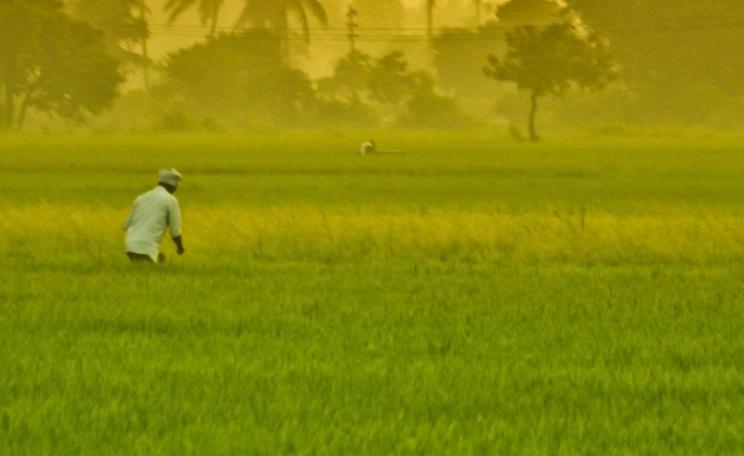
India's Genetic Engineering Appraisal Committee stands accused of Contempt of Court for evading Supreme Court orders to carry out full biosafety tests on GM crops and publish its data, writes Colin Todhunter. The immediate issue is a herbicide tolerant GM mustard now approved for large scale trials, while earlier findings remain under an impenetrable veil of official secrecy.
Yellowstone Park is home to America's last pure-bred wild bison, writes George Wuerthner. Yet the Park's management is planning to kill around a thousand of these precious animals this winter. Ostensibly it's to protect cattle on public lands near the park from brucellosis. But bison have never been known to transmit the disease to them. The real reason is to keep all the pasture for livestock.
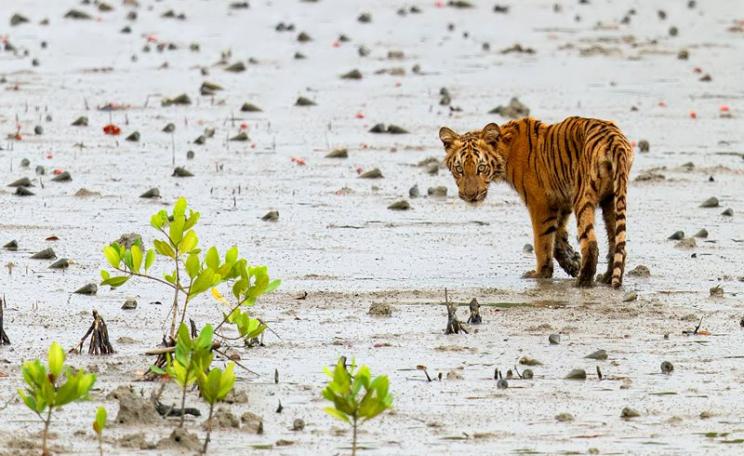
As COP21 reaches its endgame, there are plans to build 2,440 coal-fired power plants around the world, write Mowdud Rahman & Greig Aitken. Their completion would send global temperatures, and sea levels, soaring. Yet Bangladesh, the world's most 'climate vulnerable' large country, has plans for a 1.3GW coal power plant on the fringes of its World Heritage coastal wetlands.
We cannot rely on governments in meeting in Paris to solve the many-headed climate problem, writes Vandana Shiva. It's up to us to safeguard the future of the Earth, and of our own and other species. So let's all join in this pact to love and protect our one and only home.
Is the aspiration to halt the loss of biodiversity by 2030 - enshrined in the UN's new Sustainable Development Goals - a fairy tale? It's ambitious, writes Richard Pearson, but there are plenty of signs that the world is acting effectively to conserve its endangered habitats and species. With extraordinary effort, we can do it.
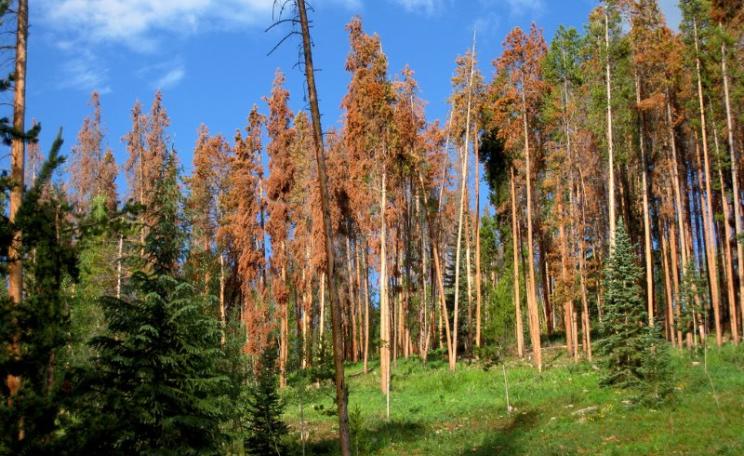
Bark beetles are invariably presented as terrible, forest killing pests, writes Chad Hanson. But in truth forest biodiversity depends on them to create the snags for insects to burrow in, woodpeckers to feed off, and countless birds and even pine martens to nest in. So when you hear politicians calling for bark beetle 'salvage' logging, send them off with a flea in the ear!
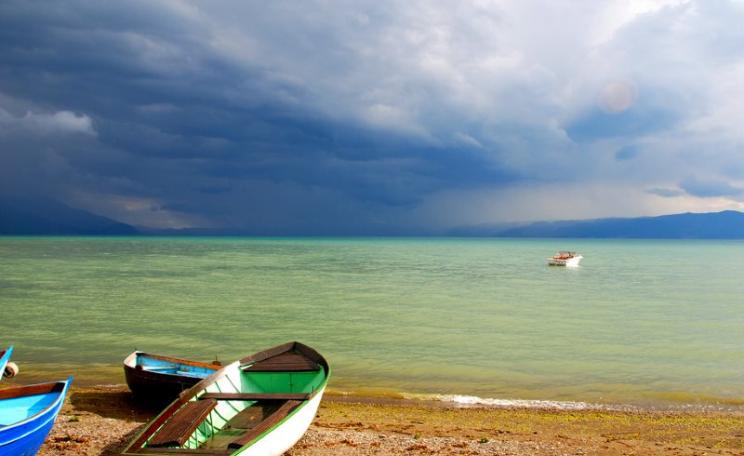
UNESCO's Lake Ohrid-Prespa Biosphere Reserve at Mount Galicica, Macedonia, is at risk from a raft of aggressive developments, write Elena Nikolovska & Daniel Scarry: tourism complexes, a new expressway and ski resort all threaten its tranquility and stunning diversity of wildlife, backed by loans from the EU's taxpayer-funded Bank, the EBRD.
However much you think nature is worth, it's a lot more, writes Neil Nightingale. According to the BBC's 'Earth Index', published today in the world's financial press, water alone is worth as much as the entire global economy, and a single beaver's landscape and wetland management clocks in at $120,000 a year.
It's a seductive narrative, writes Benjamin Neimark: nature is valuable, so let's call it 'natural capital', create markets to monetise it, and so ensure its conservation. But sadly, it's not working. Maybe because capitalism itself is the problem. We need new approaches to saving the world's biodiversity.
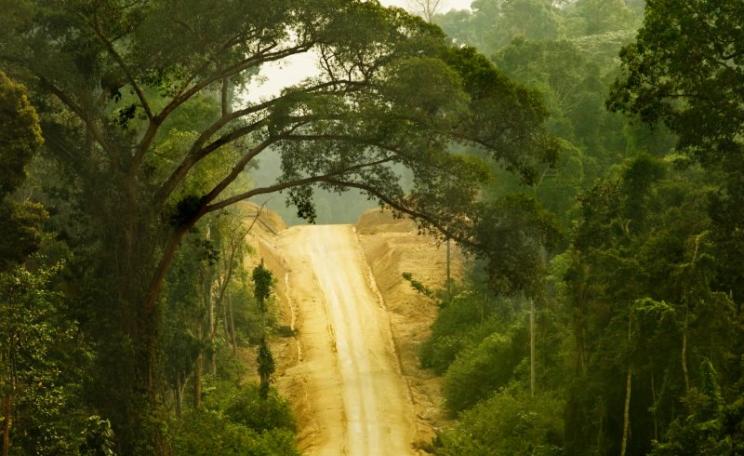
Based on current performance tropical forests, the world's most biodiverse ecosystems, are set to be reduced to species-impoverished fragments by the end of the century, writes Simon Lewis. But it's not inevitable. Decisive action by the world's governments in Paris in December could secure desperately needed change.
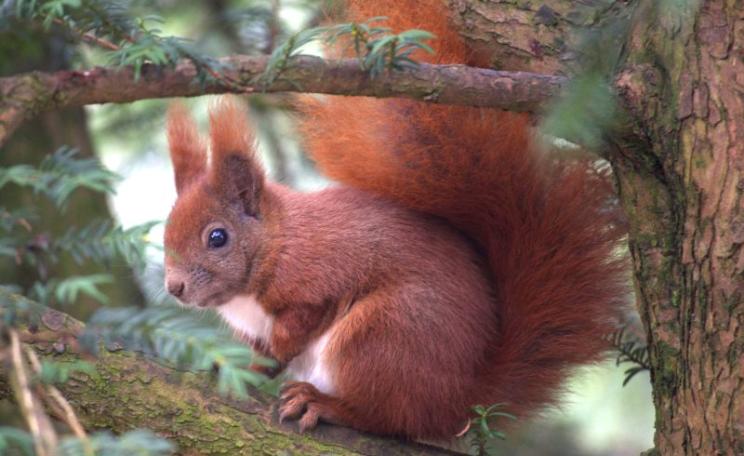
Should we really be spending £1.2 million a year to conserve red squirrels? Yes we should, writes James Borrell. But with Africa's rhinos facing extinction, and vital conservation in UK's overseas 'biodiversity jewels' sadly underfunded, there are much better investments we should be making too.
Rewilding is now firmly on the agenda, writes Paul Jepson, and that brings a huge opportunity to re-invigorate conservation. But we must look to creating new functional ecosystems for the future, rather than trying to recreate a lost and perhaps imagined past.