The political leadership in China has vowed to make the ancient country the world's first ‘ecological civilisation’. But how sincere is this grand ambition? JAMES P GRAHAM travelled to a conference at the Fujian Province University of Forestry and Agriculture to find out
ClientEarth, the environmental lawyers, welcome the latest move by the Chinese to protect nature in the world's largest developing countries. BRENDAN MONTAGUE reports
Overharvesting for the luxury food market is pushing the iconic Chinese giant salamander to the brink. The future of the world’s largest amphibian is in serious jeopardy unless coordinated conservation measures are put in place. CATHERINE HARTE reports
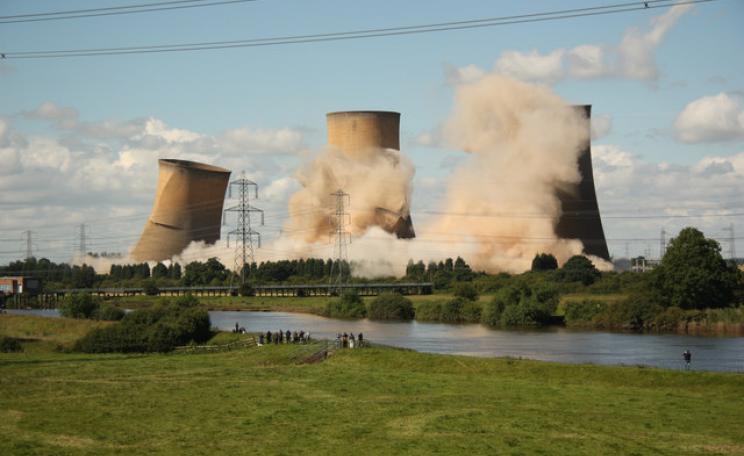
A combination of community resistance, phase out commitments by governments, cities and businesses, and rapid cost reductions in renewable energy has resulted in a huge slump in construction of new coal plants. CATHERINE EARLY reports
A recent academic study examined the data relating to growth in mining exports and the growth in environmental conflicts across Colombia, Ecuador, Peru and Bolivia. The correlation is almost perfect. MARIO PEREZ-RINCON and NICK MEYNEN examine how 'victims' of such conflict can become environmental ‘warriors’.
China's coal extraction and consumption peaked years ago and much sooner than anticipated. But the Silk Belt and Road Initiative – a massive foreign investments plan – seems to outsource China's emissions. Just like we in the West did, when we moved production to China. Ecological economists, FEDERICO DEMARIA and JOAN MARTINEZ ALIER report
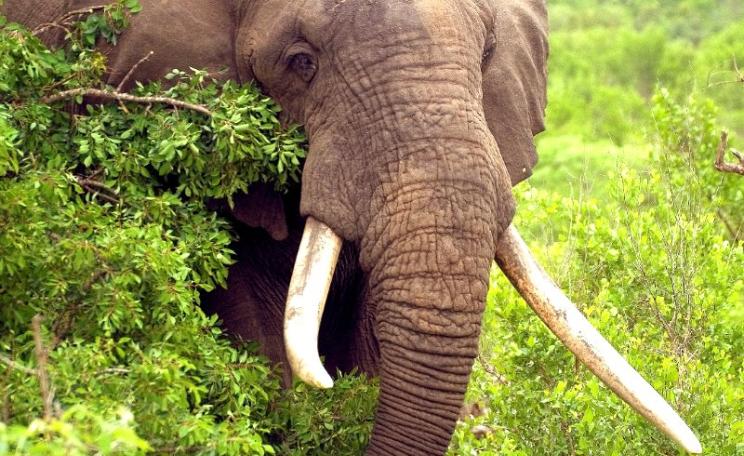
An exhaustive undercover investigation by the London-based Environmental Investigation Agency (EIA) has revealed how criminal gangs originating from an obscure town in southern China have come to dominate the smuggling of illegal ivory tusks poached from African elephants
A crucial component of concrete, sand is vital to the global construction industry, writes Nick Meynen. China alone is importing a billion tonnes of sand a year, and its increasing scarcity is leading to large scale illegal mining and deadly conflicts. With ever more sand fetched from riverbeds, shorelines and sandbanks, roads and bridges are being undermined and beaches eroded. And the world's sand wars are only set to worsen.
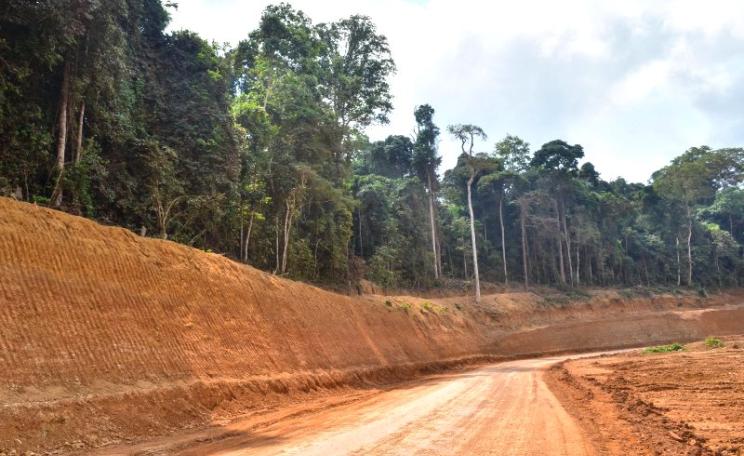
As China pursues a startling array of energy, mining, logging, agricultural, transport and other infrastructure projects on virtually every continent, it is having an unprecedented impact on the planet, writes William Laurance. It's not that China is any worse than historic colonial powers - the difference is in the sheer scale and pace of environmental destruction, and the total lack of oversight under which Chinese mega-corporations operate.
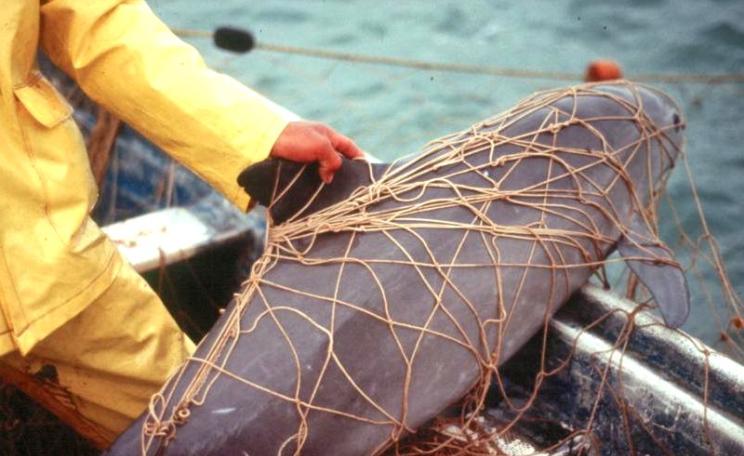
The world's smallest porpoise is fast heading to extinction, writes Aron White thanks to Mexico's failure to ban the use of gillnets in its range, and China's illegal imports of totoaba fish swim bladders, used in Chinese medicine. Without urgent and effective action the vaquita will soon disappear for good.
Land grabbing has been going on since the mists of time, writes Nikita Sud, and took off like never before under European colonialism. But now 'developing' countries are also getting in on the act - notably China, an economic superpower in its own right, as it ruthlessly, and often corruptly, expands its global land holdings at the expense of nature and small scale farmers.
China's domestic ivory trade ban, which comes into force this year, is a major cause for optimism, writes Aron White. There are still loopholes, such as a partial exemption for 'cultural relics', that need clarifying and closing. Yet the new law sends a strong and timely signal that the global ivory market is progressively shutting up shop.
Chinese citizens are responsible for much of the wildlife crime taking place in Namibia, inflicting immense damage to the country's environment, and undermining community based conservation, writes the Namibian Chamber of Environment in this Open Letter to China's Ambassador Xin Shunkang. China must act to stop its citizens' criminal activities, and invest in making good the damage caused.
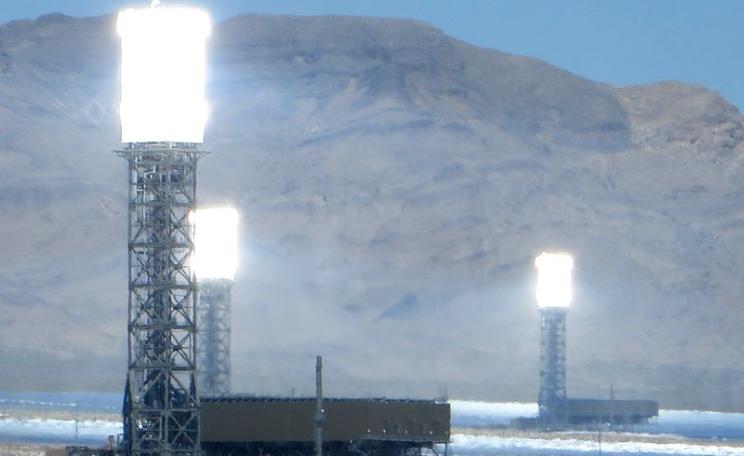
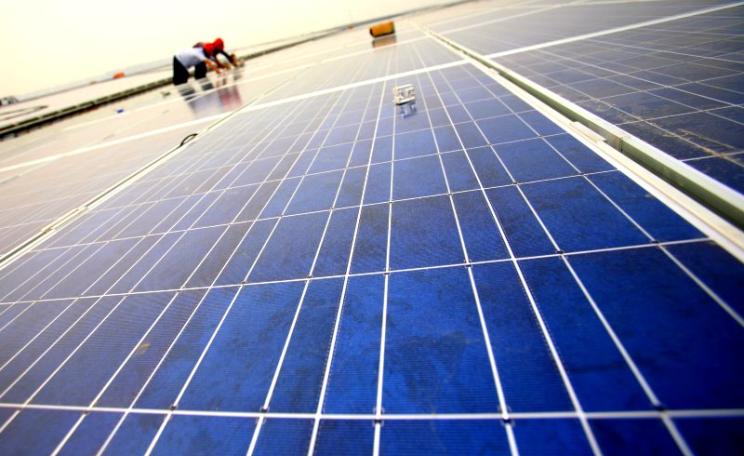
As the new year begins, the global clean energy transition is progressing much faster than most people realise, and is probably irreversible, writes Jeremy Leggett. President-elect Trump's prospects of revitalising the US coal industry, and giving the oil and gas industry the expansionist dream ticket it wants, are very low.
With European climate policy in post-Brexit lockdown, and US delegates gripped by uncertainty (even for their own jobs) following Trump's election, a new global climate leader is emerging, writes Natalie Bennett. China is stepping up as the country with the finance, technology and industrial might to take forward the Paris Agreement - and for its companies to reap the benefits.
With 27,000 African savannah elephants a year illegally killed for their ivory, the species is in peril, write Ross Harvey & Alexander Rhodes. Now international action at CITES and the closure of domestic ivory markets are attacking the ivory trade at both ends. But we must also give our full support to 'elephant neighbor' communities.
'Fast breeder' reactors are promoted by nuclear enthusiasts as the clean, green energy technology of the future, writes Jim Green. But all the evidence tells us they are a catastrophic failure: complex, expensive, unreliable and accident-prone. Is Japan's decision to abandon its Monju reactor the latest nail in the coffin of a dead technology? Or the final stake through its rotten heart?
With the conference of the CITES convention limiting international trade in endangered species taking place in South Africa this weekend, Chris Newman & Zhaomin Zhou highlight China's problem of out-of-date species names in its national laws. If they are not updated, it's only a matter of time before illegal wildlife traders escape conviction under under this legal loophole.
The French and the Chinese may be celebrating the UK's decision to press ahead with the Hinkley C 'nuclear white elephant', writes Oliver Tickell. But the deal is a disaster for the UK, committing us to overpriced power for decades to come, and to a dirty, dangerous, insecure dead end technology. Just one silver lining: major economic, legal and technical hurdles mean it still may never be built.
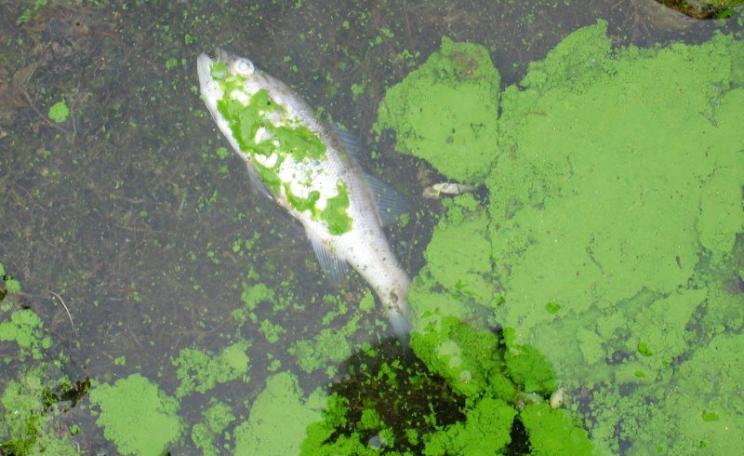
Ecosystems don't collapse a little at a time, writes JAMES DYKE, but all of a sudden. So how can we see the danger signs and act in time to save them? A new study of eutrophic lakes shows that the answer lies, not in easily-measured nutrient levels, but from a more subtle understanding of the lakes' shifting ecology and types of species: keystones, weeds and canaries.
The government's surprise delay in signing the contract with EDF to build the Hinkley C nuclear power station has opened up a the space for a forward-looking UK energy policy, writes Jonathon Porritt - one that moves us into the world of low cost renewables, and smart new technologies vital to the global clean energy transition. But is Business & Energy Greg Clark for real? Don't rule it out!
International judges today condemned China's great 'water grab' of the South China Sea - not least for its destruction of over 100 sq.km of pristine coral reefs, dredged and ground up to build artificial islands, and the ransacking of their wildlife, from endangered sea turtles to giant clams.