Today's IPCC report provides all the reasons we need for serious climate action, writes Alex Kirby. But unless key polluting countries commit to deep cuts in emissions, and accept sanctions for non-compliance, there's little chance of any climate change agreement actually working.
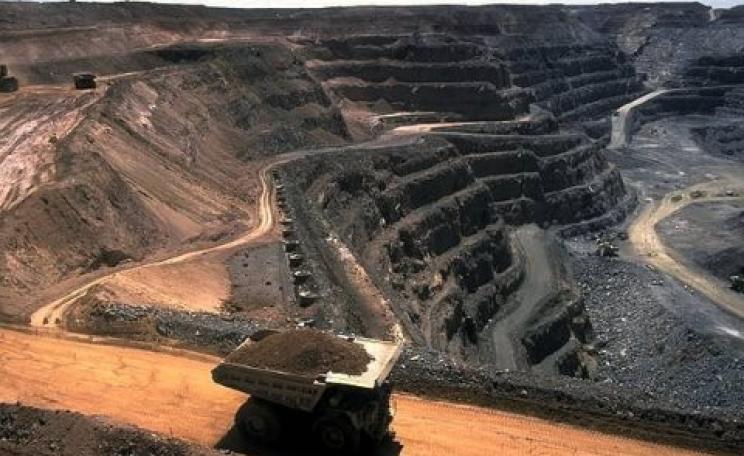
King Coal's reign is coming to an end, writes Chris Rose, at least as a fuel for generating electricity. Following a price collapse half of all production is being sold at a loss - and major coal users like China are still moving away from the high-carbon fuel.
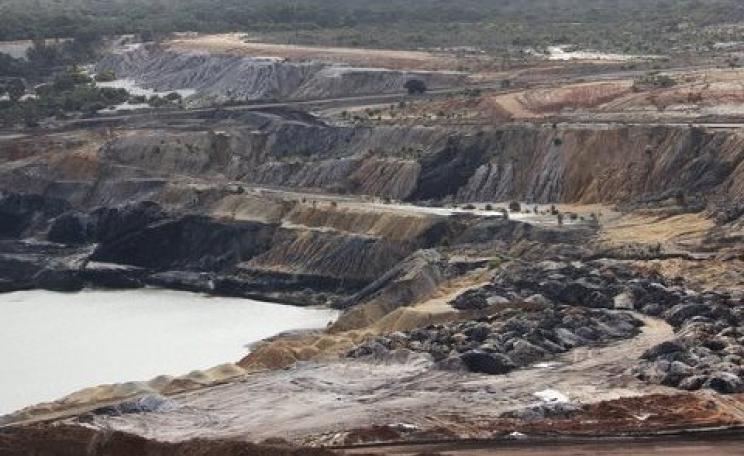
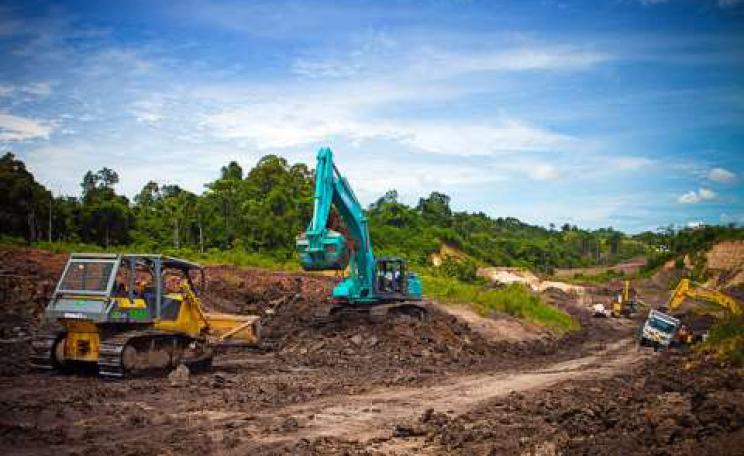
To tackle its serious air pollution, China is imposing stringent restrictions on dirty coal high in ash or sulphur, writes Shabbir Ahmad. One result: half of Australia's coal exports to China face exclusion, or extra 'washing' costs. But Australia's response is not to raise environmental quality. Instead, it's increasing production.
The world's biggest CO2 emitter, China, had a low key presence at the UN Climate Summit yesterday, writes Alex Loy, giving a strong hint that its leaders have lost faith in the ailing UN climate process. But the country is pushing hard on climate solutions at home, including a national emissions cap and effective carbon pricing.
From the day that Danish pig farmer Ib Borup Pederson switched away from GM soy, his animals became healthier and more productive. Birth deformities reduced, sows became more fertile, medicine costs fell, and profits went up. The changes were linked to the reduction in the levels of the herbicide glyphosate in their feed.
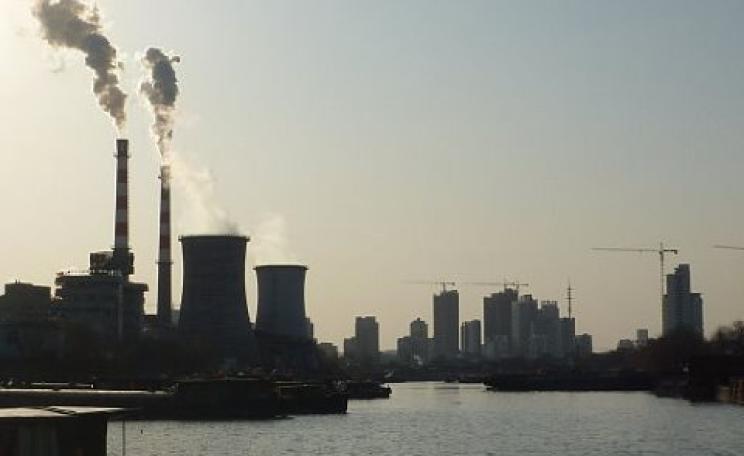
There are hopeful signs that China, the world's biggest emitter of greenhouse gases, is becoming less reliant on the polluting coal that powered its rapid economic rise, writes Kieran Cooke. Great news for China, and the planet - but worrying for coal exporters!
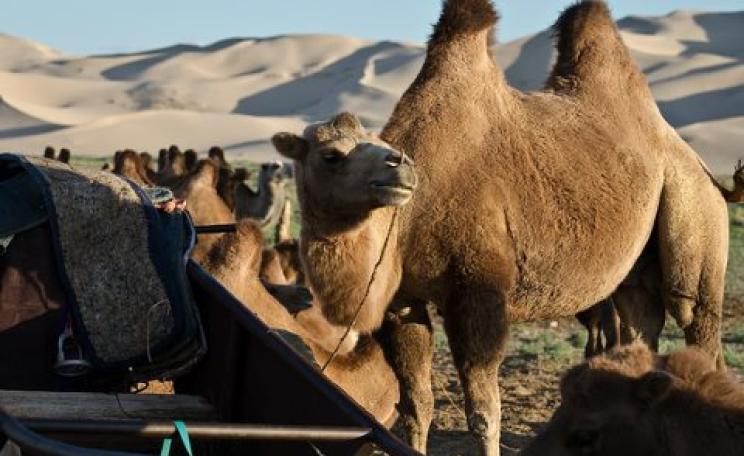
Mongolia and China are separated by world views as well as by a border across the Gobi desert, writes Troy Sternberg. In Mongolia the idea that nature has intrinsic value is readily accepted, while China is more interested in resources for trade, industry and profit. Can a clash of interests be avoided?
A second canal joining the Pacific and Atlantic oceans is planned for Nicaragua, writes Nathan Wood. But the gigantic project is raising growing fears due to a grossly unfair contract, glaring failures of process, close links to the Chinese government, and its enormous - but uncosted - ecological impacts.
In China's remote Mongolian region, indigenous herders are being forced from their traditional pastures to make way for roads and vast mining projects. Last week they held a public demonstration - but it was immediately dispersed with ten arrests.
Humans are to blame for the drastic declines in river dolphin populations around the world, writes Rachel Nuwer. But what exactly are we doing wrong? Mainly, scientists have found, it's building dams - and so destroying and fragmenting their habitat.
Surging Chinese demand for rosewood used in 'hongmu' furniture is ruining forests across southern Asia, writes Zuzana Burivalova. As demand surges, China must impose stricter regulations and harsher punishments or the forests may never recover.
Coal consumption in China is likely to dwindle rapidly, writes Alex Kirby, leaving its own mining sector and foreign coal exporters in serious trouble. Australia and Indonesia are at greatest risk as China may soon stop importing any coal at all.
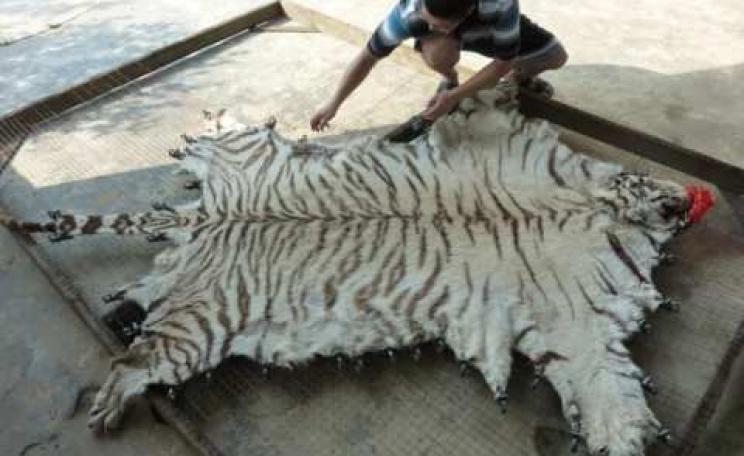
A little-known licensing scheme allows over 100 Chinese companies to trade in wildlife products like tiger skins, ivory, bear bile and musk deer glands. Vicky Lee shows how the system provides cover for the lucrative illegal wildlife trade to reach wealthy buyers.
Cambodia's rainforests are facing destruction from clearance for plantations, and an illegal trade in precious timber, reports Fran Lambrick. Local people who depend on the forest have proved to be its most effective guardians - but they need external support.
Precious Siamese rosewood has been illegally logged to the brink of extinction in the Mekong region to feed a voracious demand for luxury furniture in China which leaves a bloody trail of death, violence and corruption in its wake.
Beijing is to plant trees over an area 200 times the size of Central Park in the city's latest effort to neutralise its choking pollution. But Jun Yang asks - how much will the trees really help, unless accompanied by drastic reductions in emissions?
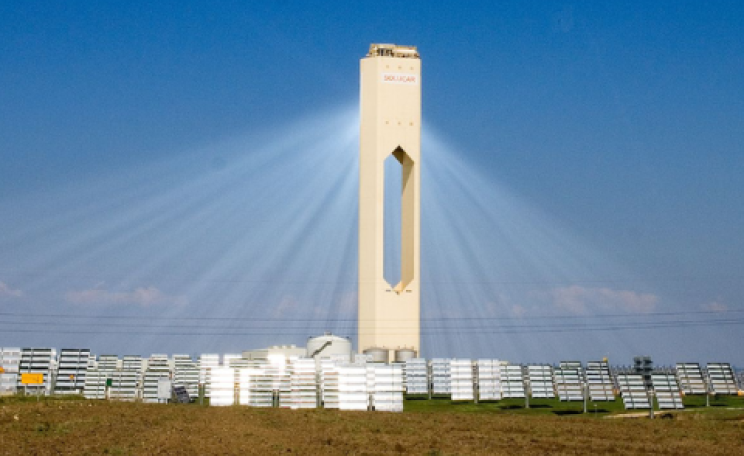
The solar industry is going great, with tens of gigawatts of new capacity planned for 2014 alone. But as Jonathon Porritt writes, the solar revolution could be going even faster - with smart, consistent policies for solar power in Europe and Japan.
One unintended consequence of China's spectacular economic growth is a growing water shortage, reports Joshua Bateman. As rivers run dry, aquifers sink, climate harshens and pollution spreads, he asks: can China solve its water crisis?
The world's biggest slaughterhouse for endangered whale sharks has been uncovered in southeast China, writes Sophie Morlin-Yron. It's products are being traded across the world in health and cosmetic products.
In a landmark decision, the Hong Kong Endangered Species Advisory Committee has voted to destroy almost the entire ivory stockpile, 28 of its estimated 33 tons.
Chinese coal and nuclear energy giants are suddenly piling into the solar industry. Is this the way of the future, not only in China but around the world?
Reports of China opening a huge new coal fired power station every week belie the reality - China is the new global powerhouse for renewable energy. As John Mathews and Hao Tan report, the world must follow its example.
Shanghai is experiencing unprecedented levels of pollution. Last week fine particulate levels reached almost 20 times WHO guidelines, and they are still at dangerous levels. Matthew Currell reports on China's pollution crisis.
China led the reclamation of the largest abandoned rice farm in Mozambique, with the blessing of the authorities. But now the company involved is accused of land grabbing and displacing thousands. Cecilia Anesi and Andrea Fama report