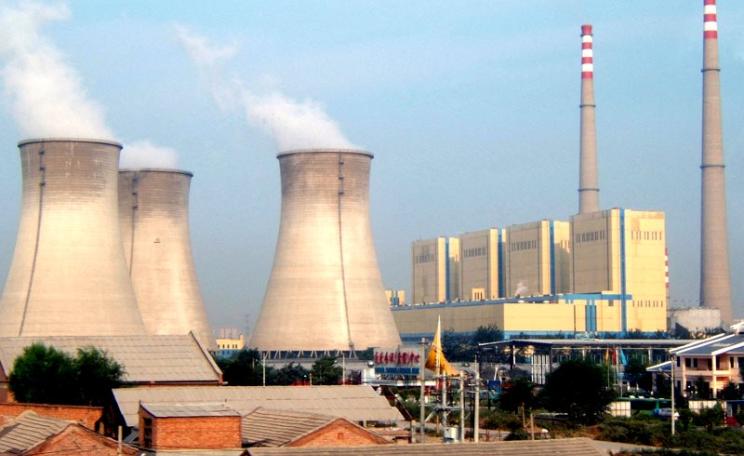
China is struggling with a myriad of environmental challenges, writes Thembi Mutch, as the country 'develops' at breakneck speed with massive construction projects, and industrial expansion. But amid the chaos and filth, the Chinese people are mindful of their history and ancient principles of harmony with nature - something that many are working hard to restore.
Cynical western media are pouring cold water on reports of China's declining carbon emissions, writes David Toke. The trouble is, the cross-sectoral statistics that demonstrate the reductions are actually rather convincing. Maybe journalists should be asking different questions - like just how well is the US performing?
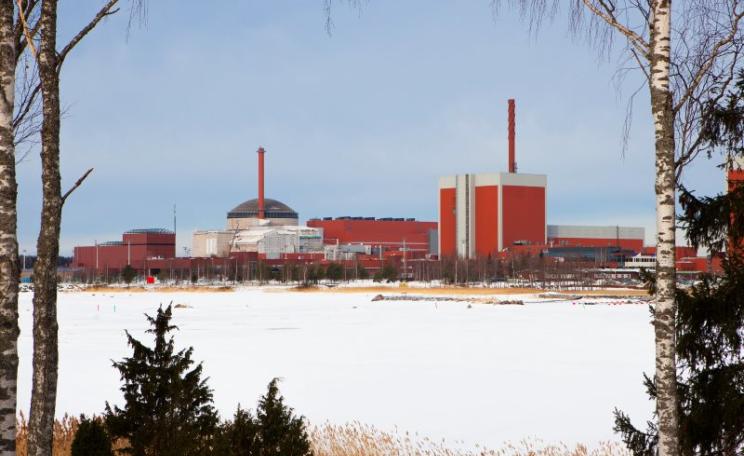
This week Finland cancelled its option for a second European Pressurised Reactor as the existing EPR project sinks into a abyss of cost over-runs, delays and litigation, writes Jim Green. It now looks like the EPR is a failed technology and its owner, French nuclear giant Areva, is fast running out of both money and orders as its 'hot prospects' evaporate.
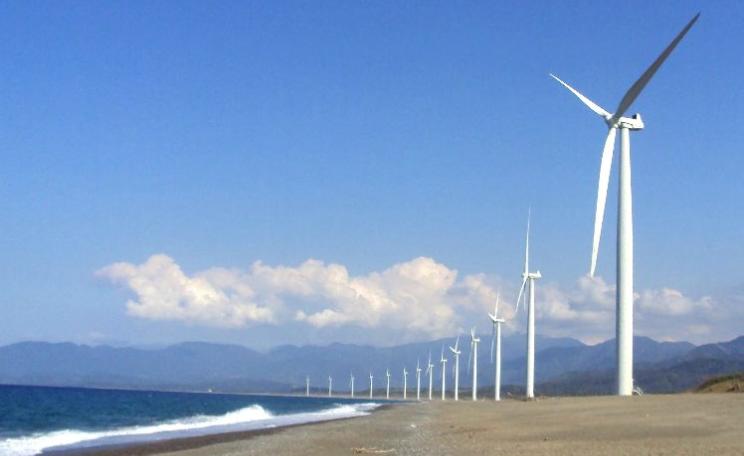
Mainstream energy analysts cling firmly to the belief that fossil fuels will attract the lion's share of world energy investment for a long time to come, writes Michael Klare. But there are four compelling reasons why they are wrong. The renewable revolution is under way, and has already gathered an unstoppable momentum.
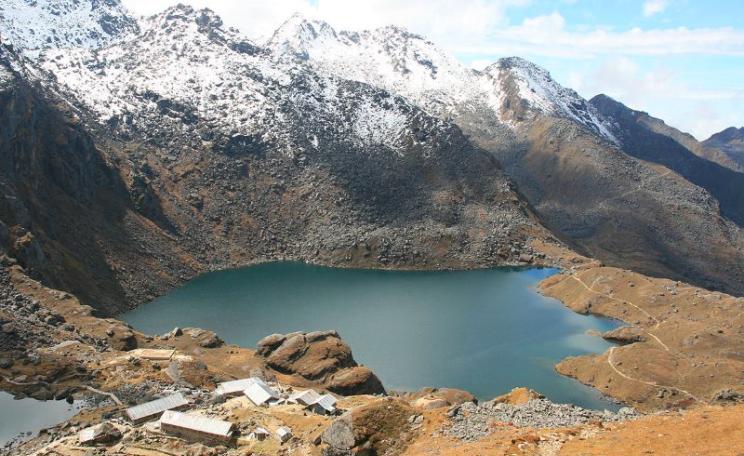
A spate of hydroelectric dam building in Nepal means that future earthquakes could send inland tsunamis flooding down the steep mountain valleys, writes Michael Buckley. Disaster was averted in last month's quake - a badly damaged dam was not yet filled. But despite the risks and the damage to river ecology, tourism and rural livelihoods, there's no sign of any policy shift.
China's growing 'bling' culture has taken off big time, writes Thembi Mutch - yet it is widely reviled among ordinary people who in the face of China's industrial boom hold resolutely to traditional values of economy and frugality, quietly yearning for the old days of clean air and safe, wholesome food to fill their stomachs.
When Michael Buckley took a white water rafting trip in Tibet in 2005, he had no idea of the adventure he was embarking on - a ten-year investigation of China ruthless exploitation of Tibet's mineral and hydroelectric resources, and its systematic attack on indigenous Tibetans, their culture and their survival on the land.
Rising anger by China's dispossessed - those displaced from their homes, villages and farms to make way for ever-expanding cities and infrastructure - is posing an existential threat to the ruling regime, write Samantha Hoffman & Jonathan Sullivan. At the root of the problem is the state's inability to tackle endemic official corruption and deliver justice to its citizens.
Chinese scientists have established beyond doubt that water polluted with nitrite is feeding the worldwide cancer epidemic. But while China is beating cancer by providing new sources of nitrite-free water, Western scientists, regulators and the editors of scientific journals are doing their best to suppress the truth.
Indian coal firm Adani is struggling to finance its proposed mega coal mine in Australia's Galilee Basin, write Marina Lou & Christine Ottery, as promised government support evaporates and a major investor looks set to pull out.
China's farming boom has massively increased food production, writes John Dearing - especially of meat. But it has come at a massive cost: the wholesale pollution and destruction of core ecosystems.
China has just recorded its first fall in emissions from burning fossil fuels in 15 years, writes Lauri Myllyvirta. The sharp decline has surprised analysts, and reflects the fast growing proportion of renewables in the country's power supply.
The rainforest habitat of chimpanzees and other great apes is being destroyed by the expansion of palm oil projects in central Africa, according to new evidence from Greenpeace.
India's renewable power capacity is set to reach 170GW by 2022, write Areeba Hamid & Oliver Tickell - reducing power shortages and bringing electricity to off-grid of rural communities for the first time. But it may also have an unintended consequence - cutting off investment in India's troubled coal sector as prospects for future profitability evaporate..
China has now overtaken the European Union as the largest new market for solar power, writes Paul Brown - as solar PV becomes one of the world's fastest growing industries - and one that's sure to keep on getting cheaper!
We all know about the risk to elephants and rhinos from the illegal wildlife trade, but now the helmeted hornbills of Borneo and Sumatra are at risk as online traders find ready buyers for their carved beaks in China.
Nuclear advocates take hope from China's plan for 58GW of new nuclear capacity, writes Zhang Chun. But nuclear's share of China's power supply is in long term decline, and the target is likely to be missed as faster, cheaper, nimbler renewables surge ahead.
Beijing has called a halt to new coal mines and will close hundreds of existing operations, writes Kieran Cooke. The move reflects the slowing economy, falling energy demand, concerns over air pollution and climate change, and the massive rollout of renewables.
Communities facing around Taiwan's Taoyuan Airport are facing huge land grabs for a vast airport city that will line the pockets of powerful officials, politicians and developers, but leave them with nothing, writes Rose Bridger. Now, faced with official abuse and police brutality, they are fighting back with street protests and art projects.
EDF has already moved heavy earth moving gear onto the Hinkley C nuclear power station construction site, writes Doug Parr - but that doesn't mean it's a done deal. On the contrary, a host of intractable problems are coming home to roost, and the increasingly troubled project is looking shakier than ever.
The Leader of the US Senate says that under the China-US climate deal, China can 'do nothing at all for 16 years'. John Mathews and Hao Tan examine the claim - and find it's the very reverse of the truth. China is leading the world in greening its energy supply, and has committed to add a massive 1.3GW of renewable power capacity every week for 15 years. Now Mitch - beat that!
Efforts to tackle climate change have failed to make the slightest difference to the exponential increase in CO2 emissions, writes Mike Berners-Lee. The US-China deal at last offers hope that things could change - but to make it work other countries must come on board, and promises must transform into binding commitments.
China and the US have jointly pledged to limit their greenhouse gas emissions, as the Presidents of the two countries met for talks today in Beijing. The move is boosting hopes for the UN climate summit in Paris in 2015 - but is it really enough to restrain temperature rises?
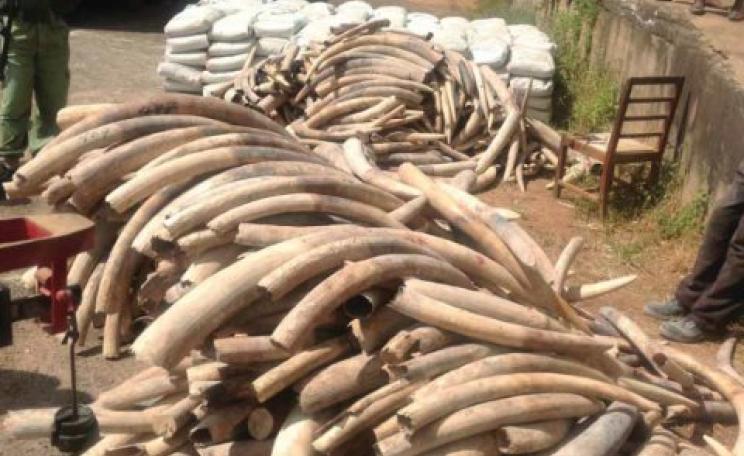
A new report reveals that Chinese-led criminal gangs are conspiring with corrupt Tanzanian officials and senior politicians to traffic huge amounts of ivory. The corruption even extends into the Chinese navy, diplomatic missions and Presidential entourage - all involved in the lucrative but illegal trade.