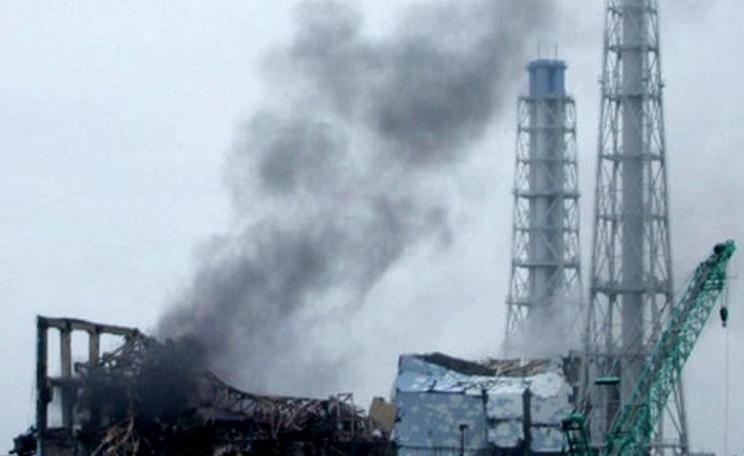
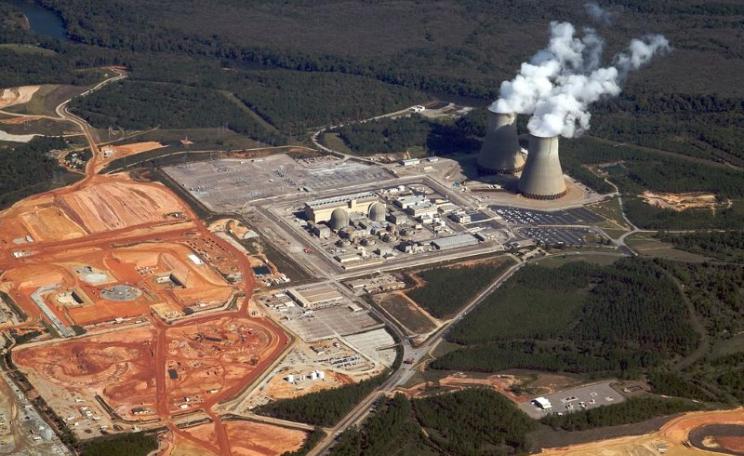
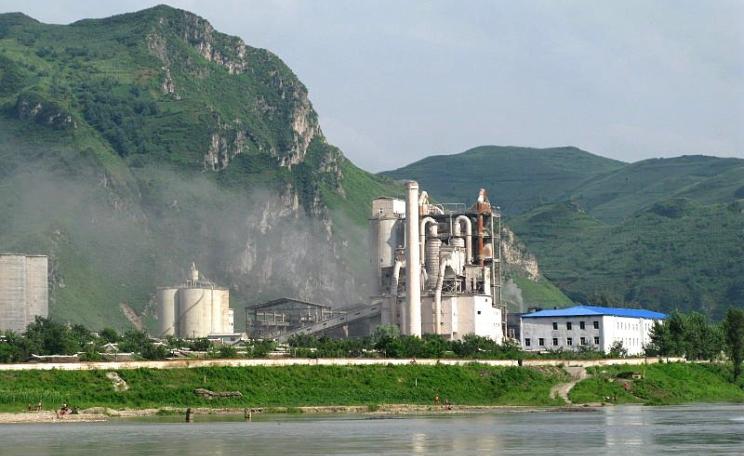
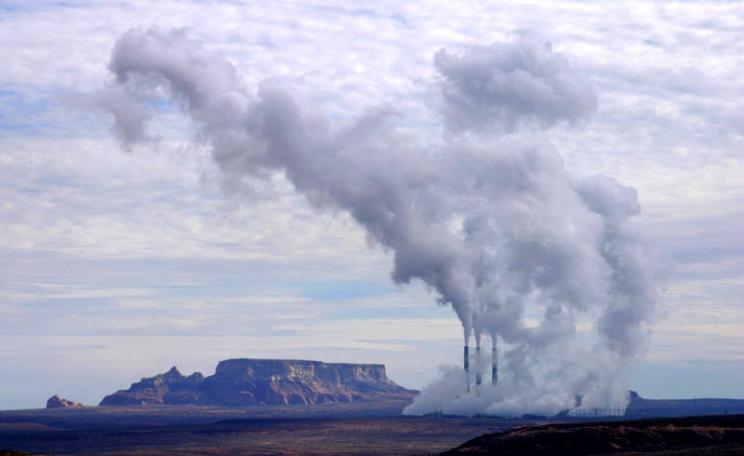
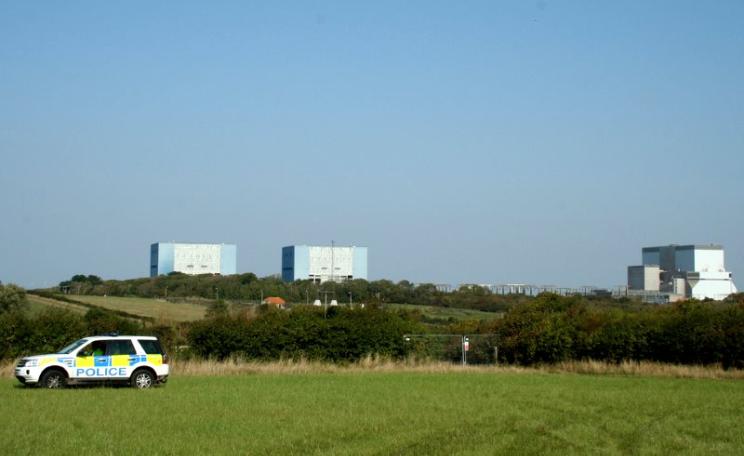
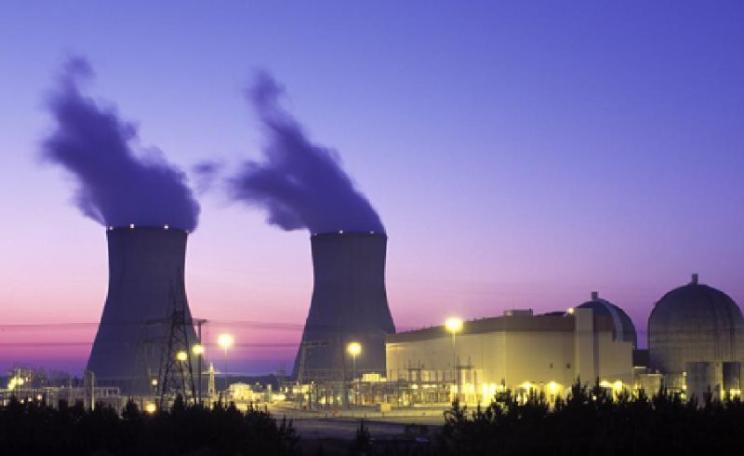
China's plans for 400 nuclear reactors threaten global catastrophe, writes Oliver Tickell. In the normal way of things we could expect major accidents every few years, but with 300 reactors along China's seismically active coast, a major tsunami would be a Fukushima on steroids - wiping out much of China and contaminating the whole planet.
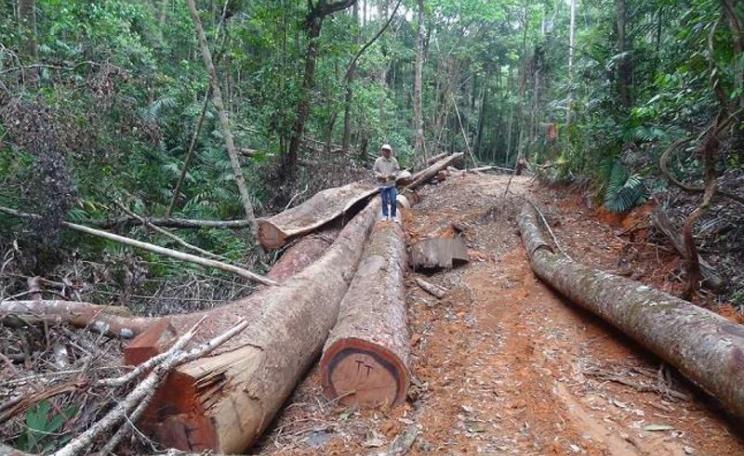
Forests in Laos are disappearing at a ferocious rate under the impact of rampant illegal logging which accounts for 90% or more of the industry, with lucrative export markets in Vietnam and China, writes Chris Lang.
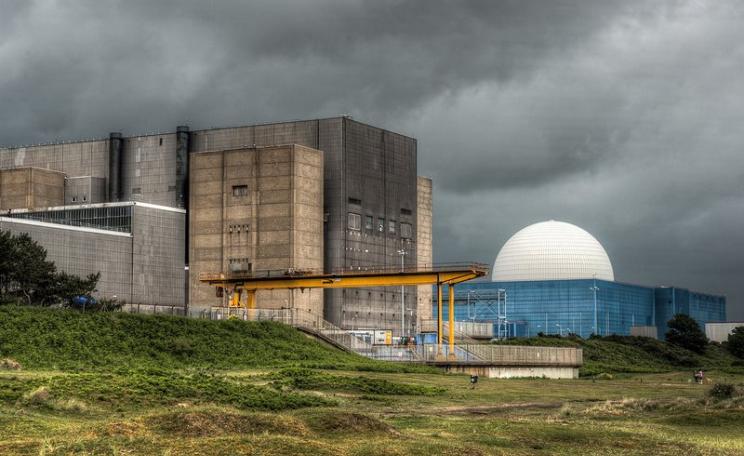
China's nuclear investment into the UK raises more questions than it answers, writes Oliver Tickell. The £6bn committed is nowhere near enough to see Hinkley C to completion, and EDF has few options for raising the rest elsewhere. The only answer is more Chinese money, and it won't come cheap - not for Britain, nor indeed for France's vulnerable nuclear corporations.
The UK's plan to get China to build and finance new nuclear power stations is based on a wish and a prayer, writes Oliver Tickell. There is no reactor design, including new Chinese ones, that we can depend on to fill our impending power generation gap. This time, the last one out won't even have to turn out the lights.
The UK is embarking on a reckless endeavour in its attempted nuclear union with China, write David Lowry & Oliver Tickell. China's investments will come at a high price, one that transcends mere money and the undoubted security risk inherent in its control of key elements of our energy infrastructure. At risk is the UK's very future as a sovereign, independent nation.
The love affair of the 'pro-nuclear greens' with a failed technology has paved the way to the UK's destruction of its renewable energy industry, writes Jonathon Porritt, and to the imminent deal with Chinese parastatal corporations to build a new fleet of already obsolete nuclear power plants at massive cost to us all.
China's smog is an increasing cause of public discontent, writes Oliver Wild - and no wonder! New research shows that the country's air pollution is killing over a million people every year. Thanks to China's geography the problem is hard to solve, but the rapid rise of renewables and the slow demise of coal do offer the promise of cleaner, healthier future.
The successful conclusion of the TPP talks is a huge blow for social and economic justice, writes Nick Dearden in his twelve point summary. But it's not over yet: the long secret text must now be made public. And there's every chance it can be defeated in an increasingly skeptical Congress.
George Osborne's silence over nuclear power in his conference speech yesterday speaks volumes, writes Jeffrey Henderson. Fresh from his trip to China to put together deals worth tens of billions with state-owned Chinese corporations to get Hinkley C and Bradwell nuclear plants built, he had nothing to say on the matter. Is it because too many serious questions remain unanswered?
Just as George Osborne is hoping to get China to invest billions in EDF's Hinkley C nuclear plant in Somerset, news from EDF's Flamanville nuclear site threatens to sink the project. French regulators are to demand another lengthy round of tests on its flawed reactor vessel. And if Flamanville isn't working by 2020, £17 billion of UK finance guarantees for Hinkley C will collapse.
For anyone who believes in the ineffable wisdom of 'free' markets, the current sinkaway oil price takes some explaining, writes James Meadway. Saudi Arabia's big gamble that it could put US shale oil out of business by over-pumping has now collided with China's falling demand for energy. Result: oil producers everywhere are swimming in red ink. Where will it all end?
The IPCC has over-estimated China's emissions since 2000 by 14%, almost 3 gigatonnes of carbon since 2000, while its energy consumption has been 10% higher than realised, writes Eliza Berlage. The country is far more carbon-efficient than we ever knew.
China is by far the world's biggest producer of solar panels, writes Kieran Cooke. But the industry is suffering from over-capacity, razor thin profits and a failure to innovate.
President Obama's plan to cut greenhouse gas emissions may look like a climate victory, writes Tim Kruger - but it's no such thing. It's feeble because the US can meet its targets by reducing emissions to 2030 more slowly than it has since 2000. And it's fragile as any future President can scrap it at will.
Following high-level criticisms of the Hinkley C nuclear plant from HSBC and the Chancellor's father in law, EDF, the company in line to build the power station, is fighting back hard, writes Oliver Tickell. But it could all be too late to rescue the doomed project.
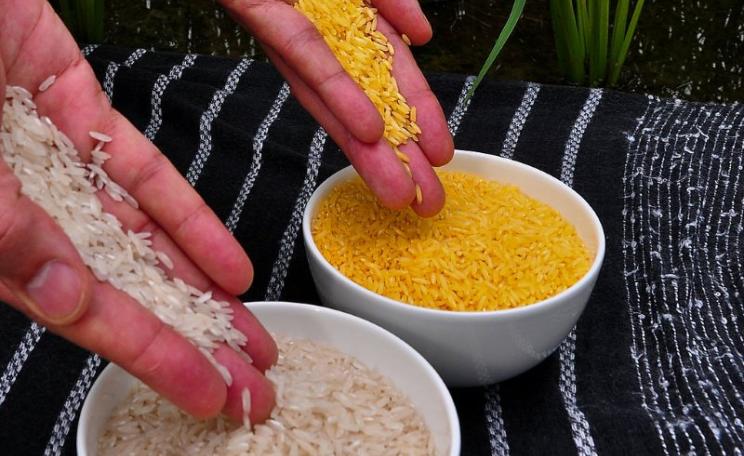
A key paper that's been widely cited to justify the use of GM 'Golden rice' to boost vitamin A nutrition has been withdrawn due to ethical breaches, with no proof of consent by parents of the children taking part in trials. But that's not the only objection.
'Detox' campaigners scored a huge victory this week when EU countries voted unanimously to ban imports of clothes and textiles containing the toxic 'gender bender' chemical NPE.
As nuclear projects using the EPR design run into long delays and huge costs overruns, industry hopes are pinned on the Westinghouse AP1000 reactor, writes Chris Goodall. But with eight AP1000 projects around the world going the way of the EPR, is it really a wise choice for the UK's Moorside nuclear site?
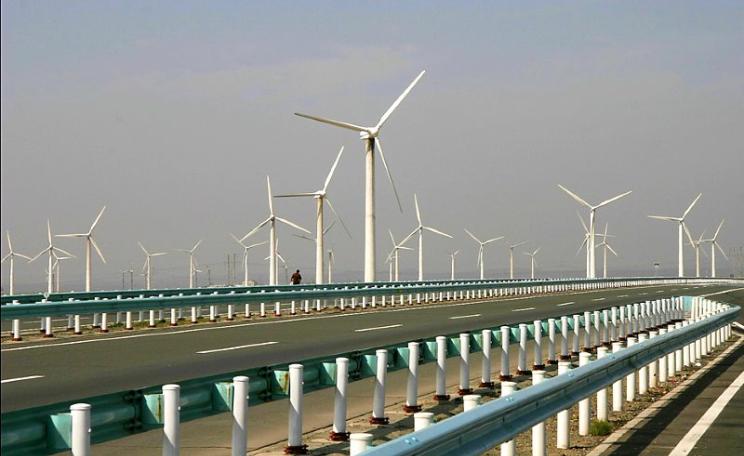
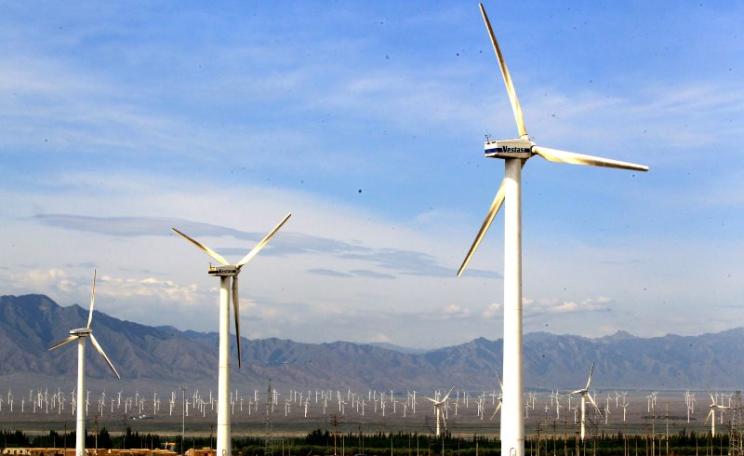
Renewable energy is all go in China, as set out in its climate pledge this week, writes John Mathews, with huge growth planned for wind and solar. The one big loser - coal exporters who can expect falling sales volumes in coming years. Wake up Australia!
Despite the PR spin the truth about nuclear power is clear, says Paul Flynn. Current projects are plagued with technical failures, cost escalations and long delays - while renewables power ahead. As tin-eared ministers refuse to get the message, it's time for civil servants to speak out direct to the public.
A proposed $30 billion railway line linking the the Peruvian and Brazilian coasts threatens devastation to forests and indigenous tribes that lie along its route, and will add to wider pressures on land and forests.
China's success in driving down its fossil fuel burn will raise chances of a success at this year's Paris climate talks, writes Kieran Cooke - but first the world must appreciate the changes China is making, and how clean energy is catalysing a broader economic transformation.
Boading, dubbed China's 'greenest city', is the world's biggest maker of solar panels and wind turbines, write Caleb Goods & Carla Lipsig-Mumme. But it's also has the country's worst pollution. Green energy, electric cars and the batteries that power them are great, but with the heavy toxic footprint they carry from mine to factory, we must not delude ourselves that they are 'sustainable'.
Gaia Vince's remarkable book is far more than a litany of the problems of global warming and mass extinction, writes Robert Hunziker. It's also an inspiring account of how people can respond to such crises in wonderful, imaginative, creative ways, achieving seemingly impossible tasks from seeding glaciers in the Himalayas, to holding back the desert with dew.