The NHS is one of our greatest institutions and we must defend it to the hilt, writes Natalie Bennett. But to build the healthy society we all want and deserve, we need joined up policies across the policy spectrum, valuing human wellbeing above crude economic growth.
With the UK's business air travel falling, the Airport Commission says we need a new London runway to make us happy! But all their data really shows is that people who go on holiday lead happier lives than those who don't, writes Chris Goodall, and that people enjoy holidays: a flimsy basis on which to expand airport capacity, and blow the UK's emissions targets out of the water.
It's time to halt the loss of the nation's front gardens to dreary paving, writes Jenny Jones. Green gardens protect against floods, provide homes for wildlife, keep cities cool in summer, and help us all feel happier. Now, with 7 million gardens already paved over, we must protect those that remain.
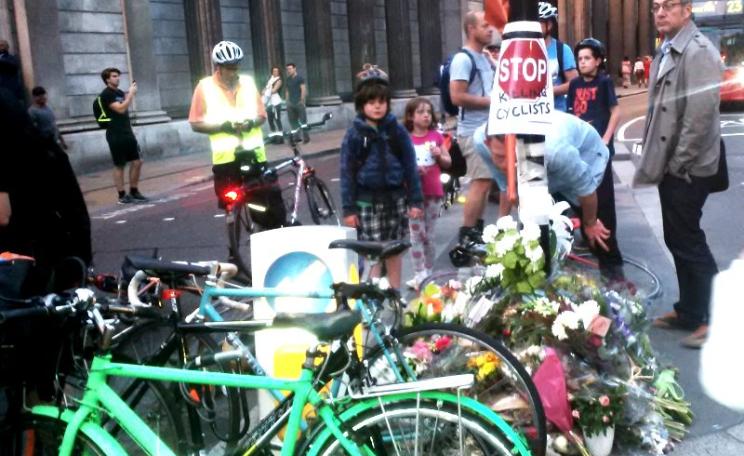
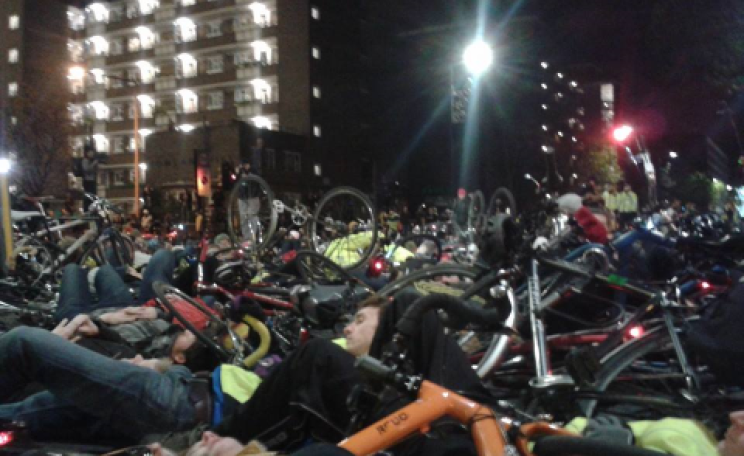
Following a monstrous spate of cyclist deaths in London, protestors are gathering outside the Bank of England tonight to demand: stop killing cyclists! The UK's peaceful cycling revolution is now under way, writes Donnachadh McCarthy, who invites us all to join the movement to make our cities safe for humans.
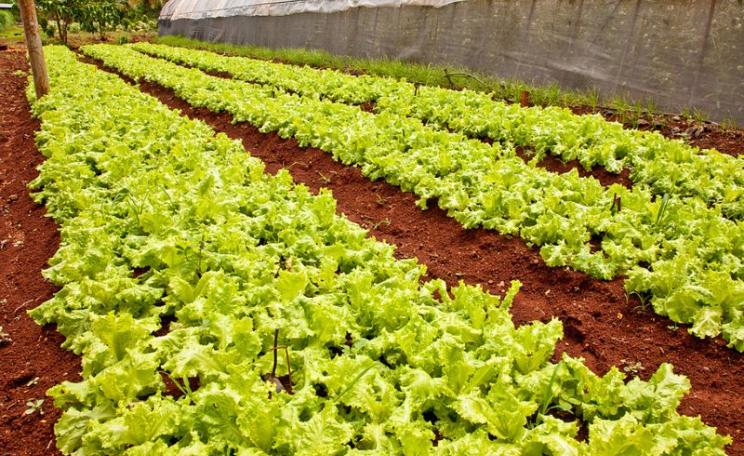
Cuba is a global exemplar of organic, agroecological farming, taking place on broad swathes of land in and around its cities, write Julia Wright & Emily Morris. These farms cover 14% of the country's agricultural land, employ 350,000 people, and produce half the country's fruit and vegetables. But can they survive exposure to US agribusiness?
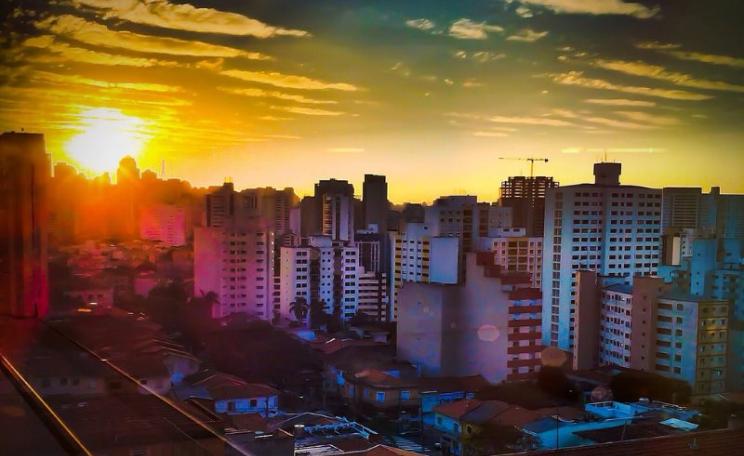
After four years of low rainfall Brazil's commercial capital, Sao Paulo, is suffering from a grim combination of high temperatures and water shortages, writes Leila Carvalho. And now the drought has given rise to a lethal plague of dengue fever.
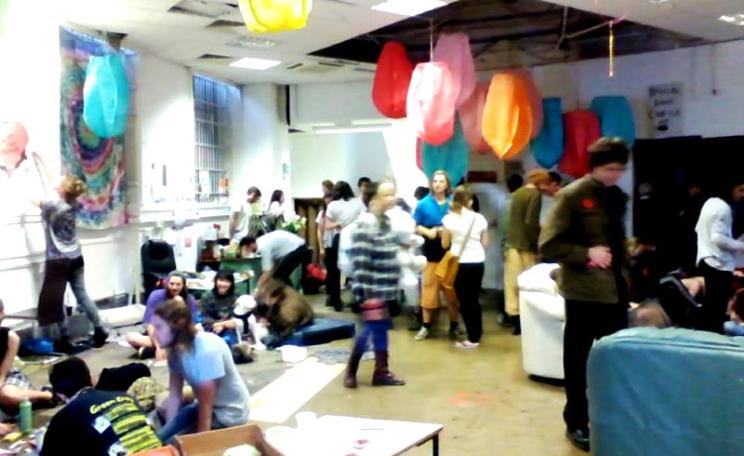
Long a feature of British urban life, domestic squatting has now been criminalised, writes Almudena Serpis. But suddenly two social centres have come to life in a squatted bank in Brighton, and a long abandoned pub in London, reviving the rebellious spirit of the squatting movement, and promulgating a radical anti-austerity message that evokes the struggles in Greece, Spain and beyond.
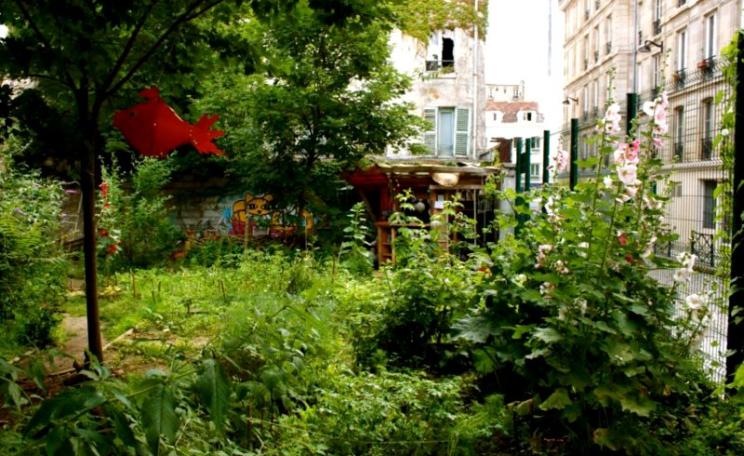
As Paris prepares for COP21 in Paris, Marc Brightman finds that the city is in the grip of a benign but ignorant authoritarianism that is ready to trample on much-loved green spaces like the Bois Dormoy, reclaimed from dereliction by the multicultural local community, which represent real solutions to the global problems of food, climate, the future of our cities, and our place in nature.
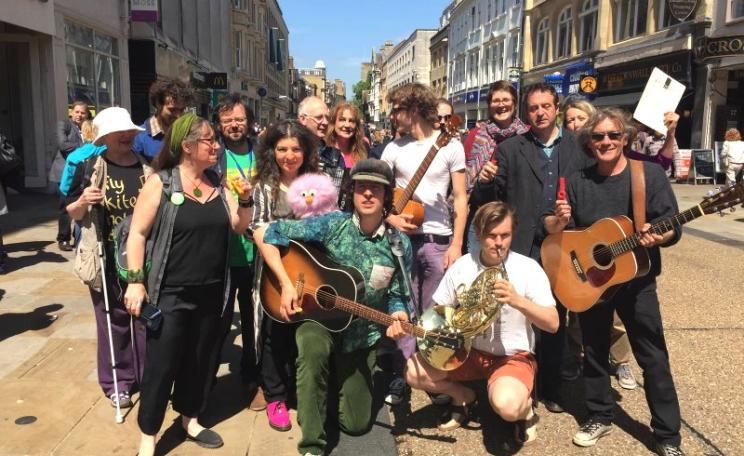
Oxford Council's Executive Board meets today to decide whether to criminalise 'noncompliant' busking, pavement art, cycling and other activities in the City's vibrant public spaces, punishable with a £1,000 fine. Jonny Walker wrote them this Open Letter.
China is struggling with a myriad of environmental challenges, writes Thembi Mutch, as the country 'develops' at breakneck speed with massive construction projects, and industrial expansion. But amid the chaos and filth, the Chinese people are mindful of their history and ancient principles of harmony with nature - something that many are working hard to restore.
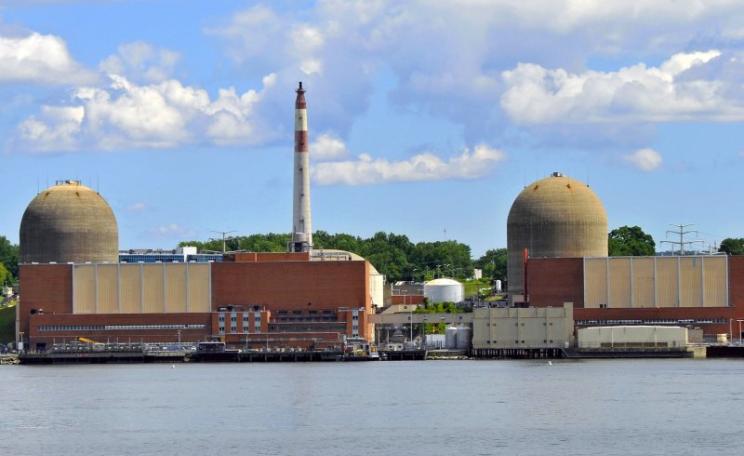
Following the accidental fire in a transformer at the troubled Indian Point nuclear site last weekend, and the unplanned release of oil into the Hudson River, calls are growing for the two remaining power plants to be shut down, writes Karl Grossman. The NRC is likely to extend its expiring licenses for another 20 years - but New York State could still refuse it a water use permit.
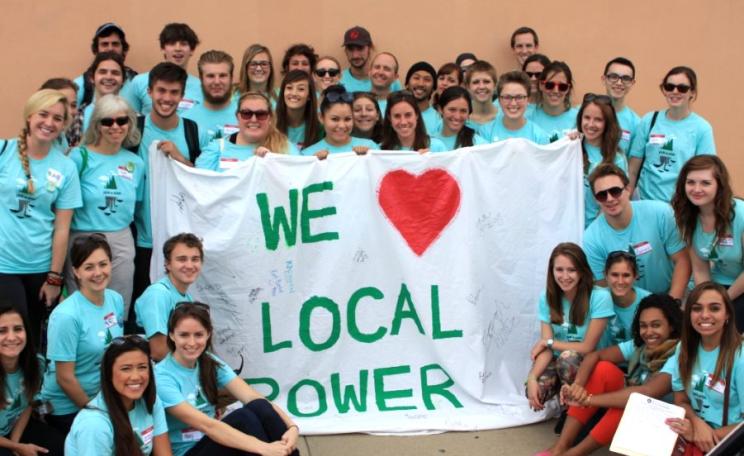
Fed up with being gouged by profit-driven corporations, let down by state neglect and under-investment, urban communities across the US are taking control of local services like public transport, energy, water, internet and telecoms, writes Max Holleran - bringing better service, lower prices and clean energy.
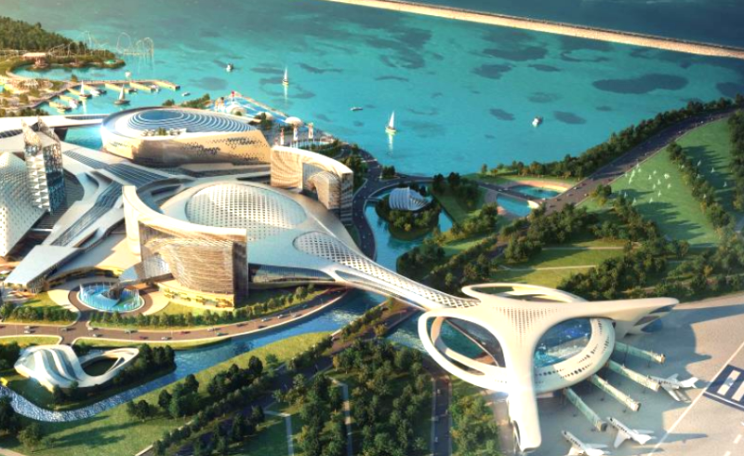
Governments and corporations are driving a global wave of ecologically disastrous airport-centered mega-projects each destroying as much of 100 sq.km of farmland and forests - sucking water, resources and economic activity from surrounding areas, excluding host communities and locking in high-carbon infrastructure for decades to come.
First Jo Cartmell converted her uninspiring front lawn into a 'mini-meadow' full of wild flowers. Next, she waited the return of insect life - not for very long as it turned out. Barely a few years into the project, a remarkable profusion of bees, beetles, moths and butterflies were buzzing and humming around the blooms ...
As the world inexorably warms, Roger Kemp shows how we can help to keep our buildings cool with roof gardens - or just with white paint. And if enough people do it, entire cities will become more cooler, more pleasant places to be when hot weather hits ...
Thanks to massive deforestation along Brazil's Atlantic coast and the Amazon, São Paulo's reservoirs are at just 6% of their capacity and water rationing is in place. But this is just the beginning of a long term drying process that could be recreated around the world as forests are laid waste and hydrology disrupted.
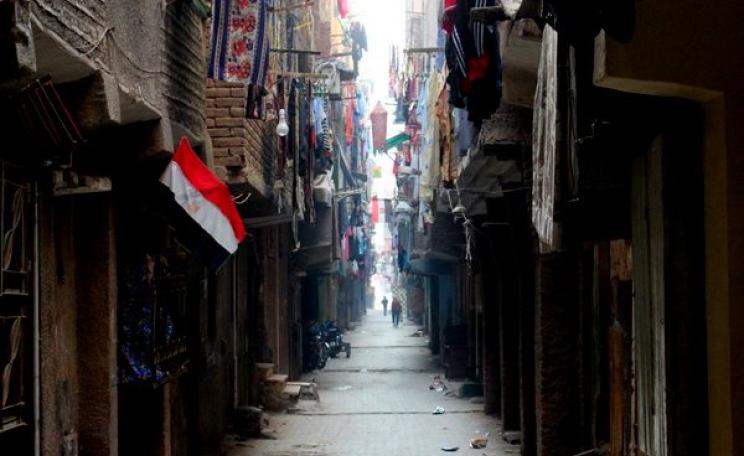
Egyptian researchers have come up with a solution to the a lack of sunlight in Cairo's narrow and dingy streets, writes Patrick Keddie: a sine-wave panel that reflects light as soon as the sun rises. Initial tests indicate a potential five-fold increase in light levels.
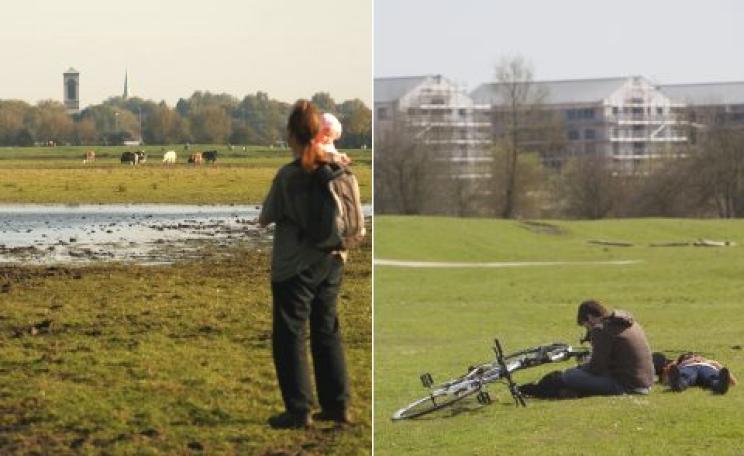
London Major Boris Johnson has taken a key first step towards a new Greater London National Park to safeguard the city's green spaces, waterways and natural treasures - and open them up for people to enjoy.
It's the fossil fuel industry's latest stroke of genius - a coal substitute that's cheaper, dirtier and more toxic than coal itself, writes Ben Whitford. The waste product of refining heavy oil from Canada's tar sands, petcoke is stored in open mountains around Chicago's 'Slag Valley', sending plumes of sticky black dust over poor neighborhoods every time the wind blows.
To reduce the pressure on the world's productive land and to help assure long-term food security, writes Herbert Girardet, city people are well advised to revive urban or peri-urban agriculture. While large cities will always have to import some food, local food growing is a key component of sustainable urban living.
After Gezi Park, another battle for one of Istanbul's increasingly rare green spaces is raging, writes Nick Ashdown - and this time it's on the city's Asian side. Demonstrators are holding a 24-hour vigil on the edge of an 'illegal' construction site at Validebag Grove - despite having been repeatedly detained and attacked by police.
The country's first ever retrospective EIA finds that eight five-storey accommodation blocks built by Oxford University caused 'substantial' damage to historic views of the City's dreaming spires, writes Matthew Sherrington. Planners and University want to 'learn lessons' and move on - but campaigners are determined to cut the carbuncles down to size ...
A year ago six London cyclists were killed in a horrendous spate of road violence, writes Donnachadh McCarthy. A demonstration this Saturday will mark their deaths, and demand Government action to improve road safety and reduce traffic pollution - moves that could save over 210,000 lives over the next decade.
A orchard garden has taken root on a long-vacant lot in an economically and racially divided neighborhood of Boston, writes Orion Kriegman. In the making it has united a community, helped to heal deep scars of violence, and inspired a wider reclamation of the urban commons.