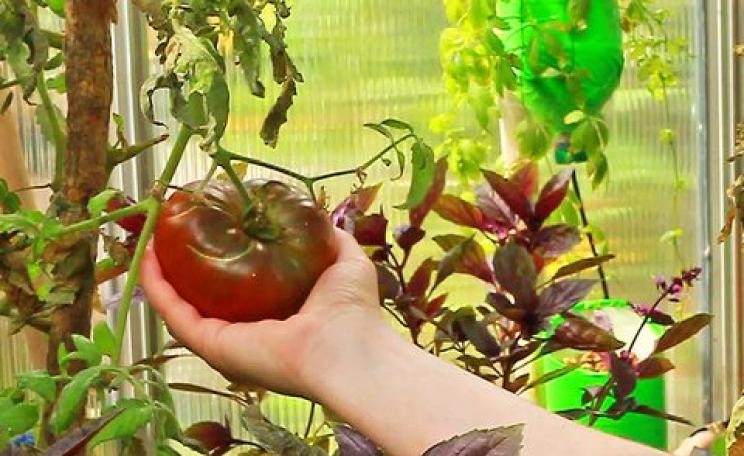
If you don't want industrial agriculture ravaging the world to feed cities nutrient-deprived, genetically modified, chemical-drenched pap, here's an alternative, writes Matt Bevington: let cities grow their own fresh produce on 'vertical farms' in disused industrial buildings, restoring sustainability and accountability to the food chain.
If SeaWorld is looking to build a new park in California, it will be steering well clear of San Francisco, writes Laura Bridgeman. Following a campaign backed by scientists and hundreds of high school students, the City has declared cetaceans' right to be free and 'unrestricted in their natural environment'.
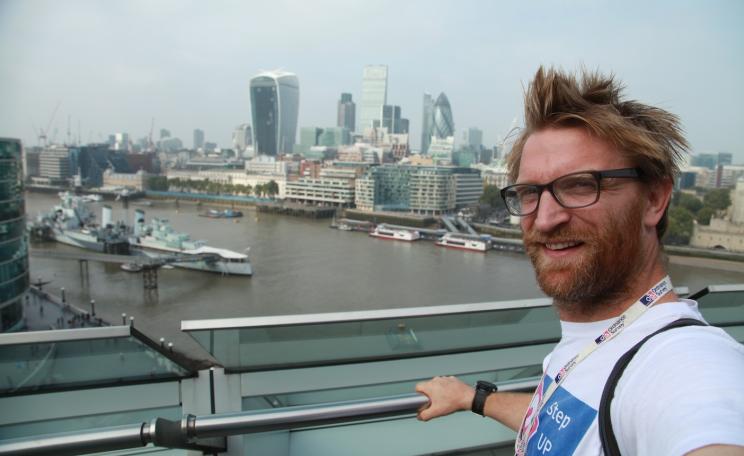
Daniel Raven-Ellison is a man with a big idea - making London the world's first 'National Park City' to safeguard, and promote the enjoyment of London's myriad natural treasures, writes Lucy Anna Scott. Is he bonkers? Probably. But with a growing band of backers getting behind his bold vision, who cares?
Could London, New York and other cities be self-sufficient in fruit and vegetables? Yes, writes Rachel Dring, by converting wasted roof space into gardens and greenhouses. Benefits include reducing waste; raising energy efficiency, sustainability and food security; and healthier, more connected citizens.
With the growing trend for natural swimming in cities new opportunities are opening for architects and designers to create dramatic, inspiring, enjoyable new public spaces in urban waterways, writes Jane Withers. And it's the subject of a new exhibition at London's Roca London Gallery ...
The future of small island states has to be renewable, says Zaheer Allam. But that's only the first of many choices. It's just as important to develop energy networks that are diverse, resilient, adaptive and flexible - and avoid the centralised, unimodal models that investors and bureaucrats prefer to impose, often at huge long term cost.
Government energy policy is caught between apparently conflicting objectives, writes Mark Hackett. But there is a solution that is already working in the UK and abroad - to encourage the active participation of local authorities in delivering low carbon energy to the communities they serve.
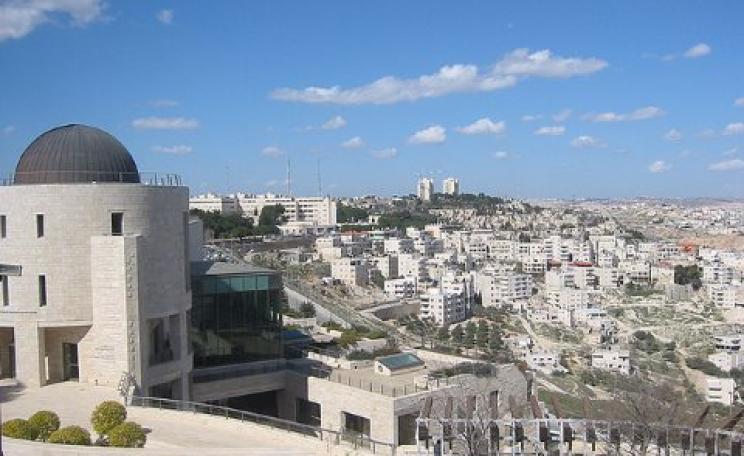
After decades of occupation and dispossession, a culture of sometimes violent resistance has taken root in Issawiya. But it is never fetishized, writes Sam Gilbert - resistance is recognized as the only alternative to slavery, and the only means by which the people will ever achieve the freedom they thirst for.
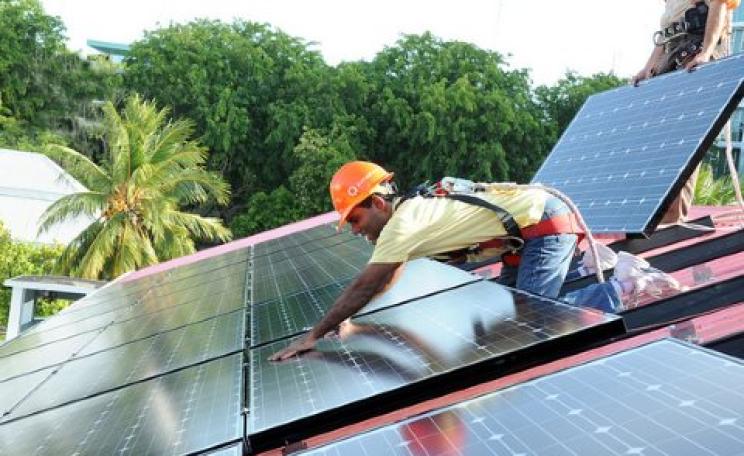
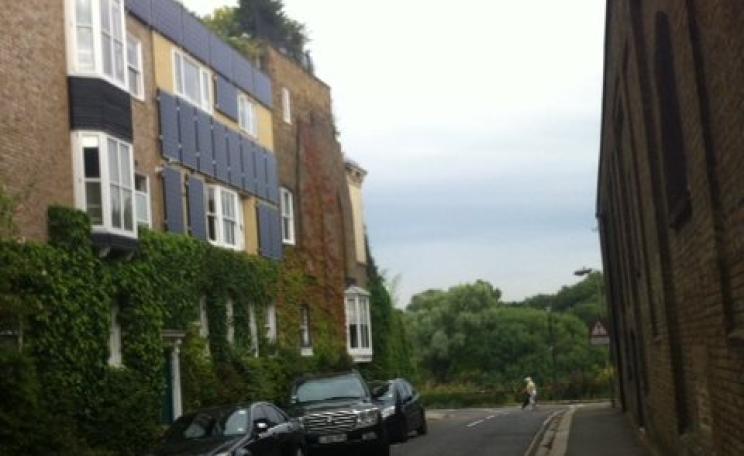
An array of solar panels on a Chiswick side street, facing a brewery wall, constitute a threat to the quality of life of future generations, according to the council and a planning inspector. Paula Owen begs to differ, and wonders - exactly what kind of mushroom have they been smoking?
The UK will break nitrogen dioxide limits until after 2030, EU judges were told today. And now the 'secret' information is public - accidentally published on a Government website, while lawyers were asking judges to keep it secret.
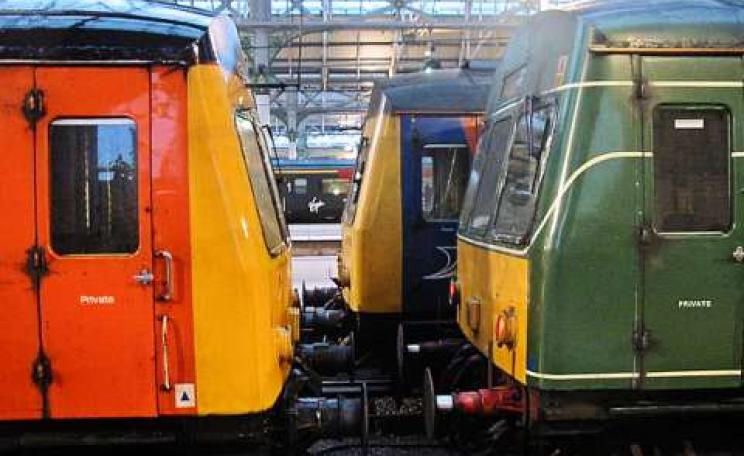
High speed railways connecting Liverpool, Manchester, Leeds, Huddersfield and Sheffield could transform the economy of the north of England, writes Ian Wray - creating a new mega-city that could challenge London's over-dominance.
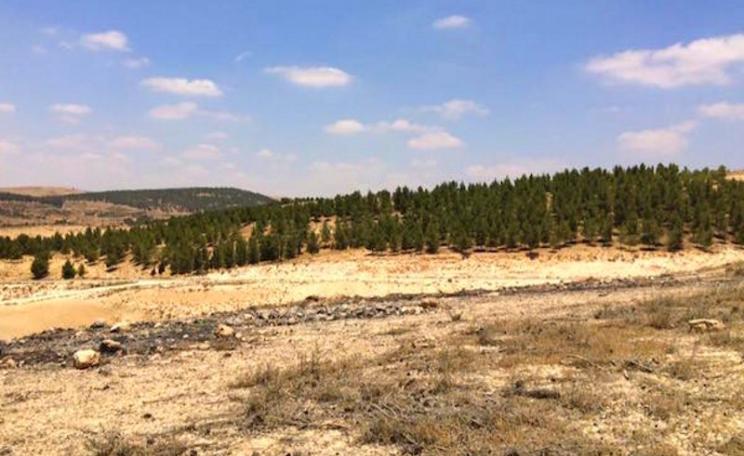
It should be good news, but it's not. Israel's largest man-made forest is set for enlargement, but at the expense of a village where a Bedouin community has lived since they were resettled there in 1956. Its sister village is to be demolished so a new Jewish town can be built on its ruins.
Repowering London is an energising force - not just making renewable energy projects happen, but engaging communities to finance them, training young people to install them, and ensuring the benefits stay local. Lucy Anna Scott meets the dynamic Agamemnon Otero ...
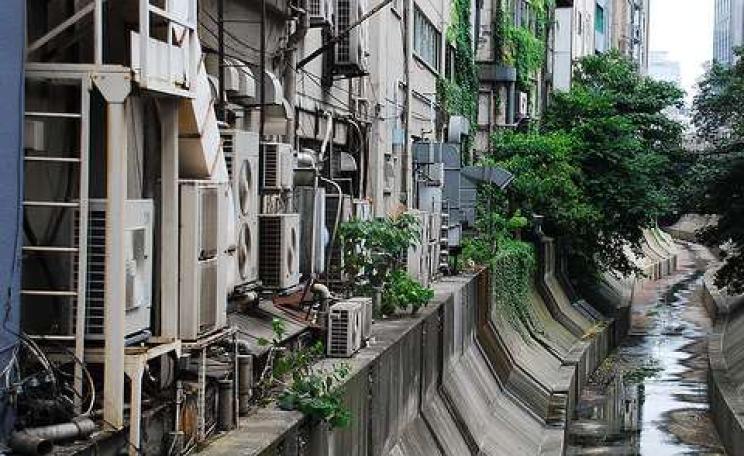
Increasing use of air conditioners to stay cool is making entire cities warmers in a 'vicious circle' of increasing energy use and discomfort, writes Tim Radford.
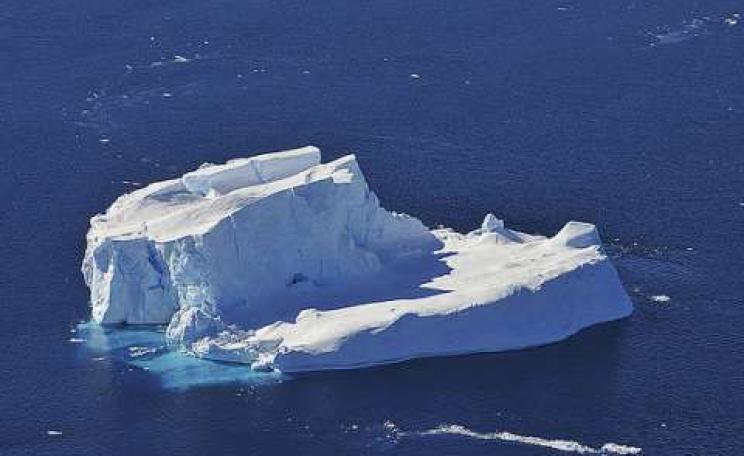
Scientists know that if Antarctica's ice sheets and glaciers collapse, sea levels could rise 5 metres. But the idea that it will take 200 years to happen is based on a linear model, writes Dady Cherry. In fact, the process is exponential - and could take place 'within decades'.
Elevated urban highways epitomise the dark side of vehicular mobility - polluting, visually brutal, noisy, and contributing to local 'heat islands', writes Marco Picardi. So let's re-engineer them for people and create imaginative urban spaces we can all enjoy!
Our road space is dominated by, and planned for, motor vehicles, writes Colin Pooley - leaving while people on foot are crammed on to narrow pavements, obstructed by 'street furniture', made to wait long periods to cross busy roads, and exposed to traffic noise and emissions. It's time put pedestrians first!
Turkey's Gezi Park protestors are finding common cause with Kurdish communities, writes Rosa Wild. Both are suffering from Erdogan's annihilation of land, forests, parks and cities in pursuit of economic growth. A new eco-democratic resistance is taking root.
Beijing is to plant trees over an area 200 times the size of Central Park in the city's latest effort to neutralise its choking pollution. But Jun Yang asks - how much will the trees really help, unless accompanied by drastic reductions in emissions?
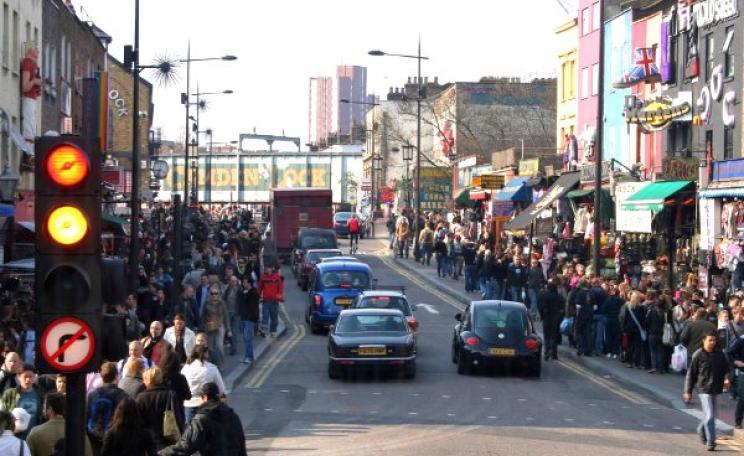
Air pollution in London and other British cities is intolerable, writes Caroline Allen. Faced with the same deadly problem Paris has just imposed restrictions on cars - but here politicians do nothing. It's time to elect some who will act for public health!
Football fans around the globe have their eyes set on Curitiba, Brasil this year, the site of the 2014 World Cup. But as Brian Barth reports, eco-savvy urban planners have been studying Brasil's seventh largest city for decades ...
Biological systems offer design strategies for successfully adapting to an age of climate change and resource depletion. Insights from nature will be essential in creating a green and sustainable future for humankind.
Laws handing sweeping new powers to police and private security to restrict access to Britain's public space will extinguish the diversity of civic life, writes Josie Appleton. Time for us to rediscover and defend our freedoms!
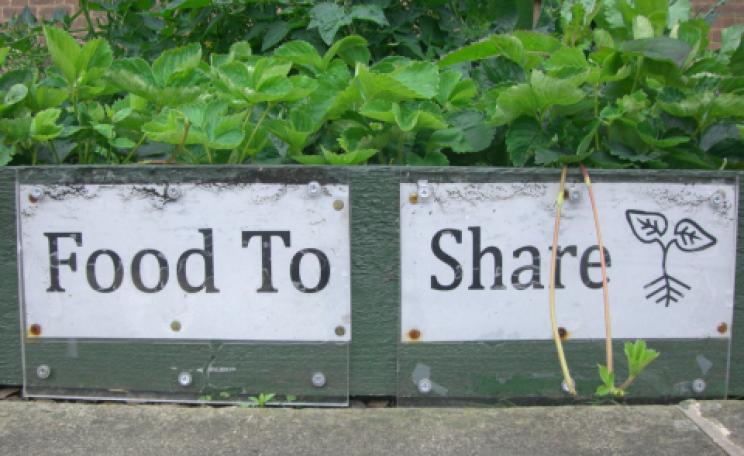
Todmorden in Yorkshire's Calder Valley has been transformed by free food growing on its streets, parks and even its rooftops. Julian Dobson tells the inspiring story of Incredible Edible and how the transformational project is going global ....