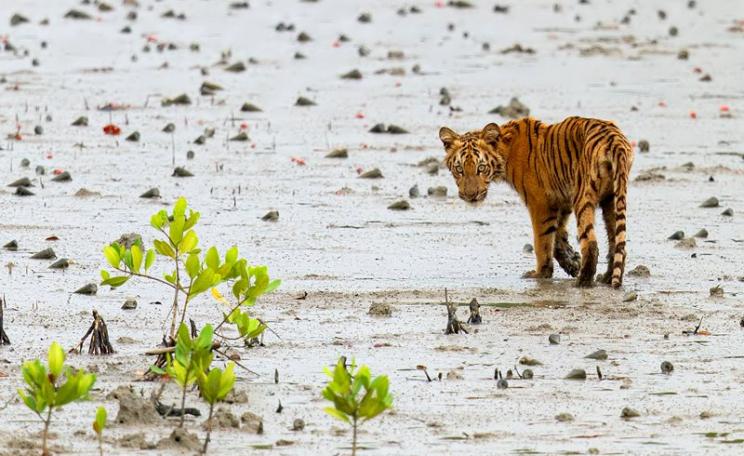
As COP21 reaches its endgame, there are plans to build 2,440 coal-fired power plants around the world, write Mowdud Rahman & Greig Aitken. Their completion would send global temperatures, and sea levels, soaring. Yet Bangladesh, the world's most 'climate vulnerable' large country, has plans for a 1.3GW coal power plant on the fringes of its World Heritage coastal wetlands.
The theme at COP21 today has been the urgent need to cut fossil fuel subsidies that favour dirty energy over renewables, writes Tony Juniper. Sadly the UK is setting all the wrong examples - ramping up its spending on fossil fuels, while slashing its much smaller renewable energy budgets.
Amber Rudd's speech today exposes her total failure to assemble a coherent energy strategy, writes Oliver Tickell. It reveals the increasingly certain failure to meet EU renewable energy targets, proposes a new tax on wind and solar generation, and leaves the country facing the real prospect of lights going out in the next decade. The one hard policy? To maximise oil and gas recovery.
In 2009 G20 nations pledged to eliminate fossil fuel subsidies. But they are still supporting them with $452 billion a year. Worst offenders include the UK, the only G7 country that's ramping up its fossil fuel spending; and Turkey, host of tomorrow's G20 summit, which plans to double its CO2 emissions with a huge new fleet of coal power plants.
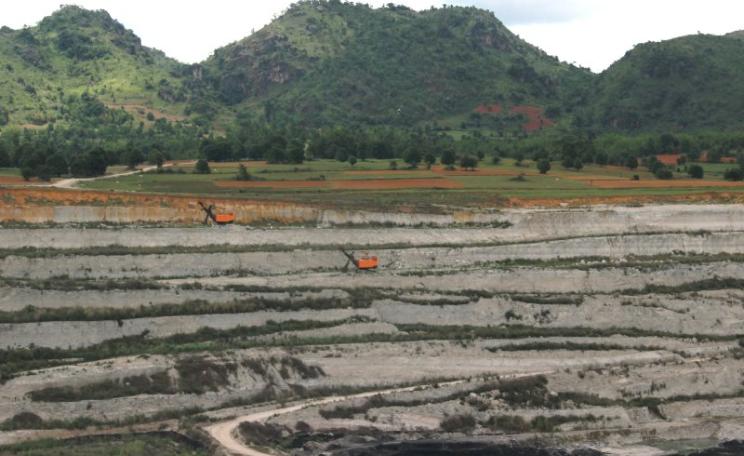
The president of Burma has decided that coal is the way to future wealth and prosperity, write Carole Oudot & Matthieu Baudey. But if the experiences of farmers and village people near Tigyit, site of the country's biggest coal mine and coal-fired power plant is anything to go by, it will bring only poverty, pollution, ill-health and land grabs to rural communities across the country.
China's smog is an increasing cause of public discontent, writes Oliver Wild - and no wonder! New research shows that the country's air pollution is killing over a million people every year. Thanks to China's geography the problem is hard to solve, but the rapid rise of renewables and the slow demise of coal do offer the promise of cleaner, healthier future.
Campaign groups from Indonesia, Kenya and Peru have called on planners in the UK to turn down opencast coal mines in Co Durham and Derbyshire, write Anne Harris & Hal Rhoades. Not only do the mines damage local health and environment, say the activists. They also threaten global climate stability - and all countries must play their part in ending the world's coal addiction.
America's coal-fired power plants produce 140 million tons of ash a year, reports Ben Whitford, most of it dumped in open storage ponds that contaminate drinking water with arsenic and heavy metals. And now Presidential candidate Jeb Bush is promising to scrap 'new and costly' (actually feeble) EPA regulations before they have even been implemented.
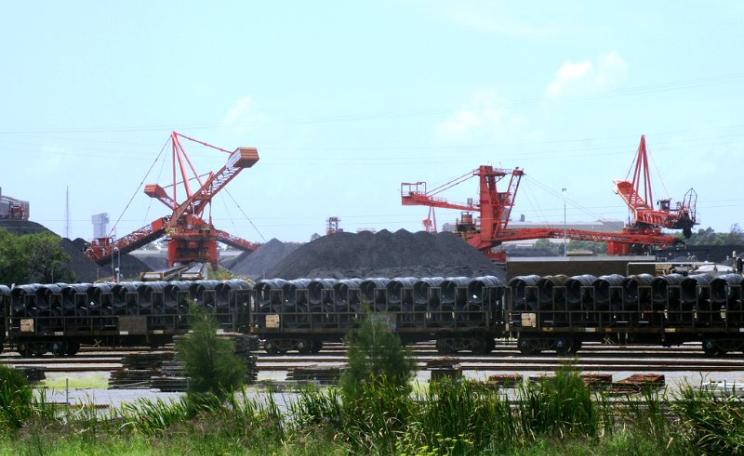
Pledges by investors to divest from fossil fuels have soared to $2.6 trillion - 50 times more than a year ago. 'Now is the time to divest', says Leonardo di Caprio, one of the latest to join the movement, which even includes Newcastle, Australia, home to the world's biggest coal port.
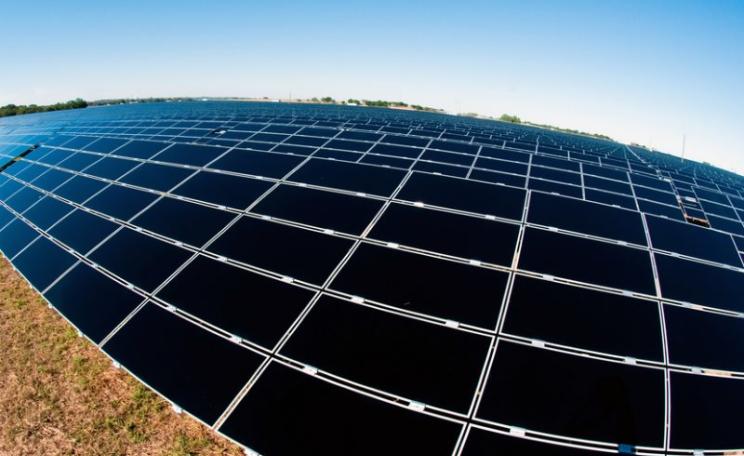
Solar PV costs have fallen by 75% over five years ago, writes Chris Goodall, making it the cheapest new power source for around half of the world's population. Now it's essential to keep incentives to drive demand for a few more years, and make it cheaper than fossil fuels everywhere.
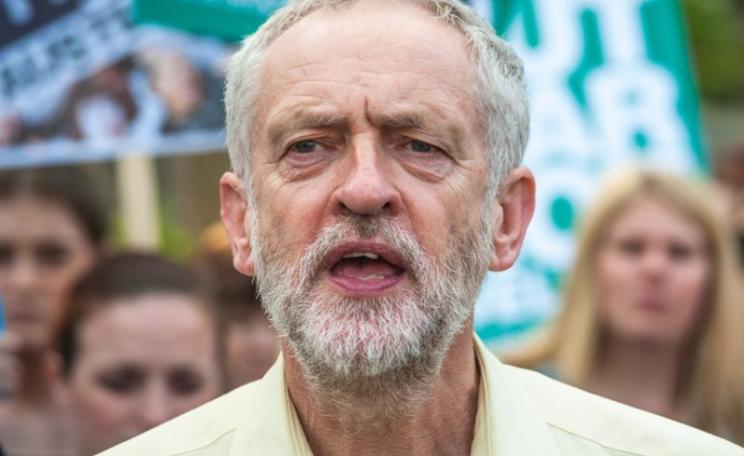
Despite Labour's 'great purge' of left-leaning voters in the leadership election, Jeremy Corbyn remains the odds-on bookies favourite. So if he comes to power, what policies can we expect in energy and climate change? Damian Kahya asks the questions ... and is astounded at the range and scope of his ambitions. But how much could he really deliver?
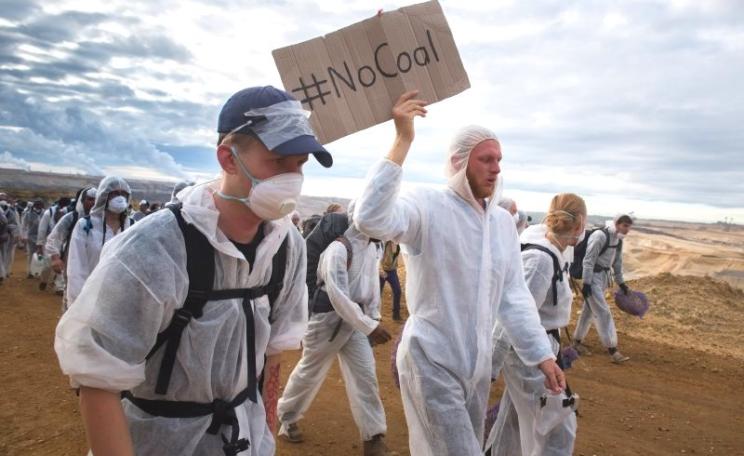
Last weekend Toni Belly was occupying Germany's biggest open cast coal mine in the once lovely Rhineland area, one of thousands of protestors from 350.org and other groups determined to shut the operation down. Nursing his bruises and eyes still sore from pepper spray, he set down his account of an unforgettable day of action.
There's one big thing that Britain's biggest banks could do to reclaim their grievously impaired reputations, writes Greig Aitken: commit to stop investing in coal projects. As well as reducing climate change and local environmental impacts, it would also 'de-risk' their balance sheets as the global tide, from the US to China, turns against the dirty, carbon-heavy fuel.
Coal companies and their 'sceptic' shills have almost given up on denying climate change, writes Brendan Montague. The new message is that coal is essential ... to end world poverty! And those who advocate climate action are 'harsh, cold-hearted' beasts. The one thing that hasn't changed? It's all lies.
Moving to 100% clean, renewable energy is a win-win option for South Australia, writes Mark Diesendorf. First of all it's highly doable over a 25-year transition period. It will also bring lower power prices, more employment, better health and a cleaner environment. What's not to like?
The 1865 Treaty of Point Elliot is clear, writes Jan Hasselman: the Lummi Nation has the right to fish, hunt and gather in their accustomed places in perpetuity - and they can't do that if a gigantic coal terminal is built in the Salish Sea's most productive waters. First Nations' treaty rights are now central to protecting the Pacific Northwest from destruction by fossil fuels.
Caerphilly councillors yesterday refused permission for a huge open cast coal mine in South Wales that's fiercely opposed by local people furious at its impacts on air, landscape, tranquillity and climate, writes Guy Shrubsole. Coming so soon after the rejection of fracking in Lancashire, the message is clear: fossil fuels are best left safely underground.
The secretary general of the OECD group of the world's 34 richest nations has issued a dramatic plea to its members to act now to end 'unabated coal' burning, writes Alex Kirby, and invest in renewables around the world to prevent climate disaster.
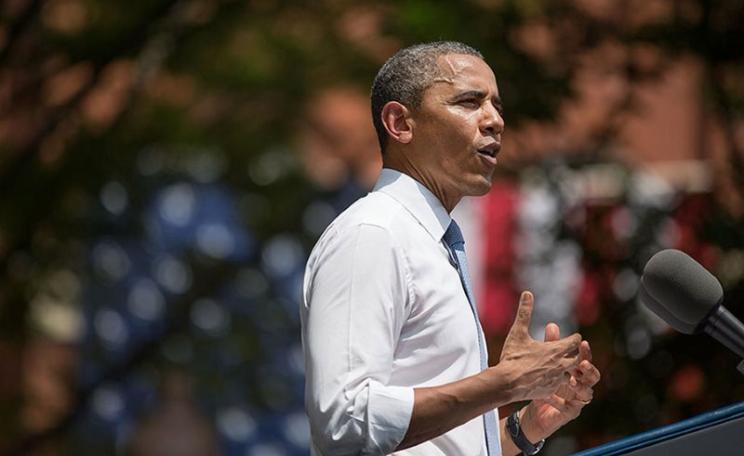
Obama has delighted climate campaigners with this 'clean Power Plan' that will force states to make deep cut in carbon emissions from power stations, writes Dan Roberts. But not everyone is happy, and legal challenges loom.
As Greece prepares for its referendum, Takis Grigoriou takes Greece to task for its highly polluting lignite power sector, its ditching of a successful solar program in favour of more coal, the minimal insulation in its buildings that locks in high fuel bills, and Syriza's failure to tackle these issues. The good news? Greece's latest €1.4bn coal project looks like going unfunded.
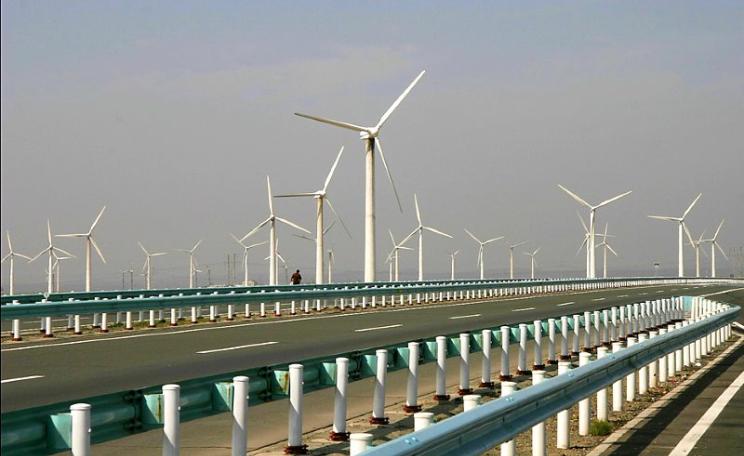
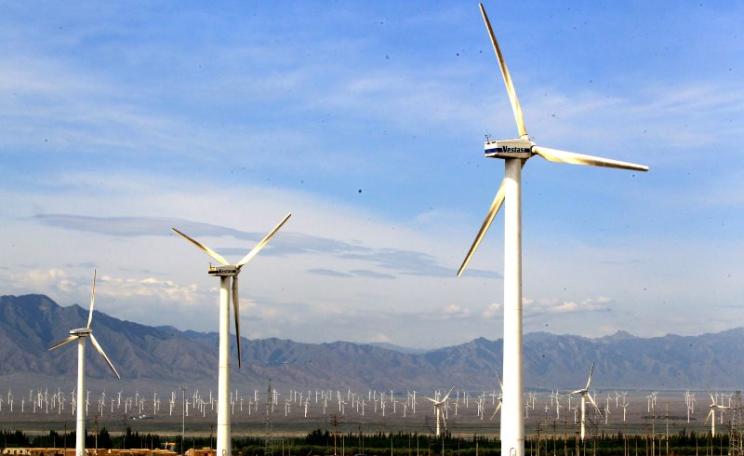
Renewable energy is all go in China, as set out in its climate pledge this week, writes John Mathews, with huge growth planned for wind and solar. The one big loser - coal exporters who can expect falling sales volumes in coming years. Wake up Australia!
Japan and Germany have much in common: both are major industrial countries that have gone nuclear-free, writes Peter Matanle - Germany by choice, Japan by necessity. But while Germany is actively pursuing its renewable energy revolution, or Energiewende, Japan, possessed of the richest renewable energy resources in East Asia, is stuck in a fossil fuel pit.
China's success in driving down its fossil fuel burn will raise chances of a success at this year's Paris climate talks, writes Kieran Cooke - but first the world must appreciate the changes China is making, and how clean energy is catalysing a broader economic transformation.
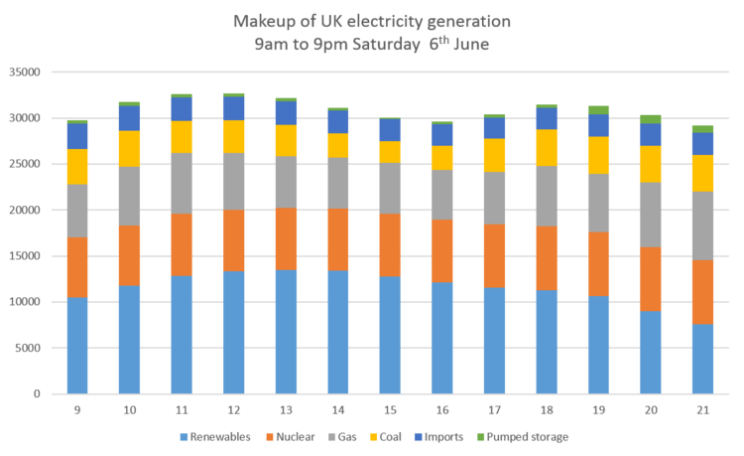
Thanks to the windy, sunny weather conditions on Saturday, the UK's output of renewable power reached an all-time record level of 43%, writes Chris Goodall. At the same time power from coal reached a low of just 7%, it what may be a record low contribution.