The UK is bidding for a massive €46 billion loan from the European Investment Bank to finance the construction of three new nuclear power stations at Hinkley Point, Wylfa and Moorside - while Poland is seeking €8bn for huge new coal mines and power plants and €12bn for new nuclear.
Coal leases on public lands operated by the US Bureau of Land Management are responsible for 40% of US coal production and 14% of total US CO2 emissions, writes Mike Gaworecki - yet their environmental impacts have not been reviewed in 35 years.
East Liverpool, a small city by the Ohio river, is a cancer-ridden dumping ground for the detritus of the global economy, writes Caitlin Johnson. With its filthy power station, coal ash lake, 1,300 fracking wells, silica sand mountains and a huge toxic waste incinerator, the city's people need your help in their fight for environmental justice.
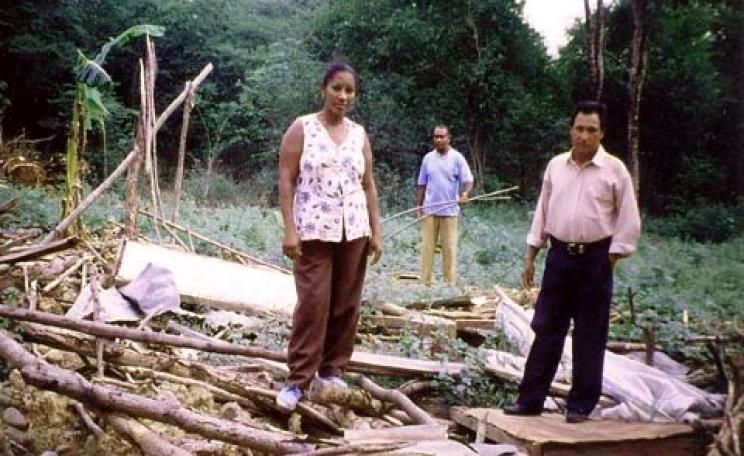
Las Casitas is a small community living on the edge of one of the world's largest coal mines, writes Richard Solly - one inhabited by the descendants of escaped slaves, located in the poorest region of Colombia. The village is under imminent threat of forced displacement by the brutal corporation that runs the Cerrejón coal mine.
Australia is betting the farm on huge increases in coal exports, writes Stephen Bygrave - just as key markets in China, India, Korea and Japan are drying up, with rising tariffs and huge renewable energy and efficiency programs. The policy is totally out of touch with reality - and will lead to revenue shortfalls in the AU$100 billions.
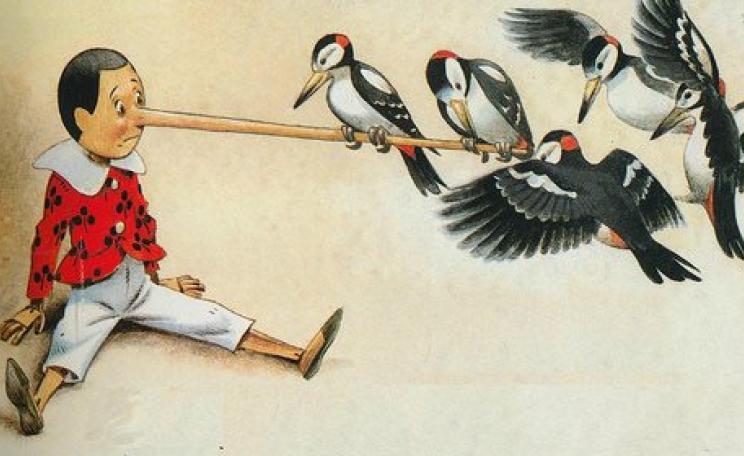
Who has the longest nose of them all? Worthy winners of France's fiercely contested 'Prix Pinocchio' 2014 were selected last night, recognising corporate greed, hypocrisy and malfeasance, based on a record vote since the awards began.
Floating over the US Southwest is a cloud of methane the size of Delaware, writes Mike G - reflecting the release of almost 600,000 tonnes of the powerful greenhouse gas every year. Its origins? Coalbed gas production, fracking and horizontal drilling.
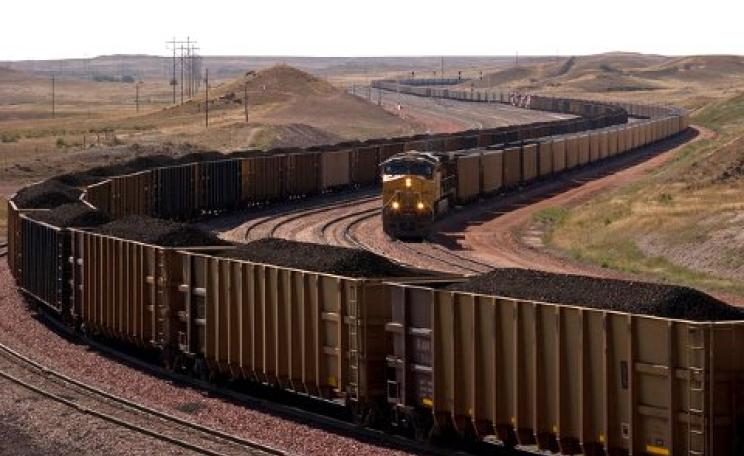
King Coal's reign is coming to an end, writes Chris Rose, at least as a fuel for generating electricity. Following a price collapse half of all production is being sold at a loss - and major coal users like China are still moving away from the high-carbon fuel.
To tackle its serious air pollution, China is imposing stringent restrictions on dirty coal high in ash or sulphur, writes Shabbir Ahmad. One result: half of Australia's coal exports to China face exclusion, or extra 'washing' costs. But Australia's response is not to raise environmental quality. Instead, it's increasing production.
There are hopeful signs that China, the world's biggest emitter of greenhouse gases, is becoming less reliant on the polluting coal that powered its rapid economic rise, writes Kieran Cooke. Great news for China, and the planet - but worrying for coal exporters!
When the US's biggest ever coal ash spill buried 300 acres of waterfront property in a white, middle class suburb, the waste was treated as a toxic hazard. But by the time it reached Uniontown, a black community in Alabama, that was all forgotten. Now they are fighting back.
A massive expansion of coal leasing by the US's Bureau of Land Management will release tens of billions of tonnes of carbon to the atmosphere, a new Greenpeace report reveals - completely at odds with President Obama's stated climate objectives.
A new report names the 30 biggest sources of greenhouse gases in the EU, writes Kieran Cooke. Coal-fired power plants are undermining Europe's long-term targets on emissions reductions - and the UK and Germany lead the list of shame.
Polish PM Donald Tusk is using the Ukraine crisis as a pretext to revive the EU's fossil fuel industries. His proposals spell disaster for EU emissions targets and the wider environment, writes Mark Siddi. Europe's energy future must be efficient and renewable!
The World Bank is still deciding how to respond to Kosovo's request for funds to build a new 600MW power station burning filthy 'brown coal', writes Michael Brune. It's time for the World Bank, with strong US backing, to give the project a firm 'no way'!
France, Germany and other wealthy countries have positive policies on climate change, writes Steven Herz. So why are they handing out back door financing for new coal power stations abroad via 'export credits'? Over $5 billion from EU countries since 2007 ...
Coal consumption in China is likely to dwindle rapidly, writes Alex Kirby, leaving its own mining sector and foreign coal exporters in serious trouble. Australia and Indonesia are at greatest risk as China may soon stop importing any coal at all.
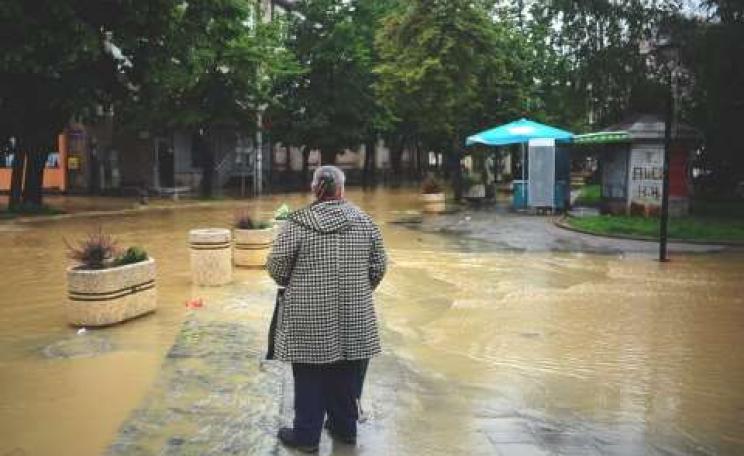
Apocalyptic floods have hit the Balkans, causing many deaths and billions of dollars of damage. 350.org campaigner Rastko Šejić from Obrenovac, Serbia, wrote this personal account of the floods - and how they have at least served to re-unite divided communities.
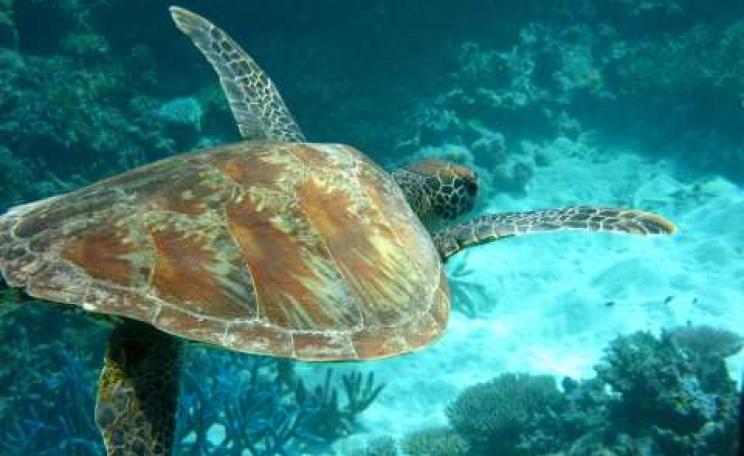
Australian environmentalists have launched a lawsuit against plans to expand a coal port that threatens the Great Barrier Reef, writes Maxine Newlands. The approval came in spite of warnings from UNESCO and marine scientists that the Reef is already 'in danger'.
The regional government of Castilla y León cancelled the plan for further coal mining by Mountain Top Removal Coal Mining in Spain's Laciana Valley. It's a huge victory for campaigners, but now a new kind of economy is needed for the already depressed area.
A coal-fired power station in Italy that has caused an estimated 442 deaths has been closed down following a court order. A case of corporate manslaughter is under investigation.
When Mike Roselle tried to give his State Governor a sample of Mountain Top Removal dust for analysis, he was not expecting to be arrested at gunpoint and banged in jail for a week on suicide watch - all without charge.
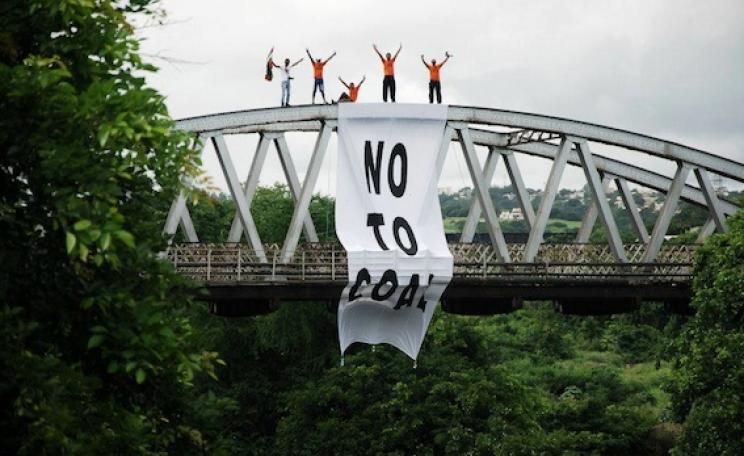
A $395 million coal fired power station is planned for Mauritius - bulldozed aver the wishes of the population, official advice and the environment ministry. But as Zaheer Allam reports, there's still everything to fight for.
Scandinanvia's biggest pension fund manager will cut all its investments in 'climate villains', writes Sophie Morlin-Yron - including 40 companies in the coal, tar sands and palm oil sectors.