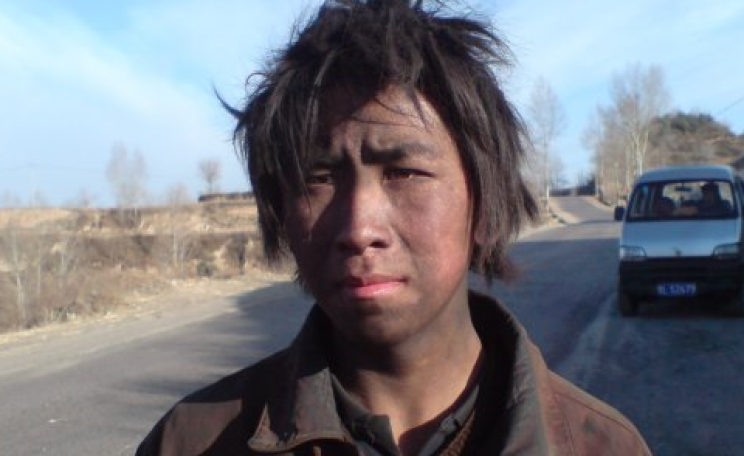
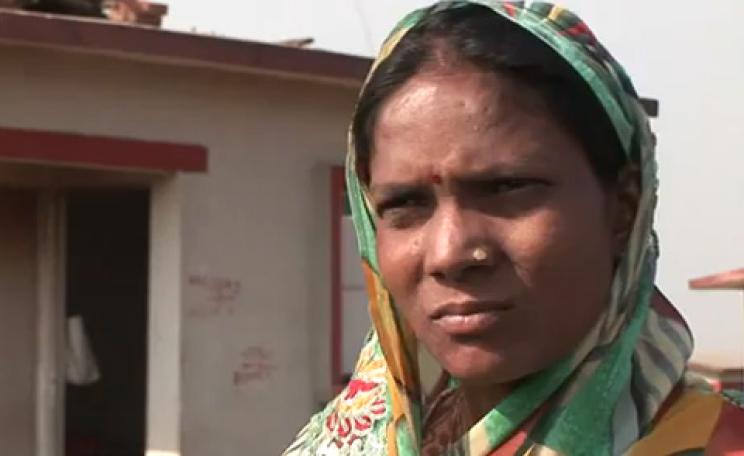
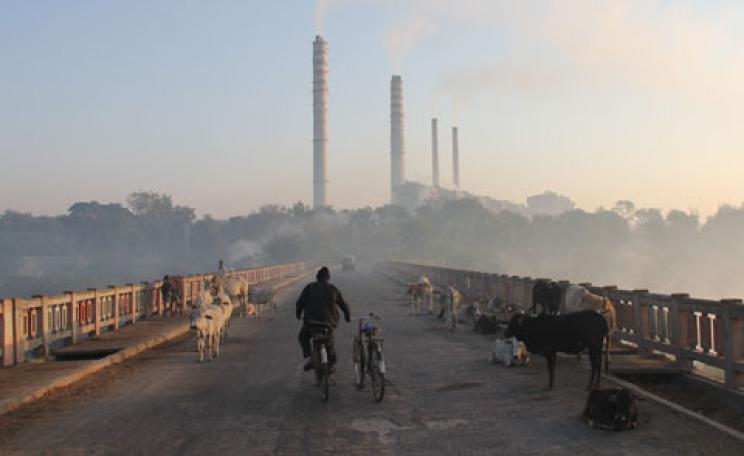
India's planned power expansion depends overwhelmingly on coal, with over a hundred huge new generation units planned by 2030. Sarah Stirk reports on the nightmare the dash for coal is bringing to once peaceful rural communities.
2013 was a bad, bad year for Big Coal, writes Bob Burton. If the coal industry's PR dream is for a stream of exuberant articles selling the story line that coal is clean, cheap and desirable, then 2013 delivered the opposite. 2014 will be even worse.
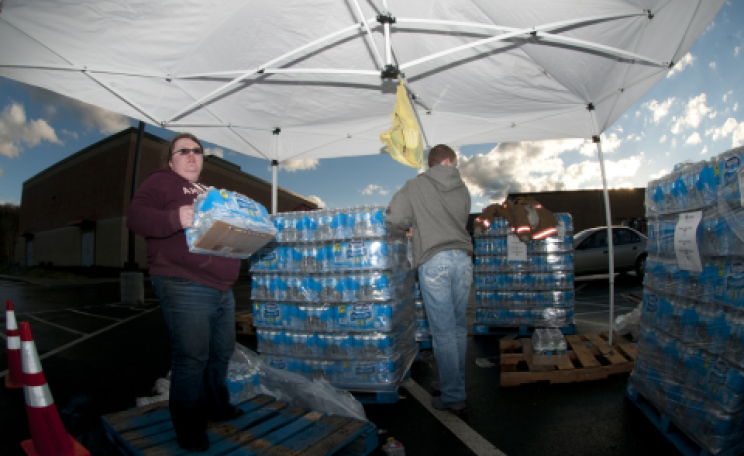
On January 9 thousands of gallons of a toxic chemical used to produce “clean coal”, spilled into Elk River, leaving 300,000 with no water supply. Trish Kahle asks - how could this happen?
Chinese coal and nuclear energy giants are suddenly piling into the solar industry. Is this the way of the future, not only in China but around the world?
Coal powers America. But at what cost? Peter Bull investigated the question in the epic new documentary Dirty Business: 'Clean Coal' and the Battle for Our Energy Future. Joshua Frank met up with him ...
Australia has been growing rich from exporting coal to China. But as Kieran Cooke reports, China's renewable energy revolution may soon bring the 'good times' to an end.
The European Bank for Reconstruction and Development has been financing coal mining companies implicated in criminal corruption allegations - according to a Bankwatch analysis.
After decades of work, A$200 million in taxpayer funding and even more from farmers' pockets, Australia has a good news story to tell about the Great Barrier Reef. But as John Brodie reveals, all that is now at risk from vast dredging operations.
The battle against coal mining by Mountain Top Removal has been fought by the people of Appalachia over generations. The campaigners' target is now Swiss bank UBS, the main financier of the destruction.
Speaking to the World Coal Association in Warsaw, the UNFCCC's executive secretary tells the coal industry: invest in renewables; and leave most of your coal underground.
The World Bank's President Dr Kim proclaims his human and green concerns. But at Tata Mundra in Gujarat, India, his support for a 4,000MW coal fired power plant is devastating poor communities and despoliating their environment.
The development of coal mines in East Kalimantan is having a huge impact on local and indigenous populations, destroying the forest and displacing communities. London banks and City financiers take the profit.
Coal burning in particular is responsible for releasing the toxic heavy metal mercury to the oceans, writes Chris Rose, where it accumulates in fish. In future levels will rise, as processes that carry mercury to deep waters weaken.
After years of protest, plans by the Anadolu Group to build a coal power plant in the seaside town of Gerze are awaiting the go-ahead from the Turkish government. But protest group YEGEP are not giving up without a fight
The Centre for Alternative Technology's Emergence Summit must develop positive versions of the future, as if we can't imagine it - there won't be one, says Paul Allen
Biofuelwatch warn of an unfolding 'biomassacre' as the UK is set to rely on a growing amount of wood-based biomass, driving landgrabbing, replacing old growth forests with plantations, destroying biodiversity and causing air pollution
Exclusive film looks at allegations that a coal power project in central India, approved under the UN's Clean Development Mechanism, is destroying forests and livelihoods
An Ecologist investigation reveals how the largest coal power plant to be awarded UN carbon credit funds is displacing poor communities and destroying forest in India. Luke Starr reports from Madhya Pradesh
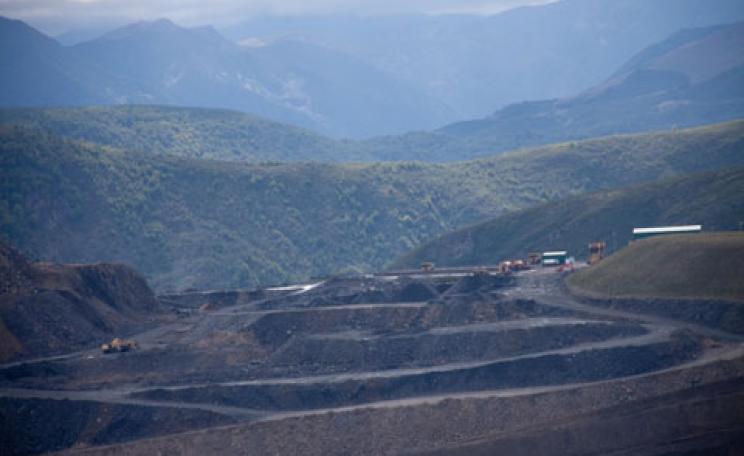
Almudena Serpis reports on the activists taking action against the expansion of coal mining in the beautiful and ecologically important Lacaiana valley
Co-founder of activist group Plane Stupid, Joss Garman reflects on the environmental movements' successes and why, when things look bleaker than ever, we need to remember this
Ahead of the release of the World Bank's revised energy strategy, the Ecologist speaks to sustainable development advocate Srinivas Krishnaswamy about why despite huge gigawatt power projects, 45 per cent of India's households still lack electricity
Despite outrage in the US over ‘fracturing’ techniques used to extract shale gas and new evidence its greenhouse gas footprint may be higher than that of coal, the UK has given the go-ahead to companies here to begin drilling. Tom Levitt reports from the centre of this potential unconventional gas boom near Blackpool