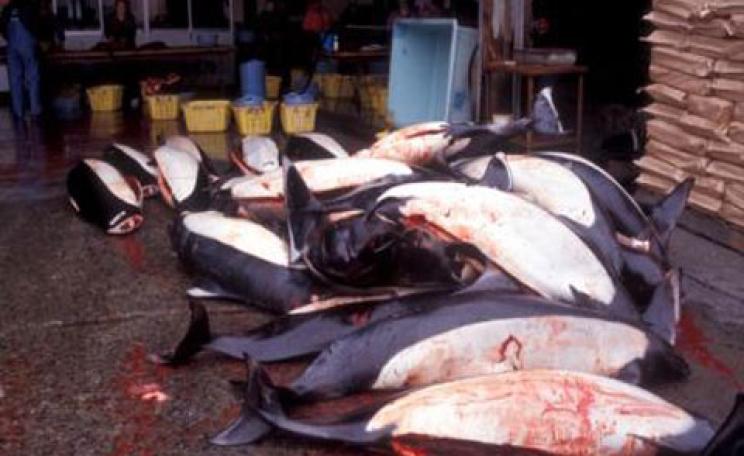
The Japanese tsunami appears to have temporarily halted the annual Dall's porpoise hunt. Pity the Taiji dolphins haven't been spared too, says the Environmental Investigation Agency's Clare Perry
Phosphorus is a crucial nutrient and a vital component of fertiliser, a mainstay of modern farming. But we could be heading for a major shortfall in supplies, argues Hannah Hislop, with some alarming consequences
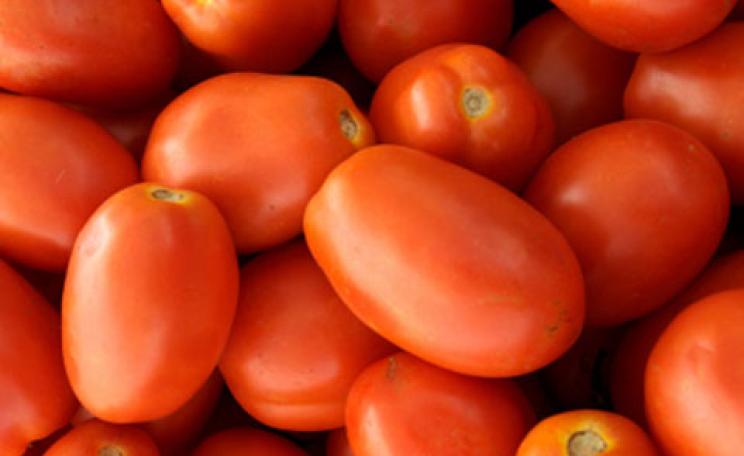
An essential in pasta sauces, soups, stews and pizza toppings tinned tomatoes are one of our most popular foods. But many arrive as a result of slave like conditions endured by thousands of migrant workers in Italy. Who should we blame? By Andrew Wasley
Environmentalist, democracy campaigner and Nobel laureate; Wangari Maathai led an extraordinary life but it's her overwhelming kindness and charm that I’ll always remember, says Ruth Styles
More than 3000 elephants may have been slaughtered in 2011 so far - and that's just those we know about. In Kenya, Mary Rice from the Environmental Investigation Agency witnesses the bloody reality of the global ivory trade
A Greenpeace investigation exposed the gender-bending chemicals used in clothing production. Puma, Nike and Adidas have agreed to phase out the toxic chemicals, but can we expect others to follow, asks Tamara Stark
Yes there have been scandals, and yes, there is more to do, but the fashion industry is working hard to become greener and more ethical. It’s time to start supporting these efforts, argues Green Living Editor Ruth Styles
In 2012 battery cages are due to be replaced by 'enriched' cages, designed to improve birds' welfare. But footage from existing 'enriched' cage egg farms reveals intensive production, cruelty and suffering, says Justin Kerswell
International supply chains leave the horticultural workers harvesting our food in poor countries highly vulnerable to exploitation. Retailers, unions, NGOs and governments must work together to tackle this, says Julia Hawkins
In the first part of a special report looking at the hidden side of the horticulture sector the Ecologist focuses on one of our favourite foods - tomatoes - reporting from both Italy and the US.
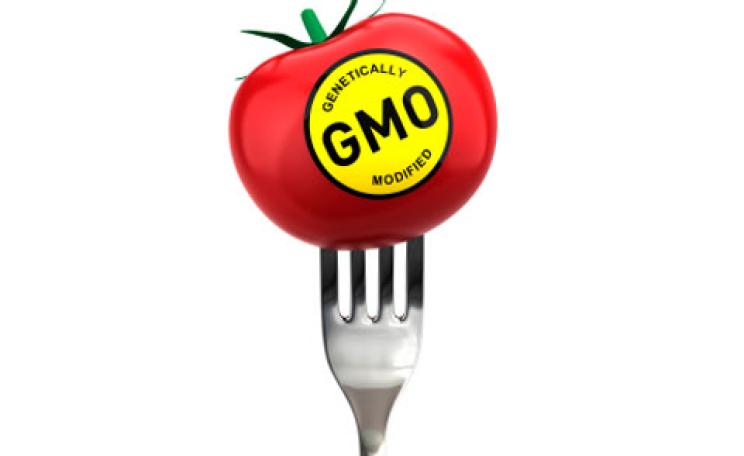
Greenpeace's chief scientist Dr Paul Johnston on why recent proposals to expand GM technology support a flawed agricultural system and serve the biotech companies with the greatest vested interests
The planned closure of the BBC Wildlife Fund represents the premature end of a model for how wildlife film-making can support conservation of the very environments it documents, says Rob St John
Undercover filming by the Environmental Investigation Agency has unearthed shocking evidence of military involvement in the illegal timber trade, all to feed western demand for stylish wood products, according to Faith Doherty
Despite claims of a higher incidence of breast cancer and infant mortality in the vicinity of the existing Hinkley nuclear plant, and concerns over flooding in the region, the government has put forward crazy plans for a new facility says Rosie Shute
As a major drought looms across parts of the UK, William Chase - of Tyrrells Crisps and the Chase Distillery - charges the government and water industry with short-sightedness and failing to manage supplies
The pesticide industry and regulators have repeatedly misled the public with claims that glyphosate is safe, says Claire Robinson. As a result, Monsanto's Roundup is used by gardeners and local authorities, in school grounds, and in farmers’ fields
The overuse of antibiotics in intensive farming could have devastating consequences for human health. What's more, the safety of some antibiotics used in human medicine has been challenged by some patients who say they've suffered terrifying side effects...
Before rushing to finance projects in Africa and the Middle East, the European Bank for Reconstruction and Development (EBRD) should address its environmental and social lending criteria, says Fidanka Bacheva-McGrath
We may never know, argues Eve Mitchell, because the nature of our complex and highly industrial food systems is making it far harder to determine what happened
More robust enforcement of laws designed to tackle the growing problem of e-waste is urgently needed, says Anja ffrench of Computer Aid, along with improved management of electrical waste by governments
The current testing protocol for new medicines is proven to be inadaquate. It's time for a radical new approach, argues Kathy Archibald, director of the Safer Medicines Campaign
A budding interest in organic food offers farmers soaring incomes and higher yields, but critics say it's not the answer to India's fast-rising food demands