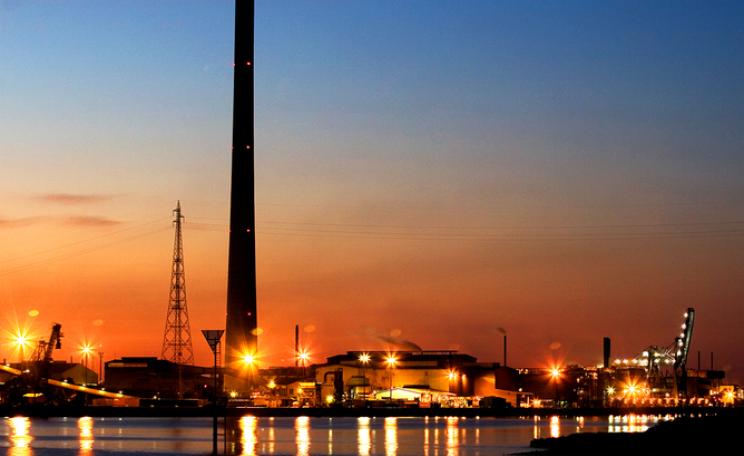
Australia's poorer communities, with lower employment and education levels, and those with a high proportion of Indigenous people, are significantly more likely to suffer high levels of toxic air pollution. Children are at particular risk from rising levels of lead.
The issues surrounding powerful new technologies from GMOs to nuclear power appear disparate, writes David King - but look harder and most are linked by common threads. Key among them are issues of profit, control and socialisation of cost ...
Procter & Gamble has committed to use only 'no deforestation' palm oil by 2020. Greenpeace claims success for its campaign, focused on Head & Shoulders shampoo.
The world's two largest clothing brands are among those that have just commited to eliminate pulp from ancient and endangered forests from all of their rayon and viscose clothing.
£600 million of UK aid money is going to help companies like Unilever and Monsanto take over African land and agriculture, writes Miriam Ross. The corporate power-grab will be disastrous for the small-scale farmers who feed at least 70% of Africa's people.
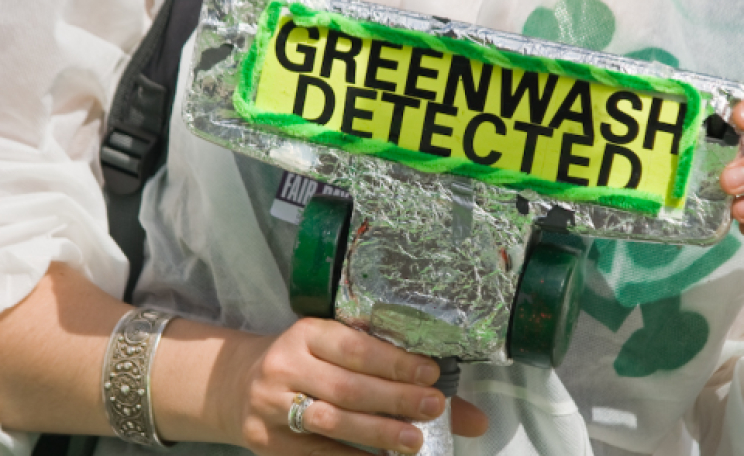
Corporate responses to climate change are delusional - and its us who are being deluded. If the IPCC's new report tells us anything, it's to ditch the corporate greenwash, and begin the climate governance.
A series of judgments against Canada in secret corporate tribunals costing taxpayers $100s of millions show that 'free trade' agreements really do restrict governments' right to protect health, environment and endangered species, writes Nick Dearden.
Two unusual political events will take place next week. The Green MP Caroline Lucas goes on trial for protesting against fracking. And Nick Clegg and Nigel Farage go head to head on TV. Rupert Read contrasts the underlying political agendas ...
As the US and EU apply sanctions on Russia over its annexation' of Crimea, JP Sottile reveals the corporate annexation of Ukraine. For Cargill, Chevron, Monsanto, there's a gold mine of profits to be made from agri-business and energy exploitation.
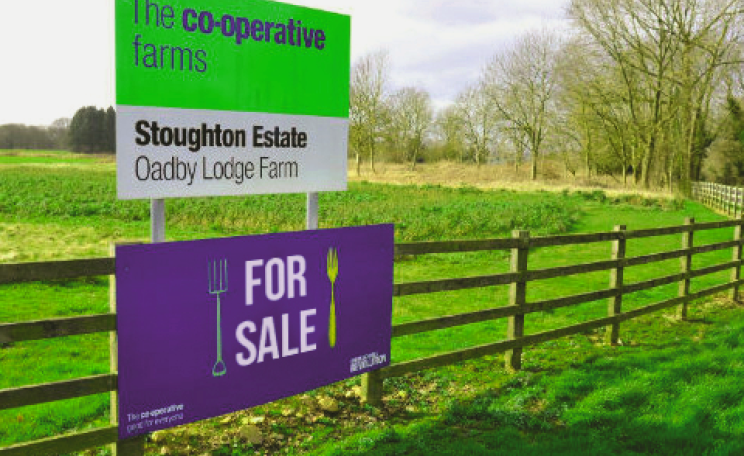
The Co-operative Group is in deep trouble. Its response is to sell off its farms, in defiance of all its founding values. Instead it should reconnect with its original purpose, write Helena Paul & Pete Riley, and seek creative and truly co-operative solutions.
This Saturday War on Want holds its Frontlines conference in London on the global conflict between communities and corporations, writes Paul Collins. Featuring a host of inspiring speakers, it will forge new alliances and new strategies of resistance.
Across Europe water is going public - no silly, going into the public sector! Except in England, writes David Hall, where politicians (except the Greens) adhere rigidly to the failed, expensive model of corporate water supply ...
Greenland's first female prime minister is on a modernising drive to prosperity and independence, But will the combination of melting glaciers, oil, mining projects and mass immigration bring wealth or destruction?
Those who finance and direct strategic campaigns to undermine the public's ability to develop and voice informed opinions on climate change should - writes Lawrence Rorcello - face criminal penalties.
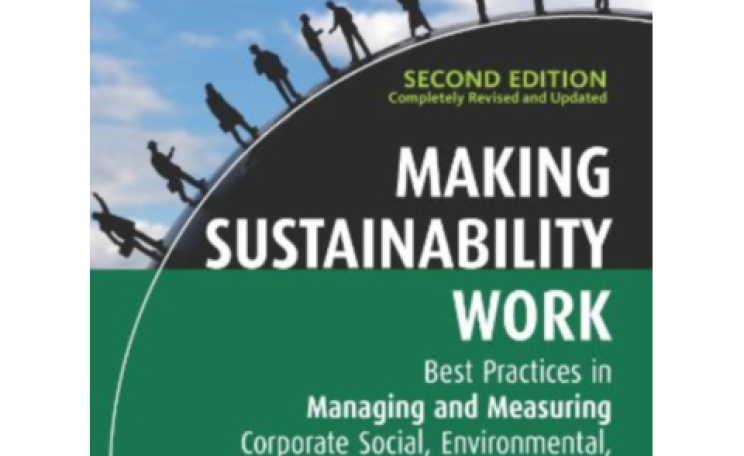
'Business' has to made sustainable - but how is the transformation to be achieved? Finn Jackson reviews a key book on the topic - but finds that amid the checklists of criteria, the authors have somehow missed the point of it all.
The LibDems fear the Greens will beat them in the Euro-elections, writes Rupert Read. Now they plan to use Green opposition to the 'corporate charter' TTIP trade deal to batter the Greens on 'jobs'.
Seeds are the gift of nature and past generations to us, and our gift to the future. Karl Grossman reviews 'Seedtime' - and finds that we must make that gift wholesome and fruitful - not a Pandora's box of genetically modified horrors.
The UK's Coalition Government told us it wanted to hand control of the NHS to patients. In truth, writes Caroline Lucas MP, it is attacking NHS democracy on every side.
The truth is often extraordinary - perhaps because it is so rare that we are told it. This disturbing speech by Senator Sheldon Whitehouse shines the bright light of truth on the US's huge, shadow-dwelling climate denial industry.
The global cereal giant Kellogg has committed to sourcing palm oil that is deforestation-free. It will also ensure that carbon rich tropical peatlands are preserved.
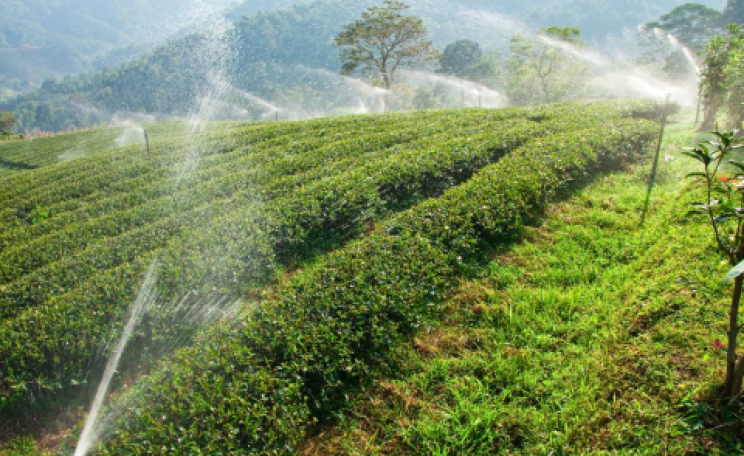
Britain's favourite tipple faces big challenges over coming decades, writes Ann-Marie Brouder. A new report sets out the challenges and proposes sustainable solutions to keep the 'cup that cheers' on the nation's tables.
Earthquakes and poisoned wells are setting off a revolt against fracking in Romania, revealing deep fault lines between the rural heartlands and the urban political elite. Jim Wickens & Paraic O'Brien report on a country at war with itself.
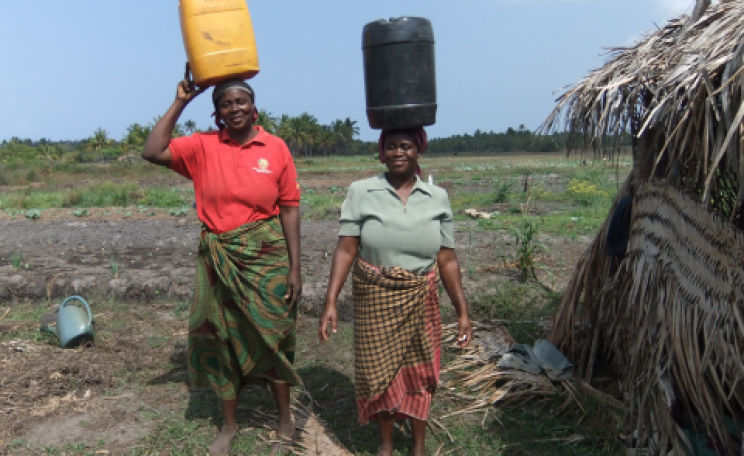
A farming revolution is under way in Africa, pushed by giant corporations and the UK's aid budget. It will surely be good for the global economy, writes Sophie Morlin-Yron, but will Africa's small farmers see the benefit?
The TPP trade deal would expand a system of corporate rights and private courts that threaten progress on some of our most urgent environmental issues, writes Thomas McDonagh.