The banks' support for fossil fuel extraction and climate breakdown could instigate the next crash with unprecedented costs for innocent people ten years on from the 2008 financial crisis.
Rising oil prices correlate to higher compensation for chief executives, yet their pay cheques don't go down when prices fall, research shows. LUCAS DAVIS and CATHERINE HAUSMAN report
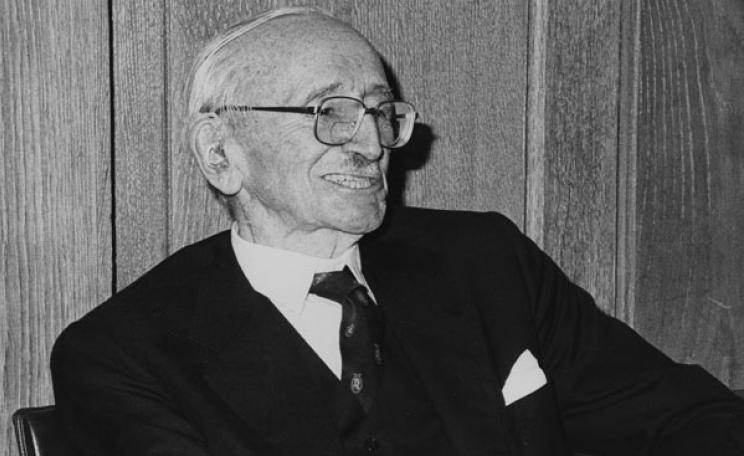
Thatcherism was the implementation of neoliberalism - the school of free market economics led by Friedrich von Hayek. This school claimed economics was a science that should direct society and social policy. But, strangely, Hayek felt science itself should be avoided - as it led to socialism. BRENDAN MONTAGUE reports
Hayek achieved his dream of becoming a university academic - but could he really challenge the intellectual prowess and political influence of the master John Maynard Keynes? BRENDAN MONTAGUE investigates
Systems thinking - and in particular game theory - can provide startling new insights into how and why liberal economics is leading to a fatal depletion of ecological landscapes. It can also provide 'an alternative pathway', writes DR ROBERT BIEL
Adam Smith, the author of The Wealth of Nations, is sometimes credited as the first political economist and many of his followers today advocate free market, laissez-faire, policy. Here Dr ROBERT BIEL argues that Smith was also an early systems theorist - but also sets out why Smith's theory and the system he described are a threat to our ecology
Environment secretary Michael Gove said he is convinced “climate change is a danger” but that efforts to cut greenhouse gas emissions must not come at the expense of economic growth. MAT HOPE of DeSmog UK reports
The Shock of the Anthropocene has been translated from French into English and published by Verso. NATALIE BENNETT, the former Green Party leader, explains how it is an important, informative and interesting book which all ecologists should read.
With oil prices remaining low, the world's oil industry is facing bleak years ahead, writes Paul Brown. The global push to decarbonise the economy, combined with surging renewable energy and the trend to more efficient and electric vehicles, is denting investor confidence and pointing to the shrinking away of a once mighty and profitable industry.
Pollution caused by burning fossil fuels are already causing the premature deaths of 200,000 people a year - in the US alone, writes Pete Dolack. Add up the figures worldwide and it comes to many millions. And that's before we even count the catastrophic long term impacts of global warming. The US response: to loosen anti-pollution regulation and encourage increased oil, coal and gas production.
This year's prestigious Leontief Prize for economics has been awarded to Professors James Boyce and Joan Martinez-Alier for their ground-breaking theoretical and applied work integrating ecological, developmental, and justice-oriented approaches into the field of economics. They are worthy winners, says NICK MEYNEN
So-called 'smart meters' are being rolled out across the UK, writes David Toke, but they don't support the dynamic pricing that's essential to expand renewable energy and decarbonise our electricity. It's time for green NGOs to get campaigning - and not leave vital decisions to a hostile government, a failing regulator and industry insiders.
Orthodox economic measures like Gross Domestic product fail to measure the things that matter most, write Judith Schleicher & Bhaskar Vira: like human wellbeing and ecological health. This creates a systematic bias in 'development' policies that must urgently be addressed if we are to build an inclusive, equitable and sustainable society
With most of our food exports going to the EU, and most of our food imports coming from the EU, Molly Scott Cato wondered what plans the government had for the sector after Brexit. The answer? None! Two reports published today map out a positive future of sustainable farming, local food, thriving rural economies and abundant biodiversity. But is the government on the same page?
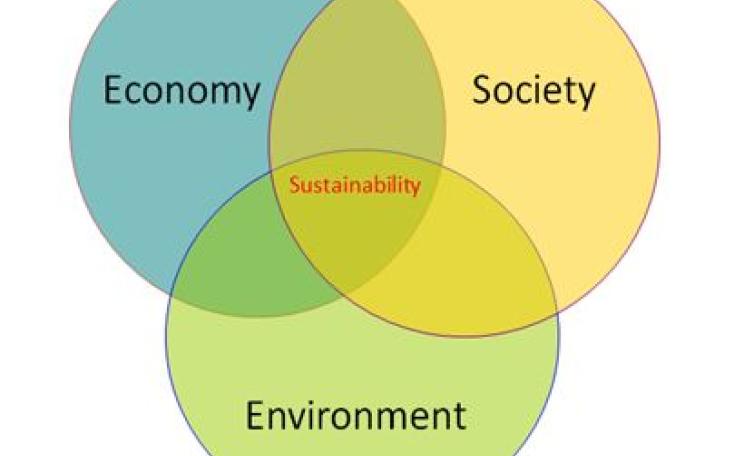
The new Index of Sustainable Economic Growth shows there is a shift to strike a healthier balance between support for the economy, and care for essential social and environmental systems. But can it ever replace GDP as a measure of progress? JAMES CURRAN explores the idea
Global corporations and their lofty princes have outgrown the control of regulators, politicians and society, writes George Feiger. Such is their power that they can extract an ever-growing share of global income, block any moves to limit their freedoms, and loot our future wealth for immediate profit. The first step to regaining control is to keep private money firmly out of politics.
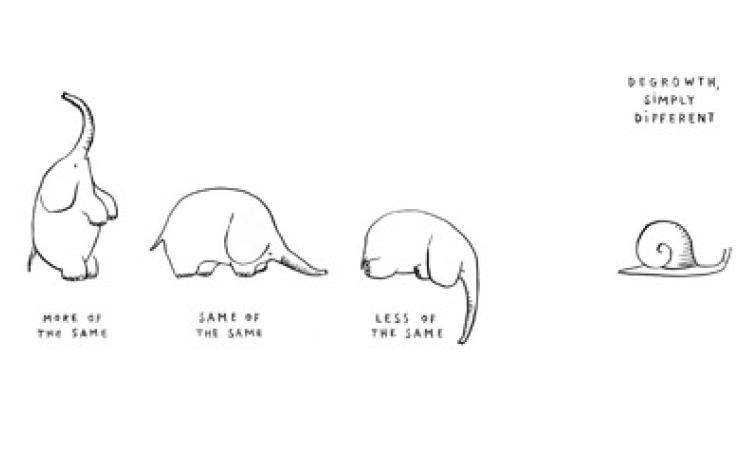
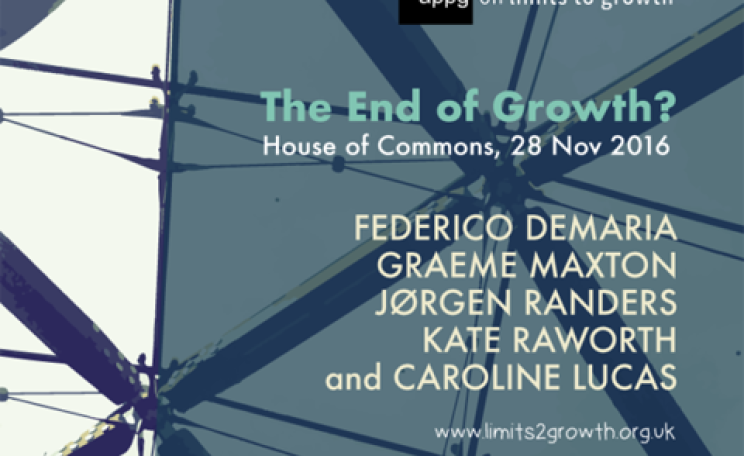
Ecological Economist FEDERICO DEMARIA was the youngest panellist at a recent House of Commons debate on ‘Degrowth' as a movement gaining traction and now entering the corridors of power. Here's his report on the challenges and tasks ahead
A legacy of lies and covered-up accidents has left nuclear energy with a serious credibility gap, writes Paul Brown. But poor safety is only the beginning of the industry's problems. With 'new improved' reactor designs all running late and way over budget, any nuclear revival can only be sustained at massive, unaffordable taxpayer cost.
Conventional economic analyses of trade tend only to discern the flows of money, writes NICK MEYNEN. But by also considering biophysical metrics - such as material and energy flows, and embodied water and land - ecological economists can identify the asymmetric flows of resources obscured by the apparent reciprocity of market prices.
The 'Global Redesign Initiative', a project of the World Economic Forum, aims to replace UN-based intergovernmental decision-making with unaccountable 'multi-stakeholder governance' run by and for corporations, writes Margi Prideaux. What future for nature and people in this brave new world? Generate profits for investors, or face extinction or exclusion to the margins of existence.