Forty years ago workers at Lucas Aerospace created a detailed plan to transition out of the arms industry and into green, sustainable products and technologies, writes David King. it never happened, yet the Lucas Plan provides a blueprint for similar initiatives today to build a deep-rooted, broad-based movement for social, economic and ecological progress.
A new study shows that the cost of 'integrating' the variable power output of large scale solar PV is surprisingly affordable, writes Oliver Tickell, at just a few pence per unit. Costs will fall further as more wind power, batteries and ever-cheaper solar drive the transition to a 100% renewable power system.
Off-grid renewable energy is key to achieving the global goal of 100% electricity access by 2030, writes Adnan Z. Amin, and to achieving the emissions reductions enshrined in the Paris Agreement. Thankfully, a confluence of factors - including rapid cost declines and impressive technology innovations - are making this goal more achievable than ever, and investment in the sector is taking off.
The alternatives to neoliberalism - including a new community type of agriculture and community-owned green energy, local currencies, peer-to-peer networks and a sharing economy - are already here and unfolding right now. All we need is a revolution writes NICK MEYNEN
The trade ban on rhino horn is not working, writes Keith Somerville. But non-lethally and sustainably harvested rhino horn can earn income to encourage breeders, pay rangers and anti-poaching teams, provide surveillance and supply wider benefits that will gain the support of people around parks, reserves and ranches.
Mark Goldring, Chief Executive of Oxfam GB, reports on growing inequality arising from the current economic model that benefits the privileged minority.
Extreme inequality across the globe spells disaster for millions.
A new energy market analysis shows the average cost of electricity from renewables is already lower than from fossil fuels, writes Alex Kirby. And as renewables eat deeper into the 'market share' of coal and gas power plants, so the entire economics of fossil fuel power generation will unravel.
Reporting from The 5th International Degrowth Conference in Budapest - which continues today and tomorrow - NICK MEYNEN explores the new narrative of ‘sufficiency' being discussed and and asks will it catch on before it's too late?
The EU is already paying farmers and landowners for creating and maintaining valuable habitats, write Dominic Hogg & Luke Dale-Harris. But could the UK do better by creating markets in 'ecosystem services' that would put financial value on clean water, key wildlife habitats, endangered species and precious landscapes?
The global economy has already outgrown the Earth, writes Jason Hickel. Yet even the UN insists that we need decades of continued economic growth to end poverty. The truth is the precise reverse: we must end growth - not just to save our planet but to refocus the economy on meeting human needs.
Thanks to the UK's crazy 'first past the post' electoral system, there's only way the UK can end austerity and neoliberal government in the next general election, writes Rupert Read: if centre and left parties join in a Progressive Alliance that represents the majority of voters.
Four of Britain's major unions are big supporters of nuclear power, writes Ian Fairlie - all because of the jobs. Now Labour's shadow energy minister has joined them in backing Hinkley C - even though renewable energy is a far better job-creator than nuclear, and already employs three times more people.
Hydrogen made from renewable electricity is already fuelling vehicles at affordable prices, writes DAVID THORPE. But now the 'green' fuel is set to go from niche to mainstream - powering not just cars, trucks and buses, but storing surplus renewable energy on sunny and windy days, then to be burnt in gas turbines or fuel cells to supply the grid with reliable power on demand.
New York state recently set a terrible example by approving a $7.6 billion bailout of failing nuclear power plants, writes PETER BRADFORD. But other states aren't following. including California and Nebraska, where a host of highly competitive clean energy technologies are filling in the power shortfall left by nuclear closures, at much lower cost. It's time to let old nuclear reactors die.
Brexit gives the UK the chance to reform the system of agricultural subsidies that rewards wealthy landowners at the expense of taxpayers, the global south, the environment, and small scale sustainable farmers, writes Alex Scrivener. But strong, effective campaigning will be needed to bring about the changes we desperately need.
New York has approved a massive $7.6 billion subsidy to keep four ageing upstate plants open on the false promise that they provide 'clean and renewable energy', writes Karl Grossman. Campaigners for genuine clean energy fear that other pro-nuclear states may follow NY Governor Cuomo's dubious lead.
Last week's 'War on Waste' - throwaway coffee cups were the deserving target - was an exemplar of effective single-issue campaigning by Hugh Fearnley Whittingstall. But the answers to our waste problems go way beyond recycling. We must begin to plan a societal transition to a post-consumer culture of caring, sharing, and knowing when we have enough.
Traveling in the US by boat and train visiting solar laboratories and environmental groups, Keith Barnham found many successful community initiatives in renewable electricity, and brings news of progress towards the ultimate renewable challenge: a solar fuel that could eventually replace gasoline in cars, trucks, buses, trains and aircraft.
The idea that our profit-oriented, growth-driven economic system can deliver a sustainable society is a beguiling one, write Lili Fuhr, Thomas Fatheuer & Barbara Unmüßig. But it is doomed to failure. The changes we need are in the first place political, and will be driven by a new democratic will to put people and planet before money.
Last week a massive 350 hectare open cast coal mine at Druridge Bay took an important step towards winning panning permission. This got Chris Goodall wondering: what if the land was turned into a solar farm instead? His surprise discovery: solar power on England's south coast already costs no more than coal - and it's only getting cheaper.
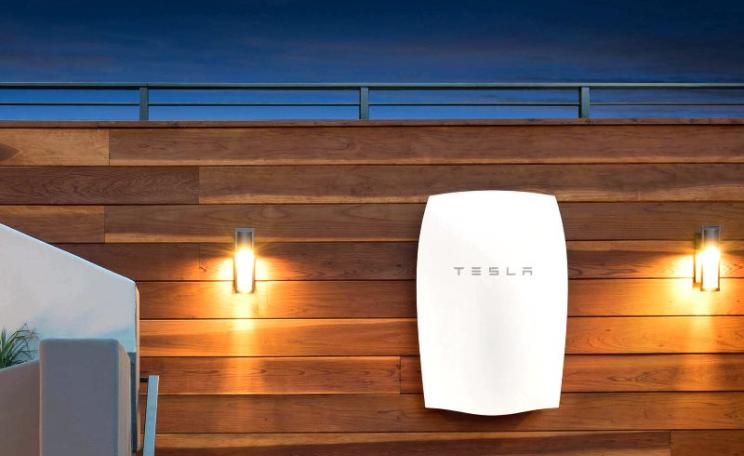
Renewable electricity is already undermining the big energy utilities' business model, writes Emma Howard, breaking their monopoly and bringing down energy bills. But with the unfolding battery revolution, it's going to reach a whole new level as wind and solar powered families and communities become ever more self-sufficient, leaving utilities high and dry.
Campaigners fear that the abolition of DECC, the department of energy and climate change, indicates that climate will take a low priority in Theresa May's policy agenda. Meanwhile the pro-fracking, pro-nuclear Andrea Leadsom is in charge of environment department Defra.
Africa is being opened up like a tin of sardines to a new wave of resource extraction, writes Colin Todhunter. Masked under the soubriquets of 'investment', 'growth' and 'free trade', a handful of vast global corporations are systematically plundering the continent's mineral wealth and leaving desolation in their wake, backed to the hilt by that ever-faithful servant of capital - the UK government.
The main concerns that drove the Brexit vote - mass immigration and declining job prospects - must be taken seriously, writes Colin Hines, in the UK and across Europe. We need a new, cooperative union: of decentralised regional economies, with public investment in 'green' infrastructure driving our transition to a sustainable, low carbon future.