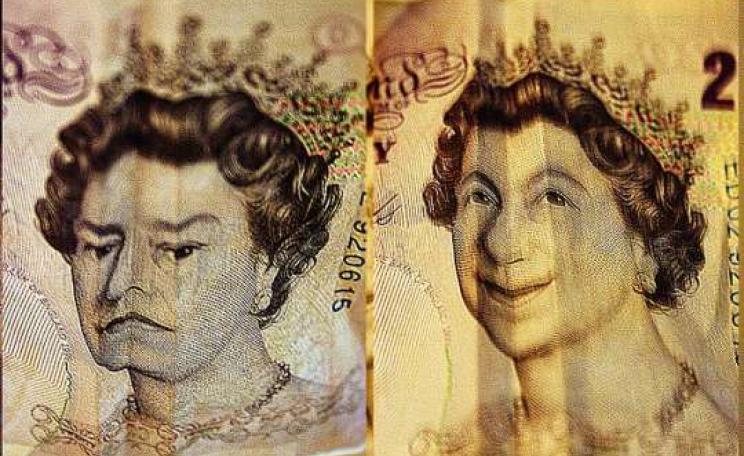
Where does money comes from? In the 97% of the money we use is created by commercial banks out of thin air, as they advance credit. Charlotte Jackson argues that this system costs us all dear - as citizens, debtors, taxpayers, and as victims of economic instability
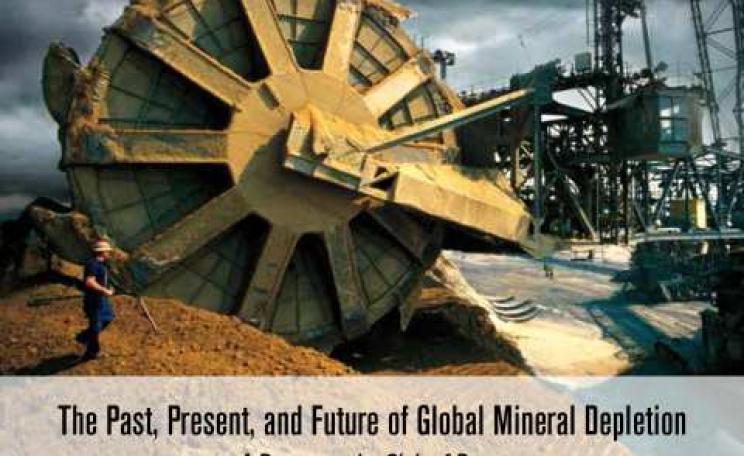
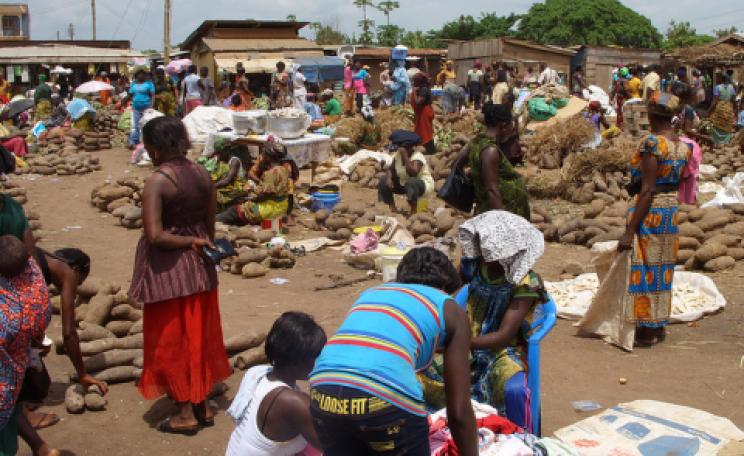
Are we going to run out of minerals? That's the central question of a debate that has been raging for a couple of centuries, writes Ugo Bardi, when it first became clear that minerals are not life forms - and do not reproduce as we extract them from the Earth's crust.
Most of Europe is in a state of low economic growth, and it's likely to go on for a long time yet. So let's get good at it, writes Rupert Read, and build 'post-growth' economic systems that work for people and the environment - not just plutocrats.
Financial experts warn investors that their money is being used by oil companies for high-risk projects, reports Paul Brown, on the assumption that oil prices will go on rising, with little or no regard for climate change. $1.1 trillion could be at risk.
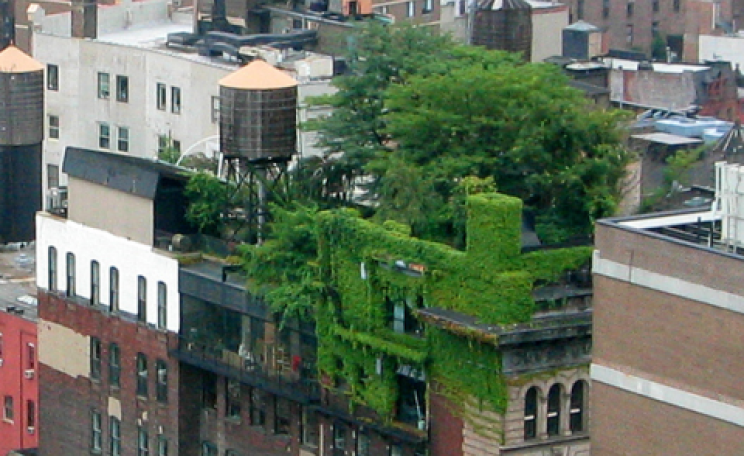
Talis Kalnars was a pioneer of 'continuous cover' forestry in Britain, writes Phil Morgan. His woodlands were not only beautiful but profitable, as he nurtured the 'natural capital' of the forest ecosystem, and only harvested the dividend of high value timber.
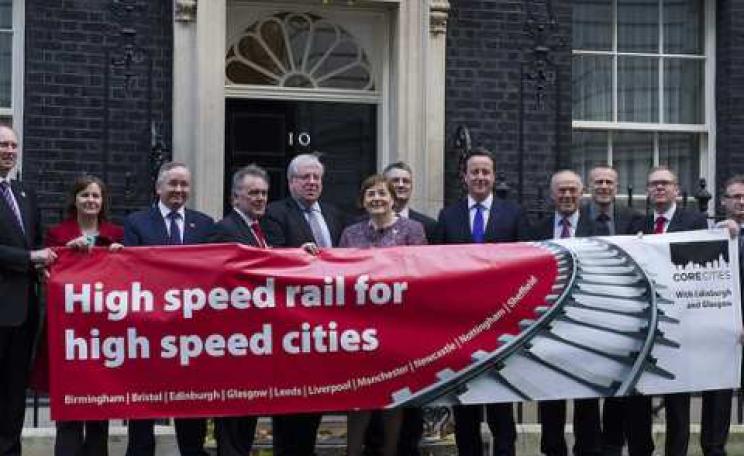
HS2, the UK's £50bn+ high-speed rail project to speed travel between London and Birmingham - and eventually Manchester and beyond is colossal waste of money, writes Rupert Read. The resources should be used to fund sustainable local and regional transport schemes.
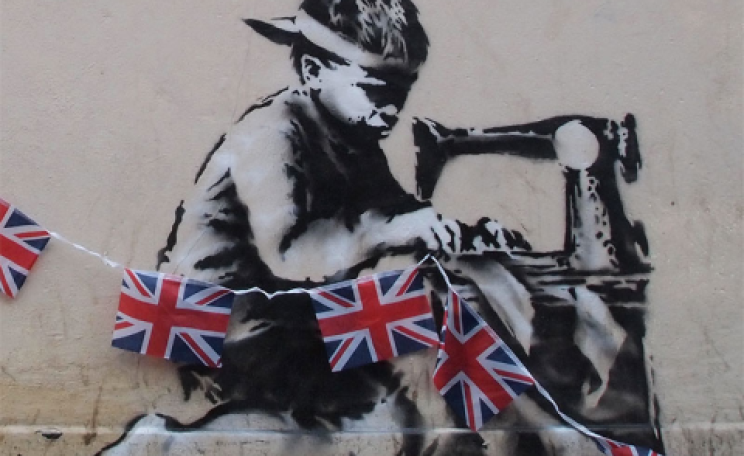
Well-being is not just a luxury for good economic times, writes Christine Berry. Reducing poverty and promoting equality are more important economic goals than the pursuit of endless growth.
A study of 245 large dams carried out at Oxford University shows that big hydropower is uneconomic. Actual costs are typically double pre-construction estimates - and have not improved over 70 years. ASEAN energy ministers take note!
Green growth is a myth, writes André Reichel, because it ignores the social, political and personal dimensions of sustainability. Instead we must plan for economic 'de-growth' - and go for growth only in the areas that really matter, like culture, learning and joy.
As the European Commission considers the £100 billion subsidy package the UK has offered EDF to build and operate Hinkley C nuclear power station, Paul Dorfman explains why the 'deal' is illegal, anti-renewables, and ruinous to energy users and tax payers.
The IPCC's latest report makes a stark contrast with Osborne's recent budget, writes Molly Scott Cato. It was all about sacrificing our future for short term benefit - when as the IPCC makes clear, what we need is the precise opposite.
The struggle for collective rights unites all Indigenous peoples from North America to Palestine, writes Sarah Marusek - as does their common narrative of resistance to colonialism, imperialism and capitalism.
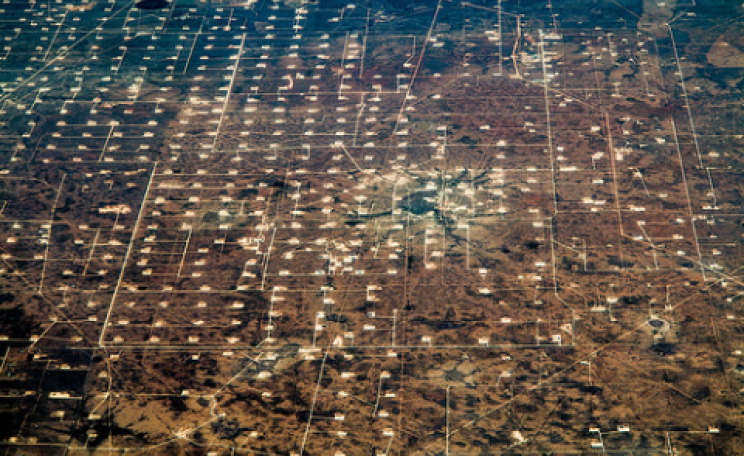
Political support for fracking is not just about energy, writes Paul Mobbs. It reflects the greater ecological and resource crisis at the root of our current economic woes - and only postpones the essential shift to a new kind of economy.
The Transatlantic Trade and Investment Programme - TTIP - is a huge 'free trade' agreement under negotiation between the EU and the USA. Zac Goldsmith MP warned Parliament that it threatens to undermine key democratic principles.
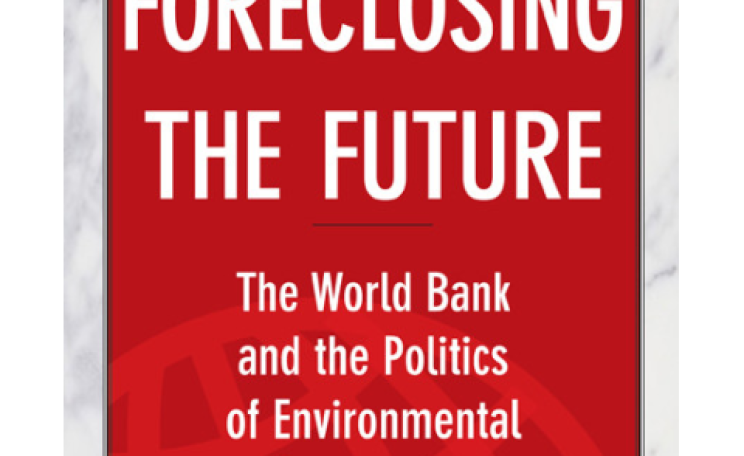
Will the World Bank ever change? After decades of promises, initiatives, accords and re-branding, Bruce rich finds that the World Bank is the same old indiscriminate money-pump, still funding social and environmental catastrophe worldwide.
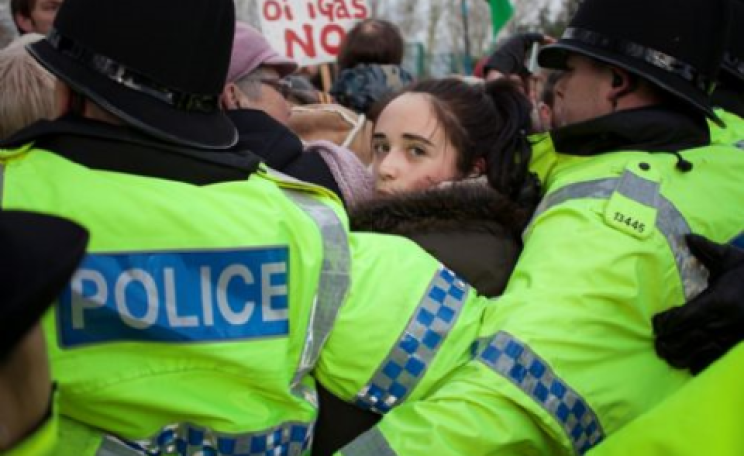
Two Councils at the front line of fracking protests - Greater Manchester and West Sussex - have pension funds investing in the major fracking operators - while decisions on planning applications to frack are pending.
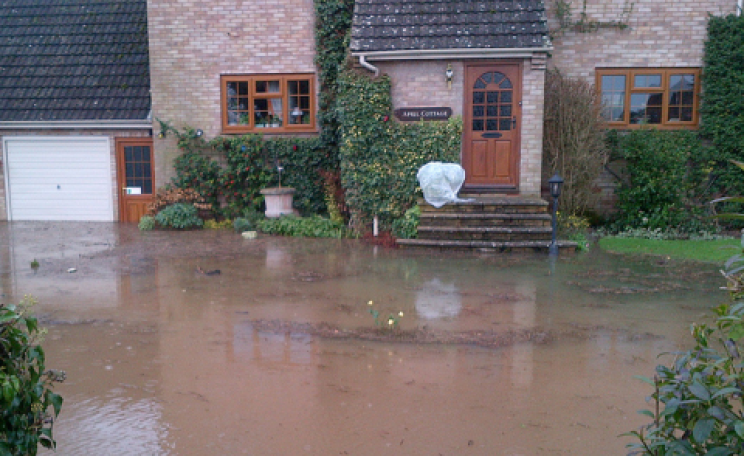
Somerset is experiencing its most significant flooding in decades. As the political right calls for ever more dredging, Karen Potter trawls Defra's archives ... and finds a shocking history of sound policy sacrificed to short term political expediency.
Economics claims to be a science - yet it fails to engage with the world's only real economic actors - people, not theorems. It's time to rethink economics, write David Boyle and Andrew Simms, and ask the revolutionary question: 'What if ... ?'
To achieve true sustainability, ecological movements across Europe must push for independence from an EU ideologically locked into a neoliberal 'free trade' agenda wedded to endless economic growth, writes David Acunzo.
The Trouble with Billionaires: How the Super-Rich Hijacked the World (and How We Can Take It Back) exposes the damage done by extreme wealth to our democracy, our economy and our social stability.
The True Cost Accounting in Food and Farming conference was remarkable - star speakers ... fine food, drink and music ... even an impromptu Panto performance. In short, writes Sharon Garfinkel, it was an inspiration to all who attended.
Despite all the hype that fracking the UK will mean cheaper energy bills, it is increasingly clear that the opposite is the case, writes Lesley Docksey. And who will pay the cost? Taxpayers, energy users, and the environment ...
Climate change is an existential threat to humans and our civilisation. A rapid transition to a renewable energy system must take place if we are to survive, argues Tom Burke - never mind the economics.
Yesterday Chancellor George Osborne delivered his Autumn Statement to a braying House of Commons. For Green Party Leader Natalie Bennett, his speech was a glorious exposition of stupidity and deliberate ignorance. No wonder his backbenchers loved it ...