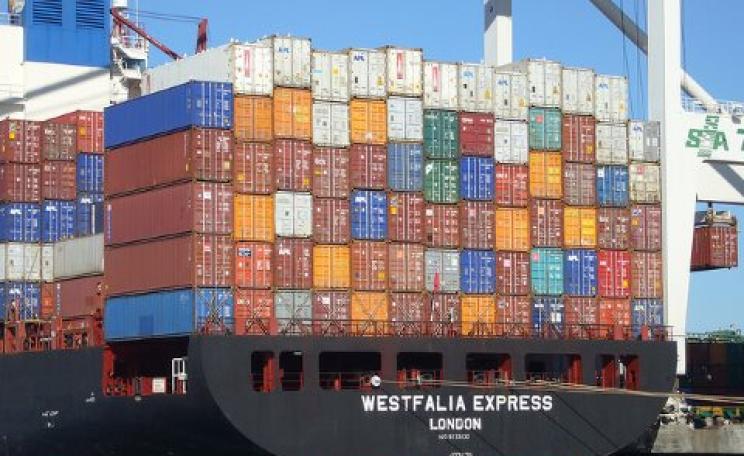
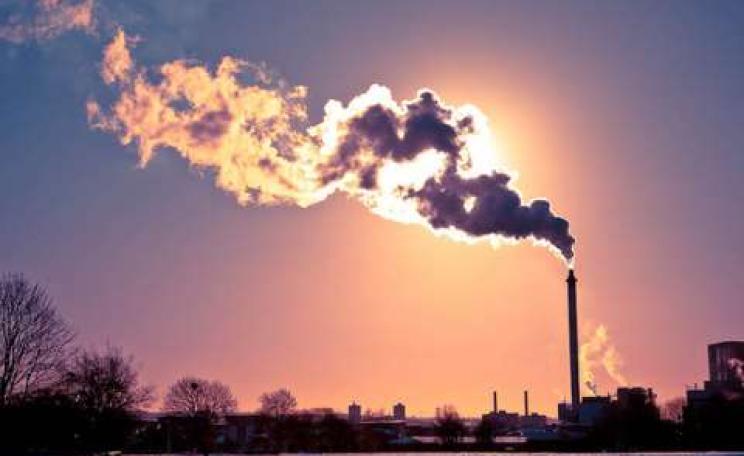
If the world's leaders really cared about climate change, there's one easy way to reduce emissions, writes John Weeks - drop the obsession with increasing trade, and all the pollution that goes with it. A world based on local production, consumption and finance will be a better one for people and the environment.
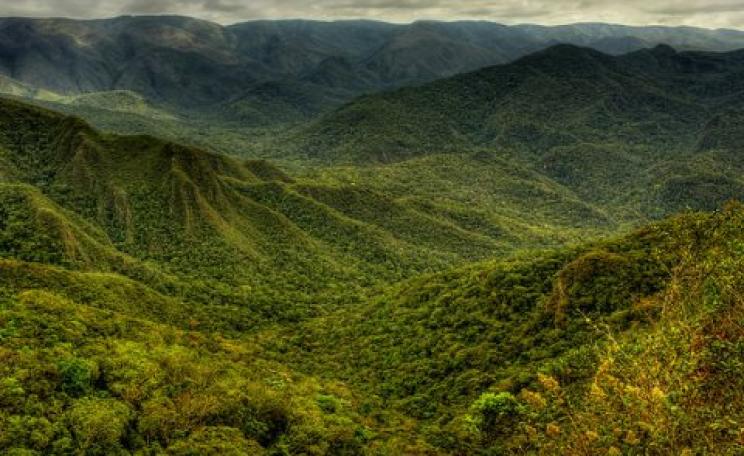
As Brazil prepares for elections next month, conserving its remaining Atlantic Forest is a hot issue, writes Cristina Banks-Leite. Ecologists want to preserve more native habitat, while farmers want to expand their acreage. But there is one solution that ought to please everyone.
Nuclear power exists for one reason only, writes Ralph Nader - government support. Without the taxpayer subsidies, accident liability waivers and exploited consumers, nuclear power wouldn't exist. And even with all the above, it can barely hold on. It's time to end the nuclear boondoggle for once and for all.
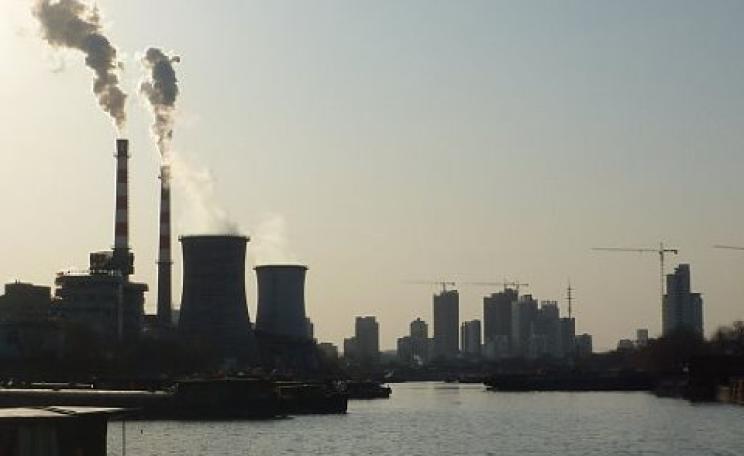
There are hopeful signs that China, the world's biggest emitter of greenhouse gases, is becoming less reliant on the polluting coal that powered its rapid economic rise, writes Kieran Cooke. Great news for China, and the planet - but worrying for coal exporters!
A second canal joining the Pacific and Atlantic oceans is planned for Nicaragua, writes Nathan Wood. But the gigantic project is raising growing fears due to a grossly unfair contract, glaring failures of process, close links to the Chinese government, and its enormous - but uncosted - ecological impacts.
What's the biggest threat to your life savings you've never heard of? Rebecca O'Connor shows how the world's exposure to unburnable carbon assets, and competition from clean energy technologies, could hammer your savings, pensions and investments.
Donors, NGOs and investors want to help grassroots sustainable energy enterprises grow, so they can bring the myriad benefits of clean and affordable energy to many more people, writes Emily Haves. But just what kind of support is needed?
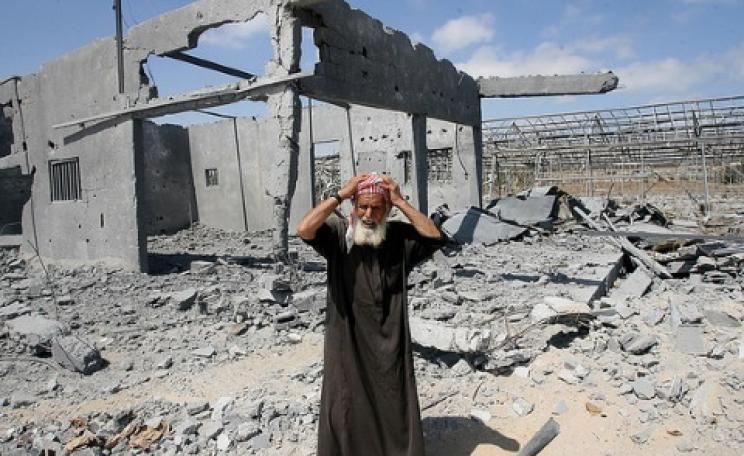
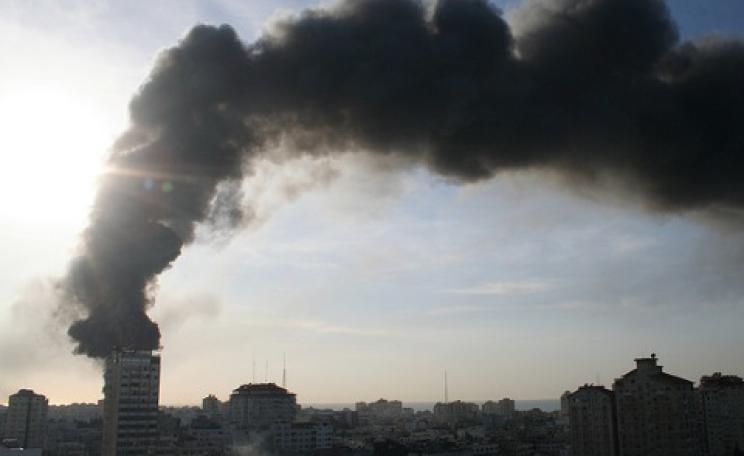
As Israel pursues its war on Gaza with ever-increasing ferocity, and with 25% of Gaza's people forced from their homes, what's the final objective? It's unthinkable that Israel's aim is to 'cleanse' the territory of its people, seize its vast gas reserves, and annex some of the Med's hottest real estate. Isn't it?
Amid Spain's general depression, Marinaleda - an Andalucian town sometimes dubbed the 'communist utopia' - is bucking the moribund trend with a heady mixture of direct action, community-level democracy, cooperation and mutual aid.
Israel desperately covets Gaza's gas as a 'cheap stop-gap' yielding revenues of $6-7 billion a year, writes Nafeez Ahmed. The UK's BG and the US's Noble Energy are lined up to do the dirty work - but first Hamas must be 'uprooted' from Gaza, and Fatah bullied into cutting off its talks with Russia's Gazprom.
Using local currencies to stimulate local economies and revalue local labour over imported products and resources sounds like a great idea - but recent experiences have proved disappointing. Are there other ways to 'close the money loop'?
The UK's conservative Daily Telegraph warns: investors in fossil fuels are 'throwing good money after bad', reports Nathan Wood, as renewable energy takes off leaving a potential $19 trillion of oil assets 'stranded'.
If we're serious about cutting CO2 emissions, there's no place for nuclear power, writes Ian Fairlie - because it's the least cost-effective way to do it. By far the best way is to improve energy efficiency. But tell the Government the truth, and it'll close you down.
Fishing quotas were meant to conserve stocks and support fishing communities, writes Emma Cardwell. But they have achieved the reverse - rewarding the most rapacious fishing enterprises and leaving small scale fisherfolk with nothing.
In modern India any form of dissent from the neoliberal corporate model of development is being criminalised, writes Kumar Sundaram. Opponents of nuclear power, coal mines, GMOs, giant dams, are all under attack as enemies of the state and a threat to economic growth.
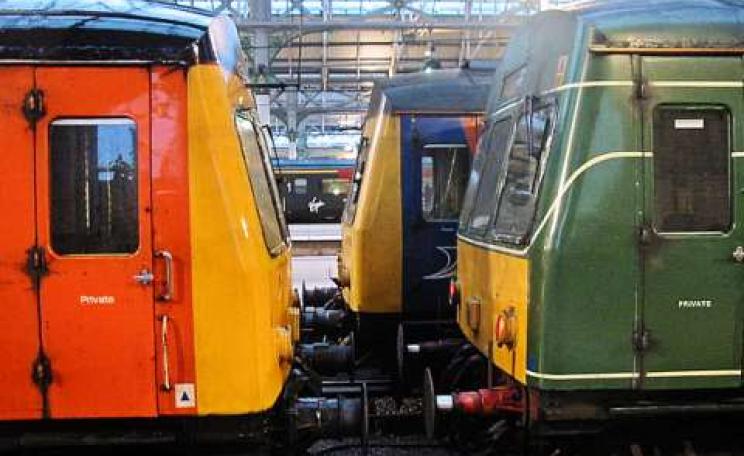
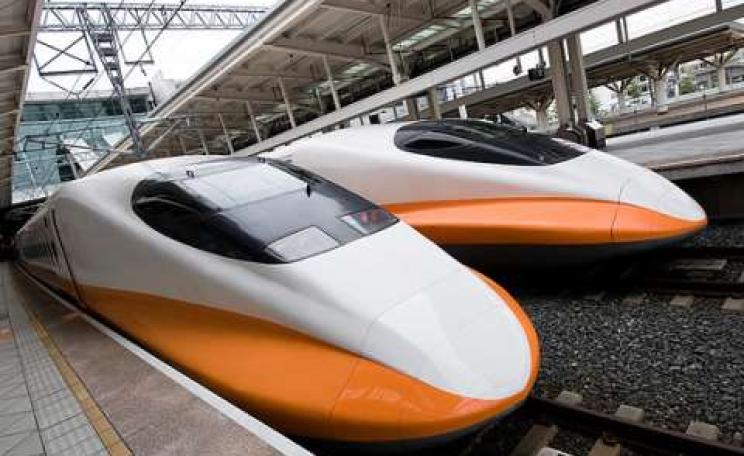
High speed railways connecting Liverpool, Manchester, Leeds, Huddersfield and Sheffield could transform the economy of the north of England, writes Ian Wray - creating a new mega-city that could challenge London's over-dominance.
Migration is an essential component of strategies to adapt to changing climates, writes Alex Randall. Greens should welcome migrants and support their efforts to build climate resilience in their home communities.
Britain's deep-seated environmental and economic problems have nothing to do with immigration, writes Adam Ramsay, and everything to do with our unjust and divisive social order, and the austerity that is being inflicted on us by an oppressive ruling class.
The EU's system for trading carbon emissions has cost consumers dear, while delivering few carbon reductions. Reforms are urgently needed, write Luca Taschini & Josh Gregory, and first among these is to open the market up to public scrutiny.
In the industrial era, economic growth has become equated with human progress, writes Jules Pretty, with a fundamental assumption that material growth and consumption inevitably leads to improvements in our well-being. Now think again ...
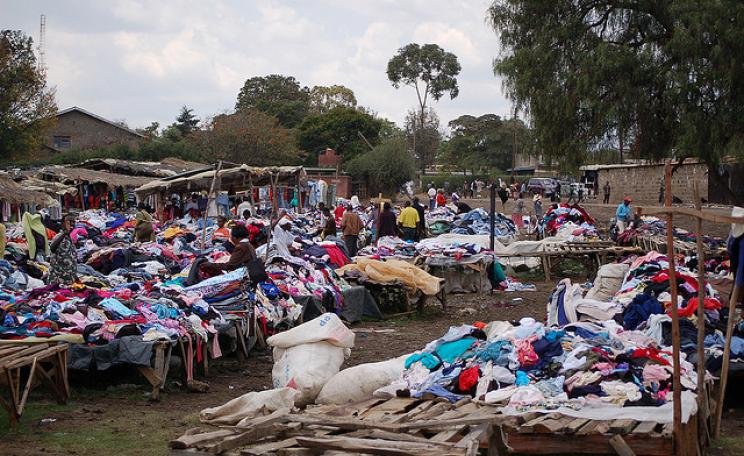
Our economies and our jobs depend on mass consumption, argues Oliver Williams. If we all consume less to save the planet, the economy will tank and millions will lose their jobs. The answer is not frugality, but reductions in population.
Ecuador is facing an unprecedented confrontation between a 'progressive' left-leaning government and a national coalition of indigenous peoples determined to stop vast oil and mining projects taking place on their community land and villages.
You can actually be better off, healthier and happier with less consumption, says Munasinghe. And it's not just rich countries that need to change, he told Noah Sachs - poor countries too must develop sustainably, or the Earth's resources will simply run out.
Supporters of HS2 assert that it will cause prosperity to trickle down from London to the entire North of England, writes Tony Payne. But economic theory and hard experience tell us that the reverse is more probable - that it will help London to 'suck out' northern wealth.