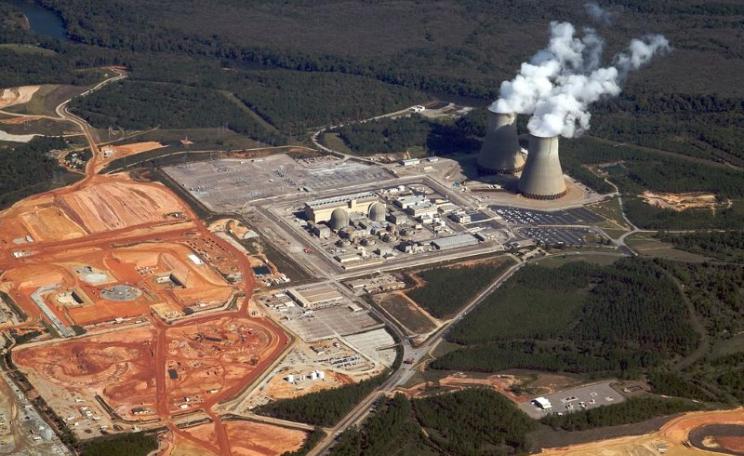
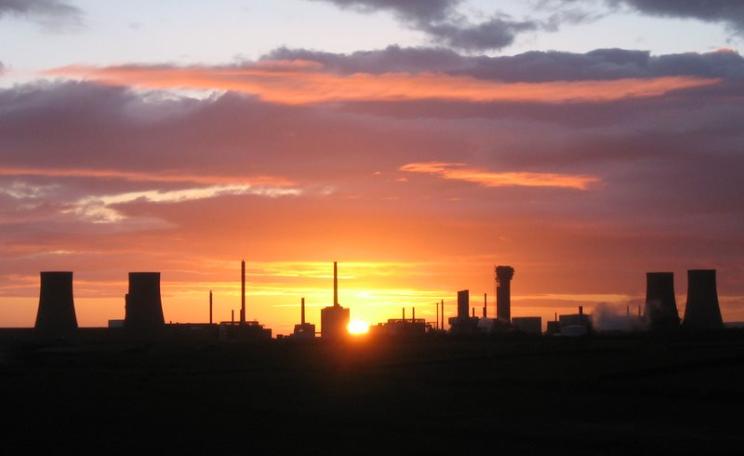
The UK's plan to get China to build and finance new nuclear power stations is based on a wish and a prayer, writes Oliver Tickell. There is no reactor design, including new Chinese ones, that we can depend on to fill our impending power generation gap. This time, the last one out won't even have to turn out the lights.
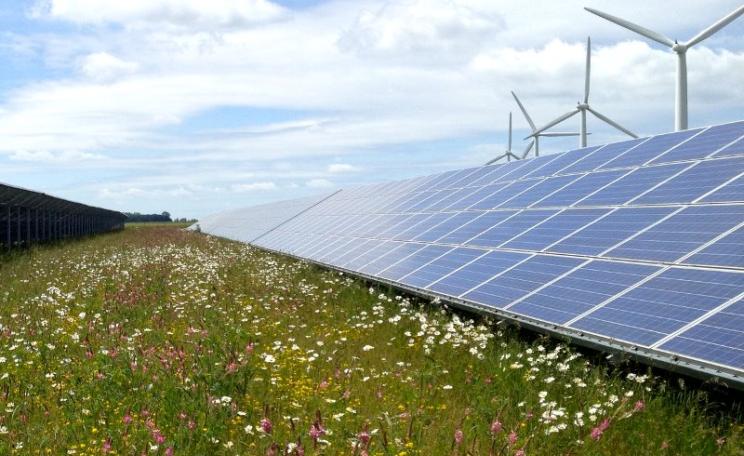
The effect of wind and solar generation in the UK is to push down wholesale power prices, writes Oliver Tickell, taking over £1.5 billion off our bills in 2014 - that's 58% of the subsidies paid to renewable generators. Keep it up and the benefit will rise to over 100% of cost.
The love affair of the 'pro-nuclear greens' with a failed technology has paved the way to the UK's destruction of its renewable energy industry, writes Jonathon Porritt, and to the imminent deal with Chinese parastatal corporations to build a new fleet of already obsolete nuclear power plants at massive cost to us all.
China's smog is an increasing cause of public discontent, writes Oliver Wild - and no wonder! New research shows that the country's air pollution is killing over a million people every year. Thanks to China's geography the problem is hard to solve, but the rapid rise of renewables and the slow demise of coal do offer the promise of cleaner, healthier future.
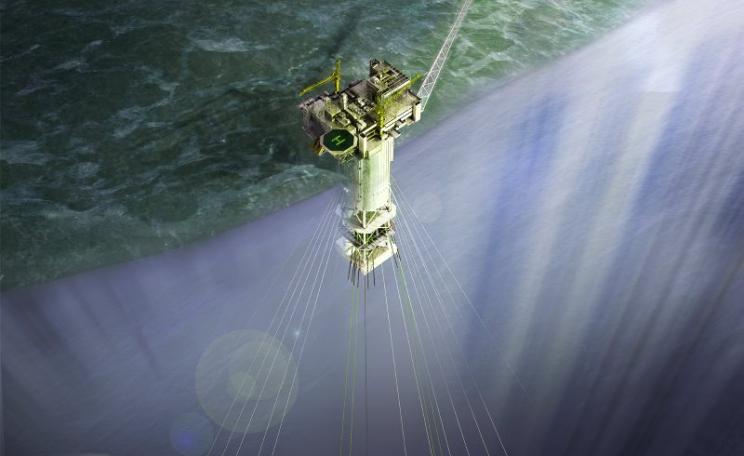
Large-scale oil extraction in the Arctic is irreconcilable with the 2C global warming limit, write Aleksander Melli, Pål W. Lorentzen, Mari Seilskjær, Hans Morten Haugen & Truls Gulowsen. And that puts Norway's dash to develop Arctic oil into direct conflict with its Constitution, which requires the state to try and secure climate stability for its citizens, present and future. A lawsuit is imminent.
Fuel poverty is a complex problem with many causes, writes Mari Martiskainen, but it is also a deadly one for some 25,000 thousand people every year. And there is one surprisingly simple solution: a huge upgrade in the energy efficiency of our housing stock.
The UK government is punishing renewable energy for its success in generating 25% of the country's electricity, writes Stuart Parkinson. But there's no austerity when it comes to the bloated military-nuclear industrial sector, no matter how egregious its failures or extreme its cost overruns. Our future prosperity is being sacrificed - and its costing taxpayers billions.
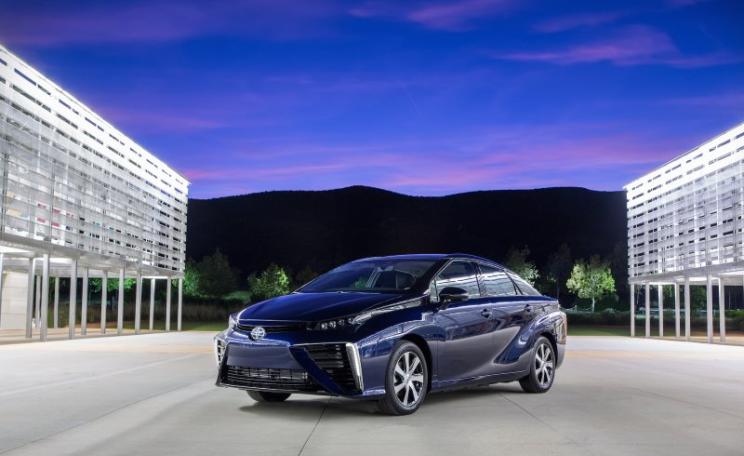
Hydrogen cars - and the fuel cells that drive them - are about to get a whole lot cheaper thanks to a redesign of the platinum catalyst that makes them work, writes Oliver Tickell. By inserting atom-sized holes into the precious metal's surface, its activity can be trebled.
On the face of it, the UK's policy to pursue nuclear power at all costs, while destroying the renewable energy sector, is totally illogical, write Philip Johnstone & Andy Stirling. But then it may make perfect sense - if only you accept that it's really all about maintaining the country's role as a nuclear weapons state for generations to come. And the 'deep state' has a way of getting its way.
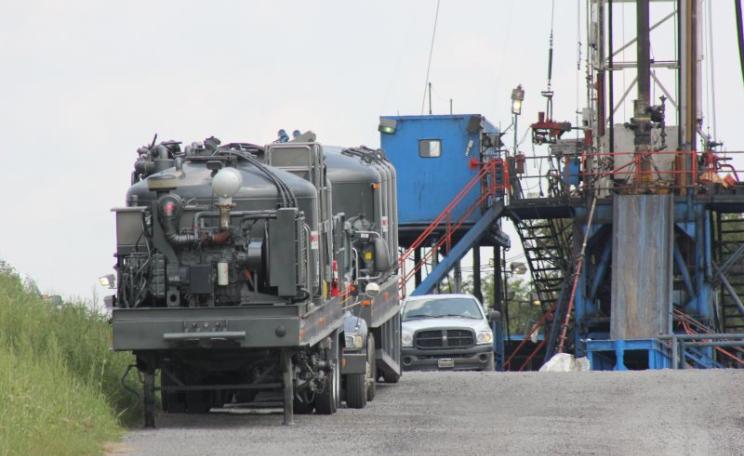
A new study in the US's 'fracking capital' Pennsylvania has found that pregnant women who live near gas fracking wells are far more likely to give birth prematurely or develop problems during their pregnancies.
The real lesson of Volkswagen's 'dieselgate' scandal is that we must ditch petroleum fuels, writes Harry Hoster. There's new, clean technologies just waiting to take off - and the most promising is fuel cells. They will also fit right into the new world of renewables, with surplus power from wind and solar making the hydrogen they burn.
Ecotricity boss Dale Vince has accused the government of rigging the electricity market, writes Alex Kirby, by showering fossil fuels and nuclear power with huge subsidies, while taxing renewables and insisting they must 'stand on their own two feet'.
Campaign groups from Indonesia, Kenya and Peru have called on planners in the UK to turn down opencast coal mines in Co Durham and Derbyshire, write Anne Harris & Hal Rhoades. Not only do the mines damage local health and environment, say the activists. They also threaten global climate stability - and all countries must play their part in ending the world's coal addiction.
This week George Osborne took the entire energy policy brief out of the department for energy and climate change, and handed it to the new National Infrastructure Commission. It could mean a swift end to the Hinkley C nuclear plant and a new wave of renewables - but don't count on it. NIC chairman Lord Adonis is no green dreamer. But at least he takes energy seriously.
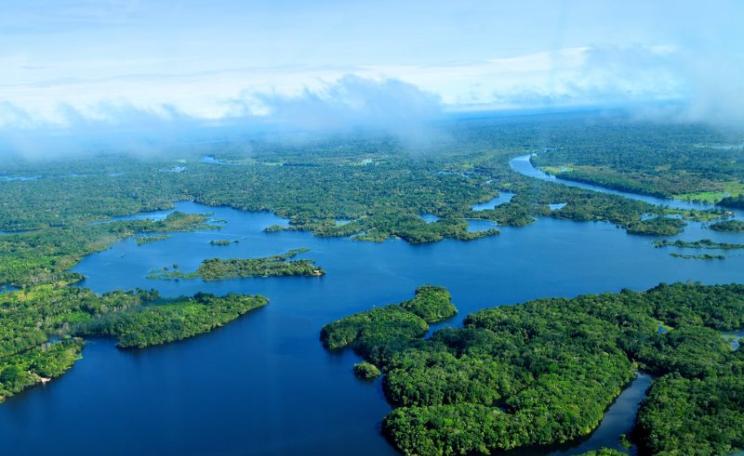
Brazil is about to auction hundreds of fracking blocks across the country - extending deep into the Amazon forest including the territories of remote and vulnerable indigenous peoples. Registered bidders include BP, Shell and ExxonMobil.
George Osborne's silence over nuclear power in his conference speech yesterday speaks volumes, writes Jeffrey Henderson. Fresh from his trip to China to put together deals worth tens of billions with state-owned Chinese corporations to get Hinkley C and Bradwell nuclear plants built, he had nothing to say on the matter. Is it because too many serious questions remain unanswered?
To explain their desperation to commit an estimated £76 billion of public money to the Hinkley C nuclear project, writes Paul Dorfman, the Treasury and its Chancellor, George Osborne, claim there are other benefits that justify this vast expenditure. So what exactly are they? And do the claims survive critical examination?
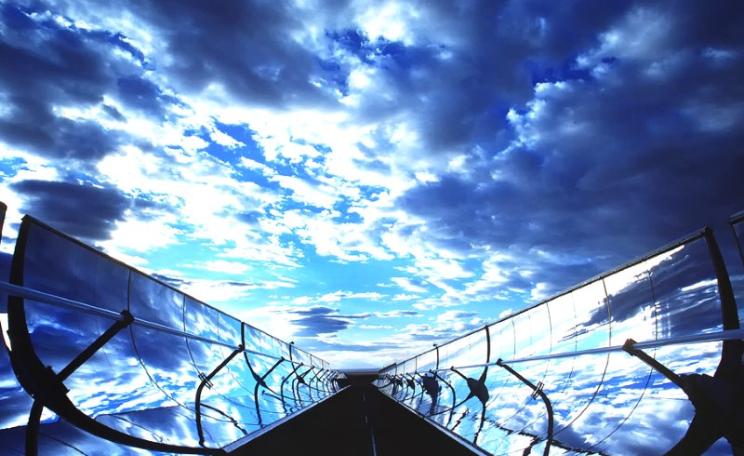
The government has an opportunity to show real leadership on energy and climate change this week, writes Richard Layard - by making the UK the first country to sign up to a global research effort to replace fossil fuels with renewables as the world's primary power source.
Just as George Osborne is hoping to get China to invest billions in EDF's Hinkley C nuclear plant in Somerset, news from EDF's Flamanville nuclear site threatens to sink the project. French regulators are to demand another lengthy round of tests on its flawed reactor vessel. And if Flamanville isn't working by 2020, £17 billion of UK finance guarantees for Hinkley C will collapse.
There are two rules about the end costs of nuclear power, writes Ian Fairlie. It's far more than you ever knew. And whatever sum of money was ever set aside, it's nowhere near enough. Germany understands this. That's why it refused to let E.ON spin off its nuclear liabilities into a hands-off company. But the UK, it seems, has lost the ability to learn from its nuclear mistakes.
Britain has a huge role in effecting the global energy transition to renewables, new shadow energy secretary Lisa Nandy told the Labour Party Conference. But that will mean a complete reversal of Tory policies to attack wind and solar, lock us into polluting fossil fuels and overpriced nuclear power, and maintain 'big six' profits at consumers' expense.
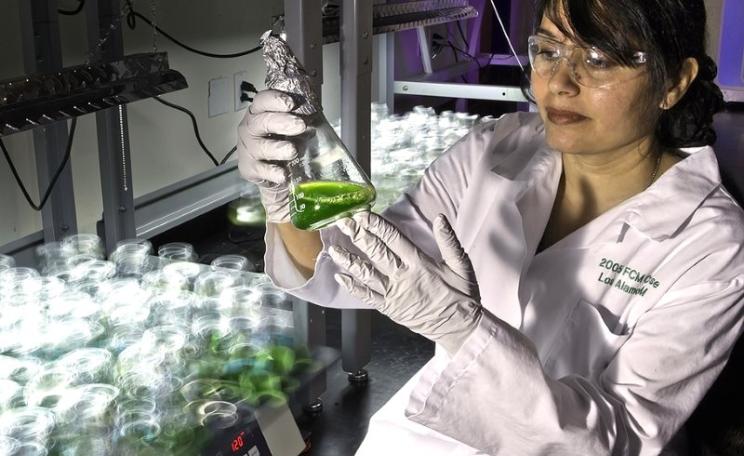
The biofuels of the future will depend on microbes, writes Almuth Ernsting: algae to produce the biomass, and fungi or bacteria to break cellulose down into useful molecules. Just one problem: wild strains aren't up to the job. So scientists are trying to genetically engineer supercharged 'synthetic biology' variants - which will inevitably enter the environment. What could possibly go wrong?
America's coal-fired power plants produce 140 million tons of ash a year, reports Ben Whitford, most of it dumped in open storage ponds that contaminate drinking water with arsenic and heavy metals. And now Presidential candidate Jeb Bush is promising to scrap 'new and costly' (actually feeble) EPA regulations before they have even been implemented.
Shell's US president says the oil giant's unpopular drilling operations in Alaska's Chukchi Sea will stop for the 'foreseeable future' as exploratory drilling finds little oil and gas to justify its $7 billion investment.