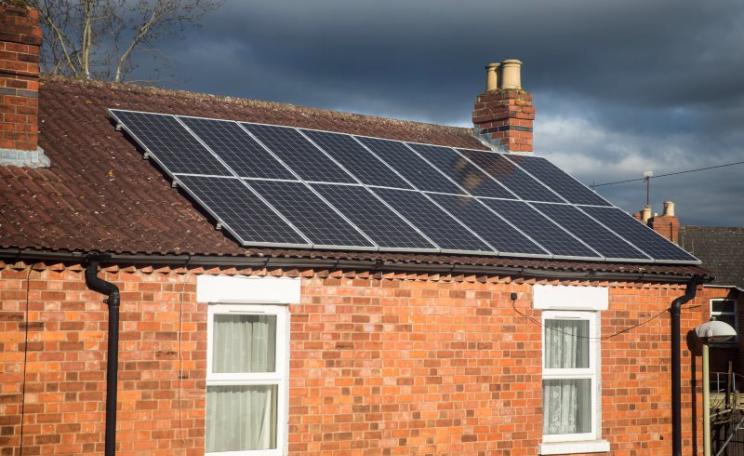
Solar panels made using perovskite technology pay back the energy used to make them ten times faster than those using silicon. In time, this could lead to similar falls in price.
With the US, China, Germany and other countries firmly fixing their aim on a low carbon, renewable energy future, the UK government has chosen precisely the opposite track, write Noam Bergman, Lee Stapleton & Mari Martiskainen. Its mission to destroy wind and solar power, undercut energy efficiency and boost nuclear power and fracking threatens serious, lasting damage.
The UK government has timed its attacks on renewable energy to perfection, writes Alasdair Cameron. Public 'consultations' on proposals to cut away support for wind and solar are running over the holidays - and many of those affected don't even know about it. It's time for us all to stand up for the green economy and make our voices heard!
Never mind government inaction (or worse) on climate change, writes Assaad W Razzouk. Solar power costs just keep on falling, and it's already providing the lowest cost electricity across much of the world. With $7 trillion of investment piling into the sector, the momentum is now unstoppable.
The wind is a force of nature over which only someone with extraordinary delusions of grandeur can truly claim ownership, writes Adam Ramsay. But to prevent that, we must assert our belief that wind, sun and other drivers of our renewable future are a common heritage for us all to benefit from.
Batteries may have a big role in balancing future power grids, writes Sean Meyn, enabling more wind and solar generation. But until we go beyond 50% renewables, we don't need them. Instead we can adjust the demand of power hungry appliances to what's available every moment of the day.
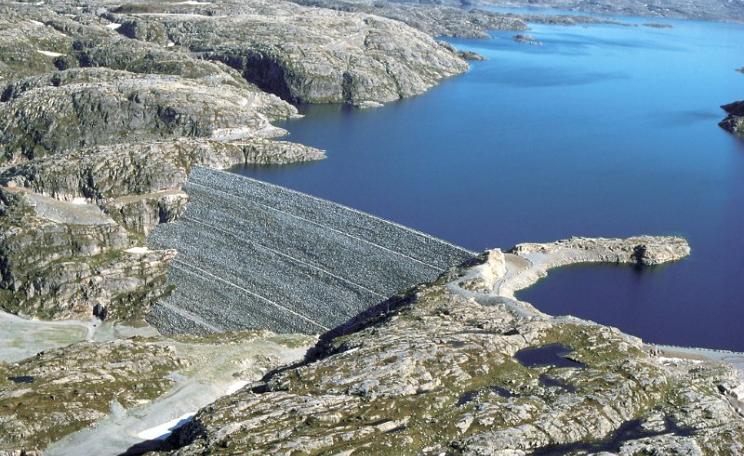
Engineers in Norway aim to put their mighty hydroelectric dams to a new purpose, writes Paul Brown - as giant batteries to store up surplus power from wind and sun across Europe, and put it back in the grid when generation falls off or demand is strong.
Are you suffering from cognitive dissonance? You should be, writes Oliver Tickell. After the most ferocious attack a UK government has ever mounted on the environment, David Cameron just claimed that his is the 'greenest government ever', as Amber Rudd proclaims her commitment to climate action. What's going on?
Shale gas company Cuadrilla will appeal Lancashire's decision to refuse permission to frack, write Kyla Mandel & Ben Lucas. The planning battle will last well into 2016, as campaigners prepare to fight all the way.
The damage caused by fracking to people, communities and the wider environment will be put under the legal spotlight in public hearings in the US and the UK, write Damien Short & Tom Kerns. While the 'ruling' that emerges will be non-binding, it will provide an authoritative, expert dossier of fact and argument for real legal actions to follow.
Perplexed by today's sharp cuts in solar power and other attacks on renewable energy in the UK? Don't be, writes Oliver Tickell. Really, it all makes perfect sense. You just have to understand their real purpose: to keep your energy bills high, along with power company profits. And never mind the 'green crap'!
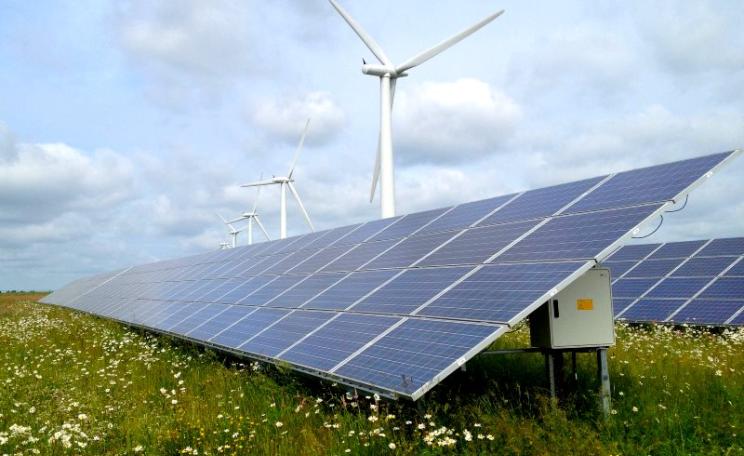
The UK government has announced massive cuts in support for solar roofs and farms that appear designed to undermine investor confidence just as the technology is on track to be subsidy-free by 2020.
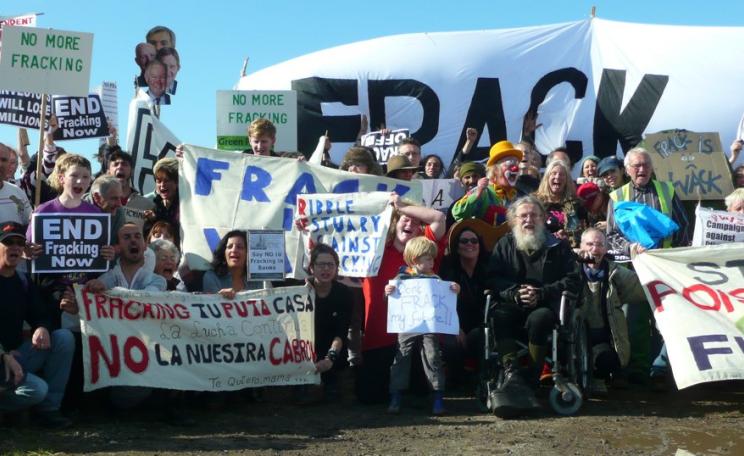
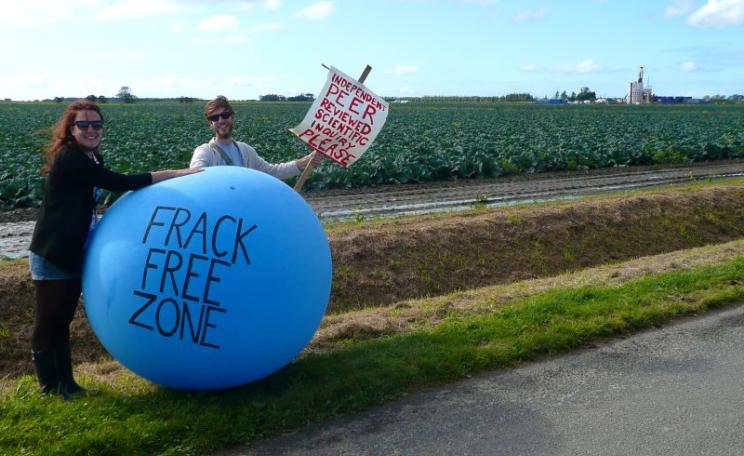
The anti-fracking movement scored a great victory when Lancashire councillors refused planning permission for two fracking wells, writes Damien Short. But dig deeper and the triumph was all the greater, as it overcame not just Cuadrilla, but a morass of pro-fracking bias and legal and scientific misrepresentation from those meant to be providing impartial advice.
The UK Government has ditched the requirement for new homes to be 'zero carbon' from April 2016, writes Gordon Walker. With builders already geared up to meet the challenge, this needless reversal will raise energy bills and carbon emissions for a century or more to come, and send out all the wrong signals for the Paris climate talks.
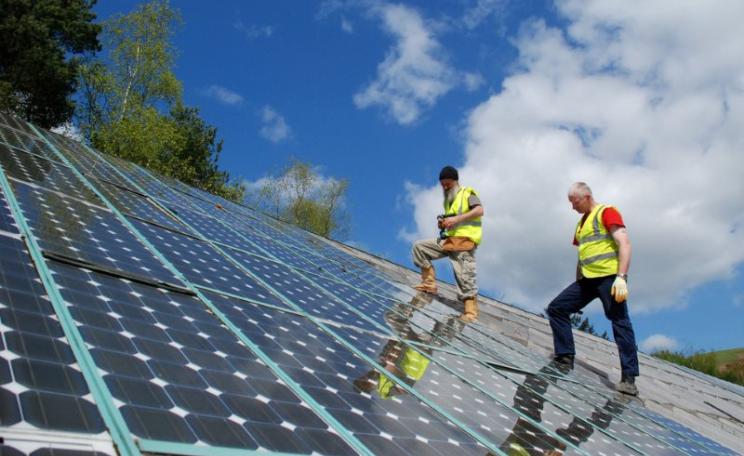
Energy secretary Amber Rudd promised 'a new solar revolution' for the UK, writes Kyla Mandel. But now the industry is braced for a massive round of cuts that could kill off the sector, just as it's on course to be the UK's first subsidy-free renewable power source in 2020.
Moving to 100% clean, renewable energy is a win-win option for South Australia, writes Mark Diesendorf. First of all it's highly doable over a 25-year transition period. It will also bring lower power prices, more employment, better health and a cleaner environment. What's not to like?
As nuclear projects using the EPR design run into long delays and huge costs overruns, industry hopes are pinned on the Westinghouse AP1000 reactor, writes Chris Goodall. But with eight AP1000 projects around the world going the way of the EPR, is it really a wise choice for the UK's Moorside nuclear site?
Breaking a clear pre-election promise, the government will allow fracking to take place in the UK's most precious wildlife sites and in vital groundwater source areas, writes Adam Vaughan.
David Cameron is gunning for a strong climate agreement in Paris this December, writes Dr Doug Parr. Meanwhile his government is doing all it can to undermine renewable energy and energy efficiency in the UK, and lock us into a high carbon, fossil-fuelled future. Can he really have it both ways?
The GMB trade union has called on the UK government to press ahead with the Hinkley Point C power station despite legal challenges and serious technical failures. In this Open Letter, David Elliott, Ian Fairlie, Jonathon Porritt and colleagues tell the union that its members' interests lie in our renewable future, not the nuclear past.
A second legal challenge to the UK's proposed Hinkley C nuclear power plant in Somerset was launched this morning by ten renewable and municipal power suppliers in Germany and Austria, citing grave distortions to European energy markets.
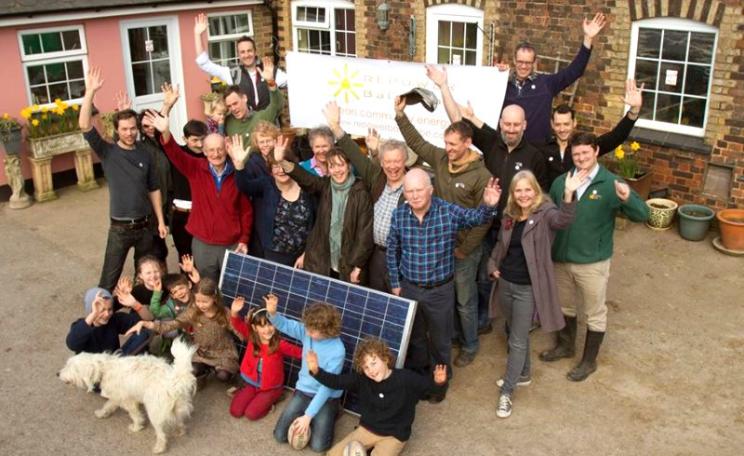
When fracking came to Balcombe in West Sussex in 2013, it divided village opinion, writes Joe Nixon. But the community is now united in its commitment to locally owned renewable energy, with solar projects on schools and farm buildings, and plans just in for a new 5MW solar farm.
Just when the UK's government might want to be boosting its green credentials it has chosen to do the precise opposite, writes Steffen Böhm: giving tax breaks and subsidies to oil and gas, while attacking renewables and energy efficiency. We must unite to oppose these destructive and short-sighted policies
The UK government kicked away one of the main financial supports for renewable energy in yesterday's budget. The surprise move will cost the sector £3.9 billion over the next five years and undermines any prospect of the country meeting its EU renewable energy targets.