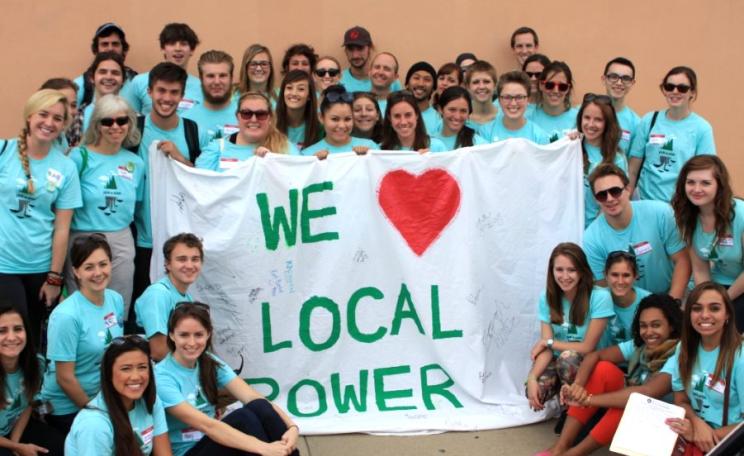
Fed up with being gouged by profit-driven corporations, let down by state neglect and under-investment, urban communities across the US are taking control of local services like public transport, energy, water, internet and telecoms, writes Max Holleran - bringing better service, lower prices and clean energy.
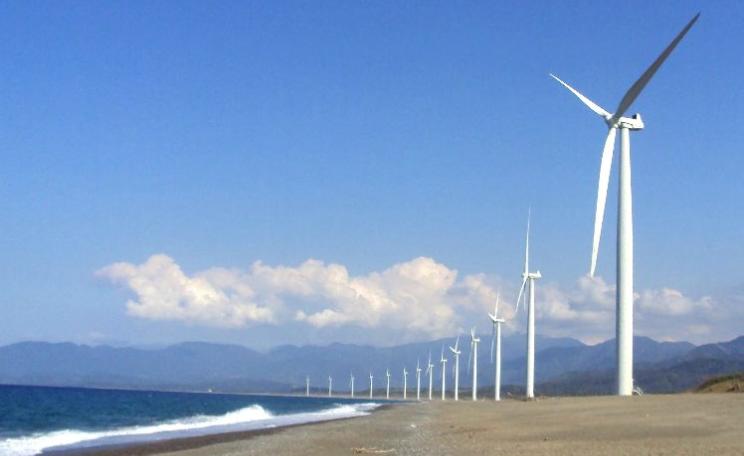
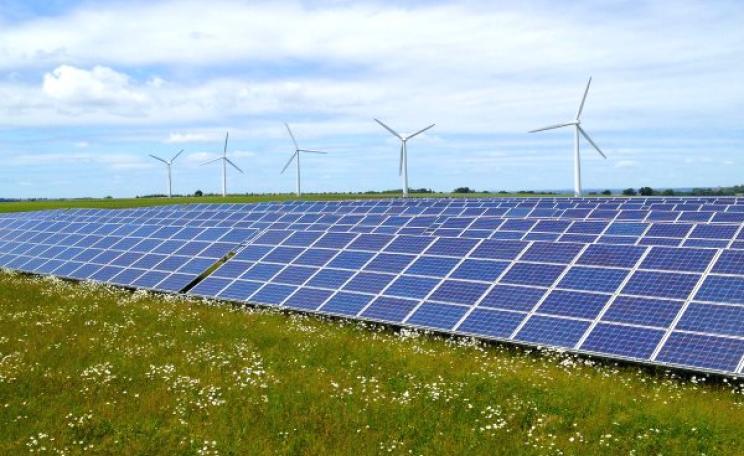
Mainstream energy analysts cling firmly to the belief that fossil fuels will attract the lion's share of world energy investment for a long time to come, writes Michael Klare. But there are four compelling reasons why they are wrong. The renewable revolution is under way, and has already gathered an unstoppable momentum.
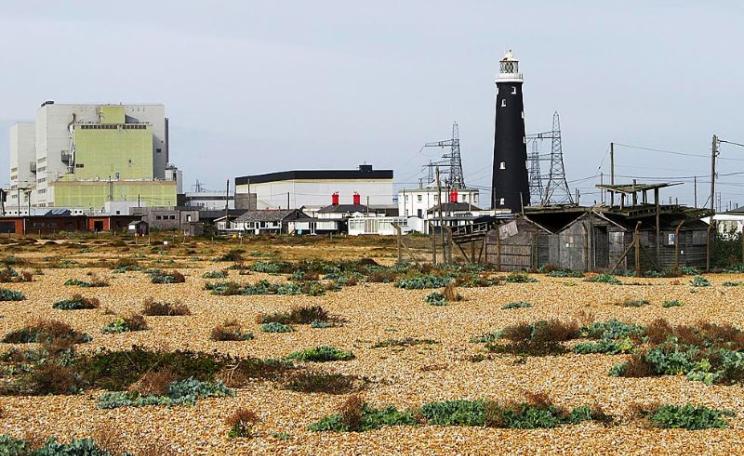
Sea level rise, storm surges and bursting dams all pose an increasing danger to nuclear power stations across the world, writes Paul Brown, as the long term risk posed by climate change combines with chance events from extreme weather events to earthquakes.
The Port of Seattle is violating its shoreline permit in allowing Shell to set up a 'home port' for its Arctic oil drilling fleet, according to Seattle officials. The finding could nix Shell's oil drilling plans for the 2015 season.
The 'death of peak oil' has been much exaggerated, writes Paul Mobbs. Take out high-cost 'unconventional' oil and production peaked ten years ago, and even North America's fracking and tar sands boom has failed to open up new resources both big enough to make good the shortfall, and cheap enough to reward investors. We really do need to be thinking 'beyond petroleum'.
The oil industry and oil producers have a long history of market manipulation, writes Karl Grossman, and we see it going on right now with the low oil price that's squeezing fracking and getting America back onto gas-guzzling SUV's. But longer term, solar power is going to win out, and even Saudi Arabia knows it. Its game? To make out big, while the going's good.
Tesla Energy's new mains power battery has just transformed the energy market - giving a huge boost to small scale renewable energy and killing off both fossil fuelled and nuclear power in the process.
Does Finland suffer from a nuclear death wish? So it seems, writes Ulla Klötzer. Its government responded to the world's two greatest nuclear disasters by ... ordering a new nuclear plant. And as the Olkiluoto nuclear project descended into face and litigation over a disputed €5 billion, they resolved to build two more. This time, supplied by Russia's nuclear weapon-maker Rosatom.
The stricken 4th reactor at Chernobyl presents a massive long term hazard, writes Kendra Ulrich. A planned €2.15 billion containment arch remains underfunded, and even if it's ever completed, it will only last 100 years. Meanwhile the intensely radioactive nuclear fuel will remain in place representing a long term risk of further huge radiation releases.
A new high-performance 'aluminum-ion' battery could be the technical breakthrough needed to boost the renewable energy takeover. It's safe, uses abundant low-cost materials, recharges in one minute and withstands many thousands of recharge cycles.
Hopes of strengthening Britain’s energy security are often pinned on the fossil fuel industry says Vicente López-Ibor Mayor, as exemplified by the hysteria over the claimed 'discovery' of 100 billion barrels of oil beneath Gatwick airport. But the real long-term solution lies with abundant and ever cheaper decentralised renewables.
Russia's Lake Baikal is under threat by a massive dam and pipeline on the main river that feeds into it, that would supply mines with power and water, writes Anson Mackay. In line to fund the project? The World Bank.
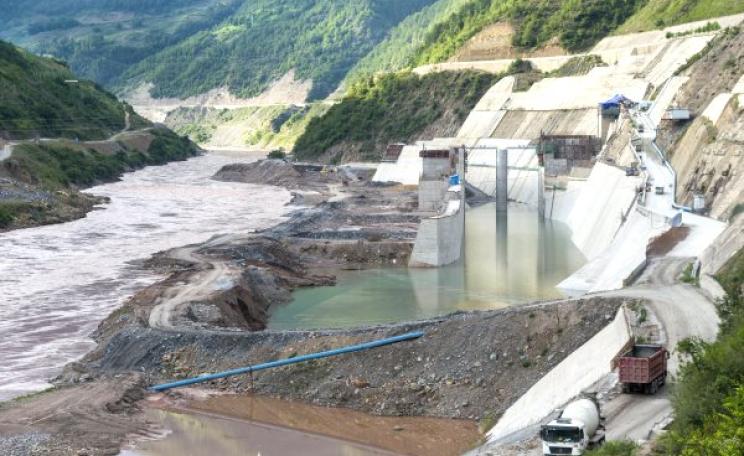
Police in India's Uttar Pradesh state yesterday opened fire on a 'sit in' by tribal protestors at the construction site of the Kanhar dam, now under construction in open contempt of court orders. Tribal leader Akku Kharwar and eight others were seriously injured by the gun fire.
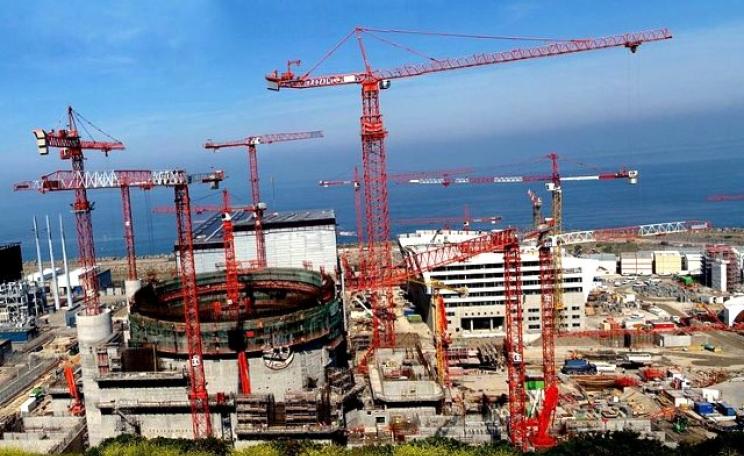
A serious flaw in the steel reactor vessel of a nuclear plant under construction in France raises safety fears for the EPR design, write Paul Brown & Oliver Tickell - and casts a dark shadow over the UK's troubled Hinkley C nuclear project.
When Michael Buckley took a white water rafting trip in Tibet in 2005, he had no idea of the adventure he was embarking on - a ten-year investigation of China ruthless exploitation of Tibet's mineral and hydroelectric resources, and its systematic attack on indigenous Tibetans, their culture and their survival on the land.
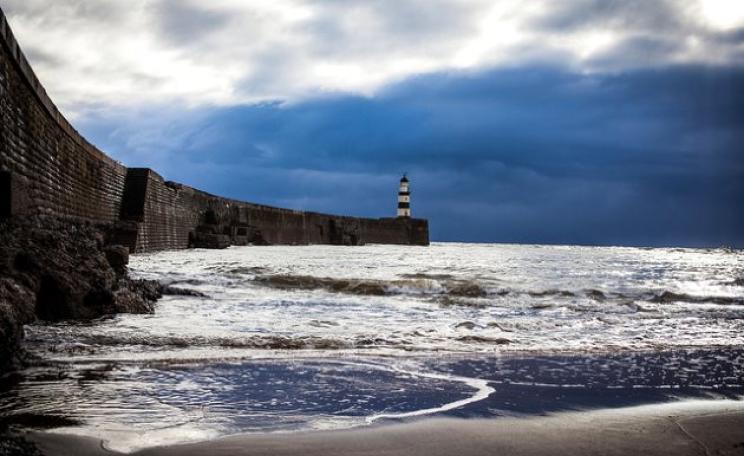
After over a century of coal ash and colliery waste dumping, the Tyne and Wear coastline is no stranger to industrial pollution. But soon a horrific new technology - underground coal gasification (UCG) - will endanger human health and the environment, backed by unflinching Government support and generous lashings of taxpayers' money.
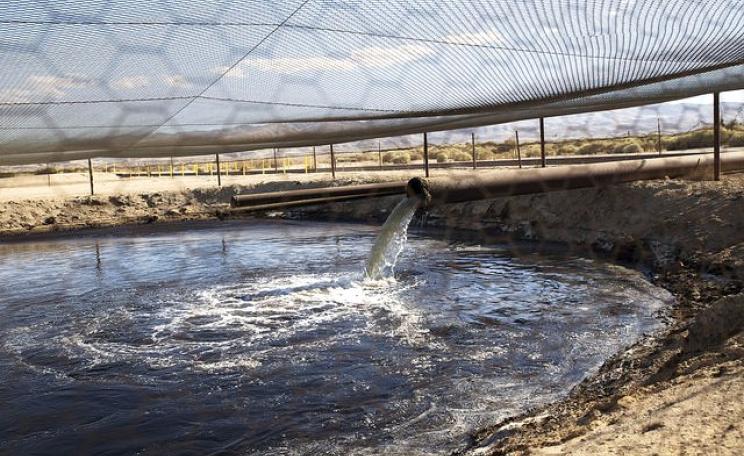
Medact, the organization of health professionals for a safer, fairer and better world, has called for a five year moratorium on fracking due to its serious hazards to public health, writes Paul Mobbs. Their new report is a powerful challenge to government policy that cannot be ignored.
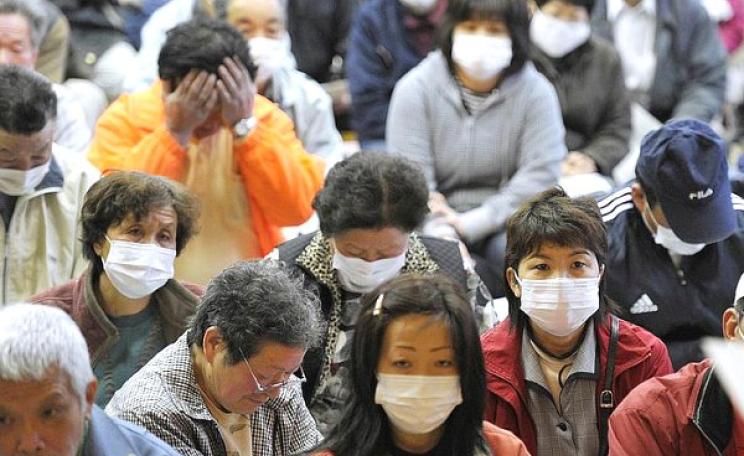
Public opposition to nuclear power in Japan remains strong, writes Jim Green, but piece by piece, Shinzo Abe's right-wing government has been putting the country's infamous 'nuclear village' back in control - boosted by draconian press censorship laws, massive interest-free loans, and a determination to forget all the 'lessons' of Fukushima. Is another big accident inevitable?
High ranking academics have issued a stark warning to policy makers on the future of Britain's shale gas - your best bet is that we have none that can be recovered consistent with policy objectives.
Britain's corporate energy oligarchy has failed us, writes Calum McGregor. It's given us widespread fuel poverty, unfair tariffs, constant price hikes, billions siphoned off to shareholders, and chronic under-investment in renewables. Now is the time for a new model: public and co-operative ownership of energy infrastructure under participative democratic control.
Another budget, another missed opportunity: the VAT system charges the full 20% on home upgrades, but 'zero-rates' developers who demolish and rebuild, writes Duncan Baker-Brown. Instead we should target VAT to reward those who meet 'green' criteria for energy efficiency and sustainability. Chancellors in waiting, listen up!
A new coal and biomass-fired power station could soon be built at Drax in Yorkshire, already the UK's biggest coal burner, writes Almuth Ernsting. It comes with a weak promise of possible 'carbon capture and storage' - an expensive, inefficient technology shunned elsewhere. As the Government's nuclear dream fades, could this be its equally flawed replacement?
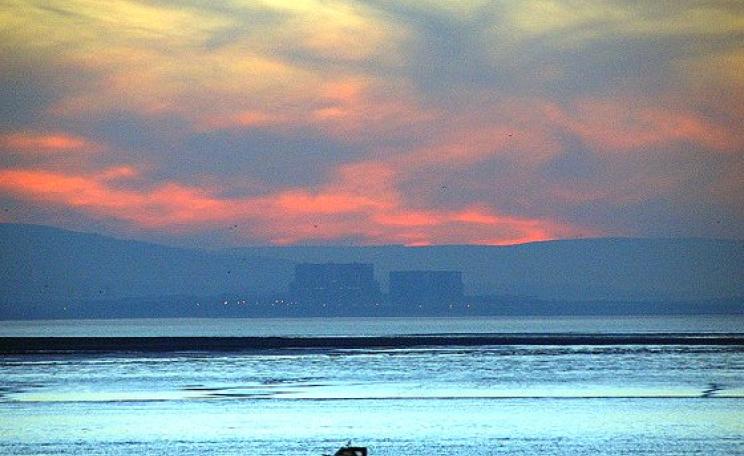
The Hinkley Point C nuclear power plant never made sense, writes Jonathon Porritt, but as legal challenges gather, finance fails to materialize, the cost of renewable energy keeps on falling, and the 'dead duck' EPR design is prepared for burial, even nuclear fanatics are turning against the doomed project.
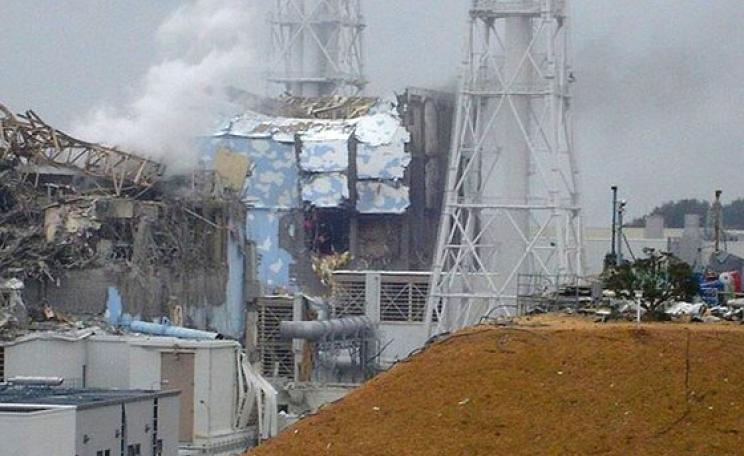
The Fukushima catastrophe four years ago today was no natural disaster, writes Arnie Gundersen. Operator TEPCO and nuclear regulators were well aware of the danger of tsunamis, but put money before safety. Nuclear power remains the only energy source that can destroy a country overnight - and it's time to ditch it!