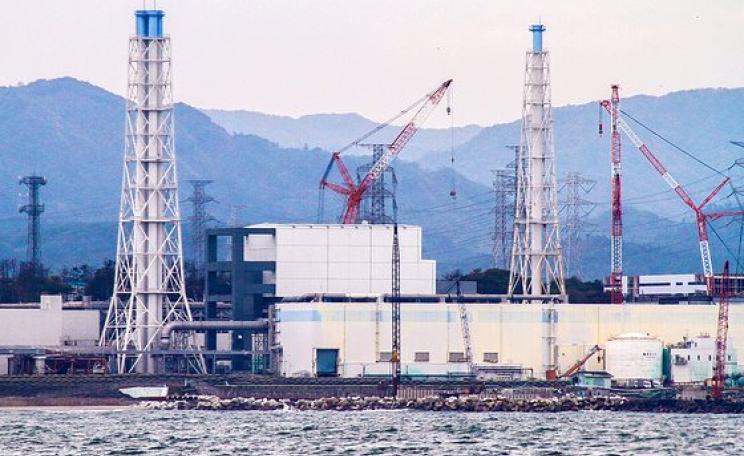
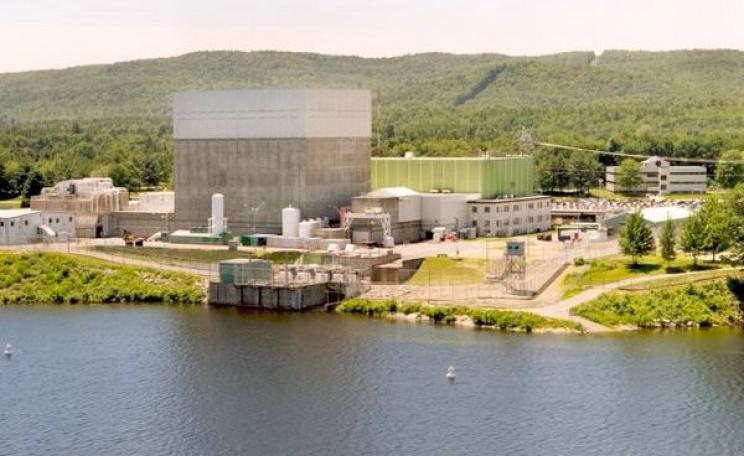
Four years ago today the world's biggest nuclear disaster since Chernobyl took place at Fukushima, Japan. Total clean-up costs are estimated around $0.5 trillion, writes Jim Green - but work to defuse the dangers has barely begun, the site is flooded with radioactive water making its way to the sea, and underpaid and illegally contracted workers are suffering a rising toll of death and injury.
Naomi Klein famously called for a 'grand coalition' of the progressive left to fight climate change and Earth-destroying capitalism, writes Alexander Reid Ross. And now it's happening, drawing together diverse strands that encompass the fight for social and racial justice, the right to work, health, clean air and fresh water, and our freedom to be alive and thrive on this our one planet.
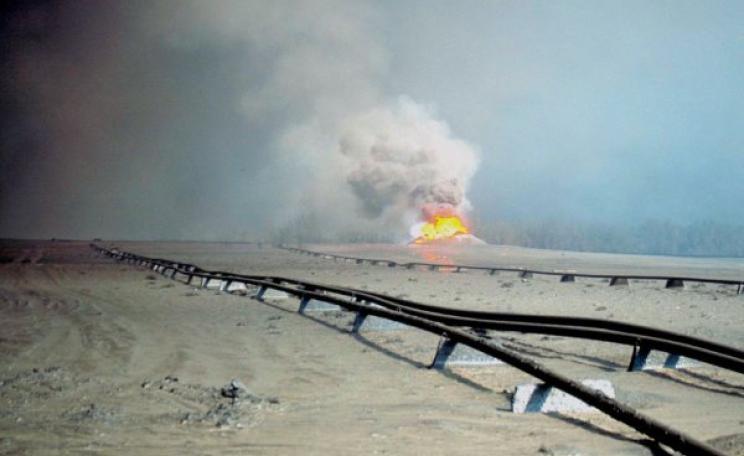
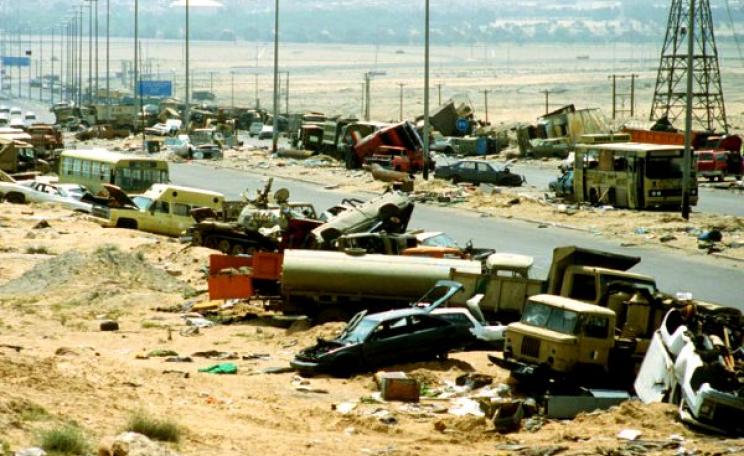
Look beneath the surface of the wars in Iraq, Syria, Afghanistan, Libya, Ukraine, and what do you find? Oil, gas, and contested pipeline transit routes. Never mind high-sounding talk of human rights, national sovereignty, international law and UN Resolutions, writes John Foster - fossil energy is the world's main driver of armed conflict.
A wide-ranging academic study of civil wars in 69 countries from 1945 to 1999 finds that the likelihood of outside intervention increases when the country at war has large reserves of oil, and a potential intervener needs to secure oil imports on favourable terms to meet domestic demand.
China has just recorded its first fall in emissions from burning fossil fuels in 15 years, writes Lauri Myllyvirta. The sharp decline has surprised analysts, and reflects the fast growing proportion of renewables in the country's power supply.
As the UK's nuclear dream fades, writes Chris Goodall, investors are turning to the possibilities of 'Concentrating Solar Power' in the Sahara connected to Europe by HVDC power lines. The cost would be much lower than nuclear or offshore wind, and provide reliable baseload capacity. With the UK government's say so, Tunisian sunshine could soon be powering our grid.
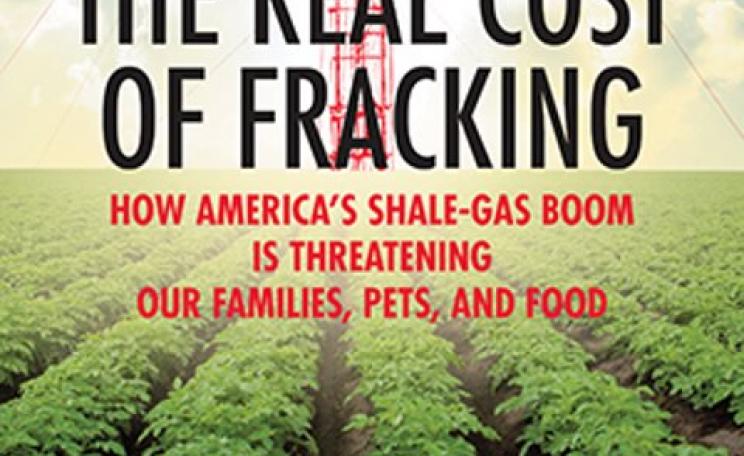
America's shale gas boom threatens families, pets, and food, writes Allison Wilson. Fresh from her reading of 'The Real Costs of Fracking', she finds a host of adverse health impacts on those living near fracking sites, the toxic pollution of the food chain, and a wall of corporate and official secrecy.
Scandinavian inventors are hoping that efficient new waves power technologies will for the first time make the sector competitive with other renewable energy sources, writes Paul Brown - opening up a massive new clean energy resource around the world.
Solbyn, a sustainable community in southern Sweden, is a cold place to spend the winter, writes Gillian Thomas. But for all the snow outside, the well-insulated homes stay warm in the harshest conditions - and the welcome is warmer still. Come summer, there's an organic farm to nurture, but February is a month for friendship, making plans, and brilliant starry nights.
Montana legislators have brushed off the attempts of farmers, ranchers and landowners to effect 'zoning' regulations to protect them, their land, their water and their livestock from the toxic impacts of fracking. Now they say: 'See you in Court!'.
India's renewable power capacity is set to reach 170GW by 2022, write Areeba Hamid & Oliver Tickell - reducing power shortages and bringing electricity to off-grid of rural communities for the first time. But it may also have an unintended consequence - cutting off investment in India's troubled coal sector as prospects for future profitability evaporate..
The failure of the UK's privatized electricity oligopoly - expensive, uncompetitive and slow to adopt renewable technologies - is being repeated across the global south, writes Christine Haigh: over £100 million of UK 'aid' is supporting energy privatization in the very countries that can least afford it.
While mainstream media promulgate a fictitious message of Russian threats in the Baltic, Vladimir Putin's next big play lies far to the south, writes Oliver Tickell. The gross intransigence of the EU, the IMF, the European Central Bank and Germany are forcing Greece into a powerful new economic and energy alliance with Russia that will reshape Europe - and for the better.
The discovery of over 16,000 cracks in two Belgian reactor vessels may have global implications for nuclear safety, says the country's nuclear safety chief. He and independent experts are calling for the immediate checks of nuclear reactor vessels worldwide.
The charity SolarAid has just celebrated 1.5 million small solar lighting installations in Africa, writes Paul Brown - an important milestone on its mission to get solar lighting into all of Africa's homes by 2020, and see out dangerous, polluting kerosene lamps.
Energy 'too cheap to meter? This time it could be true thanks to the fast rising proportion of zero marginal cost renewable power in our electricity system, writes Roger Kemp. But that has profound implications for how we pay for our electricity - indeed the entire electricity market and consumer pricing system must be radically rethought.
Claims that nuclear power is a 'low carbon' energy source fall apart under scrutiny, writes Keith Barnham. Far from coming in at six grams of CO2 per unit of electricity for Hinkley C, as the Climate Change Committee believes, the true figure is probably well above 50 grams - breaching the CCC's recommended limit for new sources of power generation beyond 2030.
Current oil price volatility is a symptom of the end of cheap oil, writes Nafeez Ahmed, and it's destablising the entire global economy. The answer is a major shift to renewables - but the the International Energy Agency, which should be leading the transition, is in the grip of nuclear and fossil fuel interests. Instead the leadership must come from us, the people!
North America's environment campaigners face a fearsome enemy in the 'Big Club', writes Alexander Reid Ross - the nexus of fossil fuel and infrastructure corporations, government, militarized police, private security contractors, PR agencies, astroturf NGOs and quasi-judicial bodies. But the activists are winning key victories in their battle to halt the industrialization of Cascadia.
CSP, the 'other' solar power technology, has been largely forgotten as solar PV price falls have transformed energy markets, writes Chris Goodall. But it's set to take a big role in the future energy mix, and huge price falls are coming. Just one question - how to reduce CSP's thirst for water?
Republican Nebraska's energy is all publicly owned or cooperative, writes Thomas M. Hanna, and prices are among America's lowest, with great service standards and a strong commitment to renewables. Decentralised and locally accountable, this could be the model that replaces inefficient, unresponsive monopolies - both nationalised and corporate.
The global rebirth of nuclear power was meant to be well under way by now, writes Jim Green. But in fact, nuclear's share of world power generation is on a steady long term decline, and new reactors are getting ever harder to build, and finance. The only real growth area is decommissioning, but that too has a problem: where's the money to pay for it?
The lesson of fracking in the US and Canada is a simple one, writes Naomi Klein. The fracking industry is vicious, brutal and will stop at nothing to get its way. British anti-frackers can celebrate yesterday's achievements - but the fight ahead will not be an easy one.
The Environmental Audit Committee today calls for shale fracking in the UK to be 'put on hold', writes Paul Mobbs. But the EAC is missing an even more dangerous technology that the Infrastructure Bill would support - underground coal gasification.