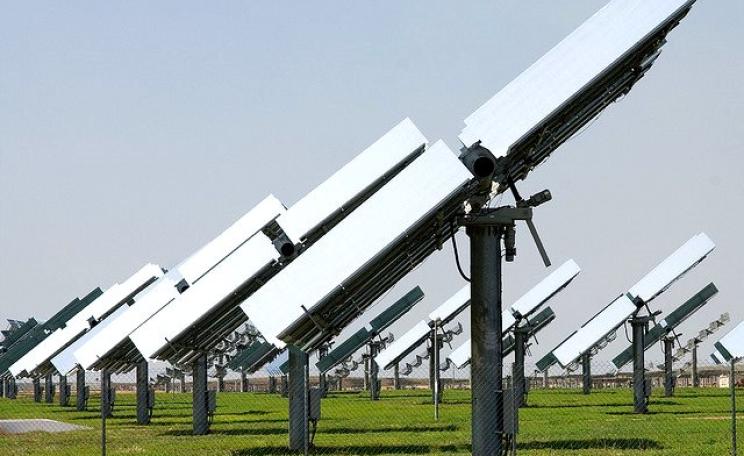
Launched at Davos this week, a WEF report on electricity generation predicts that solar power will cost twice as much in 2030, as the lowest cost sources today, writes Chris Goodall. It's sources? WEF isn't telling. But if 'facts' like these are driving the decisions of big energy CEOs, heaven help their companies in years to come.
Austria will launch its legal challenge against the UK's massive support package for the planned 3.2GW Hinkley Point C nuclear power station by April, writes Arthur Nelsen. The move will add years of delay to the controversial project, and may well finish it off altogether as fears over the troubled EPR reactor design grow, and renewables continue to fall in cost.
UK politicians and officials are studiously ignoring the growing evidence that fracking is an economic and environmental disaster, writes Paul Mobbs. As the circle of 'acceptable' view spins ever smaller, industry PR is dominating a phoney debate that's increasingly remote from reality, public opinion and core democratic principles.
From Australia to the UK, governments are pinning their hopes on 'carbon capture' technology stuck onto coal power stations, writes John Quiggin. But their choice carries a high risk of failure - the smart money is on renewables, energy storage and responsive power grids.
With a million families struggling to stay warm this winter, energy bills will be a hot election issue, writes Doug Parr. But Government actions have repeatedly favoured the 'big six' energy incumbents at the expense of consumers, competition, low-cost renewables and energy efficiency, locking us into high bills for years to come.
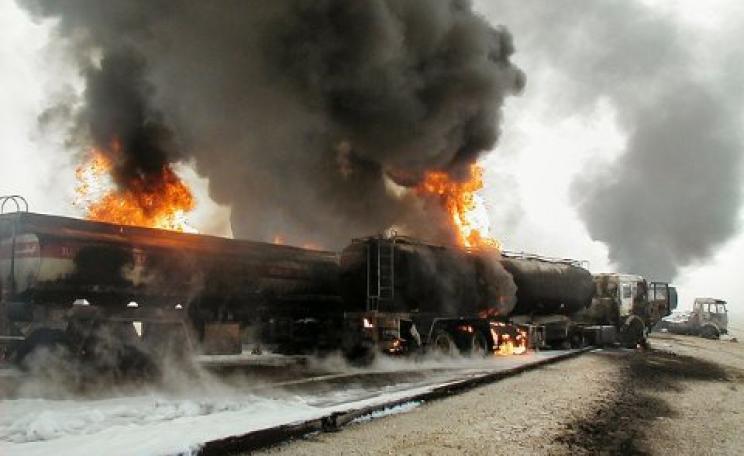
The global economic shake-down of low oil prices continues apace, writes Alexander Reid Ross, causing environmentalists to celebrate the collapse of dirty energy projects. But the oil price collapse is the manifestation of a multi-layered conflict being fought out on the political, military and ideological battlefields of the Middle East - and it may not last much longer.
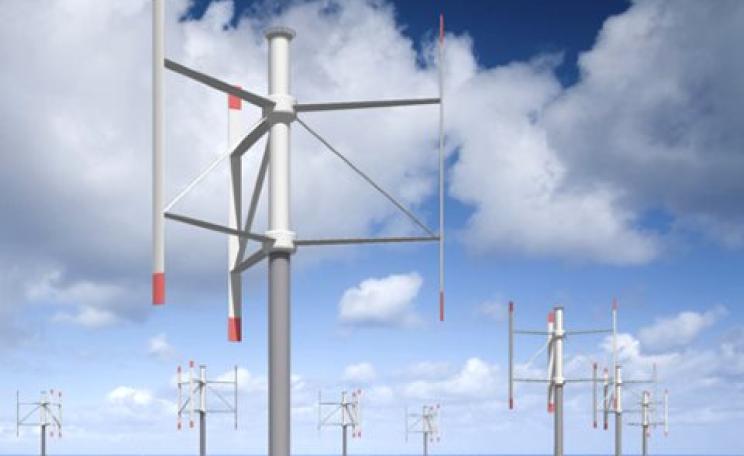
Offshore wind turbines are trying to reproduce at sea what works on land, write Maurizio Collu & Michael Borg. But it's proving a costly and high maintenance exercise. It's time to switch to new 'vertical axis' designs that promise to be cheaper to build and operate.
For the world's multinational corporations, the climate crisis is just another business opportunity, writes Philippa de Boissière. One example is Enel-Endesa's 'climate friendly' 217m high El Quimbo dam in Colombia - a huge exercise in expropriation at taxpayer expense, backed by police violence against strong local resistance.
Low oil prices are putting a stop to some of the world's most environmentally damaging 'extreme energy' projects, writes Paul Mobbs, and may close down the entire fracking and tar sands industries. So why are so many 'Greens' issuing dire warnings, instead of celebrating the good news?
Increased production from US fracking operations is a major reason for the drop in oil prices, writes Kieran Cooke. But there are warnings that the industry now faces an existential crisis from which it may never recover, as the financial sector faces the prospect of worthless shares and $100s of billions of defaulted debt.
Nuclear advocates take hope from China's plan for 58GW of new nuclear capacity, writes Zhang Chun. But nuclear's share of China's power supply is in long term decline, and the target is likely to be missed as faster, cheaper, nimbler renewables surge ahead.
Beijing has called a halt to new coal mines and will close hundreds of existing operations, writes Kieran Cooke. The move reflects the slowing economy, falling energy demand, concerns over air pollution and climate change, and the massive rollout of renewables.
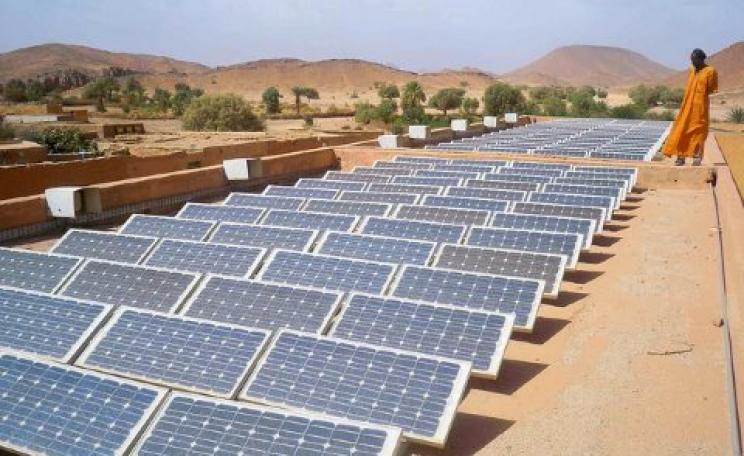
A KPMG study shows that the cost of solar power in India, revealed by public auctions, is barely half a cent above that of cheap local coal , writes Chris Goodall, with generators bids falling well below 5p (UK) / 7¢ (US) per kWh. The idea put about at COP21 that India and other poor but sunny countries need coal to develop their economies is fast running out of steam.
The government appears as determined as ever to push ahead with fracking as a central plank of its energy policy, writes Richard Heasman - ignoring growing evidence of health and environmental harm. But with the economics of fracking undermined by heavy energy price falls, the UK industry may never get off the ground.
Charlatans, or planetary saviours? Post-Paris views on the nuclear industry suggest few experts believe it will bring closer a world rid of fossil fuels, writes Paul Brown. Despite the best efforts of nuclear lobbyists, no revival is due any time soon.
The UK government celebrated Christmas by donning Santa suits and throwing a £1 billion subsidy down the fuming smoke stacks of the UK's biggest power companies, writes Alan Simpson - a massive payment at the expense of UK energy users, for doing what they should be doing anyway. Have a Brave New Year!
Governments are still spending billions on nuclear research, writes Paul Brown - but 2015 looks like being an unhappy year for the industry as it continues to shrink while renewables grow, amid massive delays and cost over-runs.
The nuclear industry and its supporters have contrived a variety of narratives to justify and explain away nuclear catastrophes, writes John Downer. None of them actually hold water, yet they serve their purpose - to command political and media heights, and reassure public sentiment on 'safety'. But if it's so safe, why the low limits on nuclear liabilities?
As flagship nuclear projects run into long delays and huge cost overruns, solar and wind power are falling in price, writes David Elliott. Renewables already supply twice as much power as nuclear. It's just too bad the nuclear-fixated UK government hasn't noticed.
Nuclear energy is essential to preserve the world's biodiversity, according to 69 conservation scientists. But there's a mysterious omission in their analysis, writes Jim Green: nuclear weapons proliferation. And after a major exchange of nuclear bombs, and the 'nuclear winter' that would follow, exactly how much biodiversity would survive?
Privatised energy has failed us, writes Sam Lund-Harket. While energy company chiefs earn millions of pounds a year, one in ten English households live in fuel poverty. But there is another way. All over the world countries and communities are taking energy, water and other essential public services back under democratic control.
Fracking for oil and gas uses a wide range of chemicals that disrupt reproductive function in both sexes, writes Tamsin Paternoster. Now an academic study has found a powerful correlation between stillbirth, miscarriage, low sperm count, and exposure to fracking chemicals.
As well as being masters of water engineering, the Romans also engaged in a long distance trade in water across the Mediterranean - embodied in grain, oil, wine, cloth, metals and other goods. They also discovered the food-water-energy nexus - and not in a good way. We need to heed the warnings from Roman history.
Solar power has a sunny future - even without any major breakthroughs, writes Ralph Gottschalg. There are huge gains to be made simply by getting smarter and using existing technologies more effectively. A new report shows that - given political support - solar PV could be competitive in the UK by 2020.