Europe's new targets for carbon emissions and renewable energy are severely retrograde and fly in the face of both science and economics. They will endanger climate and retard the renewable energy revolution.
Amazon tribes in Peru's rainforest are at risk of 'massive deaths' from new diseases to which they lack immunity, gas company Pluspetrol admits - as it tries to expand its Camisea gas project into a Reserve for isolated indigenous people.
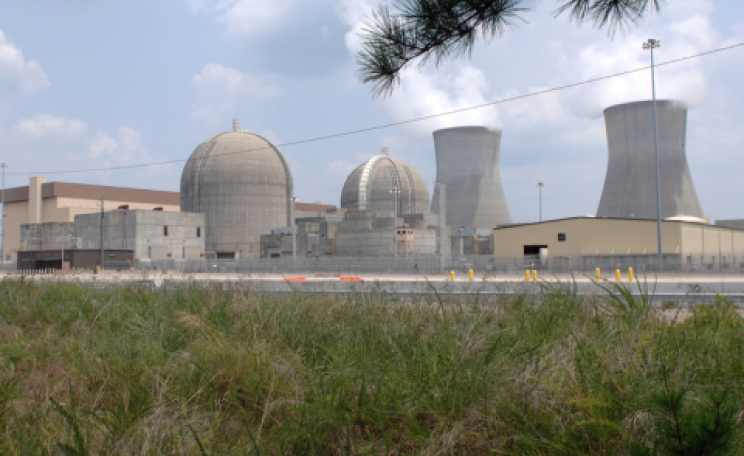
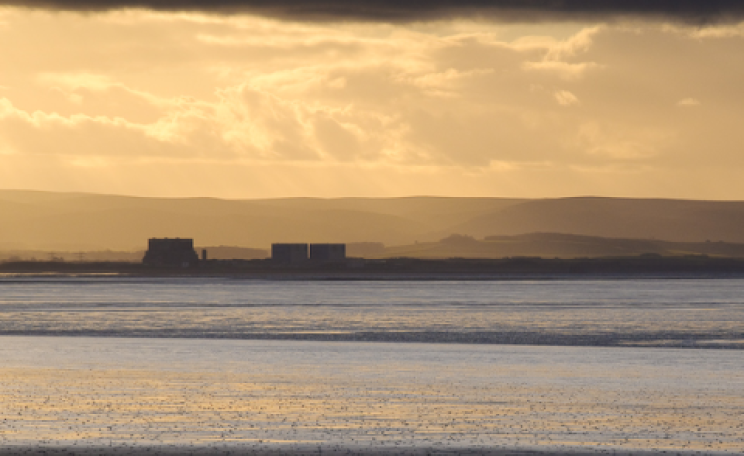
Toshiba, the 60% owner of NuGen, has announced it will build 3 AP1000 reactors at Moorside, England - much faster and cheaper than Hinkley C. But the whole proposition, writes David Toke, is seriously implausible.
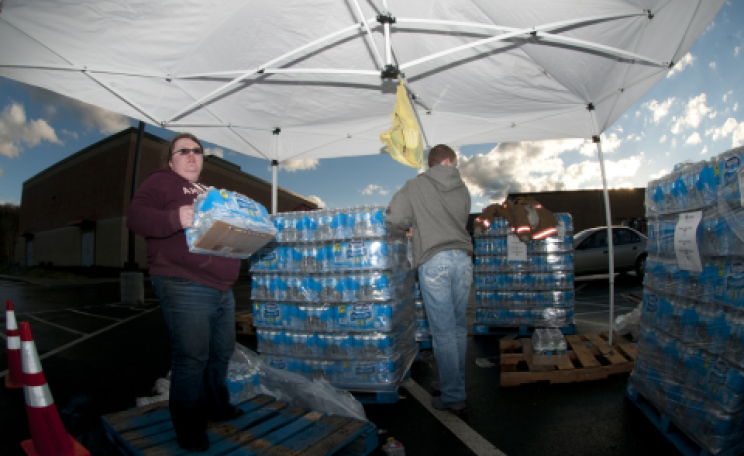
On January 9 thousands of gallons of a toxic chemical used to produce “clean coal”, spilled into Elk River, leaving 300,000 with no water supply. Trish Kahle asks - how could this happen?
Germany's Energiewende or Energy Path is leading Europe's dominant industrial power into wholly new territory. Sober bureaucrats see a 100% renewable energy economy by 2050 as technically feasible. Chris Goodall asks - have they all gone mad?
Chinese coal and nuclear energy giants are suddenly piling into the solar industry. Is this the way of the future, not only in China but around the world?
Ellie Harrison explains how her concerns about climate change led to her founding two dynamic campaigns to make Britain's vital national infrastructure publicly owned and accountable once more.
There is one glaringly obvious solution to the UK's energy problems, says Andrew Cumbers: re-nationalise the profiteering, under-investing energy companies that have created the mess.
In 1980 The Ecologist published an iconic Special Edition' devoted to the multi-use 'wonder crop' hemp. 34 years on, Thomas Prade finds the case for industrial hemp is as strong as ever.
Reports of China opening a huge new coal fired power station every week belie the reality - China is the new global powerhouse for renewable energy. As John Mathews and Hao Tan report, the world must follow its example.
Coal powers America. But at what cost? Peter Bull investigated the question in the epic new documentary Dirty Business: 'Clean Coal' and the Battle for Our Energy Future. Joshua Frank met up with him ...
If the world is to hit crucial climate change targets, emissions must reach 'net zero' much sooner than previously thought, by 2055-2070, writes Helle Abelvik-Lawson - and then go into reverse as we pull CO2 out of the atmosphere.
Anti-wind campaigners claim that wind turbine performance more than halves after 15 years. Chris Goodall analyses the figures and finds that even 20-year old wind turbines in the UK are still going strong ...
As the warmth of Christmas fades and winter proper sets in, Roland Ennos shares his tips for keeping warm in winter without spending a fortune on fuel. Simple, low-cost measures include closing curtains and blinds at night, leaning sheets of cardboard against cold outside walls, and and exploiting the insulating power of books.
Despite all the hype that fracking the UK will mean cheaper energy bills, it is increasingly clear that the opposite is the case, writes Lesley Docksey. And who will pay the cost? Taxpayers, energy users, and the environment ...
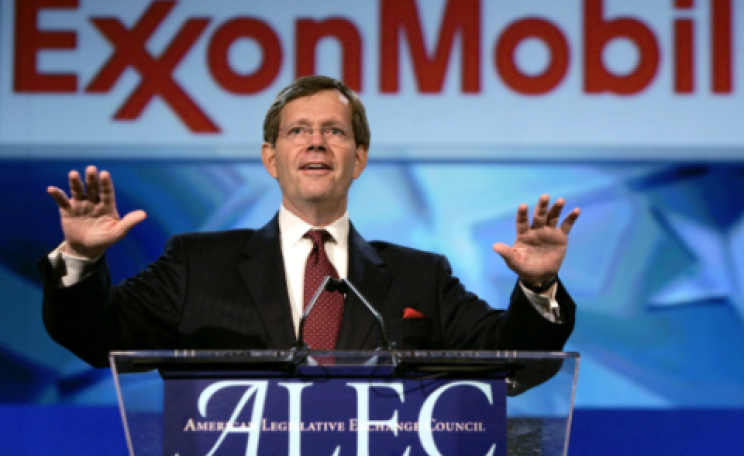
Few groups have done more to further the US conservative agenda - and harm progressive causes - than the American Legislative Exchange Council, or ALEC. But as Ben Whitford reports, civil society is fighting back.
The safety assessment for the Hinkley C reactor design has failed, reports Emma Bateman. Faced with 724 unresolved concerns about the EPR design, the UK regulator went ahead and issued the licence anyway.
2013 has been the nuclear power industry's annus horribilis and the nuclear renaissance can now be pronounced stone cold dead. Dr Jim Green reveals the global unravelling of the nuclear dream ...
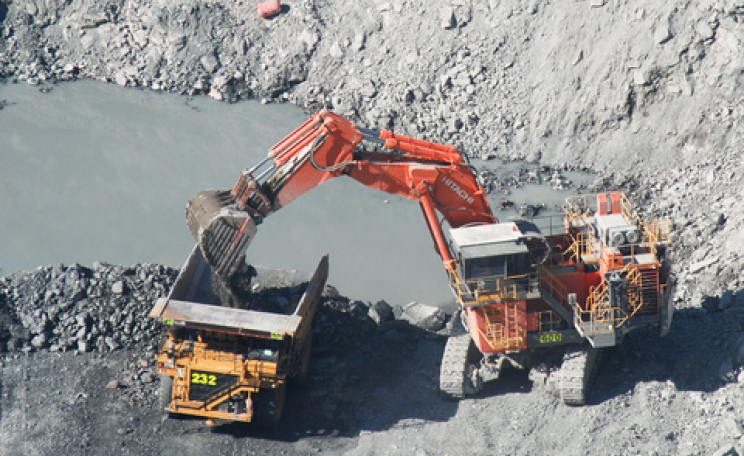
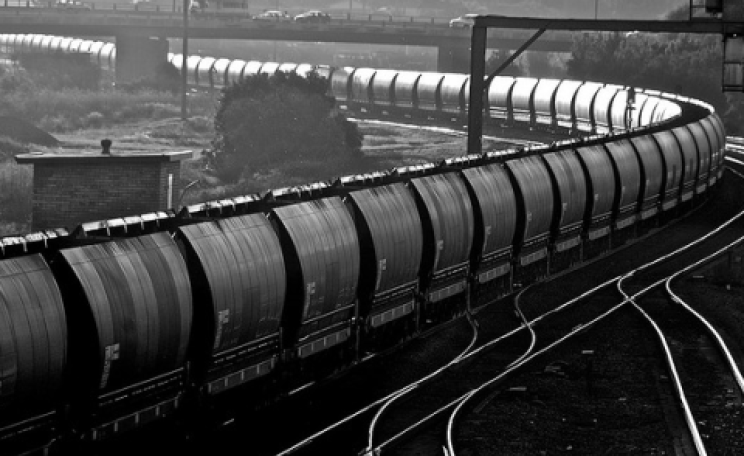
Australia has been growing rich from exporting coal to China. But as Kieran Cooke reports, China's renewable energy revolution may soon bring the 'good times' to an end.
The UK government is planning 75GW of new nuclear power, Jamie Doward reports - equivalent to 50 1.5GW reactors, or 25 dual-reactor Hinkley C's - enough to supply 86% of the UK's energy demand.
Our relationship with energy presents big challenges, not only for our technology, but also for our culture, society and democracy. Paul Allen explores where it all went wrong.
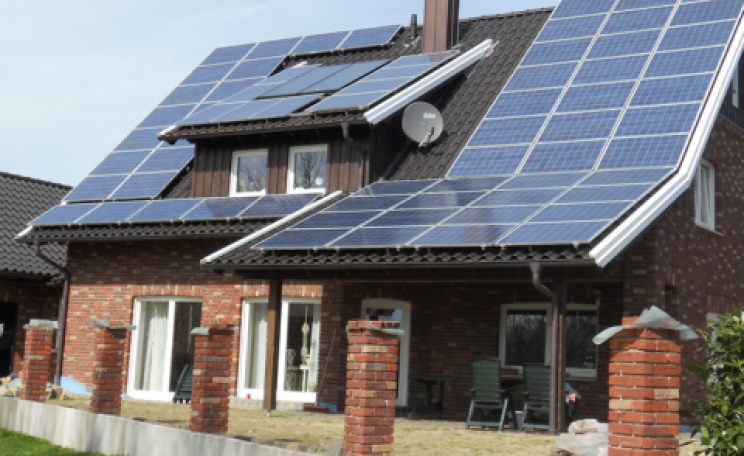
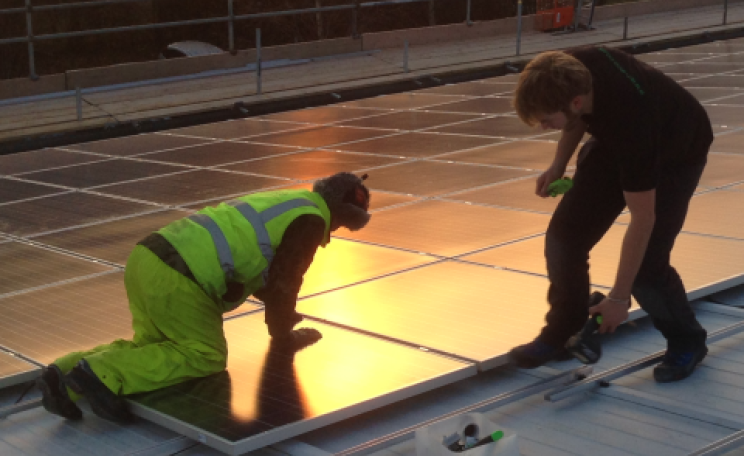
Cuts to feed-in tariffs and hostility to large-scale farms have undermined the UK's solar energy sector. But changes are under way in the heart of government. Could 2014 be the UK's 'year of the sun'?
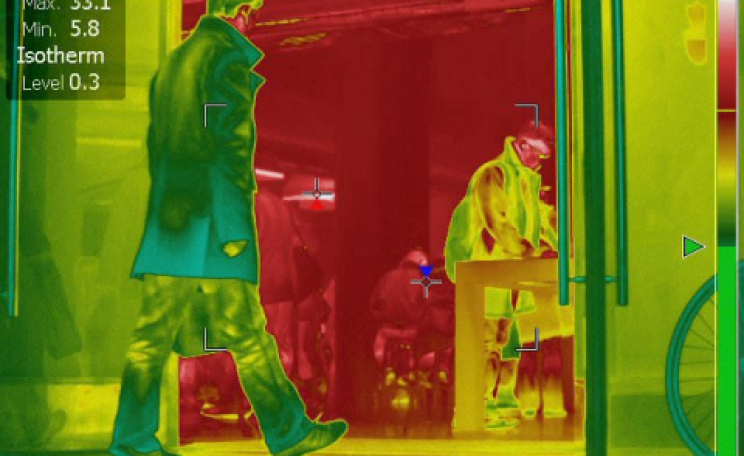
As we embark on our final splurge of Christmas shopping, spare a thought for all those heaters blasting hot air in customers' faces, set above wide open doors. Jeannie Dawkins says the waste of energy is a national disgrace that must be ended!