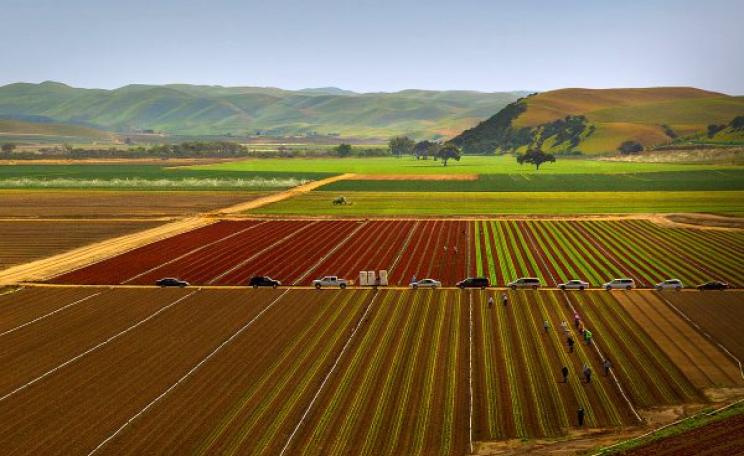
Industrial agriculture has become a prime driver of many of the world's most serious problems, writes Henrietta Moore: the loss of wild and farmed biodiversity, huge climate-changing emissions, and the entrapment of small farmers in ever-deepening cycles of poverty. But there is a solution: the widespread adoption of agroecological farming.
Bee 'colony collapse disorder' cannot be ended by easy technofixes, writes Allan Stromfeldt Christensen. The real problem is the systematic abuse of bees in vast industrial monocultures, as they are trucked or flown thousands of miles from one farm to the next, treated with insecticides and antibiotics, and fed on 'junk food'.
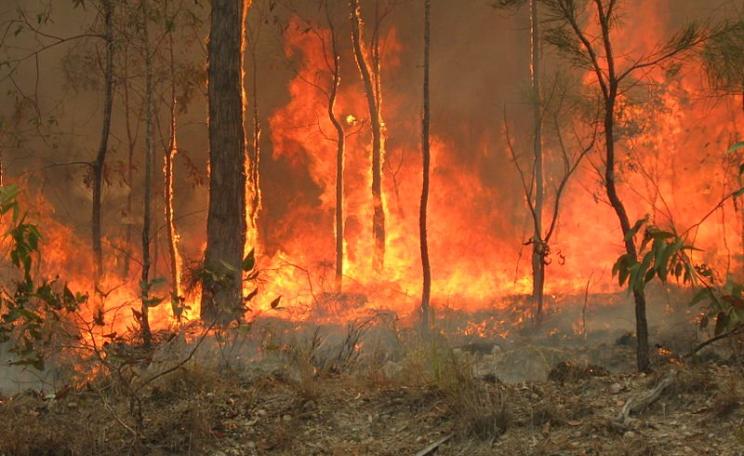
A new WWF report puts eastern Australia among the world's deforestation hotspots, write Martine Maron & Bill Laurance - estimating that 3-6 million hectares of native forest will be cleared there over the next 15 years. Queensland's new Labor government could reverse the destructive policies - but will it turn a new leaf?
The risk of cancer from the world's top herbicide, glyphosate, is just the tip of the iceberg of health damage caused by exposure to pesticides and other toxic agrochemicals, writes Georgina Downs. It's time for governments to correct their scandalous failure to protect rural residents from the cocktails of poisons sprayed on crops.
Palestinian children as young as 11 work on Israeli farms in the occupied West Bank, an HRW investigation reveals. While the EU buys produce worth $300m a year from the illegal 'settlements', undocumented child labourers are exposed to pesticides, paid well below the minimum wage, enjoy no employment rights, and toil long hours in hot fields and greenhouses.
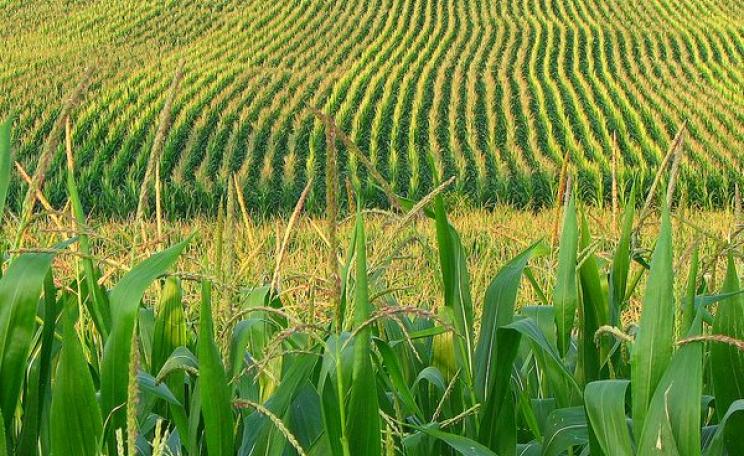
The over-enrichment of waters and ecosystems with waste nutrients from industrial corn farming is one of America's greatest environmental problems, writes Donald Scavia. And it's a problem that can be solved - by eating less meat and sugar, by adopting rational energy policies, and by demanding sustainably-grown food.
Rainforests around the world and the wildlife they sustain have a rosier future after the European Parliament voted to limit the growth of biofuels such as palm oil in the transport sector.
The return of the lynx to the British Isles could bring many benefits, writes Niki Rust, not least to the ecology of our woodlands, ravaged by too many deer. But we must not forget the human factor: livestock farmers may fear the arrival of a top-level predator, and their support will be essential to the success of any reintroduction.
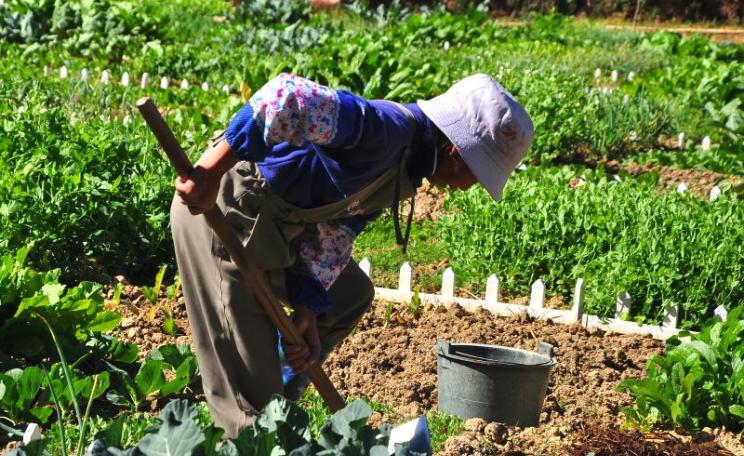
Everyone in this society is caught up in the battle between two models of agriculture, writes Blain Snipsta - industrial agribusiness for profit, control and domination; and small-scale agroecological farming for good food, health, people and planet.
Julian Rose's diverse collection of essays is engaging, enlightening and life affirming, writes Philip Lymbery - conveying an organic farmer's revulsion at the increasing horrors of industrial agriculture, while setting out his vision of the green and sustainable future he is working to bring about.
The GMO industry has legitimised itself via a vast network of lobbyists and the assiduous capture of the politicians, regulators and scientists that should be holding it to account, writes Colin Todhunter. But as the failure of the GM revolution and its disastrous impacts become ever more evident, the industry's legitimacy is fast eroding away.
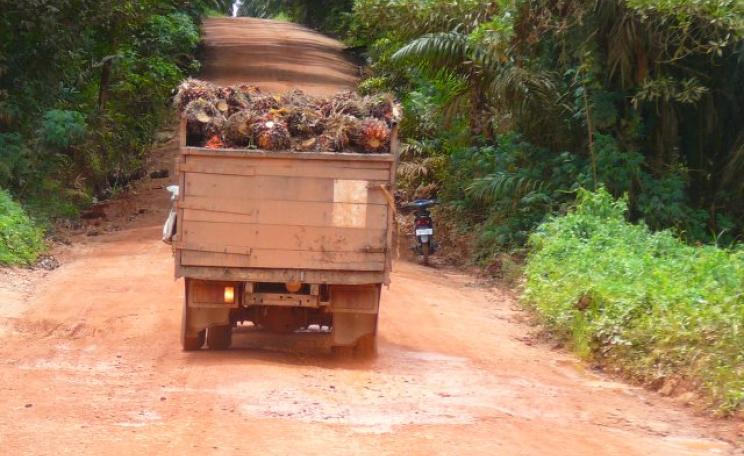
Banks preparing to launch a $400m bond issue for a global palm oil giant with a history of legal violations and broken standards have been warned of their 'high risk client' and the 'extreme and outstanding' social and environmental conflicts in the palm oil agribusiness sector.
The World Bank exists to fight poverty. So why does it promote a profit-driven model of agriculture that enriches corporations at the expense of the small farmers who provide most of the world's food, creating poverty by stealing their land and water, depleting resources and undermining sustainable livelihoods?
Malawi, one of the Earth's poorest nations, faces a desperate struggle to feed its people without destroying the ecosystems it relies on, writes Marc Crouch. Poor agricultural practice has left the country with low crop yields and rampant food shortages, however the government and charities are fighting back.
Lettuces, peppers and other vegetables grown under 'semi-slavery' conditions in Spain are filling supermarket shelves in the UK, writes Almudena Serpis. Workers are routinely abused, underpaid, sprayed with pesticide, and sacked if they dare complain, an C4News / Ecologist investigation has found. But now they are getting organised to defend their rights.
The Green Party manifesto, published today, pledges to enact long overdue restrictions on the use of toxic pesticides to protect rural residents and children from adverse health impacts, writes Georgina Downs. Now all political parties must follow where the Greens have led.
MEPs vote tomorrow on Green measures to ensure that TTIP 'harmonisation' on food and farming means applying the highest standards, not the lowest, writes Molly Scott Cato. But will MEP's put farmers, food and animals before corporate profit?
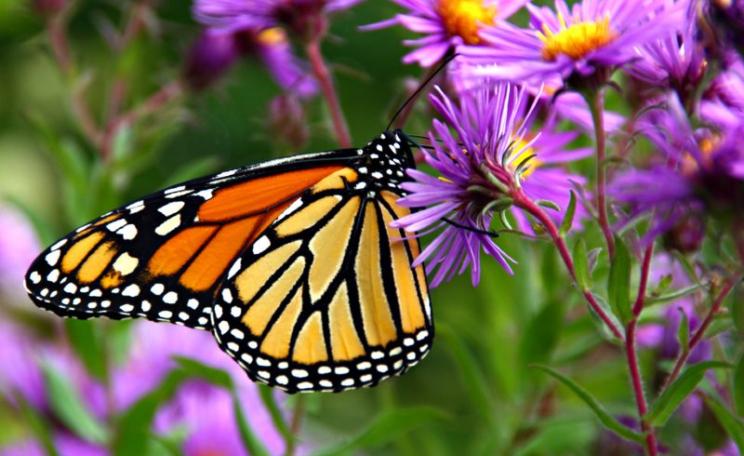
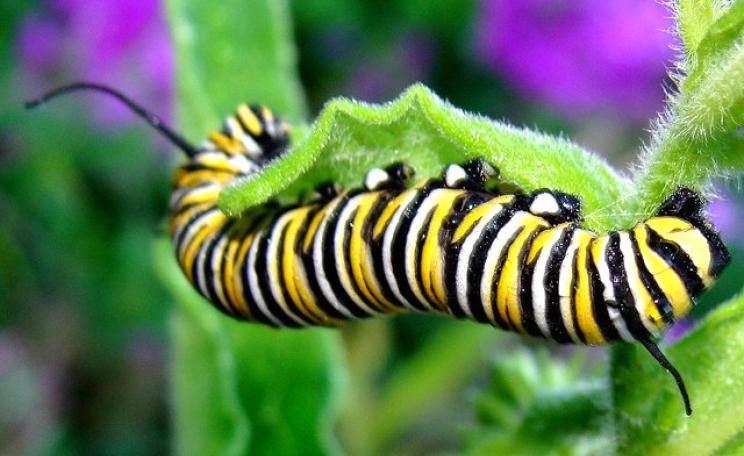
Monarch caterpillars are vulnerable to neonicotinoid toxicity at concentrations as low as 1 part per billion, writes Jonathan Latham, and that makes them vulnerable to residues from commercial crops - and even more so from horticultural use in plant nurseries!
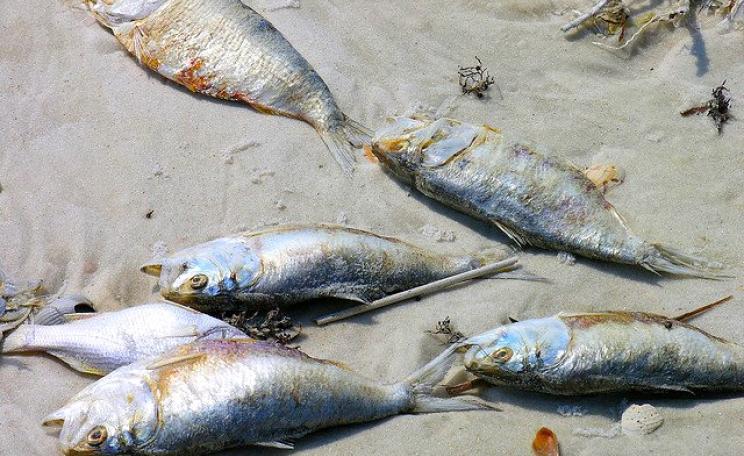
Oxygen levels in our oceans are falling, writes Lee Bryant, producing growing 'dead zones' where only the hardiest organisms can survive. The causes are simple: pollution with nutrient-rich wastes, and global warming. But the only solution is to stop it happening - or wait for 1,000 years.
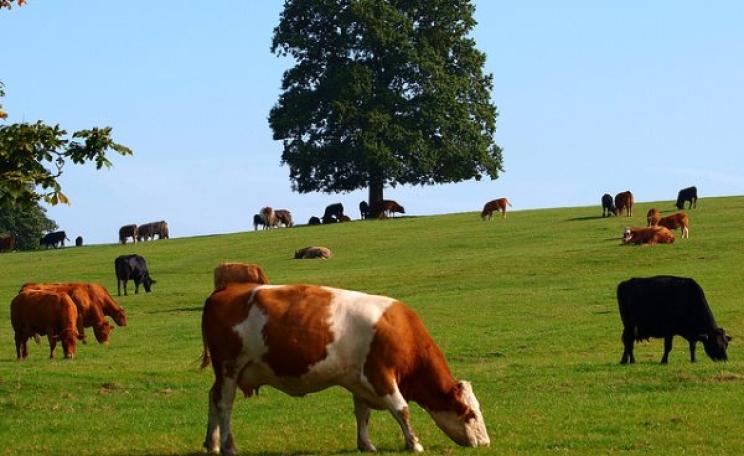
Organic farmer Charles Mann, aroused by The Ecologist's anti-cull stance, makes an evidence-based case for culling badgers in areas of high TB incidence - together with other measures including enhanced testing in apparently 'low risk' areas that present a high risk of disease spread.
The Tea Party of Miami put up a convincing demo last week to oppose a 'land grab' that would see 46,000 acres of sugar farm land restored for Everglades conservation. Just one problem - the 'protestors' were actors each being paid $75 for the two-hour shift.
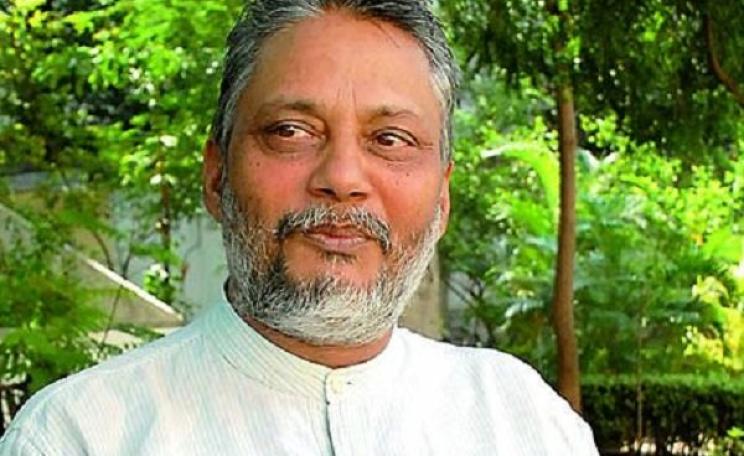
The revival of traditional rainwater harvesting has restored flow to rivers in India's driest state, Rajasthan - thanks to the tireless efforts of Rajendra Singh, recent winner of a Stockholm water prize. And as Pramila Krishnan discovered in a fascinating meeting, Singh's techniques, and his philosophy, are of truly global significance.
Thinking people of all stripes are agreed in their opposition to cruel, exploitative animal farming, writes Ronnie Cummins. So it's time for them to move beyond sterile 'meat-eater versus vegetarian' debates, and unite in their opposition to the daily atrocities of industrial agriculture.
California has responded to the drought by rationing water, with $500 fines for domestic 'water wasters', writes Evan Blake. But agribusiness and water-intensive industries like fracking remain untouched by the restrictions, even though they consume over 90% of the state's water.