The discovery of antibiotic-resistant bacteria in pork products in UK supermarkets is a call to action, writes Peter Melchett. We must end the unhygienic farming practices that only work with constant antibiotic use, and reserve the most valuable antibiotics for human use only - or face a world in which routine surgery and infections bring serious risk of death.
It's a hard life being an organic farmer, writes Alicia Miller - and specially when it comes to engaging with a bureaucracy that's trying to 'green' our agriculture. Should small scale farmers change their farming practices to fit in with it? Or the other way round?
It's not just western corporations that are moving into large-scale agribusiness in Ethiopia, writes Mohammad Amir Anwar. Indian investors have acquired rights to some 6,000 sq.km of land much of it in the ecologically sensitive Gambela region, where unconsulted Nuer and Anuak peoples are suffering from forest clearance.
Milk farmers in the badger cull zones hardly depend on Caffè Nero's custom, writes Dominic Dyer. So why are the pro-cull lobby so hot under the collar with the coffee chain's refusal to buy their produce? Because it could force the entire food chain to take responsibility for how milk is produced - and a very good thing too!
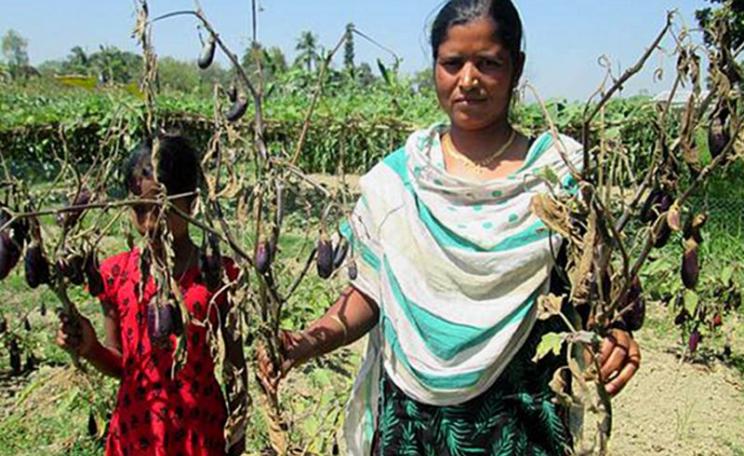
WHO's official recognition of the health damage caused by glyphosate, the world's most widely used herbicide, is having ramifications around the world, writes Dr Eva Sirinathsinghji. National governments are moving to restrict the chemical, campaigns to ban it are intensifying, and now 'Roundup Ready' GMO crops are coming under the regulatory spotlight.
The Panorama programme on GM foods and crops last Monday was a masterpiece of spin, bluster, misrepresentation and outright deceit, write Lawrence Woodward & Pat Thomas, with the BBC's top investigatory strand hijacked to force feed the UK population with the purest of pro-GMO propaganda.
The mass spraying of glyphosate in Colombia, both on farmland and in the 'war on drugs', is a direct an attack on small scale farmers, rural communities and FARC rebels, writes W.T. Whitney Jr. But since the chemical was declared a 'probable carcinogen' Colombia has restricted aerial applications. The first step in a wider backlash against the toxic herbicide?
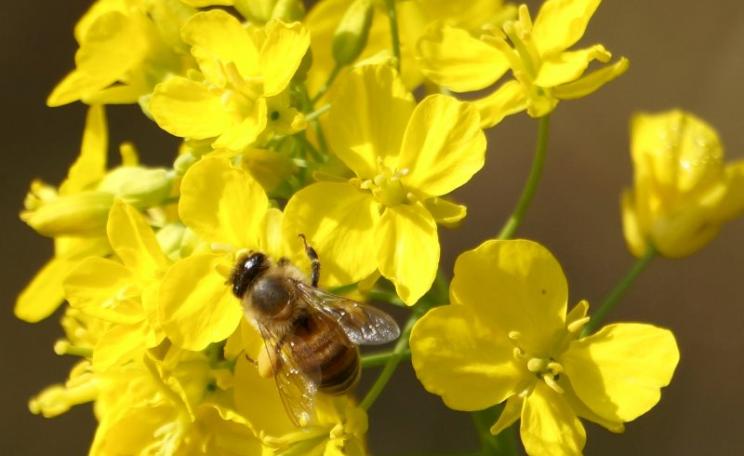
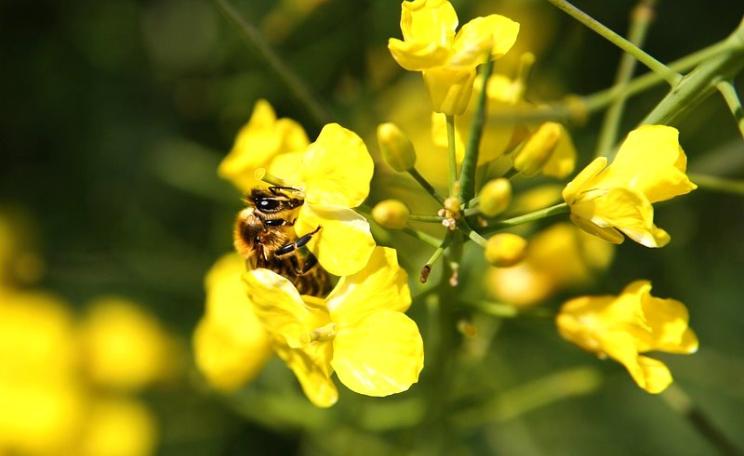
In 2013 the EU imposed a moratorium on three of the most toxic of the neonicotinoid pesticides in an attempt to save wild bee populations. Now farmers have applied to lift the ban, writes Nat Whalley. Time to call on environment secretary Liz Truss, who today receives a 300,000-signature 'save the bees' petition, to say 'No!'
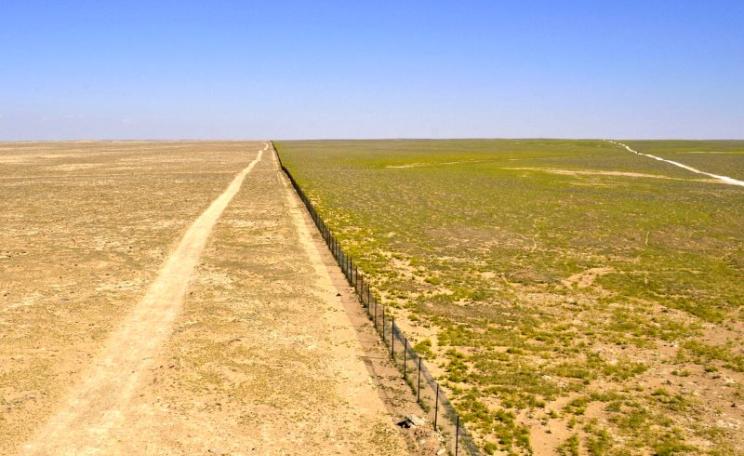
Civil war in Syria is the result of the desertification of the ecologically fragile Syrian steppe, writes Gianluca Serra - a process that began in 1958 when the former Bedouin commons were opened up to unrestricted grazing. That led to a wider ecological, hydrological and agricultural collapse, and then to a 'rural intifada' of farmers and nomads no longer able to support themselves.
As the G7 leaders prepare to meet in Bavaria this weekend, small-scale farmers from around the world call on them to abandon their disastrous plan for the corporate takeover of global agriculture and the extirpation of small-scale farmers everywhere - those who produce most of the world's food. True food security must be rooted in local control over land, seeds and water.
Lured by promises of aid and investment, African governments are rewriting laws to create lucrative opportunities for corporate agribusiness, writes Chris Walker - while consigning their own farmers to servitude and landlessness. But now farmers are rising up, as in Ghana where a new 'Monsanto law' threatens to end their right to grow, save and share their ancestral seeds.
Solar energy is not just about electricity, writes Anne Wheldon. It's also about heat - and three innovative projects highlighted by the Ashden Awards are showing how solar heat can dramatically reduce the carbon footprint of food processing and farming, while helping agricultural businesses increase profits
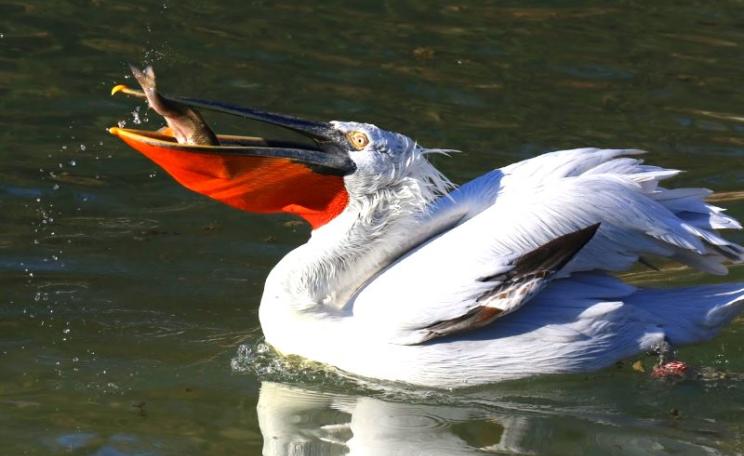
Conservation projects have pulled several endangered European birds back from the brink of extinction, but habitat loss, industrial farming, over fishing and climate change all represent growing threats that requires broader and deeper change in the EU and beyond.
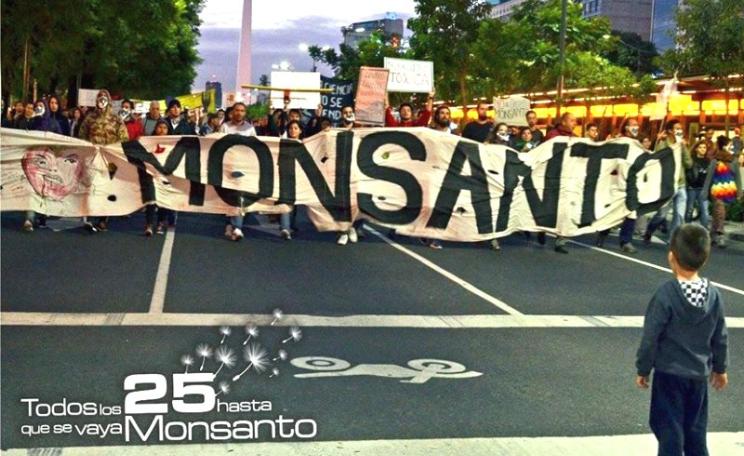
Monsanto has a simple purpose, writes Pete Dolack: to control the world's food supply, monopolizing seeds and agrochemicals to extract profit from every bite of food we eat. Caring nothing for the disease, poverty and destruction that it causes, it has suborned politicians, governments and regulators to its will. But millions are determined to stop it.
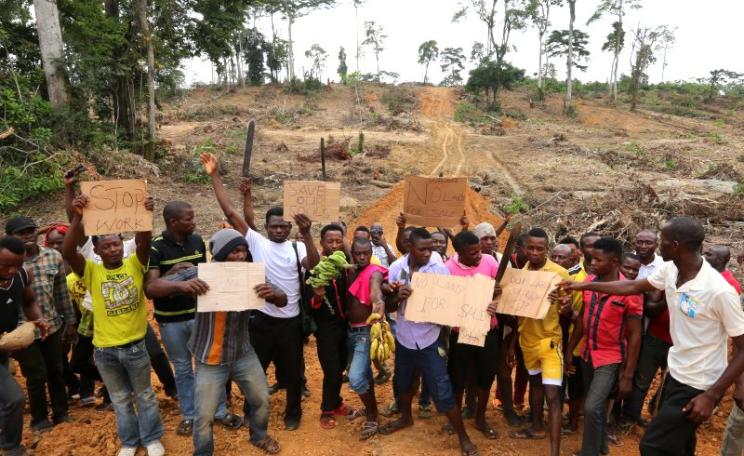
With the deadline due this year for the full implementation of Wilmar's 'No peat, no deforestation, no exploitation' promise, the oil palm giant is keen to push its green image in Europe. But for communities suffering its land grabs in Nigeria, nothing has changed. While Wilmar spins green rhetoric, its bulldozers are still destroying vast swathes of forest and farmland.
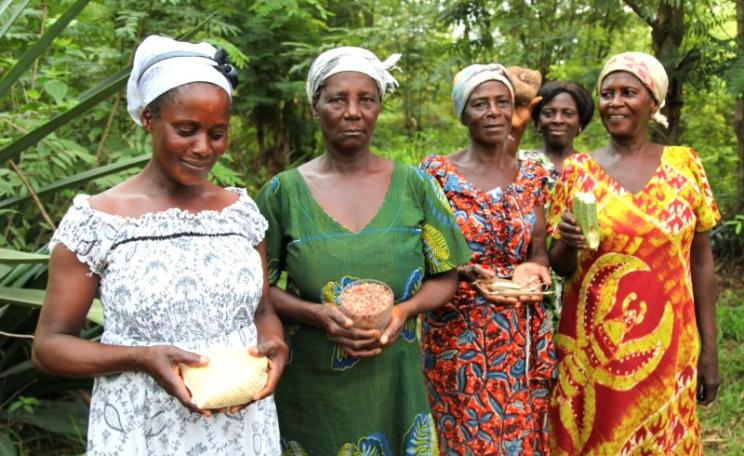
Sharing and saving seed is a crucial part of traditional farming all over Africa, writes Heidi Chow. Maybe that's why governments, backed by multinational seed companies, are imposing oppressive seed laws that attack the continent's main food producers and open the way to industrial agribusiness. But Ghana's women farmers are having none of it.
Next to McDonalds, Burger King and KFC, Chipotle's Mexican Grill is a minnow, writes Jonathan Latham. But its decision to go GMO-free will ultimately compel all America's consumer-facing food brands to follow suit - because that's what their customers want. Could this be the beginning of the end of GMOs? That's what Monsanto, Dupont, Bayer and Syngenta fear.
100 years ago a new political movement swept across Europe, as a vision of agrarian democracy gripped a newly emancipated peasantry, writes Simon Fairlie. Betrayed by dogmatic socialists and crushed under the Nazi boot, it failed to leave a lasting mark on history. But could its time be coming once again?
Corporate lobbyists and their tame politicians love to present GMOs as being humanitarian in purpose, writes Colin Todhunter - as if they exist only to feed the starving millions. But if that's the case, why are they silent on genocidal land grabs, agrochemical poisonings and the destruction of efficient, productive smallholder farming?
The palm oil industry's repeated failure to keep its promises illustrates why global initiatives to achieve 'sustainable palm oil' must place communities centre-stage, writes FPP. Standard-setters like the RSPO must demand action, enforcement and accountability - not just lofty commitments that inspire hope, but rarely deliver.
A damning expert critique of the National Farmers Union's application to use banned bee-toxic neonicotinoid pesticide seed treatment on a third of England's oilseed rape crop this autumn has forced the UK government to refuse the NFU's demand.
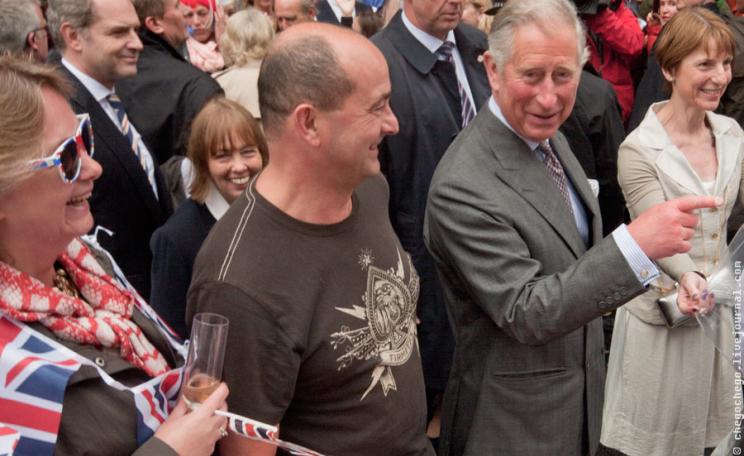
In a private letter to Tony Blair released today Prince Charles strongly urged Tony Blair to expedite a badger cull in 2005, raising the spectre of a third 'food scare' that would strike down British farming on the scale of BSE and Foot & Mouth disease.
As Cameron appoints his cabinet, we had better get prepared for the 'green crap' that's about to be unleashed on us, writes Oliver Tickell - the return of fox-hunting, badger-culling, road building and nuclear power, the arrival of GM food and crops, more cuts to wind and solar power and the underfunding of home insulation.
Our bees and wider farmland ecosystems have been seriously harmed by neonicotinoids, writes Dave Goulson. But that's just the start of the damage that modern farming is doing to wildlife in a countryside stripped of wild flowers and drenched by cocktails of pesticides. The problem is not just neonics, but the entire model of industrial agriculture.