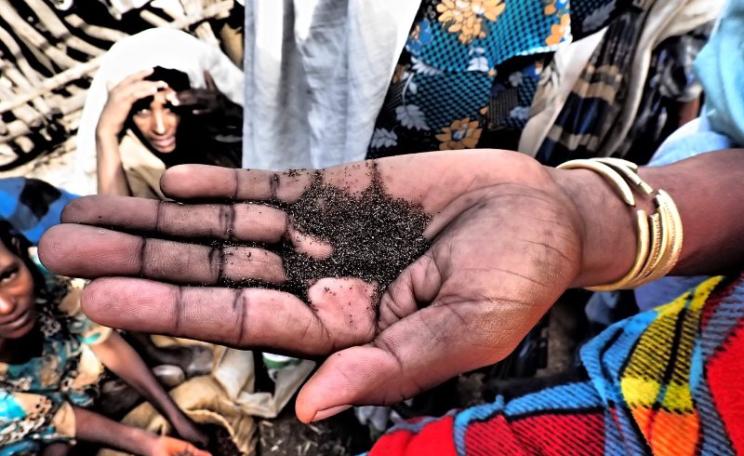
Human existence relies on healthy soils, writes Jane Rickson. But all over the world they are being lost and degraded by inappropriate land use, reducing their capacity to produce food and store water, nutrients and carbon. Sustainable land management must be incentivised to conserve this essential resource.
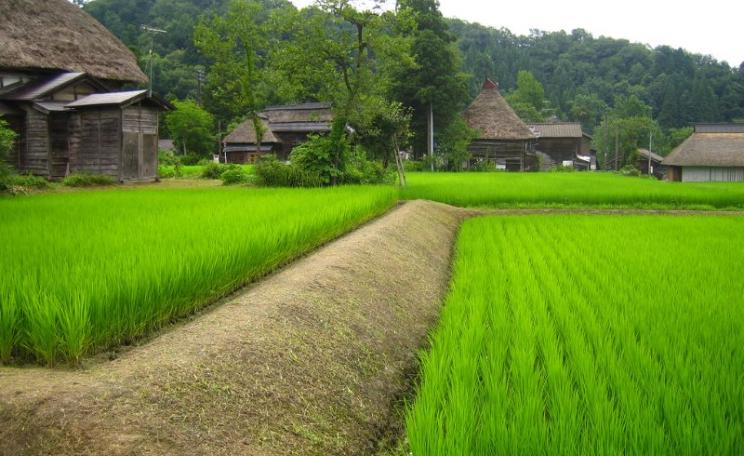
Japanese rice farmers won a reprieve last week when TTP negotiations in Hawaii ended without conclusion on opening Japan up to cheap US rice imports, writes Nicole L Freiner. But with Japan keen to export more cars to the US, the victory is a temporary one. At stake is a way of life, an ancient land-rooted religion, and the future viability of Japan's farming villages.
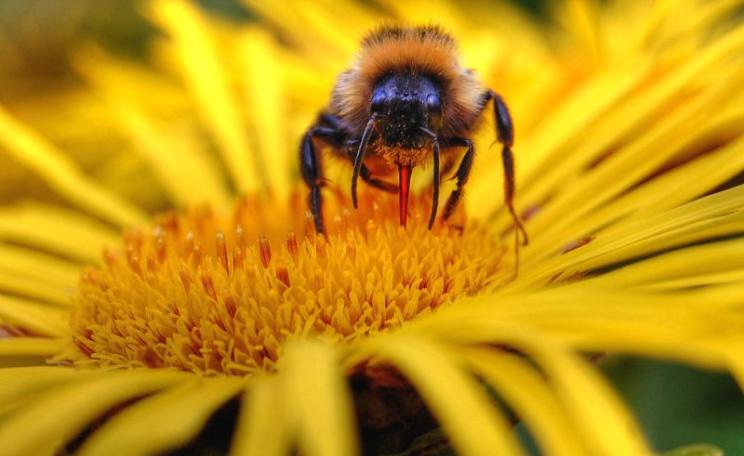
Previously suppressed documents show that Bayer and Syngenta, the makers of controversial 'neonic' insecticides subject to an EU ban, took part in and sought to influence a key meeting of pesticide experts to decide whether to lift a ban on their use in the UK.
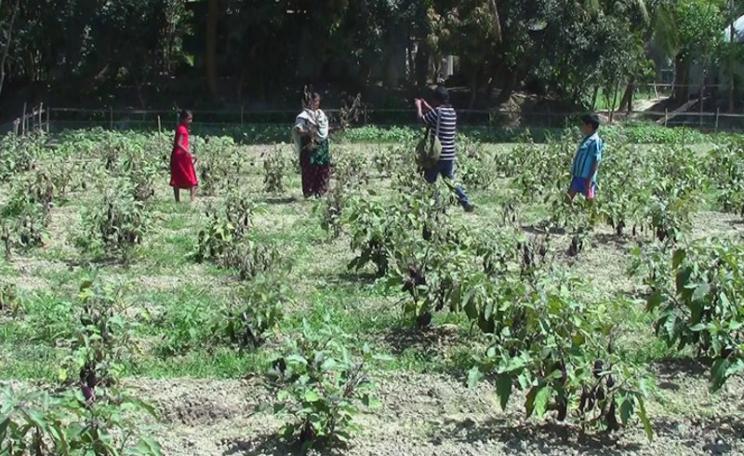
A BBC documentary claimed 90% success for a controversial GM crop in Bangladesh, Bt brinjal, writes Claire Robinson. But as journalist Faisal Rahman discovered, there's no evidence to support the claim, the BBC relied on biased sources, and its journalists failed to investigate reports of widespread crop failure. Was it all an exercise in pro-GMO propaganda?
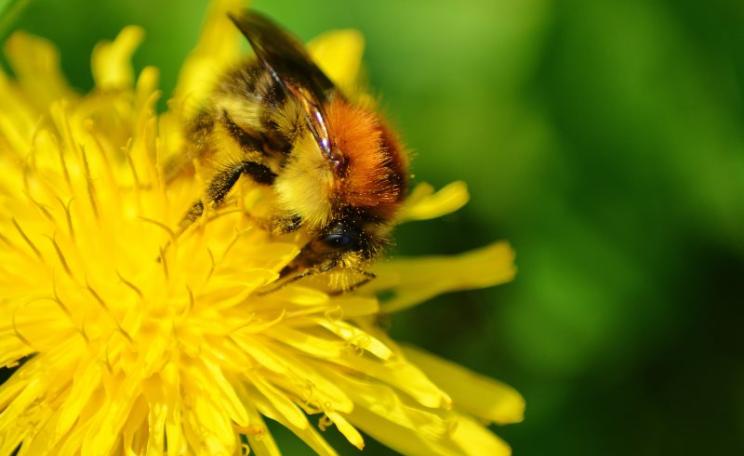
Friends of the Earth has taken the first legal steps towards striking out last week's emergency approval of bee-harming 'neonic' pesticides in England, granted last week despite a Europe-wide ban.
Jairo Restrepo is a leading champion of organic farming in Brazil, writes JuanFran Lopez, and now his influence has spread across the world. His mission too has expanded to include campaigning for the rights of small scale farmers, and an even wider project of economic, technological and societal transformation to put people at the centre of political power.
The outbreak of Ebola in West Africa had everything to do with logging, deforestation and the disruption of traditional agro-forestry by large scale industrial agriculture, writes Rob Wallace. The only long term solution to this terrible disease may lie in forest conservation, the restoration of agroecological farming systems, and the exclusion of agribusiness investment.
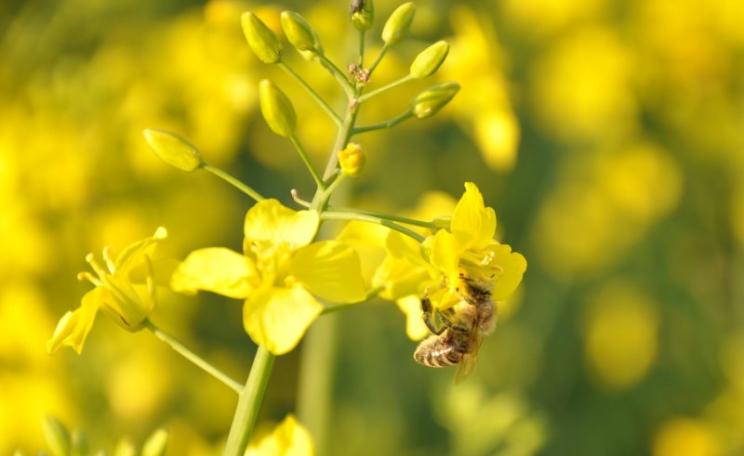
An Emergency Ordinance comes into force in Germany today that extends the EU's ban on 'neonic' pesticides to protect bees. But the UK's farming minister Liz Truss has relaxed the ban to allow farmers to use neonics on 30,000 hectares of oilseed rape.
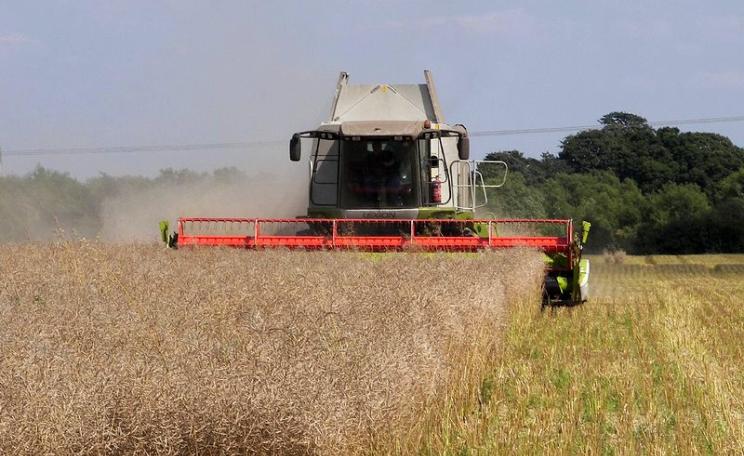
Soon UK farmers will begin to spray their fields of wheat, barley, oats and peas with weed killer to make crops easier to harvest, writes Natasha Collins-Daniel. But the chemicals - including glyphosate, a probable carcinogen - can end up in our bread and other food. Let's put a stop to it now!
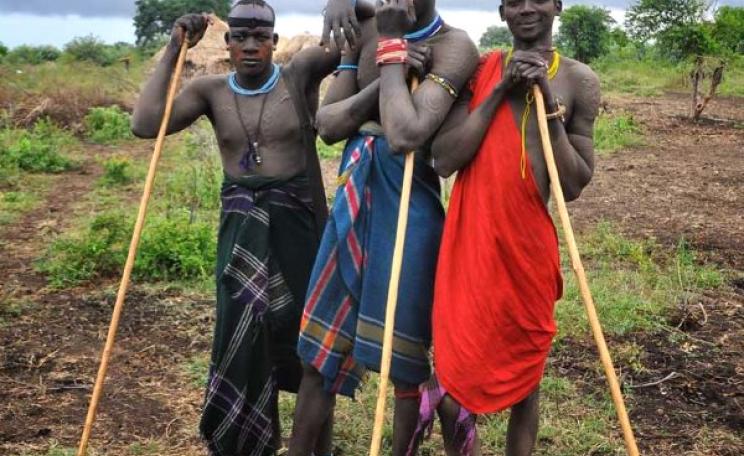
USAID, the UK's DFID and the World Bank are among those covering up for severe human rights abuses against indigenous peoples in Ethiopia's Omo Valley, inflicted during forced evictions to make way for huge plantations, writes Will Hurd. Their complicity in these crimes appears to be rooted in US and UK partnership with Ethiopia in the 'war on terror'.
Just as the chemical industry and its shills once proclaimed the safety of DDT, they are doing the same today with the herbicide glyphosate which has penetrated throughout the food chain, writes Evaggelos Vallianatos. And once again it is a toxic lie that threatens species, ecosystems and people. It's time to demand a new kind of agriculture, and a future free of all pesticides.
A new biosafety report for the Norwegian Environment Agency says GM foods cannot be declared safe due to major gaps in the science, writes Nafeez Ahmed. Indeed research clearly indicates harmful and adverse impacts to both health and environment. But Monsanto insists that GMOs are just as safe as, or even safer than, conventional crops.
The Council of Monte Maiz, a small town in Argentina surrounded by intensive GMO soya farms, has enacted a law that forbids the spraying and storage of pesticides and other agrochemicals after severe health impacts were detected.
In her new book The Vandana Shiva Reader, the celebrated campaigner and scientist deplores the way in which the Green Revolution forced India's poorest farmers off their land, writes Colin Tudge. Now she fears even worse outcomes in Africa where a GMO-fuelled farming revolution is under way.
African governments, ignoring the protests of their farmers and civil society, this week agreed an oppressive 'plant variety protection protocol' that will open up their countries to commercial seed monopolists, while limiting farmers rights to save, use, exchange, replant, improve, distribute and sell the seeds they have developed over countless generations.
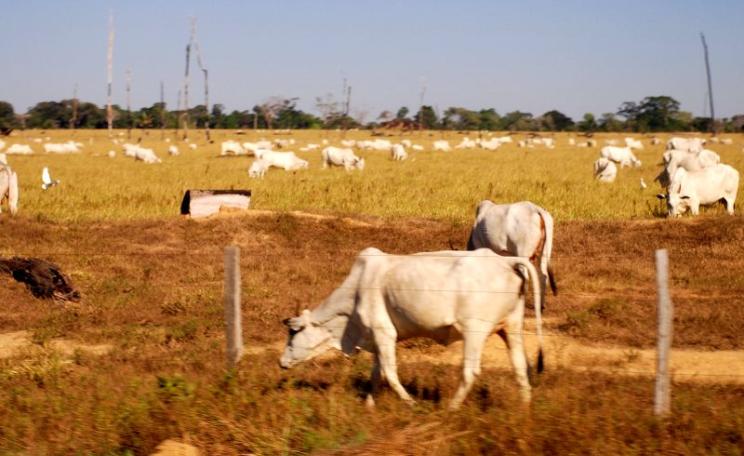
Meat is already a huge contributor to climate change, write Dora Marinova & Talia Raphaely, and as 'atmospheric space' for greenhouse gas emissions contracts, its importance will only increase. The good news? If rich countries were just to eat less of it, there's a huge climate win there for the taking!
Research by GM-Free Cymru shows that studies carried out for Monsanto and submitted to the US's Environmental Protection Agency in 1981 provided ample evidence that glyphosate caused cancer and other health problems. But the key documents were classed as 'trade secrets' and never published.
Early yield figures indicate a bumper harvest for oilseed rape in England in the first neonic-free growing season - making a nonsense of the 'emergency' lifting of the ban of the bee-killing pesticides.
You might be forgiven for thinking that climate change is all about fossil fuels, writes Chris Lang. But with livestock farming causing around a sixth of global emissions, there's one quick, cheap way to cut our carbon footprints: go vegetarian, or better still, vegan. So what's taking us so long?
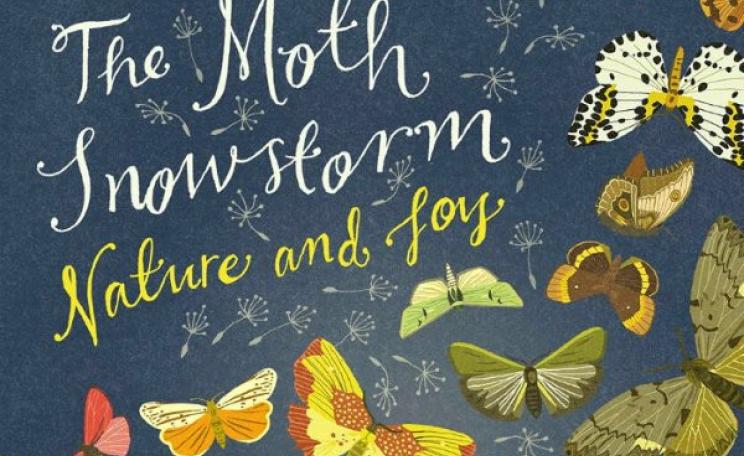
In his new book environmental journalist Michael McCarthy bears witness to the astonishing decline in the once common wildlife of our countryside of the last few decades. But as Chris Rose writes, he does far more than bemoan the losses as he shares with us the joy that he still discovers in nature.
Nineteen African nations meet today in Arusha, Tanzania, to finalise a 'plant protection' protocol that would open up the continent's seeds to corporate interests, taking away farmers' rights to grow, improve, sell and exchange their traditional seeds, while allowing commercial breeders to make free use of the biodiversity they embody, to sell them back to farmers in 'improved' form.
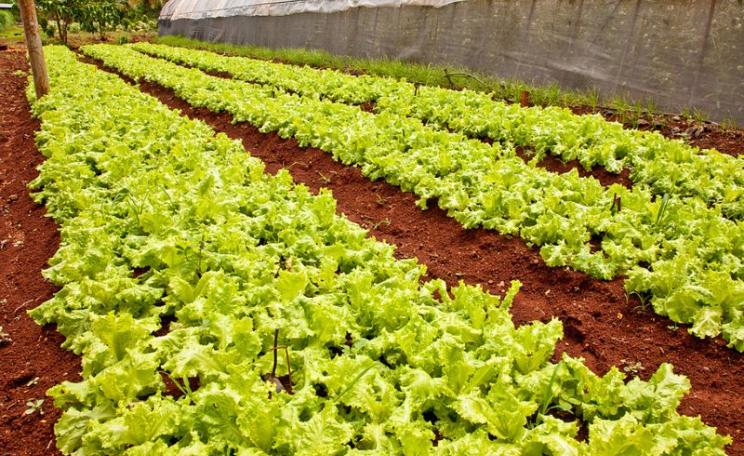
Cuba is a global exemplar of organic, agroecological farming, taking place on broad swathes of land in and around its cities, write Julia Wright & Emily Morris. These farms cover 14% of the country's agricultural land, employ 350,000 people, and produce half the country's fruit and vegetables. But can they survive exposure to US agribusiness?
The Royal Society wants us to take its word that GM crops are safe and healthy, writes Steven Druker. But it refuses to retract its errors, apologise to those whose reputations it has impugned, or enter into constructive debate on the issue. To restore its scientific integrity, it must abide by its own motto.
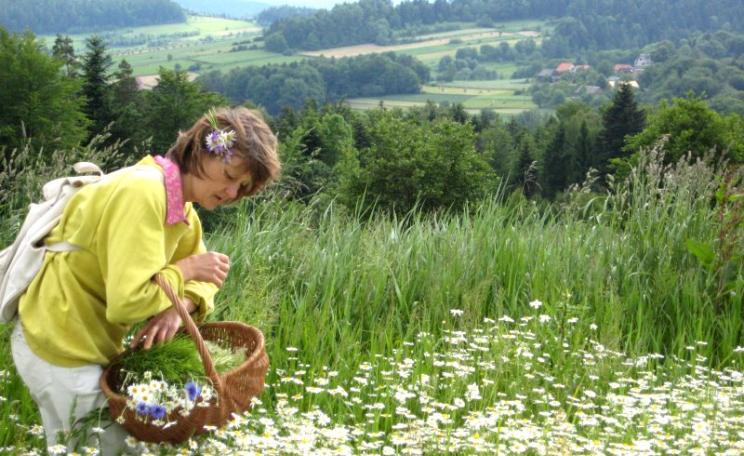
Poland is the front line for Europe's small scale family farming, writes Julian Rose, under assault from the EU regulations, corporate agribusiness, and a hostile government. A popular campaign is fighting back from its base deep in the Polish countryside, a small organic farm that's developing new green technologies to enhance the sustainability of small farms everywhere.