A new study shows it's not just neonicotinoids that impair bees' ability to navigate to nectar and pollen sources, and to their nests: now the herbicide glyphosate has been found to have the same impact even at very low levels.
Taxpayer-financed development banks have lent €500 million to Ukraine's biggest agribusiness company so it can undercut EU chicken producers, writes Fidanka Bacheva McGrath - while polluting the environment and grabbing land from local farmers.
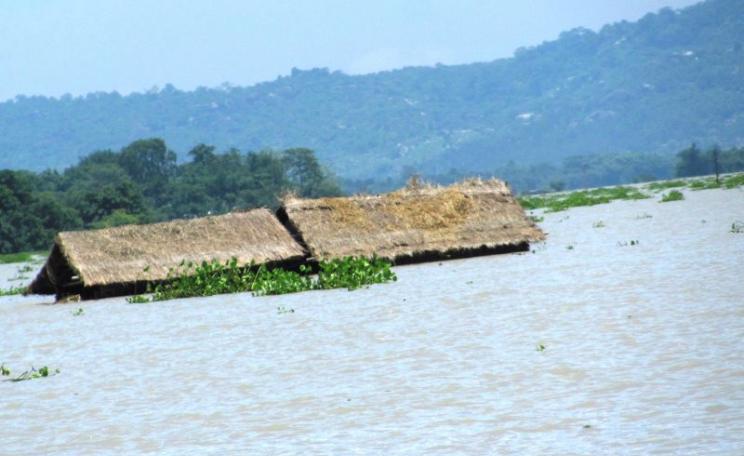
India's tea capital, Assam, has been hit by devastating floods for the second time in three years, writes Sneha Krishnan. But the government has failed to address key environmental issues like deforestation and soil conservation, or involve local communities in developing solutions. So ever more fertile land is lost to erosion, and millions of the country's poorest people suffer.
Doctors have been told to limit their use of antibiotics to limit the spread of microbial drug resistance, writes Emma Rose. But 40% of the UK's antibiotics are used on farms, of which 85% is fed to disease-free animals. We can no longer ignore the massive agricultural overuse of the drugs, now a major driver of antibiotic resistant infections.
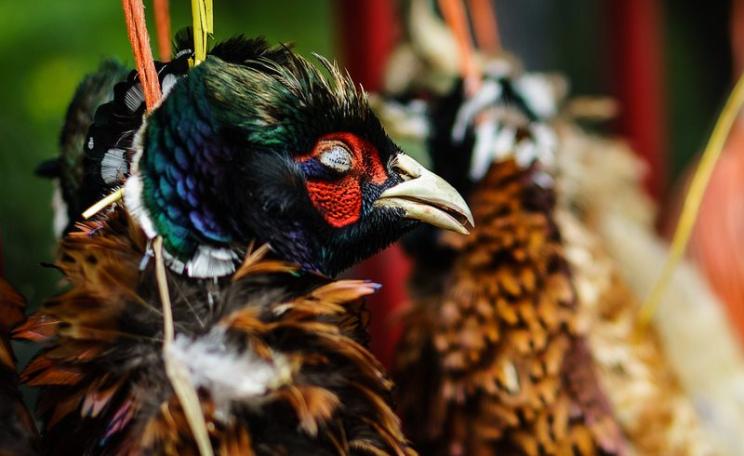
Defra's new £500,000 report on pheasant and partridge breeding is biased towards commercial shooting interests from start to finish, writes Toni Shephard. It purports to study the welfare of captive birds reared in restrictive cages, but fails to compare their lot to that of free-range birds - the only adequate baseline.
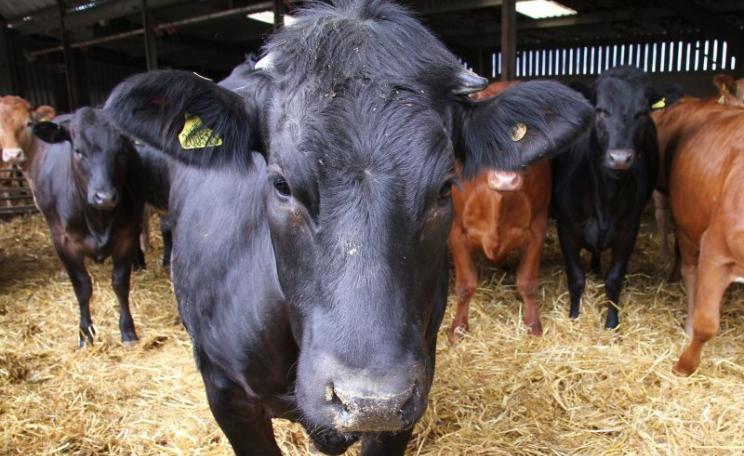
A new study on the spread of bovine TB shows that only with more frequent testing of cattle will the disease be defeated in England, writes Oliver Tickell. It has already worked in Scotland, and is on the way to doing in Wales - where some herds are tested every six months.
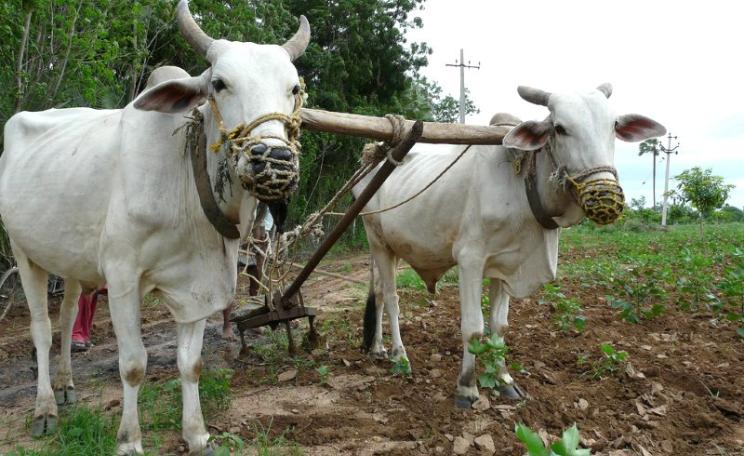
India's decision to release GMO cotton seeds that incorporate genes for Bt toxins into indigenous 'desi' varieties threatens disaster for the country's small and organic cotton farmers, writes Vandana Shiva. The danger is that the GMO characteristics will spread rapidly into the gene pool, contaminating India's unique heritage of cotton seed diversity.
Scotland's decision to maintain its GM-free status is in the best interests of the country, its people and its farmers, 30 scientists write to Rural Affairs Secretary Richard Lochhead. It is abundantly justified by the scientific evidence and will support the sustainable, agroecological farming systems of the future.
Following scientific confirmation of the severe hazards to health caused by residues of glyphosate weed killers in food, the Soil Association is calling on bakers and retailers to stop 'pre-harvest' spraying on arable crops. The SA's Peter Melchett just sent out this letter - adapt as necessary and send to retailers, bakers, makers of cereals, pasta, biscuits and others.
Guarani man Semião Vilhalva was murdered by ranchers' gunmen last weekend after his community reoccupied parts of their ancestral land from ranchers. Thousands of Guarani Indians holding on to tiny patches of their ancestral land are living in constant fear of forcible eviction.
The government is right to extend the badger cull into Dorset, writes Mel Squires in this 'right of reply' article. While culling badgers is only part of the solution of bovine TB, along with annual TB testing of cattle and badger vaccination, it is a necessary measure in areas of high risk.
The idea that GMO cotton offers hope to Africa's impoverished cotton farmers is facile and fraudulent, writes Arya Tajdin. In fact it only adds to their vulnerability. Their real problems lie in the structural oversupply of subsidized cotton on world markets, and the flood of 'kifua' - dead white man's clothing - that undermines the continent's textile industries.
A month after warning the government of legal action over its decision to allow farmers to use bee-killing pesticides banned under EU law, Friends of the Earth has filed a High Court legal challenge to have the 'derogations' declared unlawful.
As they argue for an extended and intensified badger cull, some farmers have been making extravagant and improbable claims about giant badgers frolicking with their cattle in the sunshine, write Jay Tiernan & Lesley Docksey. But despite holding office in the NFU, they display astonishing negligence by failing to adopt the most elementary bio-security measures advised by Defra to keep their cattle TB free.
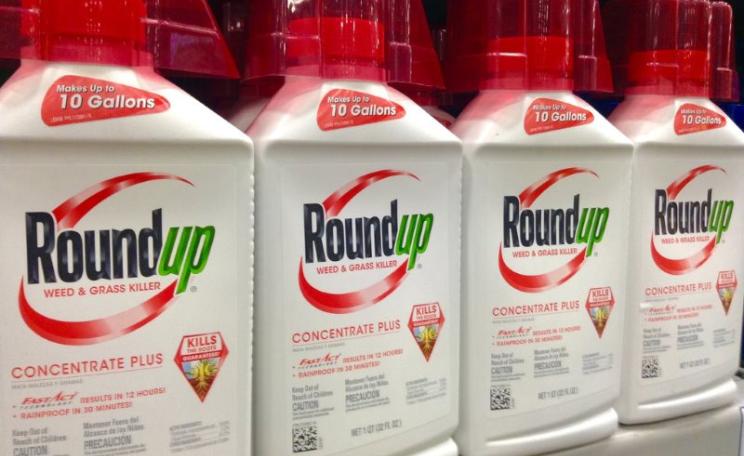
A new study finds that the Roundup herbicide disrupts the hormonal system of rats at low levels at which it's meant to produce no adverse effects. By the same mechanism It may be causing the potentially fatal condition of 'adrenal insufficiency' in humans.
Britain's dairy farmers have been having a hard time, writes Vicki Hird, largely thanks to their exposure to an unregulated, unstable, global food market. But if the EU's TTIP 'trade deal' with the US is ever signed, pitting UK dairy farmers against zero-welfare US mega-dairies run on hormones and antibiotics, they won't have a chance.
A scientific paper published today says badger persecution may be one of the reasons for the persistence of bovine TB hotspots, writes Oliver Tickell. A further finding is that the main risk factors for bTB are all to do with cattle - not badgers at all.
Just as the banks are 'too big to fail', so Britain's struggling dairy farmers are 'too small to save', writes Simon Fairlie. And it's not just the government that's happy to see 16 dairy farms go the wall every week - it's also the National Farmers Union to which most pay their dues. The NFU's paradoxical response to the milk glut is to push for ever higher, more intensive milk production.
Farmers' first line of defence against pests is the ecosystem in and around their fields, write Jonathan Lundgren & Scott Fausti. With widespread or indiscriminate use of pesticides essential biodiversity is lost - and the result is more frequent and serious infestations, and a decline in food security.
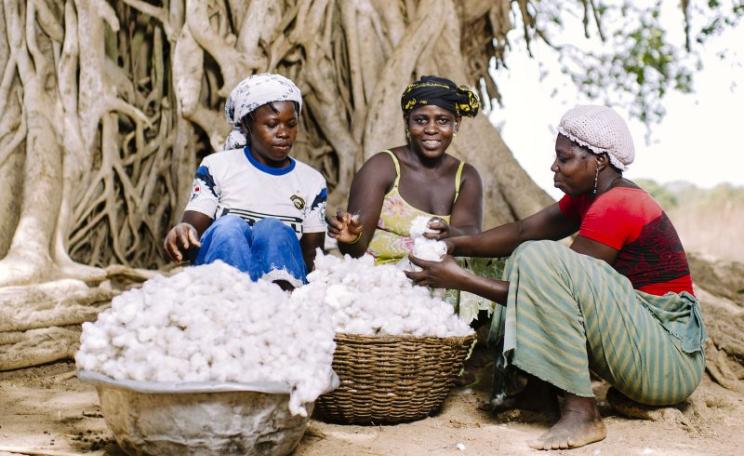
A new study finds that Indian farmers in rain-fed areas are being driven to suicide from the increased cost of growing Bt GMO cotton varieties that confer no benefits to them, writes Eva Sirinathsinghji. The extra expenses arise from buying new seeds each year, along with increased chemical inputs, while suffering inadequate access to agronomic information.
Scotland's small-scale farmers have welcomed their government's decision to prevent the growing of GM crops, aimed at enhancing the country's 'clean, green status', among a coalition of green NGOs.
European retailers have imposed 'ethical' certification processes on their banana suppliers, writes Rachel Smith. But reports from Ecuadorian plantations reveal serious weaknesses in the schemes that leave workers poisoned and abused. To get to the truth, inspectors must dig deeper, and make surprise visits.
Monsanto is stepping up its attack on the WHO's classification of glyphosate as a probable human carcinogen, writes Peter Saunders. Dismissing the finding as 'junk science' the company is convening its own industry friendly panel and pushing its secret studies at regulators. Don't let them get away with it!
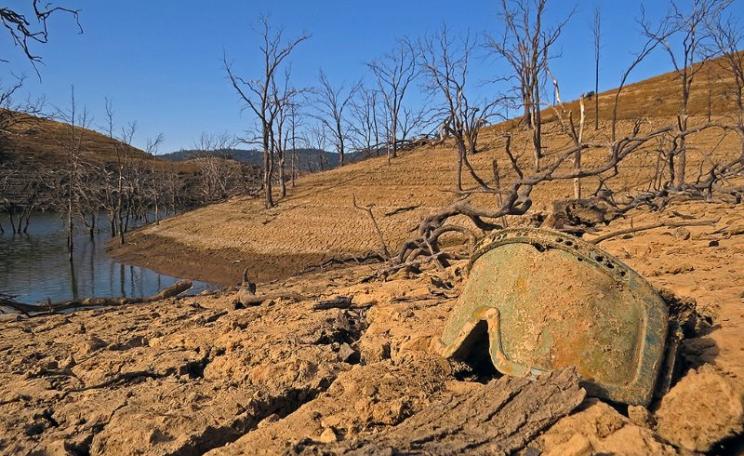
While households and small feel the brunt of California's drought, it's business as usual for agribusiness, writes Will Parrish. And despite the 'first user' principle that determines water rights, the state's indigenous tribes and the wild salmon on which they depend, have been left high and dry. The Public Trust Doctrine could change that - but only if the people demand it.