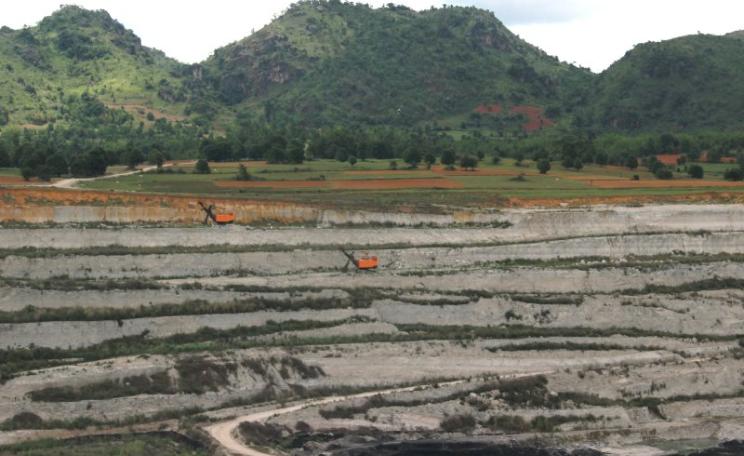
The president of Burma has decided that coal is the way to future wealth and prosperity, write Carole Oudot & Matthieu Baudey. But if the experiences of farmers and village people near Tigyit, site of the country's biggest coal mine and coal-fired power plant is anything to go by, it will bring only poverty, pollution, ill-health and land grabs to rural communities across the country.
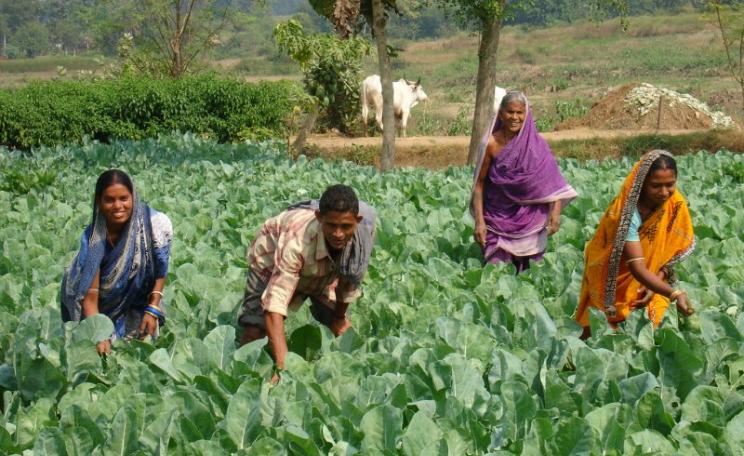
Organic farming produces more nutritious food than chemical agriculture, writes Colin Todhunter, while sustaining soils and building organic matter. And we know this from real, peer-reviewed scientific studies - unlike the pseudo-science touted at us by the self-interested advocates of industrial agribusiness.
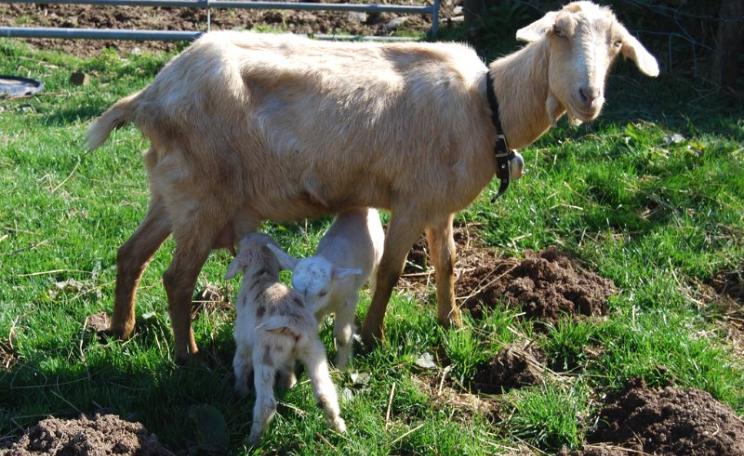
Mother goats fed on 'Roundup-ready' GMO soy produce milk that's much lower in fat, protein and antibodies than non-GMO controls, writes Jonathan Latham, and contains traces of GE DNA. The milk also stunts their kids' growth.
'Climate Smart Agriculture' advocates were out in force at the just concluded climate talks in Bonn, writes Pavlos Georgiadis. But their finely crafted corporate message presents a real threat to genuine agroecological solutions to the interlinked food, farming and climate crises.
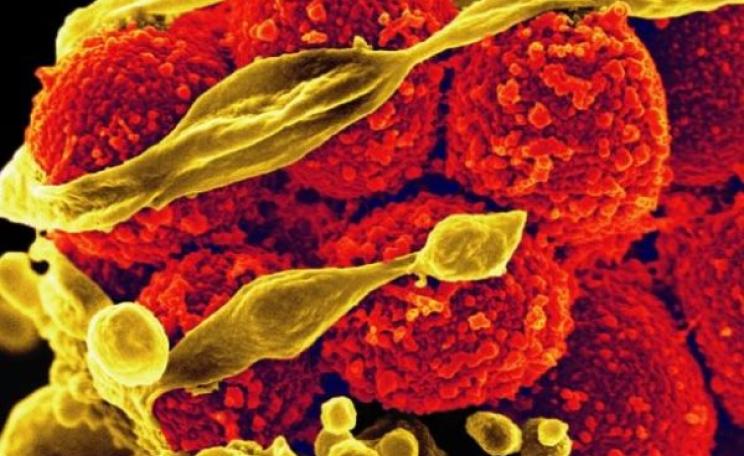
Antibiotics have saved countless millions of lives since the 1930s, but their power is failing due to their massive use in factory farming, horticulture, aquaculture and industry, says a new report from the All Party Parliamentary Group on Antibiotics. We must stop all inessential uses of antibiotics, or face a future where we risk death from minor injuries and routine surgery.
Climate Smart Agriculture sounds like a great idea, write hundreds of civil society organisations worldwide. But in truth it's a PR front for international agribusiness to promote corporate agriculture, pesticides and fertilisers at COP21, with a heavy dose of greenwash. Countries must resist the siren calls - and give their support to true agroecology that sustains soil, health, life and climate.
The 'regulatory cooperation' clauses in TTIP threaten to strip away vital EU protections on food, health and environment, writes Alex Scrivener. Indeed it has already begun: the mere prospect of TTIP has persuaded the EU to back off on plans to ban lactic acid-treated beef and 31 toxic pesticides. We must reject the entire package!
Something important just happened at Cornell's Alliance for Science, writes Steven M. Druker. Long known as a keen promoter of genetic engineering, the organization has experienced a profound change of direction. Its new director, Sarah Davidson Evanega, has opened an inclusive scientific dialogue on the safety of GMO crops. Who says it's all 'over'?
It may not be on tonight's telly, but there's only one story on the lips of SNP members at their party's conference in Aberdeen, writes Jen Stout - the grassroots revolt against the feeble land reform bill advanced by the party leadership, rejected outright by members in a decisive vote. Now the SNP must come up with a bill that's as 'radical' as Nicola Sturgeon's speeches.
It sounds like a modest ambition: France wants to raise the amount of carbon in its soils by 0.4% a year, writes John Quinton. But that represents a vast amount of carbon, and its capture into soils will bring a host of other benefits. We should all get with the program!
Rewilding landscapes impoverished by human exploitation enriches nature and brings back life to an increasingly ravaged world, writes Jessica Rothwell. But more than that, it's a vital step in making human existence sustainable in the long term, depending as we do on our planet's functional ecosystems for our health and survival. It's time for people to pull back - and make space for the wild.
Wild flower margins around arable fields can funnel deadly pesticides into the bees, wild pollinators and other insects they are intended to benefit, writes Oliver Tickell. Neonic pesticides are often far more concentrated in the wild flowers than in the crop itself.
Industrial agriculture and industrial food processing have combined to produce something extraordinary, writes Julian Rose: 'KRISS the unrecognisable croissant'. Just don't make the mistake of confusing it with food. Devoid of nutrition, laced with hydrogenated oil and a long list of artificial ingredients, if you care about your own health and that of our planet - give KRISS a miss!
The might of the Polish state is turning against the country's small farmers following a series of effective protests against the sale of land in the country's western Pomerania province to foreign investors.
With all the EU's GMO exemptions filed, a clear majority - by number, population and area of farmland - have chosen to be GMO-free, writes Mary Dobbs. But the rules surrounding their opt-outs are complex in the extreme and many countries will find it hard to maintain their GMO-free status - specially if the Commission and the biotech corporations like Monsanto and Syngenta choose to exercise their powers.
Water is life, writes Javan Briggs. And it belongs to all of us. California's water shortage is caused, not by 'drought', but by massive long term over-pumping. And as the crisis worsens, the response under the 'water as property' model is just to pump all the harder. We must manage water as a commons - to sustain us all, not to profit the few.
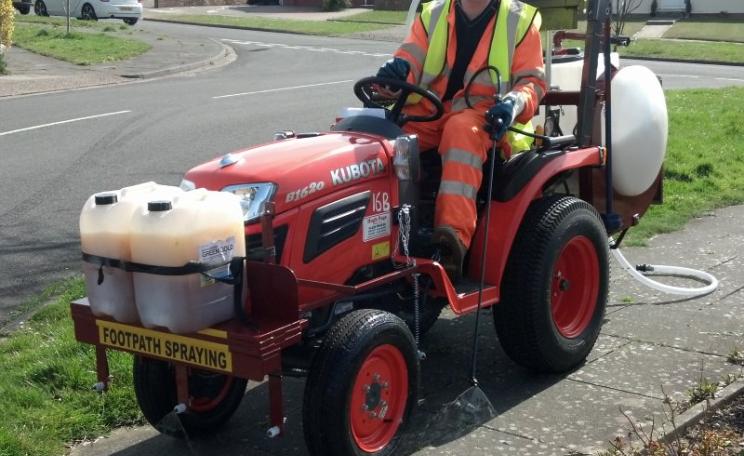
Local authorities around the world are going pesticide-free following an initiative by a small town in Canada 25 years ago, writes Keith Tyrell. Now the movement is coming to the UK, with campaign groups setting up in towns, cities and rural communities to keep pesticides out of our streets, parks, playgrounds and allotments.
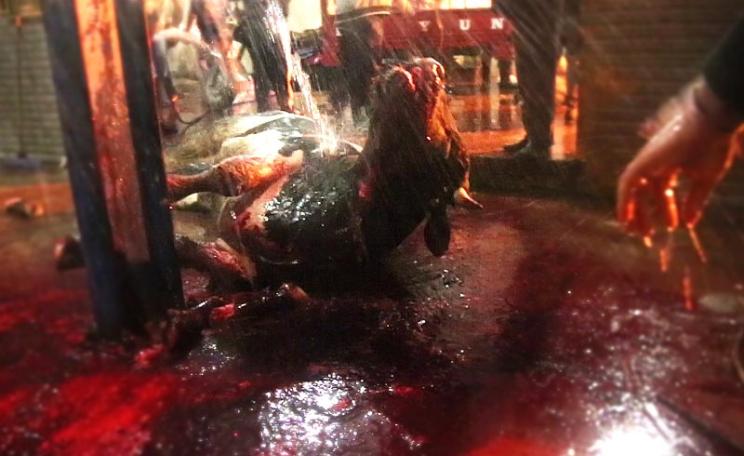
The EU's long-distance trade in live cattle to the Middle East inflicts horrendous cruelty at every point from farm to slaughter, writes Peter Stevenson, as well as posing public health risks due to grossly insanitary conditions. Live animal exports for meat should be stopped and replaced with a humane trade in refrigerated meat and carcasses.
Fifteen EU states have now joined the GM-free movement as the 3rd October deadline for registration nears, along with four regions. They collectively account for 65% of the EU's arable cropland, and 65% of its population, and Greenpeace expects more to sign up.
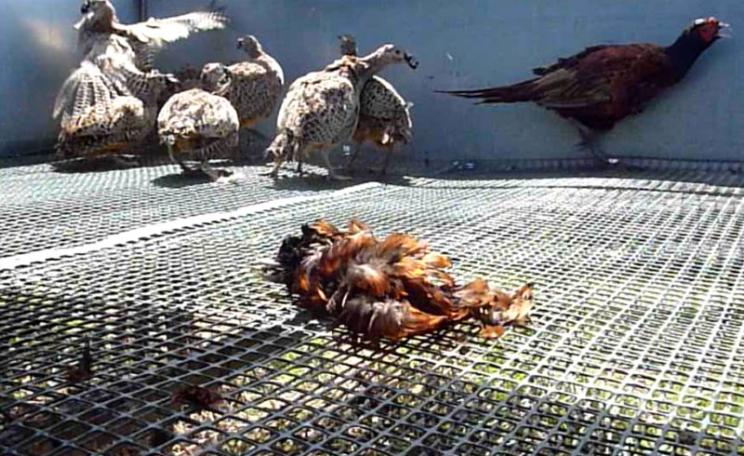
This is the first day of the pheasant shooting season, writes Toni Shephard. But put bucolic ideas of happy birds running around in the wild woods out of your mind. Most of the birds coming under shotgun fire today have only just been released from overcrowded factory farms. Even in death they have no dignity: most are not even eaten, but end up dumped in makeshift pits.
For the women farmers of Tamil Nadu life has long been a struggle, Sheelu Francis told Tristan Quinn-Thibodeau, all the more so following the advent of 'Green Revolution' industrial agriculture. So now women's collectives are organising to restore traditional foods and farming methods, resulting in lower costs, higher yields, improved nutrition, and a rekindling of native Tamil culture.
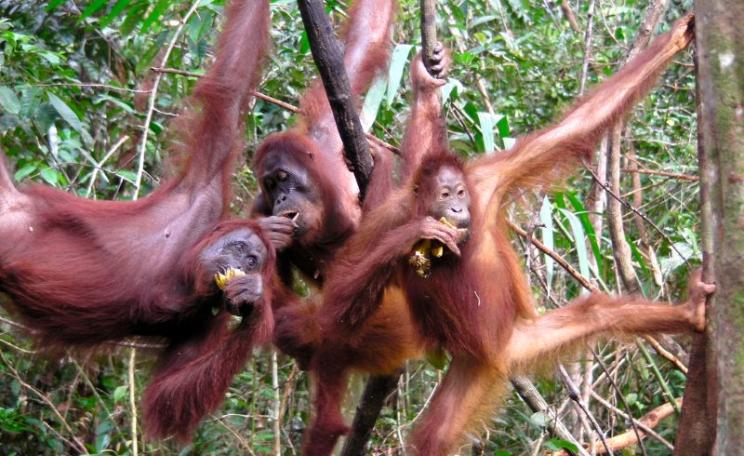
The orangutans of Southeast Asia make a fantastic symbol of endangered rainforests, writes Liana Chua, rousing public opposition to palm oil companies and their bulldozers. But this story of good versus evil omits the essential human dimension. To save the rainforests and their great apes, we must make forest peoples a key part of the conservation narrative.
As ever more companies and governments pledge to 'go green' and protect forests, the world's tribal peoples should be among the main beneficiaries, writes Amy Dickens. Yet the reverse is the case. All too often the promises are purest greenwash, used to conceal the human and environmental tragedy of land-grabbing for plantations, mines, logging and even 'conservation'.
The burning forests and peatlands of Indonesia are once again casting a pall of choking smoke across the region, in the process releasing billions of tonnes of carbon. Promises to solve the problems stand betrayed - and COP21 commitments to tackle the problem are being weakened.