Yellowstone Park is home to America's last pure-bred wild bison, writes George Wuerthner. Yet the Park's management is planning to kill around a thousand of these precious animals this winter. Ostensibly it's to protect cattle on public lands near the park from brucellosis. But bison have never been known to transmit the disease to them. The real reason is to keep all the pasture for livestock.
The Philippines were meant to be the US's sandbox for GMO development and penetration into southeast Asia, but that has all changed with a Supreme Court decision to ban GMO crop trials pending the development of new biosafety protocols.
Monsanto was accused of 'crimes against humanity and the environment' at COP21 in Paris this week, writes Pavlos Georgiadis. And now the evidence against it is being gathered for presentation at a 'Monsanto Tribunal' taking place next October in The Hague.
Almost all our food is grown in soil, writes Peter Melchett. Yet we are treating it like dirt: spraying it with toxic chemicals, depleting vital nutrients, and releasing its carbon to add to climate change. With World Soils Day coming up tomorrow, let's change our ways - and renew our commitment to organic food and farming.
Paris has been awash with hype about 'CO2 recycling' and 'carbon neutral' or even 'carbon negative' technologies based on burning millions of trees, writes Rachel Smolker. But the alchemical notion that waste carbon can be spun into corporate gold is hitting serious reality checks. It's time to ditch the fantasies and progress the real solutions: like caring for land, soils, forests and grasslands.
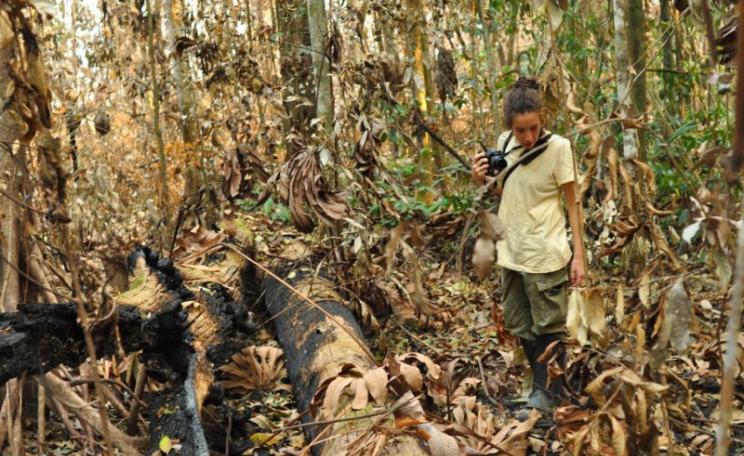
It's not just Indonesia's forests and peatlands that are burning - the Amazon is suffering almost as badly, with over 18,000 fires last month in Brazil alone, write Jos Barlow & Erika Berenguer. The future is looking hot and fiery.
We cannot rely on governments in meeting in Paris to solve the many-headed climate problem, writes Vandana Shiva. It's up to us to safeguard the future of the Earth, and of our own and other species. So let's all join in this pact to love and protect our one and only home.
The US Environmental Protection Agency has just withdrawn its authorization for a toxic mix of two herbicides, glyphosate and 2,4-D, to be used on GM crops. The move came in response to a lawsuit claiming the initial registration was unlawful.
‘Climate Smart Agriculture' can be applied to anything from industrial monocultures to agroecology, writes Helena Paul - and fertiliser, biotech and agribusiness corporations are seizing the chance to cash in. Now COP21 host France is proposing to use soils as a giant carbon sink - a fine idea in itself, but not if it's used to 'offset' continued fossil fuel emissions, and to greenwash industrial agriculture.
'No deforestation' pledges by global food corporations are yielding results, writes William Laurance. But now the Indonesian and Malaysian governments are calling on them to abandon their promises - even as the region's rainforests go up in smoke, cleared for new oil palm plantations. The companies must hold firm to their commitments.
As falling milk prices push dairy farm out of business, new mega-dairies and feedlot operations of 700 or more cows are filling the void, writes Andrew Wasley. Never mind the pollution, slurry lagoons, and heavy plant on country lanes - do we want the cows that produce our milk confined to sheds? And what's the future for traditional dairy farmers with small, well cared for herds?
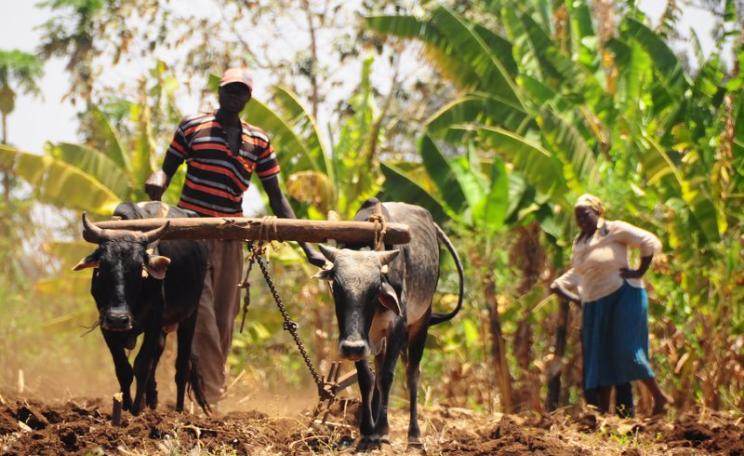
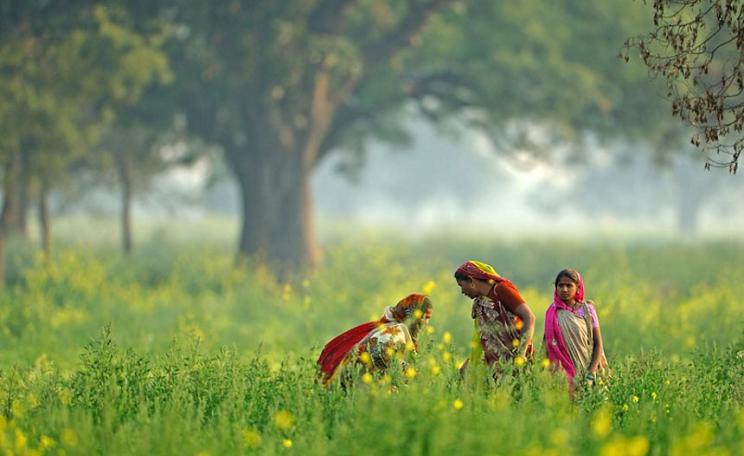
While the Gates Foundation and conservative politicians are bigging up GMOs and agribusiness, writes Colin Todhunter, a quiet revolution has been working its way across Africa. Agroecological farming, constantly adapting to local needs, customs, soils and climates, has been improving nutrition, reducing poverty, combatting climate change, and enriching farmland.
A new wave of ‘next generation' GM crops resistant to multiple herbicides, may be approved for import into the European Union, writes Helen Wallace, even though the health impact of the herbicide combinations is unknown. Regulators and retailers must refuse to authorise these GMOs or allow their use in any part of the food chain.
A new investigation of palm oil plantations, companies and auditors has found that the Roundtable on Sustainable Palm Oil is failing to deliver on its promise, writes Chris Lang. Widespread fraud, collusion between auditors and companies, conflicts of interest, and a flawed complaints system mean that RSPO-certified palm oil may be destructively and illegally produced.
As industrial agriculture continues to erode our wildlife, Dave Goulson challenges the methods and objectives of ever-increasing food production. We need to move towards sustainable, evidence-based farming systems that produce healthy food, rather than allowing the agrochemical industry to reshape our farming, countryside and nutrition to its quest for profit.
The uprooting and cutting down of over a million olive and fruit trees in occupied Palestine since 1967 is an attack on a symbol of life, and on Palestinian culture and survival, writes Dr. Cesar Chelala. A grave crime under international humantarian law, the arboricide is also contrary to Jewish religious teachings.
The European Food Safety Authority is about to decide on a re-authorisation of glyphosate, a 'probable carcinogen', based on unpublished industry studies. In this Open Letter to the European Commissioner for Health and Food Safety, campaigners call on him to ensure an open, scientifically robust process - and to immediately restrict the herbicide.
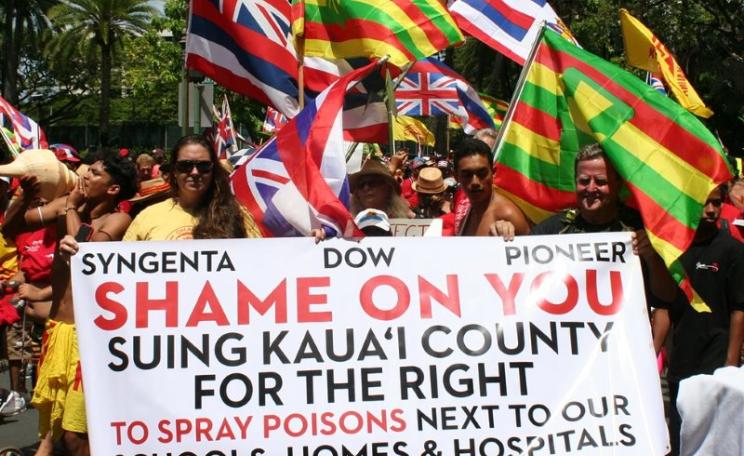
Hawaii has got everything, writes Christopher Pala, and not just for holidaymakers. It's also the perfect place for biotech companies to develop GMO corn varieties and spray them with toxic agrochemicals. People are getting sprayed too - and doctors report high rates of birth defects. But grassroots efforts to restrict the use of pesticides have twice been over-ruled by state courts.
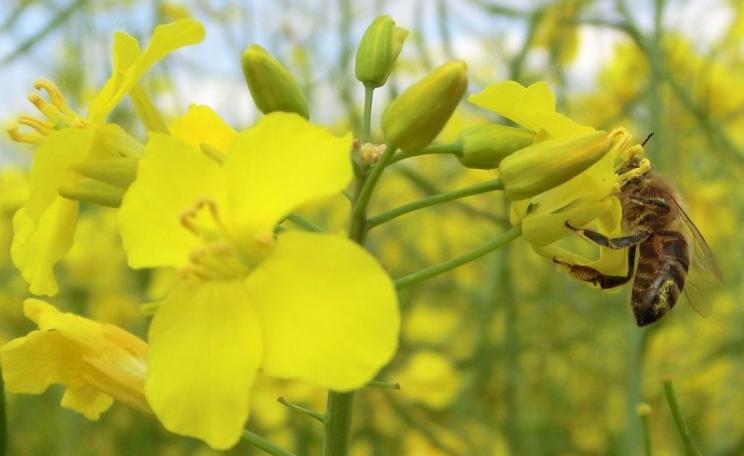
On the first anniversary of the UK's National Pollinator Strategy, writes Sandra Bell, the Bee Coalition warns that bees are still under threat from highly toxic pesticides, continuing loss of habitat, and an increasingly inhospitable countryside. The Government must do more to protect our bees.
Political groups in the European Parliament have sent a clear message to the Commission on its GMO proposals, writes Molly Scott Cato - we are not willing to have piecemeal and vaguely-defined 'opt-out' legislation forced down our throats.
Seventeen or more secret applications have been made to India's GMO regulators for trials and release of GM crops including rice, wheat, chickpeas, brinjal and mustard, write Colin Todhunter & Oliver Tickell. In a violation of the law regulators have released no information about the applications, raising fears that India's first GMOs will be released with no health, safety or environmental testing.
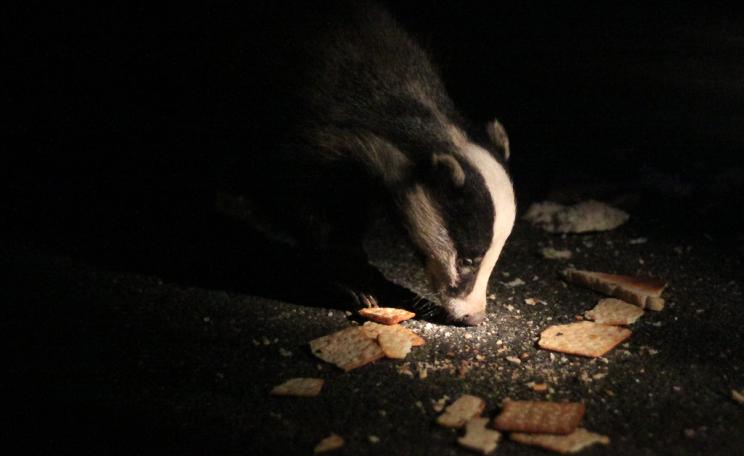
The Government has refused to publish its report on the cost effectiveness of England's badger cull because it is 'still in draft form'. Campaigners say the real reason is that it reveals the cull to be cruel, ineffective and incredibly expensive.
The UK dairy industry is in crisis, writes Megan Perry, with falling prices forcing many farmers out of business. Smaller, more sustainable farms have been the worst casualties, while the large, intensive producers survive. We must ditch market-driven 'survival of the fittest' attitudes - and recognise both the real costs of intensification, and the true value of traditional farming.
The EU's decision to authorise a new 'neonic' pesticide knowing it was highly toxic to bees has been challenged in the European Court. A similar permit granted to sulfoxaflor in the US has already been struck down by a federal court.