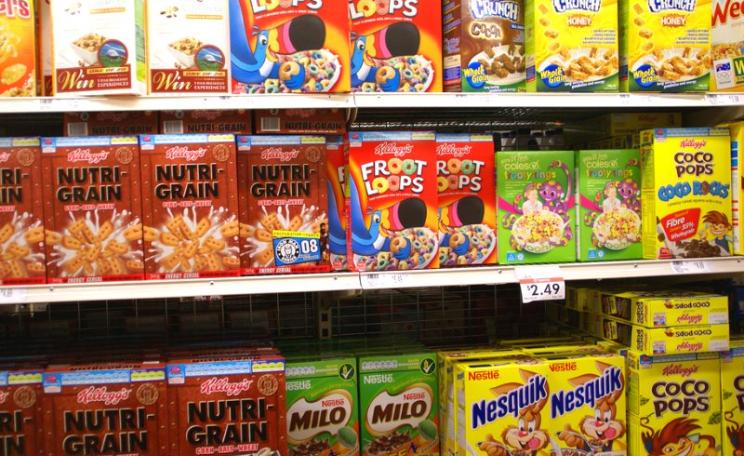
Meat is responsible for about 30% of all 'wasted calories', writes Mike Berners-Lee, so with food causing a third of all greenhouse emissions, eating less meat is one of the most effective things we can do to reduce our climate impact. But no less important is to switch from high to low-impact meats - and to do all we can to cut food waste in our kitchens.
Since Poland's new government was elected last October it has moved to protect the country's 1.3 million small farmers, writes Julian Rose. First it freed those arrested for protesting corporate land grabs, now it is seeking to lighten oppressive hygiene regulations, and next it may support a new Food Act that would ban GMOs, and legislate for national food security and food sovereignty.
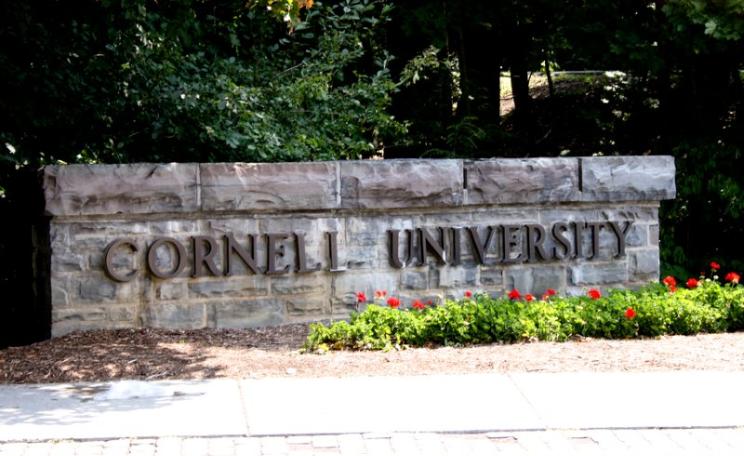
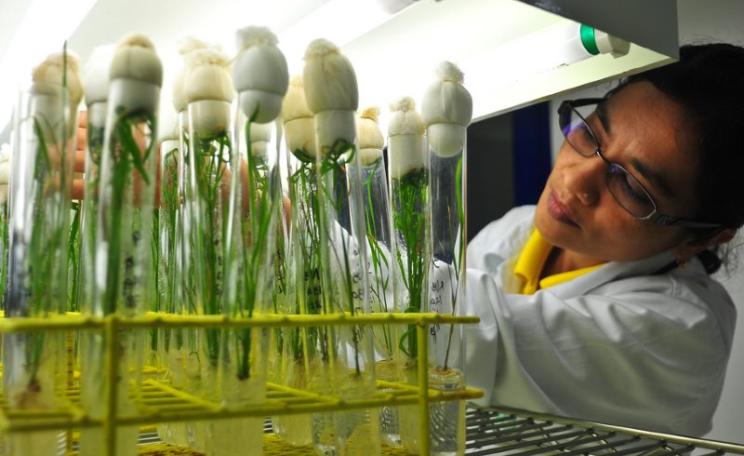
Cornell, one of the world's leading academic institutions, has abandoned scientific objectivity, writes Stacy Malkan - and instead made itself a global hub for the promotion of GM crops and food. Working with selected journalists and industry-supported academics, Cornell's so-called 'Alliance for Science' is an aggressive propaganda tool for corporate biotech and agribusiness.
The Gates Foundation - widely assumed to be 'doing good', is imposing a neoliberal model of development and corporate domination that's opening up Africa's agriculture to land and seed-grabbing global agribusiness, writes Colin Todhunter. In the process it is foreclosing on the real solutions - enhancing food security, food sovereignty and the move to agroecological farming.
No matter how concerned we are about the quality of food we and our families eat, we can be sure governments are putting corporate profit first, writes Sally Beare. But we - Mums in particular - still have our power as consumers to push supermarkets and other retailers into going GM-free and keeping toxic agrochemicals out of the food chain. Let's use it!
A USDA study shows that a GM alfalfa has gone wild in alfalfa-growing parts of the West. This may explain GMO contamination incidents that have cost US growers and exporters millions of dollars - and it exposes the failure of USDA's 'coexistence' policy for GMOs and traditional crops.
Easy to miss in the New Year Honours list: a little-known civil servant for 'services to pesticides regulation'. But none the less shocking for that, writes Georgina Downs. Paul Hamey MBE is the very man who has been responsible for ensuring that rural residents receive no proper protection from repeated exposure to toxic mixtures of pesticides on nearby farms. Go figure.
The 'New Alliance', backed by £600m of UK aid, is meant to improve food security, reduce malnutrition and lift people out of poverty, writes Aisha Dodwell. But it's all a huge con - delivering corporate welfare, attacking small farmers, enabling land grabs - and leaving a trail of poverty and human devastation. It draws praise from only a single review of its activities: its own.
Never mind Brazil's COP21 promises to cut its carbon emissions, writes Jan Rocha. New laws passing through Congress will encourage deforestation by removing safeguards and opening up indigenous territories to mega-projects. Serious drought is already contributing to a big increase in forest fires.
The TTIP 'trade agreement between the US and the EU would devastate EU farms as it opens them up to competition from larger, less regulated US operations, writes Dario Sarmadi. This is the conclusion of a new study to be published tomorrow, which also finds that small-scale farmers would be the first to go - with the big winners the large agri-food corporations.
Each year the US Department of Agriculture manages to test for over 400 pesticides in food, writes Carey Gillam. But glyphosate, the world's biggest-selling herbicide, is not among them, even as evidence of its dangers mounts. It's time for USDA and EPA to stop their buck-passing - and give consumers their right to know.
Bhaskar Save, the 'Gandhi of natural farming', died last year after a lifetime of organic growing and determined campaigning against the destruction of India's traditional, sustainable agriculture, writes Colin Todhunter. His 2006 open letter, published here, sets out a devastating critique of industrial agriculture and its impacts, and an eloquent and timely agroecological manifesto.
GMO promoters enthuse about how GM crops will be able to help the poor and hungry, far in the future, writes Claire Robinson. But they are silent about the currently-planted GM crops - 99% of them herbicide-tolerant or insecticidal. Could it be because opponents of the technology are being proved right at every turn?
At a time when the Labour Party is discovering its egalitarian roots, inequality is as much of an issue in the countryside as in the city, states this 'Rural Manifesto' from the Land Workers Alliance and The Land. The neglect and exclusion of Britain's rural poor and landless farmers must end.
Farmers on Palawan are being tricked into giving land away to palm oil companies with local government support, writes Rod Harbinson. Under the palm oil company 'leases' the farmers lose all rights to their land, never receive any money, and are saddled with 25 years of debt. Those who resist the land grabs are now in fear for their lives following the murder of a prominent campaigner.
The new People Need Nature report - published to coincide with this week's annual Oxford Real Farming Conference - warns that modern farming practices are not good for wildlife. But they're not good for humans either. And with predictions that we will need to produce 70 per cent more food to feed a third more mouths by 2050 the question of seed ownership and diversity cannot be ignored. KATHRYN HINDESS reports
When it comes to farming, size matters. Currently, subsidies - received under the EU Common Agricultural Policy - are available only to farmers with more than five hectares of eligible land. Now, a new report by the charity People Need Nature published to coincide with the Oxford Real Farming Conferene (which starts today) claims that this "excludes the producers it should be supporting." KATHRYN HINDESS reports
A radical new Seed Law drafted by Venezuelan people, farmers and NGOs was signed into law in the closing days of 2015, write William Camacaro, Frederick B. Mills & Christina M. Schiavoni. Striking back against the corporate takeover of seeds and peddling of GMOs, the Seed Law bans transgenic seeds, protects the country's germplasm, and establishes the legal foundation for a participatory, agroecological food and farming system.
Wild bee decline is closely associated with the advance of intensive farming and habitat loss, a new study shows. It follows an earlier paper that linked 'delayed action' decline of wild bees to exposure to pesticides including fungicides - previously considered 'bee-safe'.
Bullfighting may cause suffering to animals, but that does not mean the EU should ban it or withdraw farm subsidies, writes Robin Irvine. Traditional bull-breeding estates are valuable reservoirs of biodiversity in intensively farmed landscapes, and without the bulls there would be nothing to sustain them.
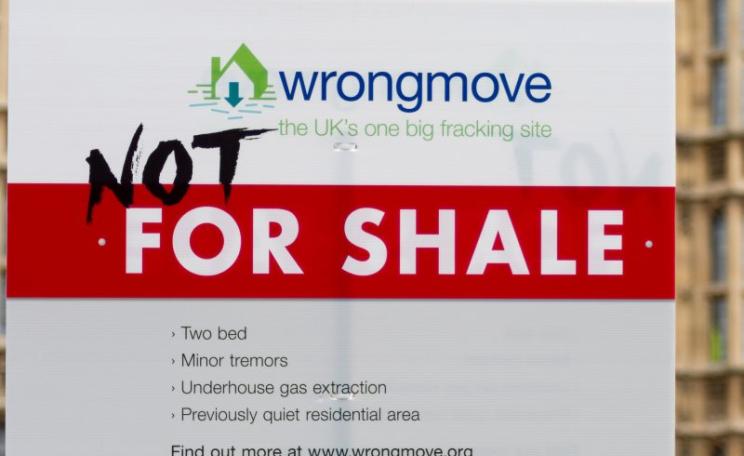
The UK's insistence on opening up the UK to fracking is symptomatic of a deeper malaise, writes Paul Mobbs. Of course we need a change of government, but more than that, we need a deeper, enduring change of the nation's governance if we are ever to effect the transition to sustainable policies on energy and environment. It's time for the UK to become truly democratic.
Environment Secretary Liz Truss told Parliament yesterday that England's badger cull is 'working', and needs to be extended into new areas, writes Oliver Tickell. Yet she and the NFU have refused to release the evidence to back up her claims. Now MPs and NGOs are joining the cry: 'publish or be damned!'
India's Genetic Engineering Appraisal Committee stands accused of Contempt of Court for evading Supreme Court orders to carry out full biosafety tests on GM crops and publish its data, writes Colin Todhunter. The immediate issue is a herbicide tolerant GM mustard now approved for large scale trials, while earlier findings remain under an impenetrable veil of official secrecy.
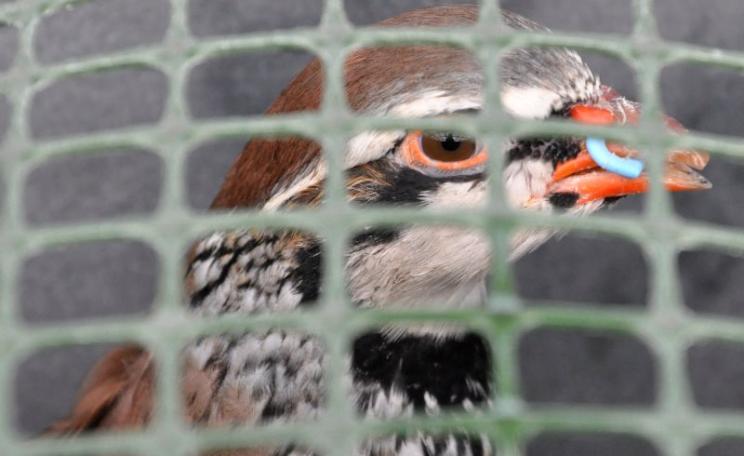
Forget pear trees. Today's partridges are unlikely to have seen much beyond the barren confines of their cages until they are released to be shot, writes Toni Shephard. A new investigation by the League Against Cruel Sports reveals that thousands of partridges will spend Christmas, like every other day, imprisoned on the farms that supply shooting estates.