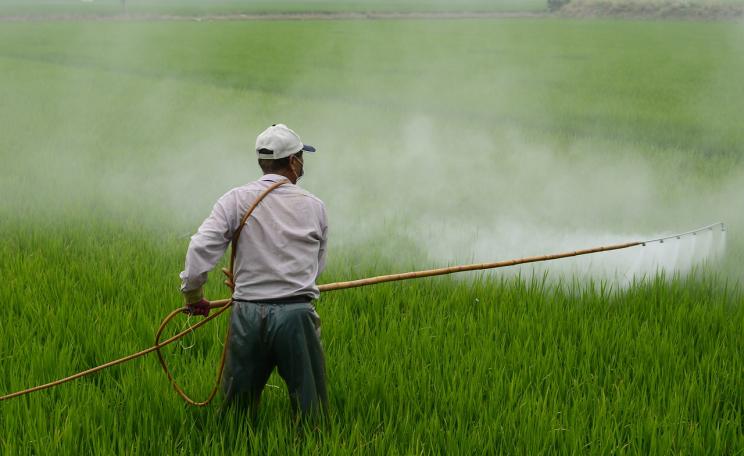
Bee-killing insecticides will face a near total ban in Europe following a vote by member states in favour of proposals by the European Commission. The UK government supported the ban, which it says it will maintain after Brexit. CATHERINE EARLY reports
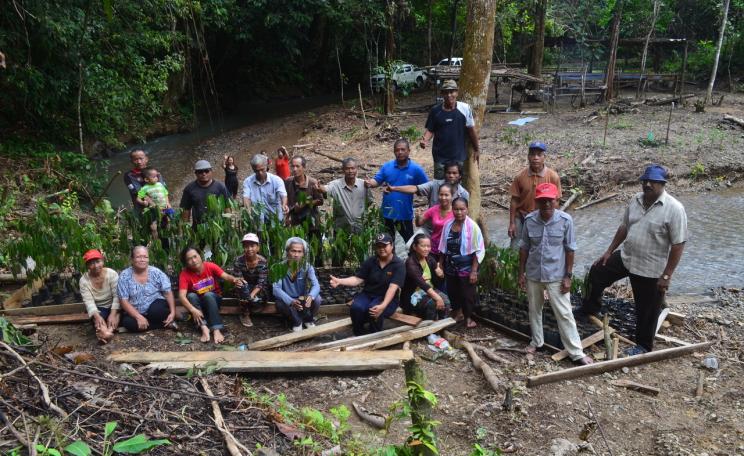
We are told there is a choice between forest and food. But in reality it is industrial processes that are destroying sustainable farming and the ecosystem. KIRTANA CHANDRASEKARAN discusses a new report from Friends of the Earth International which suggests agroecology is an alternative that can respect people and planet
Scientists from the University of Sheffield have identified factors which are driving the evolution of herbicide resistance in crops – something which could also have an impact on medicine as well as agriculture. BRENDAN MONTAGUE reports
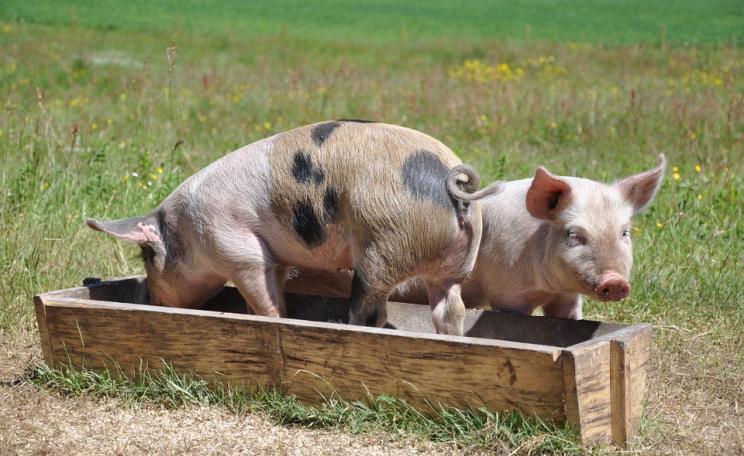
Animals bred for meat now consume a third of all vegetable crops. This has increased dramatically since a ban on pigswill following the Foot and Mouth outbreak in the UK. But it is an appalling waste. Japan can show the way to feeding pigs our waste food which is safe, argues the Green MEP MOLLY SCOTT CATO
Appalling conditions have been found at a farm supplying meat to a Spanish sausage brand stocked at Morrisons and high street butchers. JAVIER MORENO, the executive director of Animal Equality Spain, argues that this is not an isolated incident. He hopes the latest undercover investigation could be a turning point for animal welfare
Trends shaping consumerism, transport and farming could provide answers for some of the world’s sustainability problems, according to the think tank Forum for the Future. CATHERINE EARLY reports
Michael Gove, the environment secretary, will today announce plans to radically reform the payment of farm subsidies - in the wake of Brexit. If the promise is kept and the changes implemented well these changes could support a growing minority of farmers attempting to end soil depletion and economic destruction.
The All-Party Parliamentary Group on Agroecology for Food and Farming has warned poor international trade deals made following Brexit could have a significant impact on British farmers - and in turn the regional and global environment. BRENDAN MONTAGUE reports.
Britain is known as a nation of animal lovers. It is the birthplace of Watership Down, Peter Rabbit - and Animal Farm. But the meat, cosmetics and other animal dependent industries are also a large part of the British economy. Until now, EU regulations have improved animal welfare. As the country prepares for Brexit, HELEN BROWNING asks whether animal sentience will remain recognised by UK law.
A new report from the Sustainable Food Trust reveals that the £120 billion spent on food by UK consumers incur additional, hidden costs of a further £120 billion. The largest proportion of the hidden costs are from damaging impacts of intensive production methods and food-related healthcare, reports EMMA ROSE
With the diversity of food crops falling dramatically and just three giant corporations controlling over 75 per cent of the global seed supply, it's no wonder people feel disconnected from their food. LAURA BRIGGS learns more about a new UK Seed Co-operative which aims to redress the balance
Malawi is a country on the front line of climate change. Unlike nations ravaged by a typhoon or rich western cities swamped with floodwater, the kind of impacts Malawians face barely raise a flicker of interest in the media. Compared to a hurricane, a few degrees of temperature rise and shifting rainfall patterns sound mild, but in reality they have the potential to be far more devastating writes JOE WARE
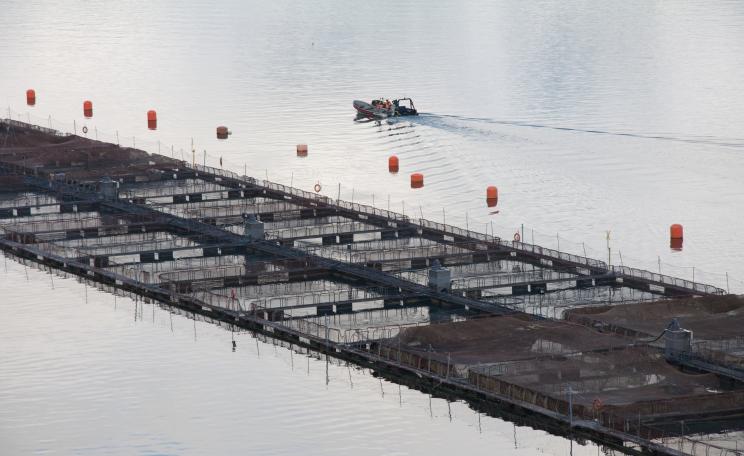
There are currently over 3,000 applications to establish new salmon farms in the Patagonian regions of Magallanes and Aysen waiting for approval. Have we leaned nothing from the damage to the environment caused by Chile's salmon farms asks Florencia Ortúzar
In the first of our new WITNESS series of blogs, food anthropology researcher YVONNE ADEBOLA suggests a 'One Health' approach to childhood obesity which recognises the ecological impact of modern food systems on the environment and on our collective health and wellbeing
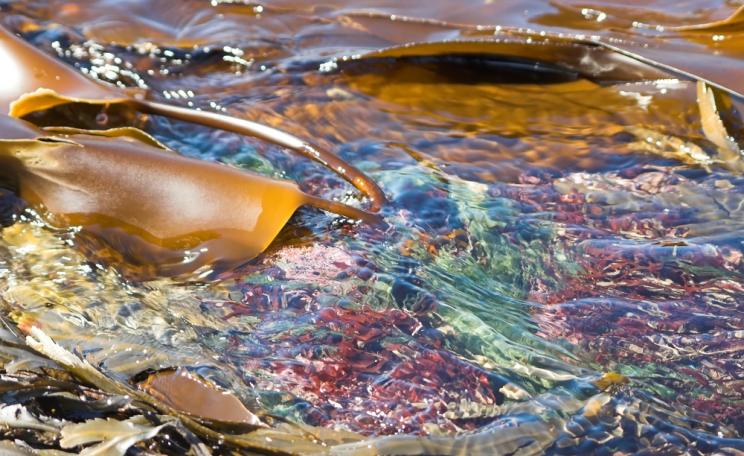
Seaweed is known for its culinary uses and has seen a renaissance in past years thanks to its health claims and a distinctive taste - but there are more ecological benefits to seaweed that currently remain untapped.
Ethical Foodie chef TIM MADDAMS puts the blame for the animal welfare abuses we reported recently at the door of consumers who are turning a blind eye to the true cost of cheap meat
Thousands of British farm animals are subjected to needless pain and distress - six times a day on average - as they are slaughtered according to the Bureau of Investigative Journalism.
At a post-Brexit crossroads, we may still articulate a new vision for the countryside, one which expresses the concerns and desires of stakeholders - farmers, conservationists, land and land tenure reform advocates, communities, and environmentalists writes JAMES LUCHTE
In his new column for the Ecologist, chef and campaigner TIM MADDAMS tackles the big question - how do we reduce the environmental impact of the food we buy?
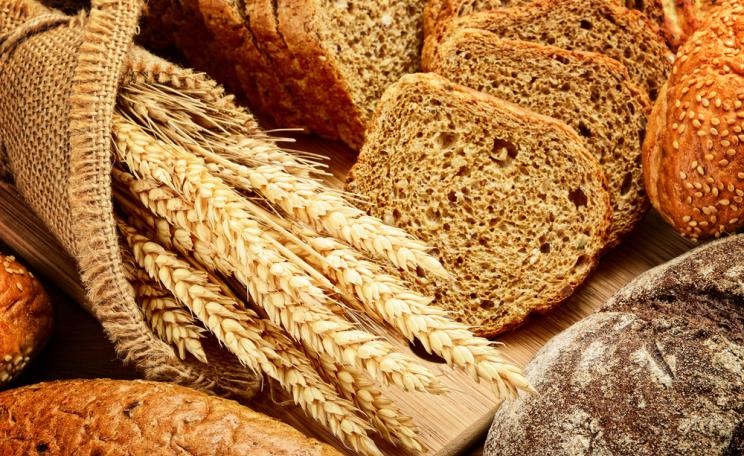
The Soil Association is calling on bread producers and supermarkets to stop making and selling bread products that contain traces of Glyphosate. LAURA BRIGGS reports.
China led the reclamation of the largest abandoned rice farm in Mozambique, with the blessing of the authorities. But now the company involved is accused of land grabbing and displacing thousands. Cecilia Anesi and Andrea Fama report
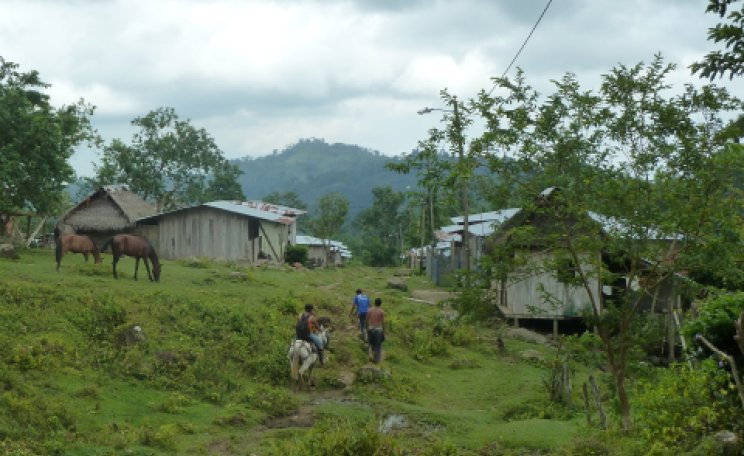
Gwen Burnyeat tells of her encounter with a unique peace community in Colombia, who are promoting systems of local sustainability and guardianship that protect both people and the environment.
The health of our soils is more important now than ever, says the Soil Association’s Helen Browning - especially with the challenges that climate change will bring ...