The claims made for GM agriculture are a transparent fraud. The real purpose of GM foods is to give giant corporations legally-enforceable monopoly powers over the entire global food chain.
Evolution favours diversity and decentralisation. GM food favours monoculture and monopoly. So, in my view, this so-called scientific food revolution is anti-evolution ...
Last month the UK’s largest independent cheese producer and milk processor launched its biogas plant, with a view to becoming 100% self sufficient in green energy. Lynn Batten went along to see what all the fuss was about.......
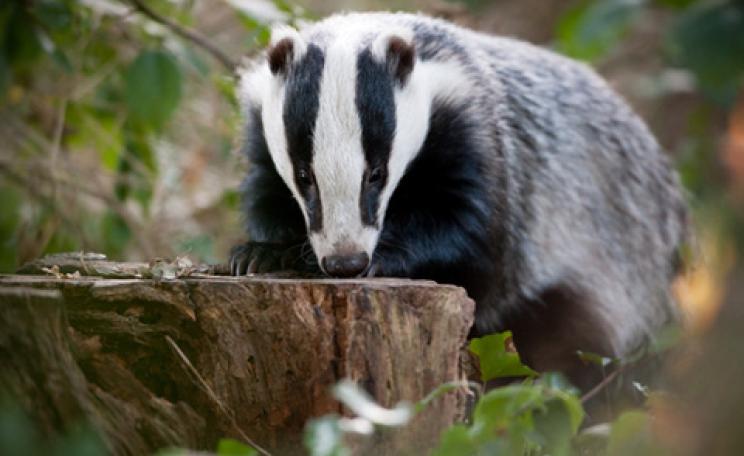
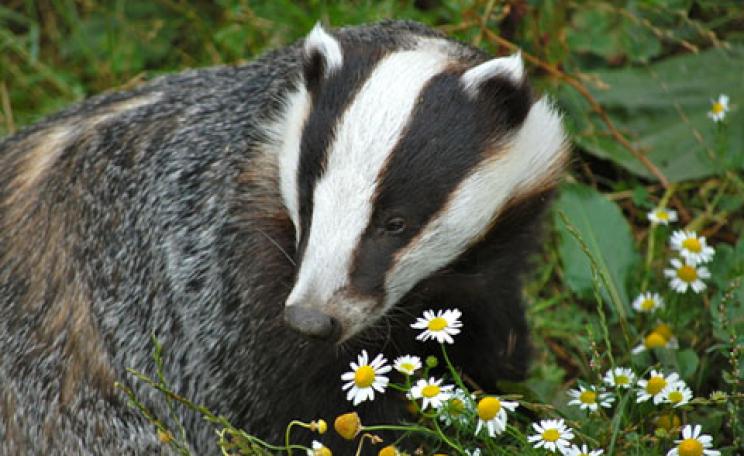
Fresh events in the ongoing badger cull saga suggest that despite underhand politics and statistical manipulation, the tide is turning in favour of the badgers..............
Faced with threats, draconian gagging laws and even violence, journalists and activists investigating the secrets of the global food industry tread a dangerous path, says Andrew Wasley. Additional reporting by Sarah Stirk
In the first of a three part analysis of the ongoing UK badger cull Lesley Docksey examines current and historical data and concludes that the government are simply ignoring the science of epidemiology..........
US researchers behind a study that showed links between gas drilling and sickness in livestock say a moratorium should be imposed on fracking in the UK until its impact on food safety can be assessed. Andrew Wasley reports
After a week of events throughout the UK aimed at highlighting the health risks of eating genetically modified foods, Pat Thomas highlights a key health message that many of us have missed.....
Exeter might be affluent and hungry for locally produced, sustainable food, but in common with other towns and cities across the UK, independent retailers, producers and food entrepreneurs face an uphill challenge, reports Charlie Taverner
Of 5,500 badgers to be shot during the pilot culls, only 240 will be independently monitored for humaneness, it has emerged. And just 4 Natural England officials will oversee the killing in Gloucestershire and Somerset
Dan Crossley, of the Food Ethics Council, talks to the Ecologist about their work on developing an 'ethical food manifesto' ahead of the next general election
Whilst running the length of South America to raise awareness of the vulnerability of the continent's remaining wilderness Katharine and David Lowrie meet the winners and losers in Argentina's rush on soya....
Libby Grundy, Food for Life Director at the Soil Association, talks to the Ecologist about the food challenges facing the planet and what's inspiring her work...
Observing a new momentum in the biodynamic and permaculture movement brought by young enthusiasts encouraged Cory Whitney to revisit the basics of these two agricultural systems....
The Sumatran elephant, one of the smallest of the Asian elephants, is the most endangered elephant in the world. Currently there are between 2,400 and 2,800 left, making the species 'critically endangered', according to the charity Elephant Family.
If the Soil Association joined those opposing the cull it would be able to brand its organic milk and dairy products 'badger friendly'- no doubt leading to a much needed boost in sales, says Dominic Dyer
Buying organic food is an important choice for everyone concerned about animal welfare, wildlife and conservation. It would not make sense for consumers to stop buying organic if they disagree with badger culling, says Helen Browning
Ahead of publication of the Ecologist Guide to Food - the first in a forthcoming series of hard-hitting consumer guides - our regular new blog will be covering all things ethical and culinary, and reporting on stories and issues that there simply wasn't room for in the book...
Palm oil is a key ingredient in everything from cereal, biscuits and margarine to shampoo, lipstick and toothpaste. Unless we curb our desire for it critical forests and wildlife habitat will be gone forever, says Dan Bucknell
Western consumers are inadvertently driving the Sumatran elephant to extinction by eating, washing and wearing - in cosmetics - the derivatives of a fruit that is destroying the animal's last remaining forest habitat. Jim Wickens reports
Where there are cattle, there is the threat of bovine Tuberculosis (TB). The farming methods may differ greatly, but from the dairy farms of Ethiopia to the beef herds of Canada the race is on to find the best way to tackle the disease