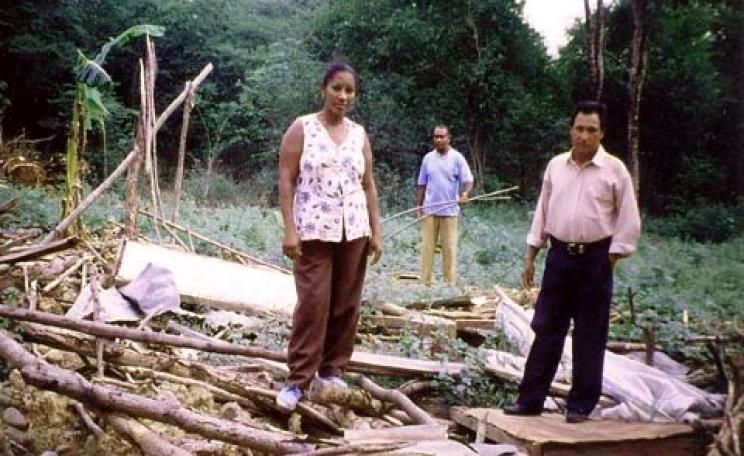
Honduras has endured six years of violence and land grabs after the 2009 US-backed military coup made the country a playground for Hillary Clinton's billionaire friends, write Eric Draitser & Ramiro S. Fúnez - and a hell for the country's indigenous and small scale farming communities, whose leaders are routinely murdered with impunity by US-trained forces.
This month the UN is meeting to enact binding global rules on the conduct of business and transnational corporations, writes Sam Cossar-Gilbert, reversing the trend for increasing business empowerment in TTP, TTIP and TISA. The new UN Human Rights Treaty aims to provide justice for the victims of corporate criminality anywhere in the world.
Last month Palestinians of the Jordan Valley suffered a punitive regime of military exercises that displaced hundreds of people, set fire to farmland and holed water tanks - all part of Israel's plans to annex the region for Jewish settlements.
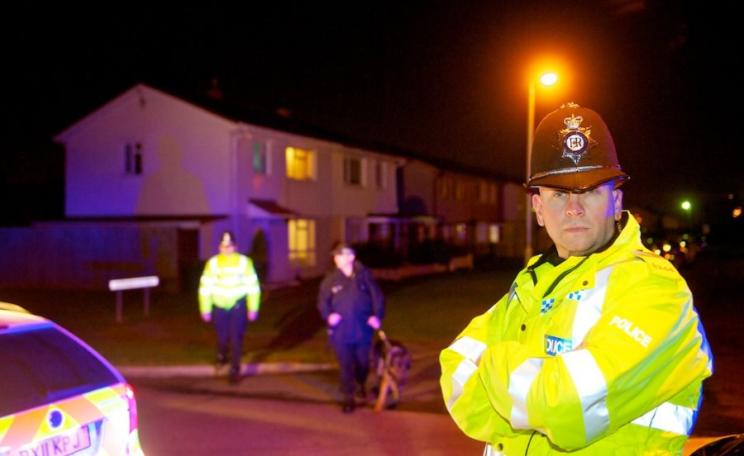
UK police now have free rein to create 'dispersal zones' in public places, writes Josie Appleton. This allows them to exclude people for anything from street drinking to looking suspicious, being homeless, protesting, or merely 'congregating'. This represents a serious breach of our Common Law and Magna Carta rights.
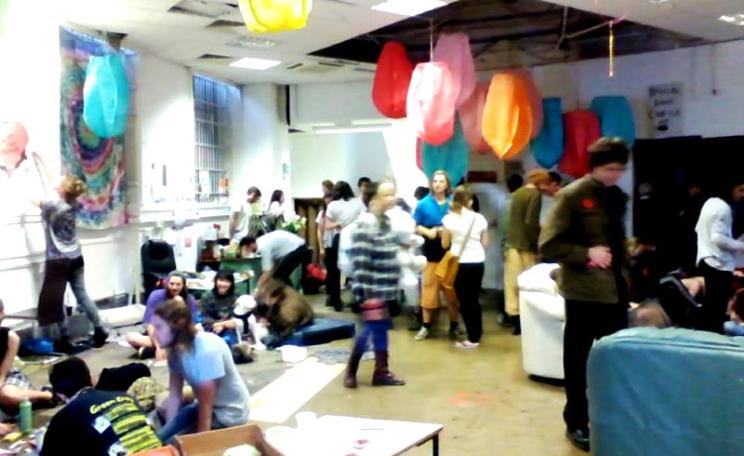
Long a feature of British urban life, domestic squatting has now been criminalised, writes Almudena Serpis. But suddenly two social centres have come to life in a squatted bank in Brighton, and a long abandoned pub in London, reviving the rebellious spirit of the squatting movement, and promulgating a radical anti-austerity message that evokes the struggles in Greece, Spain and beyond.
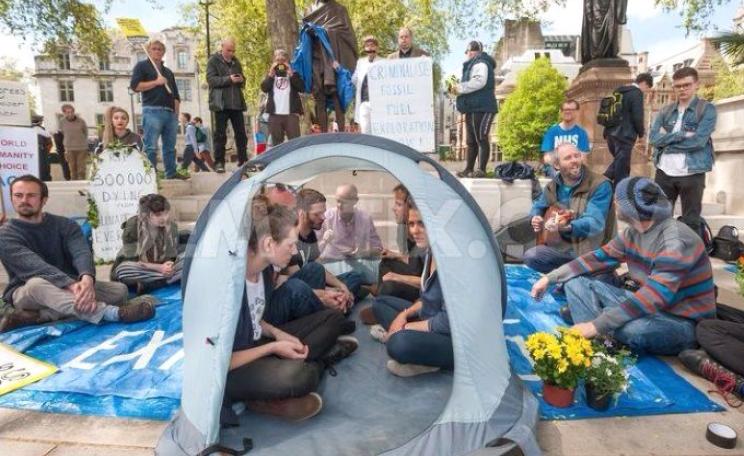
As the great and good of Britain including its most august royal personages converge on Runnymede to celebrate the 800th anniversary of Magna Carta, police are violating the very freedoms the Charter guarantees, writes Donnachadh McCarthy, after declaring an alternative Festival of Democracy to be an 'illegal rave'.
A consistent pattern is emerging in the UK government's plans and policies, writes Paul Mobbs: the stripping away of human rights and freedoms; the detachment of public institutions from democratic accountability; an increase of the powers of the state; and the empowerment of corporations at the expense of people. We must act to preserve our liberties, while we still can.
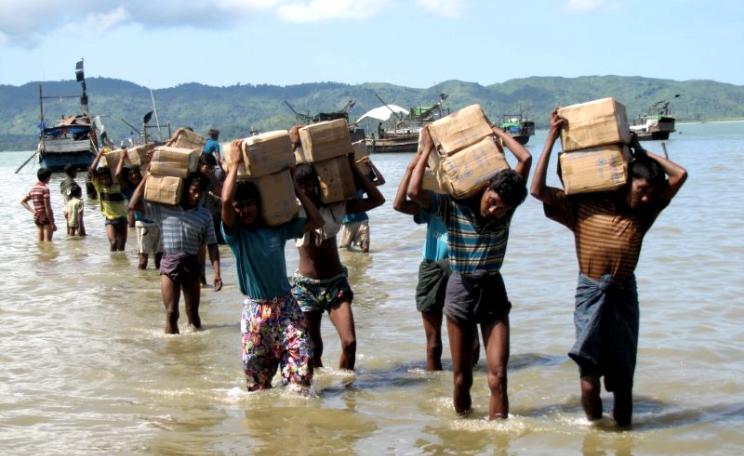
Decades violent expulsions, race laws and denial of citizenship lie at the root of the 'boat people' crisis in Thailand and Malaysia, writes Oliver Tickell. Attacks on the Rohingya minority have escalated since a new policy was announced in 2014 to permanently deny their rights.
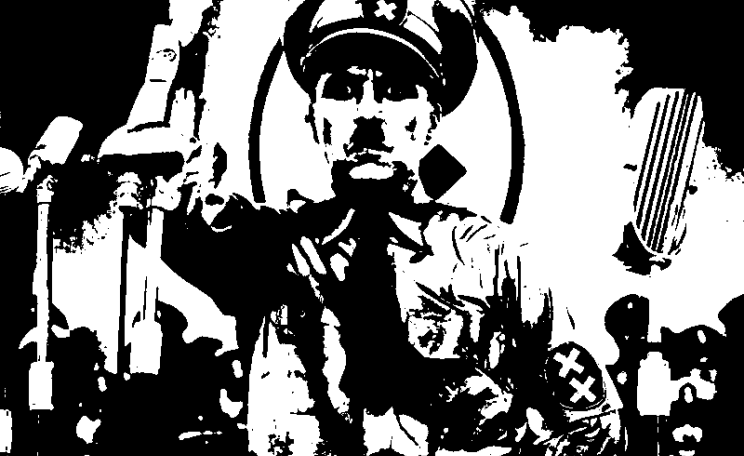
Government plans to enact a 'domestic extremism' law, announced in yesterday's Queen's Speech, threaten to make thought criminals of all who challenge the established order, writes Donnachadh McCarthy. At risk are campaigners, protestors, journalists and all who dissent from Britain's neoliberal corporatocracy.
Greenpeace India is to fight on for another month after a surge of support from allies, new donors and staff, who have pledged to work through June for no pay after the Indian government blocked its bank accounts.
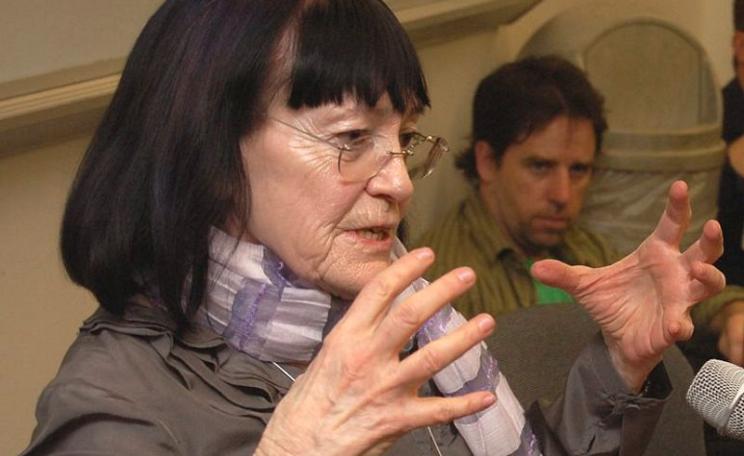
The Indigenous Peoples of North America are the survivors of a multi-century genocide that was still being deliberately waged in the 1950s and has still not stopped today, Roxanne Dunbar-Ortiz told Stephyn Quirke. But the fightback is on, and for the world to overcome both genocide and ecocide, the indigenous struggle must grow to encompass the mass of humanity.
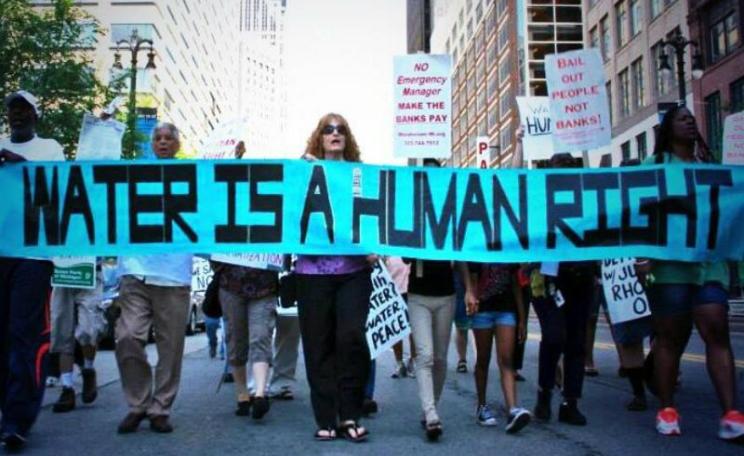
Ignoring cries of protest from impoverished communities and fierce international criticism, Detroit will begin to serve water shut-off notices on some 25,000 households tomorrow as it prepares to privatise its water department.
The US is denying huge numbers of black and brown children their chance to achieve their cognitive potential by quietly poisoning them with lead and other toxins, writes Rita Turner. The offense is then compounded by providing the victims deeply unequal educational opportunities, and disregarding their civil rights.
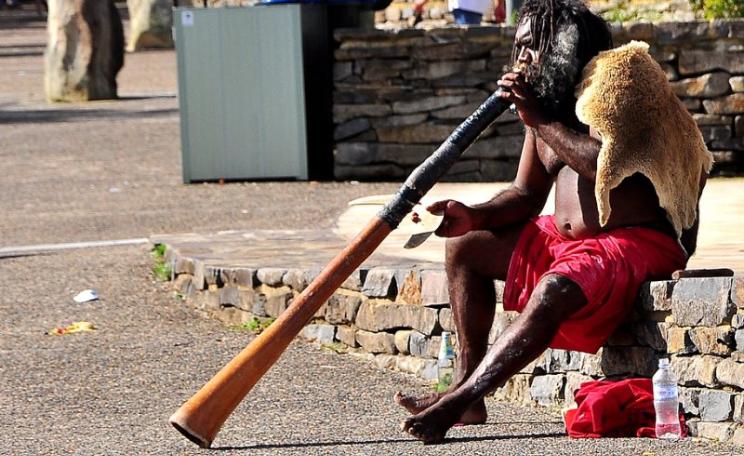
Australia's deliberate and calculated attacks on its indigenous population carry many of the hallmarks of genocide, writes John Pilger. And things are getting worse, not better, as states that have grown rich by exploiting Aboriginal land evict and demolish remote Aboriginal communities.
The more EU politicians try to look in control of the Mediterranean refugee emergency, the more it's obvious they aren't, writes Assaad W. Razzouk. A key driver of the crisis is climate change, which is causing drought across North Africa. Europe must now tackle the root causes of the crisis, and admit its own culpability in precipitating it.
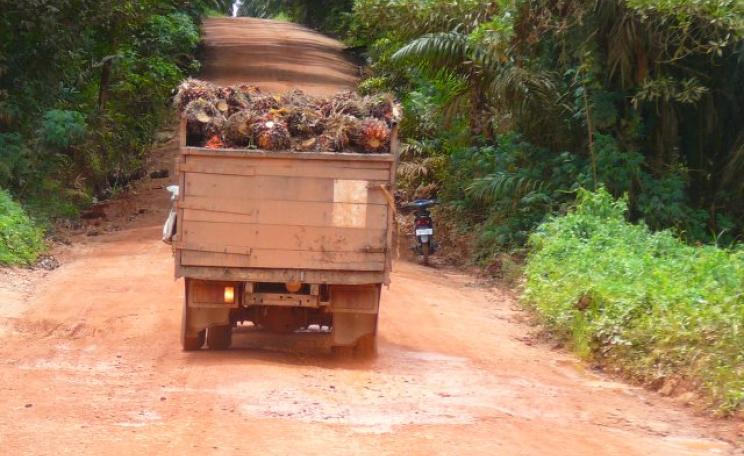
Banks preparing to launch a $400m bond issue for a global palm oil giant with a history of legal violations and broken standards have been warned of their 'high risk client' and the 'extreme and outstanding' social and environmental conflicts in the palm oil agribusiness sector.
Lettuces, peppers and other vegetables grown under 'semi-slavery' conditions in Spain are filling supermarket shelves in the UK, writes Almudena Serpis. Workers are routinely abused, underpaid, sprayed with pesticide, and sacked if they dare complain, an C4News / Ecologist investigation has found. But now they are getting organised to defend their rights.
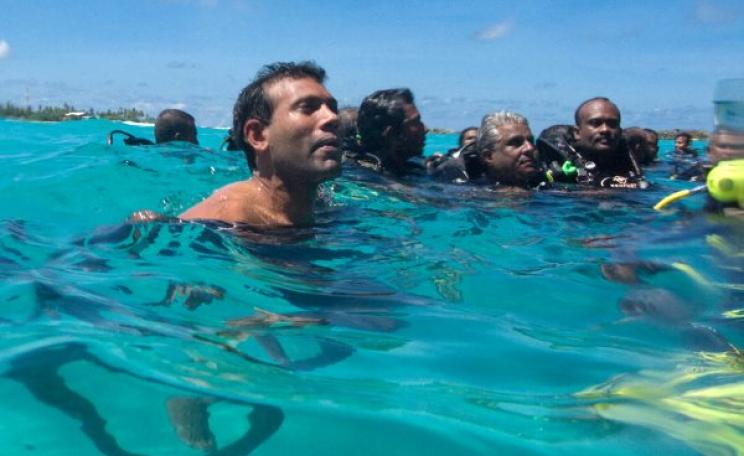
After restoring democracy to the Maldives in 2008 President Nasheed became a world leader on climate change. But four years later the old regime deposed him in a coup, and now he has been imprisoned for 13 years on bogus 'terrorism' charges. Now we must stand with Nasheed - by starving the island state of its tourism revenues.
'Conservation' is destroying those who've nurtured their surroundings for timeless generations, writes Stephen Corry - the Indigenous Peoples who have actually fashioned those precious places that we now mistake as 'natural'. It's time for a new conservation ethic that recognizes them as senior partners - not as 'squatters'' and 'poachers' to be evicted and criminalized.
President Obama will shortly be on his way to India. In this Open Letter, Vandana Shiva invites him to join in securing the essential human freedoms to seeds and food - and to set aside any plans to pressure India into changing its laws to allow the corporate domination of life.
The Sahrawi people of Western Sahara have been waiting 40 years for a self-determination referendum, writes Oscar Güell. But thanks to the passivity of the EU, the US and the rest of the 'international community' their wait for justice won't end any time soon. Meanwhile, Morocco settles the country with colonists and exploits its natural resources.
The official investigation into the downing of MH17 is without precedent in the history of aviation, writes James O'Neill, as it gives one of the prime suspects, Ukraine, a veto power over publication of the report. Grieving families of the victims may never know know the truth, as geopolitics triumphs over justice.
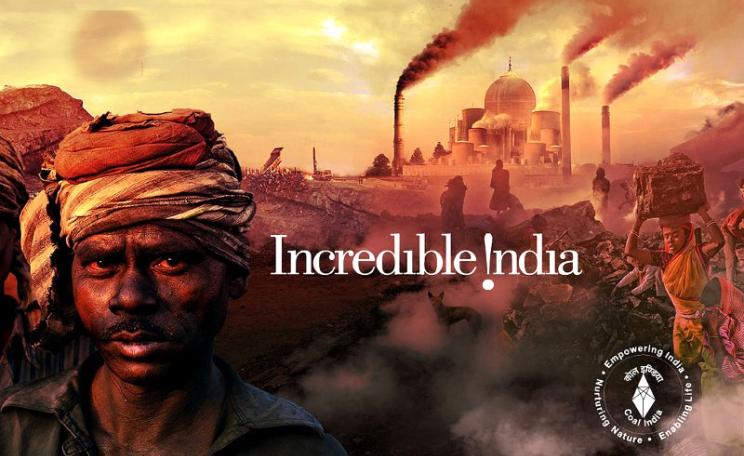
Las Casitas is a small community living on the edge of one of the world's largest coal mines, writes Richard Solly - one inhabited by the descendants of escaped slaves, located in the poorest region of Colombia. The village is under imminent threat of forced displacement by the brutal corporation that runs the Cerrejón coal mine.
The Maldives, a vast republic of scattered islands in the Indian Ocean, has worked hard to make its fisheries among the world's most sustainable, writes Tony Juniper. But now the EU has slapped a 20% levy on its fish exports due to human rights concerns - a move that mainly hits poor fisherfolk innocent of any wrongdoing.