A new movement has been launched at COP21 in Paris to give legal effect to the rights of nature and communities, writes Hal Rhoades, providing effective protection against the gross environmental damage and human rights violations that accompany extractive industries from mining to oil development and agri-business projects, and which underlie climate change.
The massacre of elephants for Asian ivory trade is driving the iconic African giant to extinction, writes Lewis Evans. But the 'military response' is both brutal and ineffective, all the more so as it excludes and alienates the indigenous communities who are the best defenders of nature and wildlife. The simplistic message of 'Last Days of Ivory' is both damaging and dangerous.
As Aung San Suu Kyi's National League for Democracy takes a strong lead in Burma's elections, Nafeez Ahmed warns that the military will remain the real power in the land. And as UK, EU, US, Chinese and Gulf state energy corporations compete to exploit Burma's hydrocarbons, don't expect them to denounce the ongoing genocide of the Rohingya, and anyone else in the way of their oil and gas infrastructure.
As the world's media hails Burma's first elections since 1990 and the country's 'democratic transition' from military rule, Guy Horton warns against the delusional thinking that underlies these optimistic narratives. The reality is one of fascism, mass murder, genocide and systematic discrimination - in which Aung San Suu Kyi herself is complicit through her silence.
The uprooting and cutting down of over a million olive and fruit trees in occupied Palestine since 1967 is an attack on a symbol of life, and on Palestinian culture and survival, writes Dr. Cesar Chelala. A grave crime under international humantarian law, the arboricide is also contrary to Jewish religious teachings.
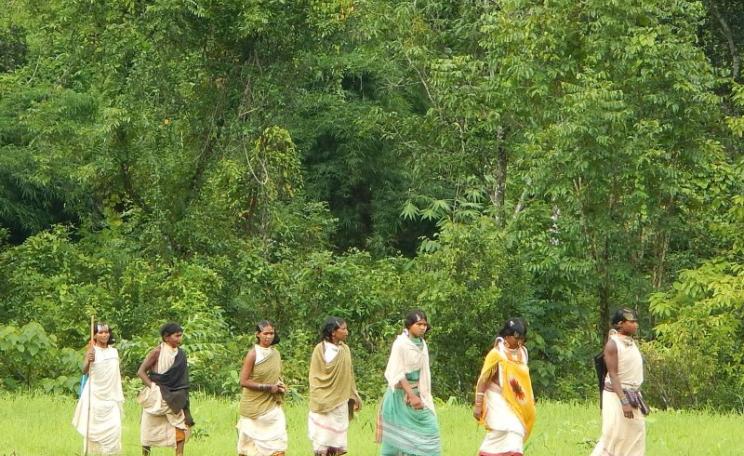
India's neoliberal government is attempting the mass seizure of indigenous lands, commons and forests in order to hand them over for corporate exploitation with mines, dams and plantations, writes Pushpa Achanta. But tribal communities are rising up to resist the takeover, which is not only morally reprehensible but violates India's own laws and international human rights obligations.
Last week BP's Peter Mather - who claims to have 'green and yellow oil' flowing in his veins - took to the airwaves on Radio 4's The Bottom Line'. Evan Davies asked some tough questions, writes Chris Garrard - but failed to mention the shocking case of Colombian trades unionist Gilberto Torres, kidnapped and tortured for 42 days by paramilitaries employed by BP's joint venture partner.
Sue Lloyd Roberts, the brilliant investigative journalist who died yesterday, was a unique phenomenon in the BBC, writes Oliver Tickell - fearless, rooting out the dirtiest of secrets, fighting the cause of the oppressed, abused, exploited and downtrodden. Now the BBC must keep her mission alive with a new, independent unit dedicated to human rights worldwide.
Under new planning rules, Travellers and Gypsies must be able to prove they are actually traveling to qualify for limited planning benefits to create new sites. But for many, it's impossible to do that. Not only to remain in employment, or education - but precisely because there are so few sites, that they are unable to travel.
Coming so soon after the Magna Carta celebrations, the eviction and destruction of the Runnymede Eco-village is a parable of our times, writes Nicholas Sebley: a violent assertion of the power of capital over people and community, and part of a deliberate, systematic closure of alternative ways of living outside the mainstream economy.
British Prime Minister David Cameron is receiving Israel's Benjamin Netenyahu into his Downing Street home just as Israel embarks on its ethnic cleansing of the Negev, writes Alia Al Ghussain. The imminent demolition of the 'unrecognised' Bedouin village of Umm Al Hiran and the eviction of its residents looks like the realization of the 'Prawer Plan' to Judaize the desert.
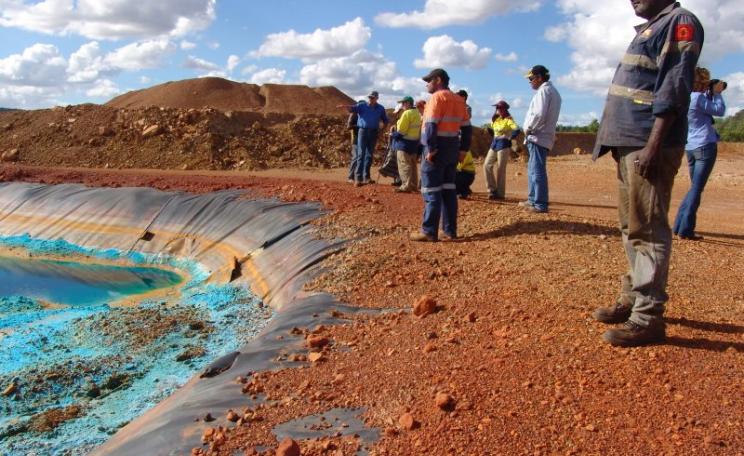
Indigenous Australians are systematically deprived of the benefits of mining and other developments, writes Seán Kerins, and being left to suffer their environmental impacts. As Abbott's government prepares a bonfire of 'red tape', it's time to put Indigenous interests first, and place their communities at the centre of decision making.
Indonesia's murderous campaign of military repression in its stolen territory of West Papua continues, writes Jason MacLeod. But a courageous 50-year struggle for human rights and freedom is finally bearing fruit, with growing recognition of West Papua's right to nationhood among its Pacific neighbours. Real hopes of a better future are rising above the blood and pain.
Guarani man Semião Vilhalva was murdered by ranchers' gunmen last weekend after his community reoccupied parts of their ancestral land from ranchers. Thousands of Guarani Indians holding on to tiny patches of their ancestral land are living in constant fear of forcible eviction.
Ukraine's state-owned nuclear generator is suing anti-nuclear activists in its latest attempt to stifle public debate over the country's ageing fleet of 15 nuclear reactors, while refusing to release information in breach of international obligations.
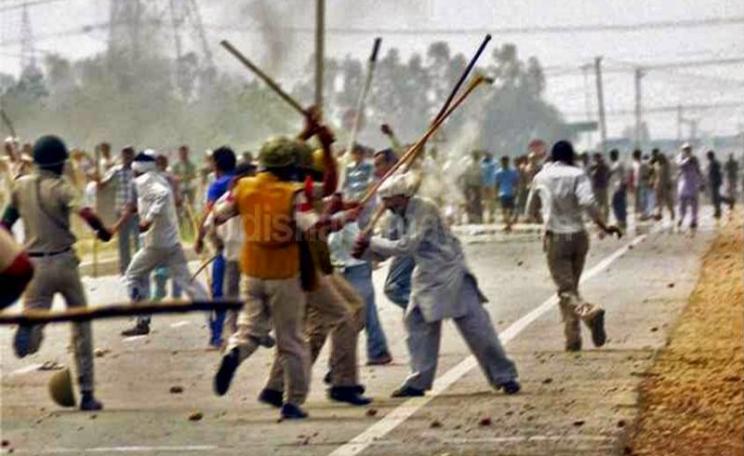
President Modi is determined to sweep away 'obstacles to growth' including the laws that allow marginalised communities to challenge the confiscation of their lands and forests for dams, mines and other 'development' projects, writes Arpitha Kodiveri. If proposed 'reforms' are enacted, the only remaining avenue of dissent may be one of armed conflict.
As World Water Week kicks off in Stockholm today with a theme of 'Water for Development', the drought being deliberately inflicted on Palestinians is firmly off the agenda, writes Laith Shakir. While Israelis water their lawns, irrigate crops and swim in Olympic-sized pools, Palestinian communities a few kilometers away are literally dying of thirst.
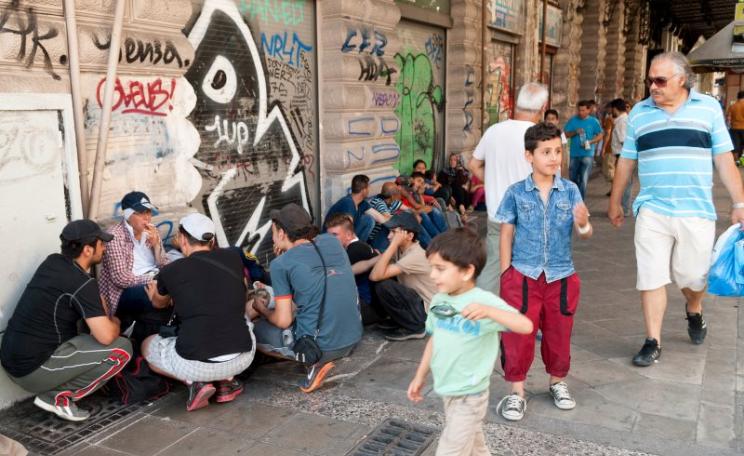
By working together and caring for those in need we can show that human kindness and global cooperation are stronger than competition and fear, writes Matt Mellen, and essential to building the better world we seek. Let's begin by recognising the humanity of the refugees washing up on Europe's shores.
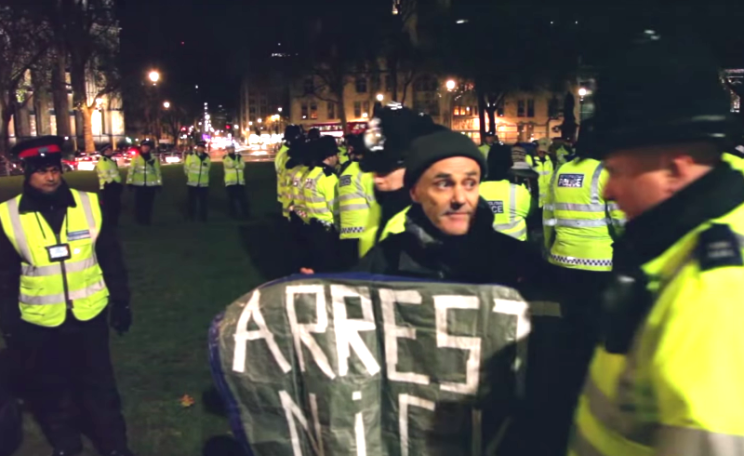
Democracy campaigner Donnachadh McCarthy is in court tomorrow tomorrow on a fictitious charge of 'assault against a security guard in Parliament Square'. But his real offence was to expose the corruption at the heart of the Lib-Dems, with the sale of peerages by political parties for around £300,000. And now the CPS is trying to deny him a fair trial.
European retailers have imposed 'ethical' certification processes on their banana suppliers, writes Rachel Smith. But reports from Ecuadorian plantations reveal serious weaknesses in the schemes that leave workers poisoned and abused. To get to the truth, inspectors must dig deeper, and make surprise visits.
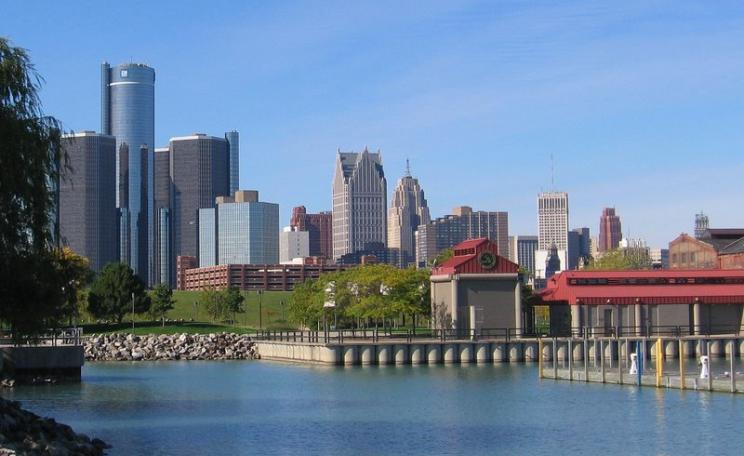
Detroit is the site of a neoliberal experiment that's already being repeated elsewhere, writes Chris Grove, with unpayable debt used to force the privatization of public services and the terminate democratic power and accountability. But as the city's poor find themselves cur off from water, a new, wider conception of human rights is emerging from the wreckage.
Julian Assange's struggle for freedom is one of law and justice against vengeful state power determined at all costs to darken the light of truth that Wikileaks has cast into the murkiest of places, writes John Pilger. Now, after a long series of moral and legal victories, his release may finally be drawing near.
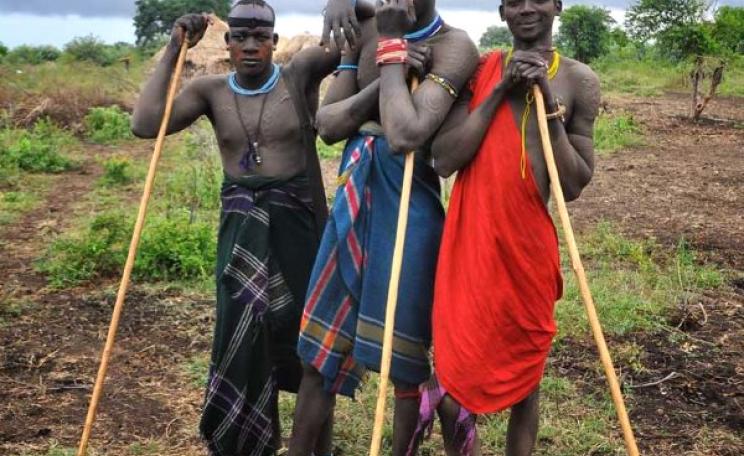
USAID, the UK's DFID and the World Bank are among those covering up for severe human rights abuses against indigenous peoples in Ethiopia's Omo Valley, inflicted during forced evictions to make way for huge plantations, writes Will Hurd. Their complicity in these crimes appears to be rooted in US and UK partnership with Ethiopia in the 'war on terror'.
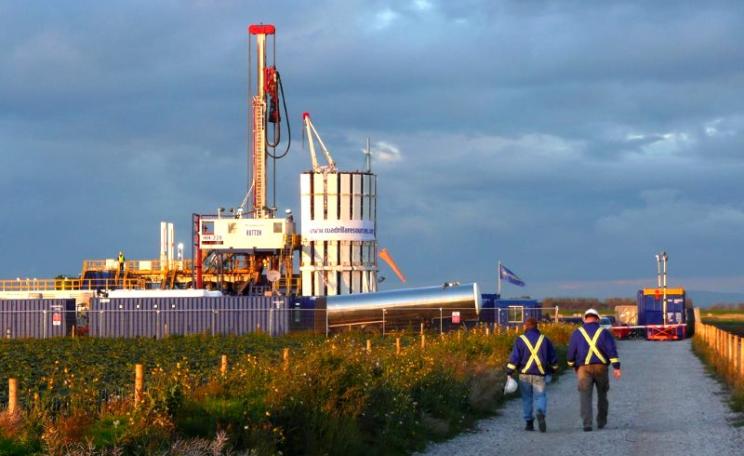
The anti-fracking movement scored a great victory when Lancashire councillors refused planning permission for two fracking wells, writes Damien Short. But dig deeper and the triumph was all the greater, as it overcame not just Cuadrilla, but a morass of pro-fracking bias and legal and scientific misrepresentation from those meant to be providing impartial advice.