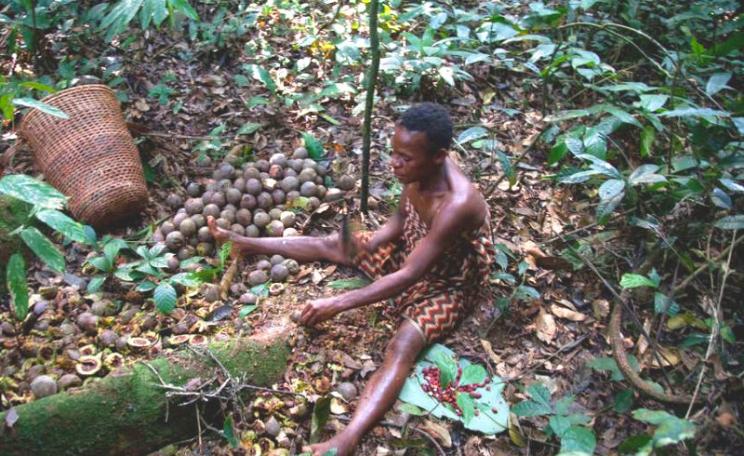
Slavery is a terrible thing for the world's estimated 36 million slaves, writes Kevin Bales. But it's also an environmental disaster. Many slaves are forced to work in destructive activities like clearing forests for mines, farms and plantations - making slave labour the world's third biggest 'country' in terms of CO2 emissions. It really is time to end slavery!
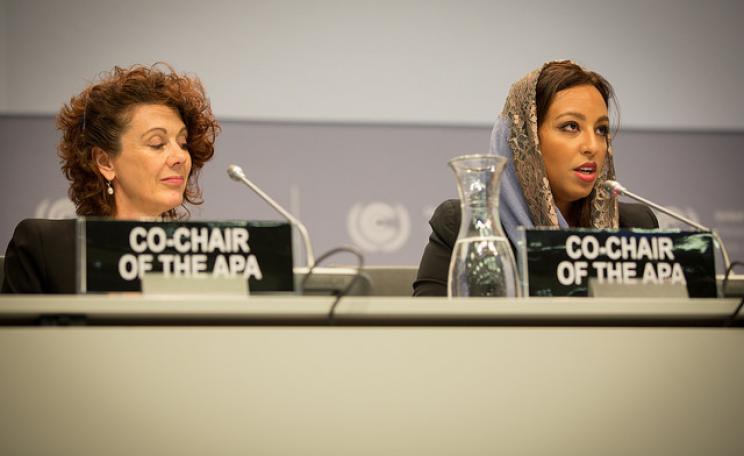
The UN intersessional negotiations on climate change (UNFCCC) which started in Bonn last week enter their second week with the big question - how to find and allocate by 2020 the $100bn as agreed in the Paris Agreement. Climate tracker Pavlos Georgiadis reports.
The British establishment does nothing quite so well as lies, cover-ups and high-level corruption, writes Georgina Downs - whether it's the Hillsborough disaster or permitting polluters to poison us. Georgina won her own High Court legal victory protecting rural residents from pesticide exposure as long ago as 2008 - only to have it snatched away as Court of Appeal judges closed ranks.
With its 800 bases in 80 countries, the US's global military domination is often seen as an altruistic exercise to ensure world peace and harmony, writes Pete Dolack. It is, of course, the opposite: the essential underpinning of the US's predatory economic power, always ready to strike down any challenge to the rights and privileges of its corporate conquerors and financial oligarchy.
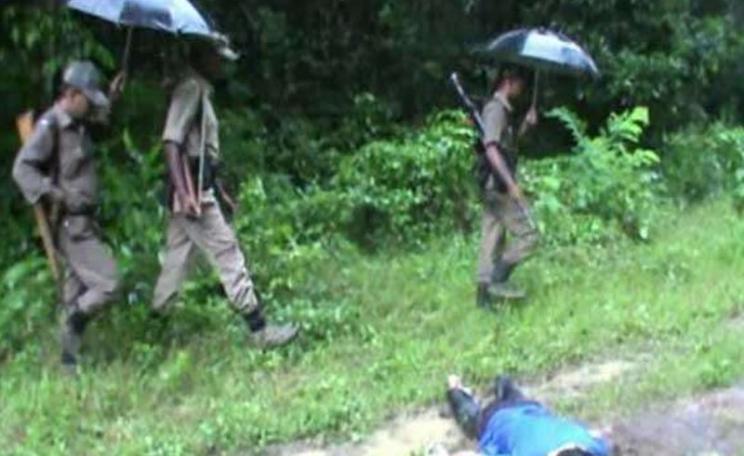
The endangered Bengal Tiger and One-horned Rhino desperately need protection, writes Lewis Evans. But in India's Kaziranga National Park, 'fortress conservation' includes a brutal 'shoot on sight' policy that is terrorising local communities, many of them tribal. Indigenous peoples are the natural allies of conservation and need to be engaged in constructive solutions - not shot!
American NGO advocating for young people's future environmental rights has won a first key legal battle in its fight to force the United States to avoid dangerous climate change by cutting its greenhouse gas emissions, writes Sophie Marjanac. If upheld on appeal in higher courts, the ruling has huge implications for us all.
The proposed Directive on Trade Secrets Protection is meant to repress industrial espionage, write Corporate Europe Observatory & Co-signatories. But under its Draconian provisions, punitive lawsuits, jail sentences and €350,000 fines await journalists, campaigners and whistle-blowers. The European Parliament must reject this wicked law tomorrow!
Australian governments have long waged a one-sided war on the continent's Aboriginal peoples, writes John Pilger. And now a new weapon has come into play: the starvation of the most remote, culturally intact communities. It's all part of a multi-faceted program of physical and cultural annihilation. And yet the world is silent.
In 1975 Indonesia invaded the small Pacific country of East Timor, writes John Pilger, and then massacred a third of its population to suppress demands for independence. Now unearthed documents show the genocide was supported by Australia so it could grab the oil and gas reserves of the Timor Sea. Despite East Timor's independence, won in 1999, Australia is still stealing its oil and gas revenues worth $5 billion and counting.
For Saskatchewan, uranium is an important part of the economy, but for the province's indigenous peoples, the land is everything. It is filled with relationships between beings who dwell together in an interconnected web. Their traditional ecological knowledge is not just a set of terms or data, but a deep, broadly-viewed reality which contains systematic respect for all creation.
The random, murderous violence we just saw inflicted on the people of Brussels is absolutely, categorically unacceptable, writes Chris Floyd. So too is the far greater violence routinely inflicted by rich, powerful countries against their innocent victims around the world, and especially in the oil-rich Middle East. To move away from a world of terror, we must make our outrage, and our compassion, inclusive.
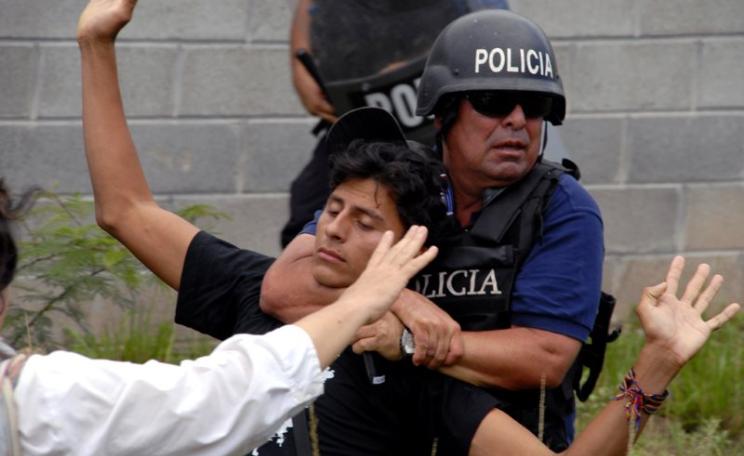
Since the Obama-Clinton coup in Honduras the murder of eco-defenders and other activists has become a routine instrument of government, writes Dan Beeton. We must demand an end to the killings, the restoration of political freedom, and a halt to the tide of corporate megaprojects - beginning with the Agua Zarca dam.
Less than two weeks after the murder of Honduran eco defender Berta Caceres, another indigenous leader has been shot dead during the violent police and military eviction of 150 families from the settled community of Rio Chiquito. International funders of the controversial Agua Zarca hydro project are now backing out..
Last week the environmental and human rights activist Berta Cáceres was murdered by gunmen in an early morning attack on her home which may have been carried out by or in collusion with state agents. Now her friend and colleague Gustavo Castro, himself wounded in the attack and the only witness to Berta's murder, has been detained for questioning.
WWF’s support for 'fortress conservation' has led to serious human rights abuses for indigenous peoples, writes Lewis Evans, and nowhere more so than in Cameroon, where the Baka are considered trespassers and poachers in their own ancestral forests. A formal complaint against WWF's behaviour is now in process.
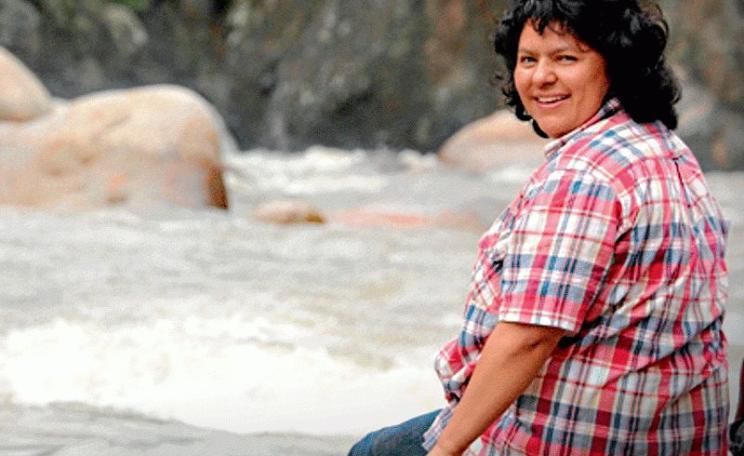
Berta Cáceres, Honduran indigenous and environmental rights campaigner, has been murdered, days after she was threatened for opposing a hydroelectric project, writes Jonathan Watts. Her death has prompted international outrage, and a flood of tributes to a courageous defender of the natural world.
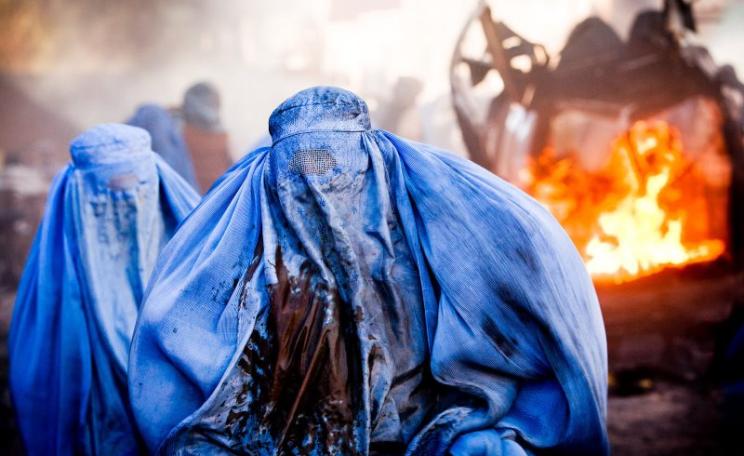
The humanitarian crisis in Gaza has worsened after floods and purposeful destruction has taken its toll in recent months, writes Vanessa Amaral-Rogers. The eight year blockade by Israel and conflict with Egypt has already hit Palestinian families hard but now Gaza is at even greater risk as Egypt diverts seawater into life-line tunnels.
The defence secretary, 'comedians' on BBC Radio's News Quiz, and the entire media commentariat have ganged up this weekend up to pour mockery and poisonous lies over Julian Assange and the UN's human rights jurists, writes Jonathan Cook. As they attempt to fight off the UN's 'guilty' verdict against the British state, they are putting dissidents at risk everywhere.
Human Rights Council Working Group on Arbitrary Detention
|
The human rights campaigner Julian Assange has suffered arbitrary detention by the governments of Sweden and the UK, the HRC's Working Group on Arbitrary Detention ruled today. Here we present the key elements of the Ruling so readers can form their own opinion on the issue free of the universal condemnations of Assange and the Ruling evident in mainstream media.
How can progressive movements rise above merely being right, to mount effective mass opposition to corporate rule and the dictatorship of the super-wealthy? By learning from Gandhi, writes Colin Todhunter, and devising new campaigns that engage with people's everyday concerns - like access to safe, wholesome, affordable, 'open source' food.
Israel's government is now free to expel 1,200 of its Bedouin citizens from their 'unrecognised' villages in the Negev desert, following a Supreme Court decision not to hear their appeal. Now only one thing can save the Bedouin, their communities and their way of life: an international outcry.
The Philippines is taking a huge leap forward in the climate wars, writes Ellen Baker, with the world's 'top 50' energy giants standing accused of violating international human rights law as a result of their fossil fuel production. This is the first such investigation ever to take place anywhere in the world - and it just opened up a whole new front of corporate vulnerability.
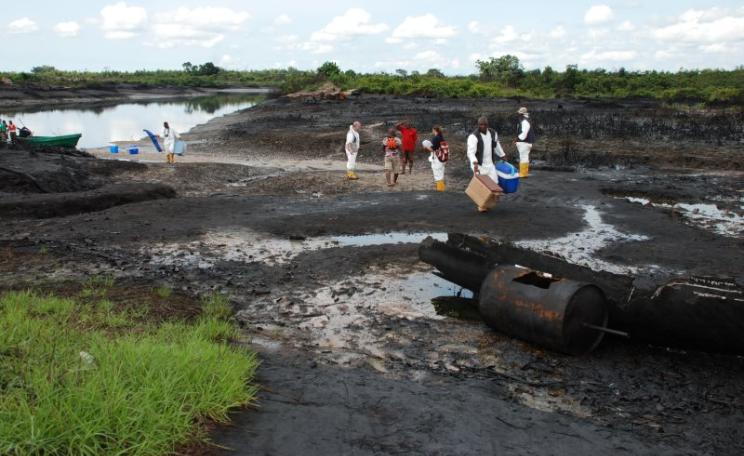
In a landmark judgment today, four Niger Delta farmers have won the right to sue Dutch oil multinational Shell in the Netherlands courts after oil spills destroyed their farms and fish ponds. The case sets a precedent for other victims of corporate environmental and human rights harms around the world.
In this joint statement to COP21 Amnesty International and Greenpeace International call on all governments to protect human rights by including making respect for human rights an explicit purpose of any agreement, while agreeing to phase out fossil fuels and deliver 100% renewables for all by 2050.