Indian coal firm Adani is struggling to finance its proposed mega coal mine in Australia's Galilee Basin, write Marina Lou & Christine Ottery, as promised government support evaporates and a major investor looks set to pull out.
As we celebrate 'World Wildlife Day' today, there's little for nature's best defenders to be glad of, says human rights lawyer Gordon Bennett. Indigenous Peoples around the world are routinely attacked, starved and cut off from the lands and wildlife they have protected for millennia under a flawed and brutal model of 'conservation'.
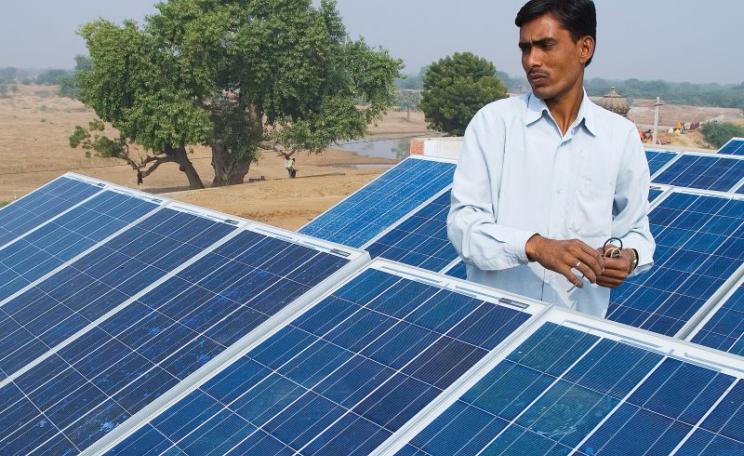
India's renewable power capacity is set to reach 170GW by 2022, write Areeba Hamid & Oliver Tickell - reducing power shortages and bringing electricity to off-grid of rural communities for the first time. But it may also have an unintended consequence - cutting off investment in India's troubled coal sector as prospects for future profitability evaporate..
While the world gears up for Jungle Book fever, something sinister is afoot in the forests of India, writes Tom Linton. No, not Shere Khan, but zealous officials illegally evicting indigenous communities from their ancestral forests in the name of 'conservation' - and to make way for tiger tourism. And it's happening across India putting millions of people under threat.
India made no promises to cut its CO2 emissions from coal power stations, writes Nivedita Khandekar, and refused to reveal its ambitions for the Paris climate talks - but Obama promised US support for its plans to roll out 100GW of solar power.
President Obama will shortly be on his way to India. In this Open Letter, Vandana Shiva invites him to join in securing the essential human freedoms to seeds and food - and to set aside any plans to pressure India into changing its laws to allow the corporate domination of life.
Indigenous forest dwellers in India's iconic Kanha Tiger Reserve have suffered another round of illegal forced evictions at the hands of the country's Tiger Conservation Authority - a move that is threatening the future of the tigers themselves.
A KPMG study shows that the cost of solar power in India, revealed by public auctions, is barely half a cent above that of cheap local coal , writes Chris Goodall, with generators bids falling well below 5p (UK) / 7¢ (US) per kWh. The idea put about at COP21 that India and other poor but sunny countries need coal to develop their economies is fast running out of steam.
Austria's pledge to strive for the elimination of nuclear WMD kindled fresh energy and hope at this month's Vienna Conference on Nuclear Weapons, writes Rebecca Johnson. Now we must maintain the momentum towards global nuclear disarmament at the May 2015 meeting of the Non-Proliferation Treaty.
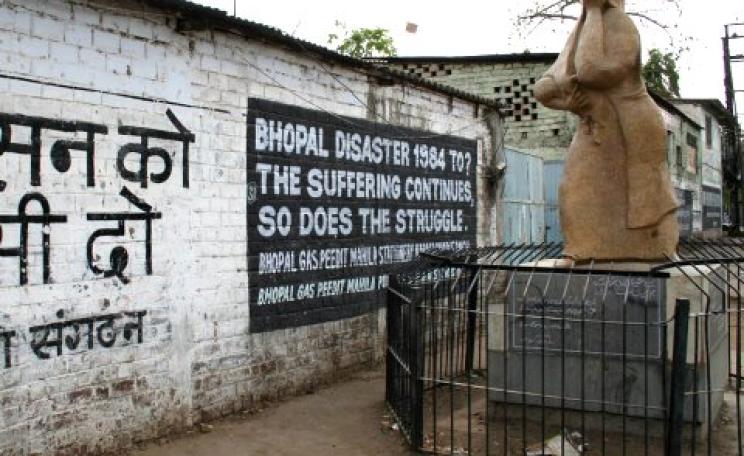
Thirty years ago today, Union Carbide's pesticide factory in Bhopal, India, released toxic gases that killed 3,787 people and injured over half a million, writes Vijay Prashad. The site is still contaminated, victims remain uncompensated, and the area suffers from a high rate of serious birth defects. Yet UC's CEO evaded justice, to die in a Florida nursing home this year at the age of 92.
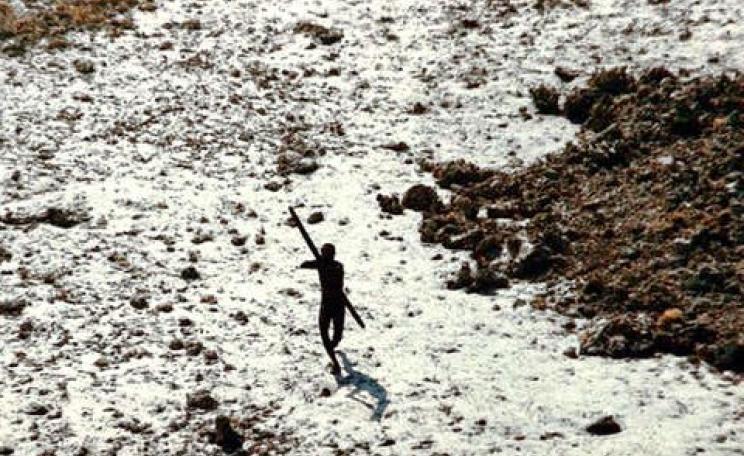
The last completely isolated tribe on the Andaman Islands in the Bay of Bengal is at risk from illegal fishing, with Burmese boats entering their waters and fishermen landing on their island home. But they had better watch out - two intruders were shot dead with arrows in 2006.
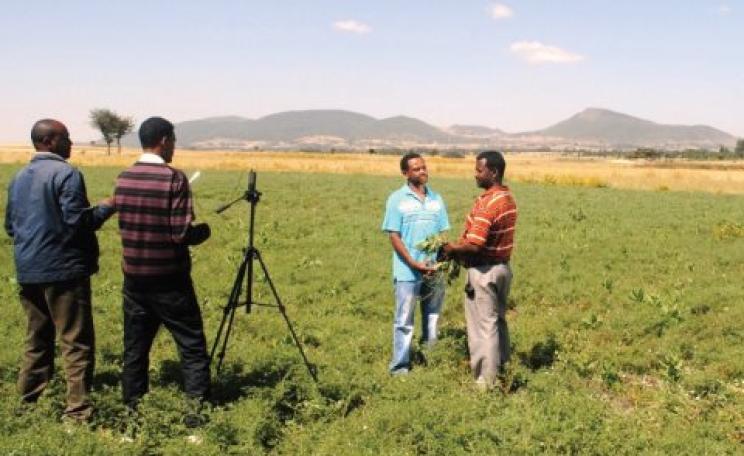
Modern technology has a lot to offer small farmers in poor countries, writes Tony Juniper - just not the GMOs and pesticides that are widely touted. But how about film, digital communications and smart phones? These new media can empower farmers and allow them to share knowledge and experience of how to produce more, from less.
A tribal community within India's Similipal tiger reserve is facing eviction after forest department officials tricked and coerced villagers into signing a document in which they promised to leave. Complaints to the state's Human Rights Commission have been ignored.
Consumers around the world want their electricity to come from renewable sources, writes Paul Brown. Yet governments from the UK to Australia are defying the popular will as they push for fossil fuels and nuclear power. The good news? Renewable energy is surging ahead regardless.
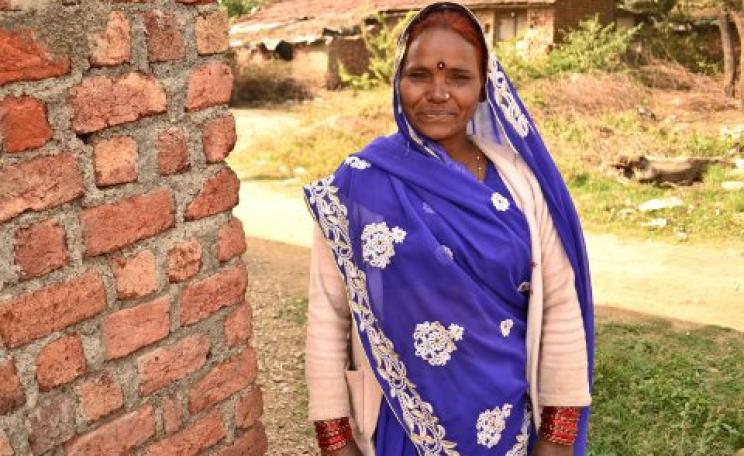
Women of an 'untouchable' caste in village India are rebelling against a life of cleaning human ordure, poverty and relentless discrimination, writes Amy Braunschweiger. Among them is Lalibai, who inherited her 'job' at the age of 12 - but has just helped to organise a protest march of 10,000 women across 18 states.
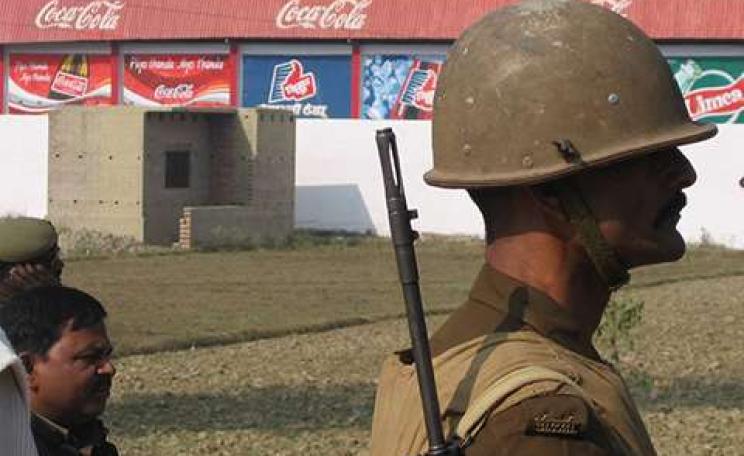
After a 15-year battle, local campaigners infuriated by pollution, over-pumping of groundwater and land-grabbing have finally forced the closure of Coca-Cola's $25 million factory near Varanasi.
India's economy is hindered by the lack of sustainable and reliable electricity, writes Michael Jacob. But the new government has a plan to bring 24/7 power to every citizen, based on grid renewal, subsidy cuts, and a big rollout of ever-cheaper solar power generation.
A social solidarity movement is transforming the lives of millions of poor women in Kerala, south India, writes P. Sainath - and among the greatest beneficiaries are indigenous adivasi women who dwell deep in the the forests, and their historically marginalized communities.
Students, workers and civil rights activists gathered in their hundreds today in Delhi to protest at the mining company Vedanta, and the Indian government's support of highly destructive mining projects in forests and on indigenous peoples' lands.
An illegal road on India's Andaman Islands has already opened up a 55,000 year old tribe to disease, sexual abuse and the theft of their resources. But instead of closing the road, local politicians are upgrading it with two new bridges.
In modern India any form of dissent from the neoliberal corporate model of development is being criminalised, writes Kumar Sundaram. Opponents of nuclear power, coal mines, GMOs, giant dams, are all under attack as enemies of the state and a threat to economic growth.
After eleven years of campaigning by local people suffering from water shortages, state authorities have closed Coca-Cola's bottling plant at Mehdiganj, Uttar Pradesh - inspiring campaigners at another three Coca Cola sites in India.
Three very different sustainable energy projects from India are among the finalists in this year's Ashden Awards, writes Chhavi Sharma - all of them inspiring and showing this vast country the way to a clean, secure, affordable energy future for all.
Heathcote Williams remembers India's great campaigner Professor Nanjunda's whose direct actions against Monsanto, KFC, McDonalds, Coca-Cola and the WTO inspired a nation and created an unstoppable movement of 10 million ...